


Do Beauty Devices Cause Breakouts on Sensitive Skin?

Seeing new pimples after starting a beauty device can be frustrating—especially with sensitive skin. Most beauty devices don’t directly cause breakouts, but improper hygiene, overuse, or barrier disruption can trigger irritation or temporary “purging” in 10–20% of sensitive users, according to dermatology insights; with proper care, many devices actually help clear acne-prone skin.

How Beauty Devices Affect Sensitive Skin: From Microbiome to Barrier Function?
Beauty devices enhance routines with light, currents, or vibrations, but on sensitive skin, they can temporarily shift the skin microbiome—the balance of good bacteria that protects against irritants. Improper use risks bacterial buildup on the device, transferring to pores and sparking inflammation. Studies show skincare tools can alter microbial diversity, sometimes leading to dryness or rebound oiliness that clogs pores (PMC, 2024–2025).
Common Beauty Devices and Their Potential Impact on Acne-Prone Sensitive Skin
- LED Therapy Masks — Blue light fights acne bacteria effectively, but overuse dries skin, prompting excess oil and potential breakouts.
- Microcurrent or RF Tools — These boost circulation; high intensity or poor hygiene irritates, disrupting the microbiome.
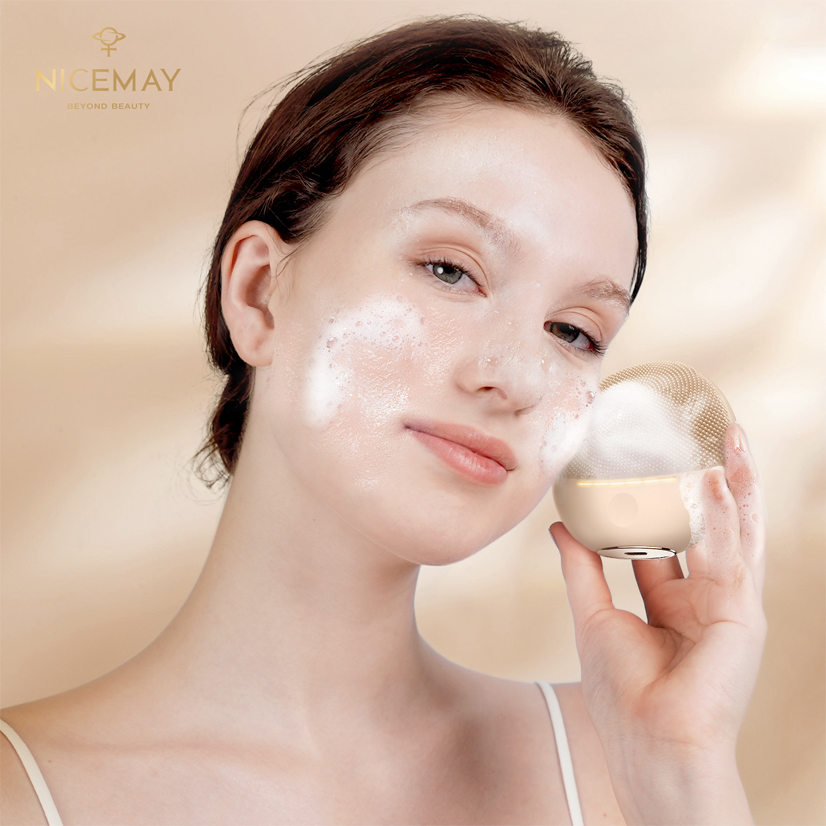
- Sonic Cleansing Brushes — Deep cleansing unclogs pores, but aggressive use strips the barrier, raising breakout risk in reactive skin (AAD, 2025).
Why Sensitive Skin Is More Prone to Breakouts from Beauty Devices?
Sensitive skin has a weaker barrier, making it vulnerable to friction, heat, or actives from devices. Studies show that 44% of cosmetic users experience side effects like redness or acne, often on the face (Wiley Online Library, 2023). For devices, this translates to potential pore clogging from residue buildup or inflammation mimicking acne.
Do Beauty Devices Trigger Acne Breakouts on Sensitive Skin? Evidence and Causes?
Not all devices cause breakouts, but certain factors heighten risks for sensitive types. A 2025 PMC case-control study linked frequent cosmetic/device use to increased acne odds, with facial cleansers raising risk by factors like improper hygiene or incompatible gels.
Common Causes of Breakouts from Beauty Devices on Sensitive Skin
- Irritation and Purging: New devices can accelerate turnover, causing temporary “purging” pimples—distinct from true breakouts, lasting 4-6 weeks (Medical News Today, 2025).
- Barrier Disruption: Overuse strips natural oils, leading to dryness and rebound oiliness that clogs pores (Healthline, 2019).
- Allergic Reactions: Gels or materials in devices may trigger sensitivity, resulting in inflamed, acne-like bumps (Reddit user reports, 2024).
If reactions persist, explore “What to Do If Your Skin Reacts Badly After Beauty Device Use? “ for recovery steps.
Factors Increasing Breakout Risks with Beauty Devices
| Factor | Impact on Sensitive Skin | Evidence (Studies) |
|---|---|---|
| Device Intensity | High settings cause heat/friction irritation | Up to 20% flare-ups (Dermatology Times, 2025) |
| Skin Type | Reactive/dry skin more susceptible | 44% side effects (Wiley, 2023) |
| Usage Frequency | Daily over-cleansing strips barrier | Linked to acne risk (PMC, 2025) |
| Prep & Hygiene | Skipping cleanse leads to residue buildup | Worsens pores (Skin Research, 2024) |
Prevention Tips: Using Beauty Devices Safely on Sensitive Skin to Avoid Breakouts
Start slow: Patch-test devices and use 2-3 times weekly. Cleanse gently pre-use, apply hypoallergenic gels, and moisturize post-session with barrier-repair creams. Avoid actives like retinoids on device days to prevent compounding irritation.
For eye-area concerns, check “ Can Beauty Devices Be Used Around the Eyes? “
Potential Side Effects of Beauty Devices on Sensitive Skin Beyond Breakouts
Beyond acne, watch for redness, dryness, or swelling—common in 10% of users (Cleveland Clinic). If skin is already inflamed, refer to “Can Beauty Devices Be Used on Broken or Inflamed Skin? “
With mindful use, beauty devices can clear rather than cause breakouts on sensitive skin—consult a dermatologist for personalized advice and enjoy clearer, calmer results.

Please fill in your email in the form and we’ll get back to assist you soon!