


How to Use a Beauty Device Correctly at Home?

Elevate your skincare to spa-level results from the comfort of home. To use a beauty device correctly at home, begin on thoroughly cleansed skin, apply any required conductive gel, follow the device’s specific technique and timing guidelines, and always prioritize consistency for safe, effective outcomes backed by science.

Understanding Beauty Devices: Types, Mechanisms, and Science-Backed Benefits
At-home beauty devices leverage advanced technologies like light therapy, electrical currents, and radiofrequency to mimic professional treatments. These tools enhance skincare penetration, stimulate cellular processes such as ATP production in mitochondria, and promote collagen synthesis for firmer, clearer skin.
Common Types of At-Home Beauty Devices and How They Work
- LED Light Therapy Masks: Use specific wavelengths—blue (415nm) to target acne bacteria, red (630-660nm) to boost mitochondrial ATP and collagen via cytochrome c oxidase stimulation, and near-infrared (810-850nm) for deeper repair.
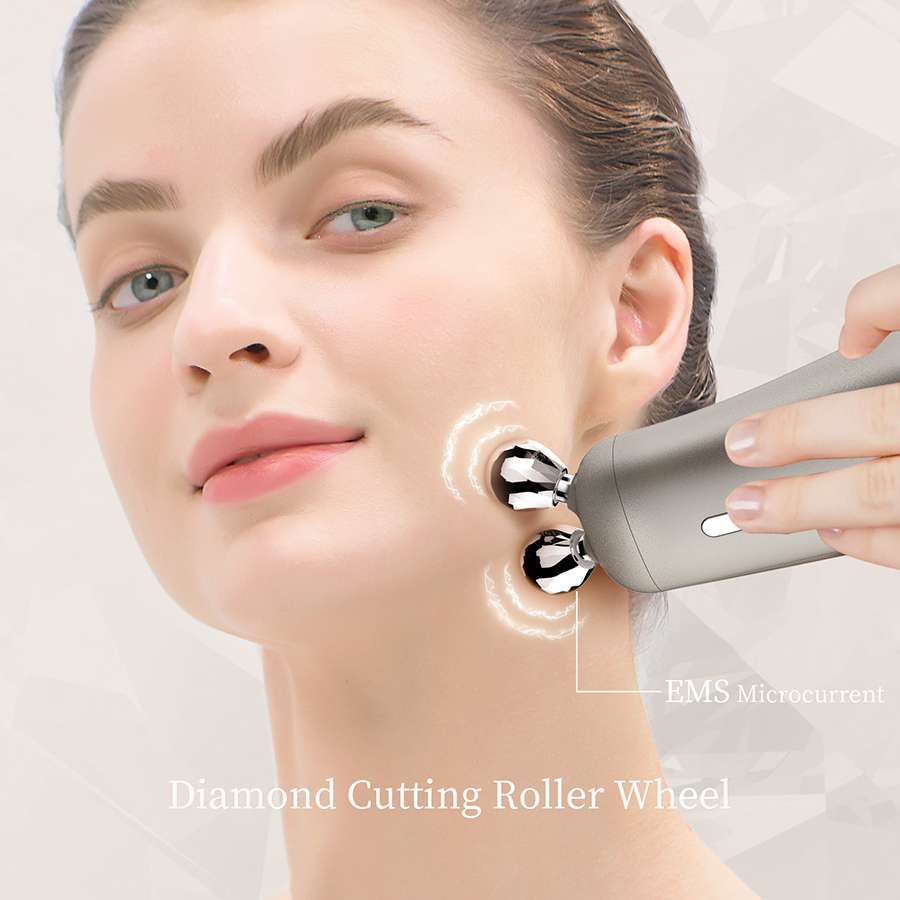
- Microcurrent Devices: Deliver low-level currents mimicking the body’s bioelectric signals, increasing ATP by up to several hundred percent in studies, toning muscles, and improving contour (clinical trials show up to 48% facial improvement over 30 days).
- Radiofrequency (RF) Tools: Heat dermal layers to stimulate fibroblasts, enhancing collagen and elastin for tightening.
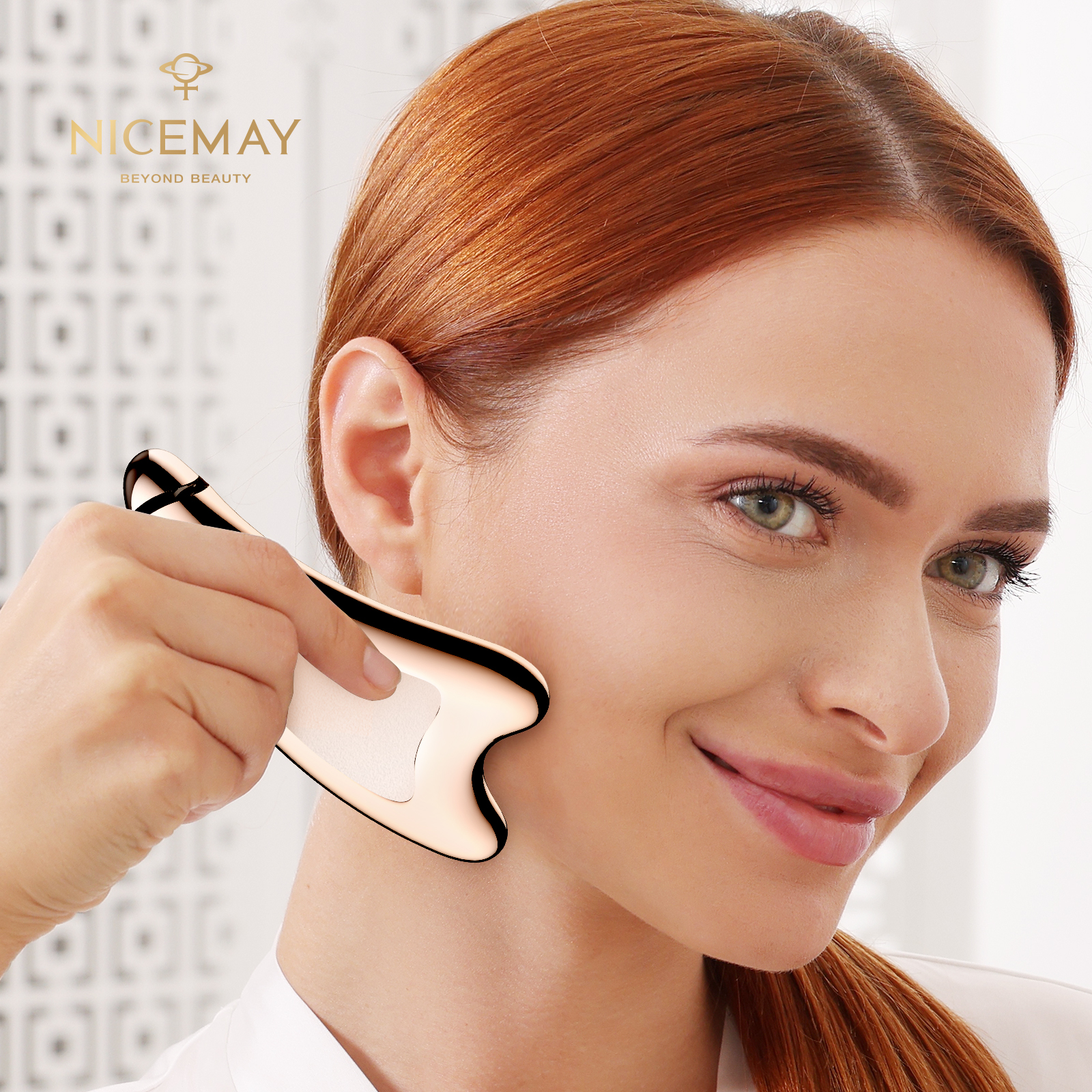
- Gua Sha or Jade Rollers: Manual tools for lymphatic drainage and circulation.
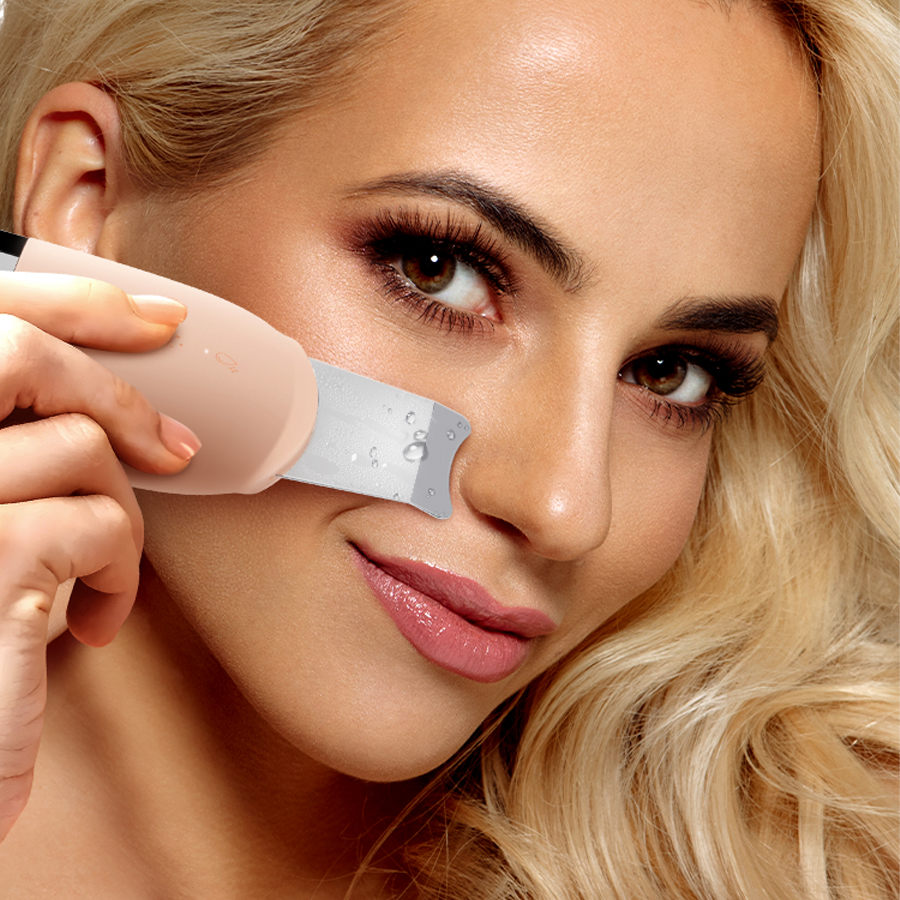
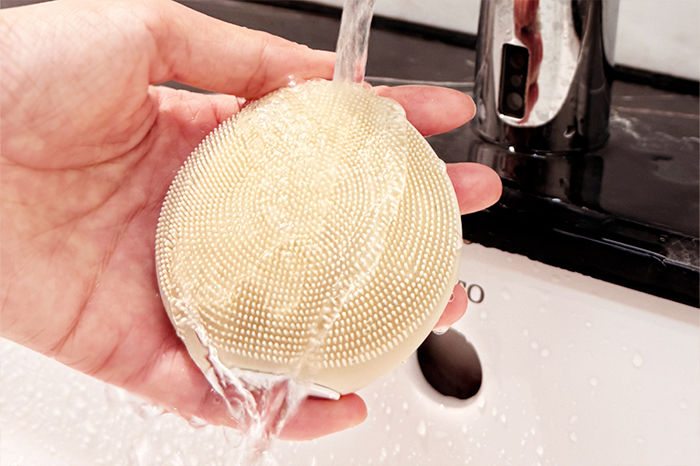
- Ultrasonic or Cleansing Brushes: Vibrations for deep cleansing and exfoliation.
Prioritize FDA-cleared devices for proven safety and efficacy, as supported by systematic reviews in PMC.
Step-by-Step Guide: How to Use Beauty Devices Correctly at Home
Mastering proper technique prevents irritation and maximizes results—dermatologists emphasize reading manuals, as devices differ.
Essential Preparation Before Using Your Beauty Device
- Double-Cleanse Your Skin: Remove makeup, SPF, and impurities with a gentle cleanser to ensure optimal energy penetration and avoid bacterial transfer.
- Apply Conductive Medium if Needed: Microcurrent devices require gel for even current flow; LED works best on bare, dry skin.
- Patch Test New Devices: Apply to a small area for 24-48 hours to rule out sensitivity.
Unsure about layering? Discover “ Should Beauty Devices Be Used Before or After Skincare Products? “ for optimal sequencing tips.
Proper Techniques During Beauty Device Sessions
- Glide in upward, lifting motions—never downward—to support natural contours.
- Use gentle pressure; excessive force can cause micro-trauma.
- Adhere to timed sessions (5-20 minutes) and lowest intensity initially.
- For zoned treatments, balance sides and start from neck upward.
- Red light at 630nm stimulates mitochondrial ATP for cellular energy; microcurrent mimics bio-signals for muscle re-education.
Studies confirm consistent, correct use yields visible lifting and glow within weeks.
Post-Treatment Steps for Enhanced Beauty Device Results
- Immediately layer hydrating serums—devices boost absorption significantly.
- Seal with moisturizer and daytime SPF.
- Sanitize device heads with alcohol-free wipes to prevent contamination.
Best Practices and Frequency for Safe Beauty Device Use at Home
Establishing a consistent and safe routine is the foundation of visible skin transformation. For most advanced at-home technologies—including RF, EMS, and LED therapy—the “golden rule” is to aim for 3 to 5 sessions per week. This frequency provides enough stimulation to trigger cellular responses, such as collagen synthesis and muscle toning, while allowing the skin’s natural barrier to rest and recover between treatments. Unlike professional clinic visits that use high-intensity energy once a month, home devices rely on low-energy, high-frequency cumulative effects to achieve comparable results over time.
While many users prefer incorporating beauty devices into their evening routines to align with the body’s peak circadian repair phase, most technologies offer the flexibility to be used at any time of day. Using devices at night can be particularly beneficial as it enhances the absorption of overnight regenerative serums. However, if your focus is on de-puffing or instant lifting for an event, morning use is equally effective. For those specifically tailoring their regimen for maximum restoration, you can explore “ Are Beauty Devices Safe to Use at Night? “ for detailed recovery-focused insights and expert timing tips.
Common Mistakes and Misconceptions When Using Beauty Devices at Home
Avoid pitfalls that reduce efficacy or cause issues—dermatologists highlight these frequent errors:
| Common Mistake | Potential Issue | How to Avoid It |
|---|---|---|
| Using on unclean or makeup-covered skin | Blocked penetration, breakouts | Always double-cleanse thoroughly |
| Skipping conductive gel (for microcurrent/RF) | Uneven treatment, irritation or burns | Apply liberally before starting |
| Overuse or high intensity from day one | Sensitivity, redness, diminished returns | Start low and slow, build gradually |
| Ignoring eye protection (LED devices) | Eye strain or damage | Use provided goggles |
| Inconsistent or improper motions | Uneven results, potential dragging | Follow upward lifting techniques |
| Neglecting device cleaning | Bacterial buildup, infections | Sanitize after every use |
For beginner-specific guidance, check “ What Mistakes Should Beginners Avoid When Using Beauty Devices? ”.
Conclusion
Beauty devices are generally safe (low side effects in reviews), but consult a dermatologist if pregnant, with pacemakers, epilepsy, active infections, or photosensitivity. Start on lowest settings for sensitive skin.
With proper use, at-home beauty devices can deliver transformative, science-supported results—boosting ATP, collagen, and radiance for healthier skin over time. Stay consistent and patient for the best glow!
Please fill in your email in the form and we’ll get back to assist you soon!