


Is an LED Mask for Face Effective for Hyperpigmentation?

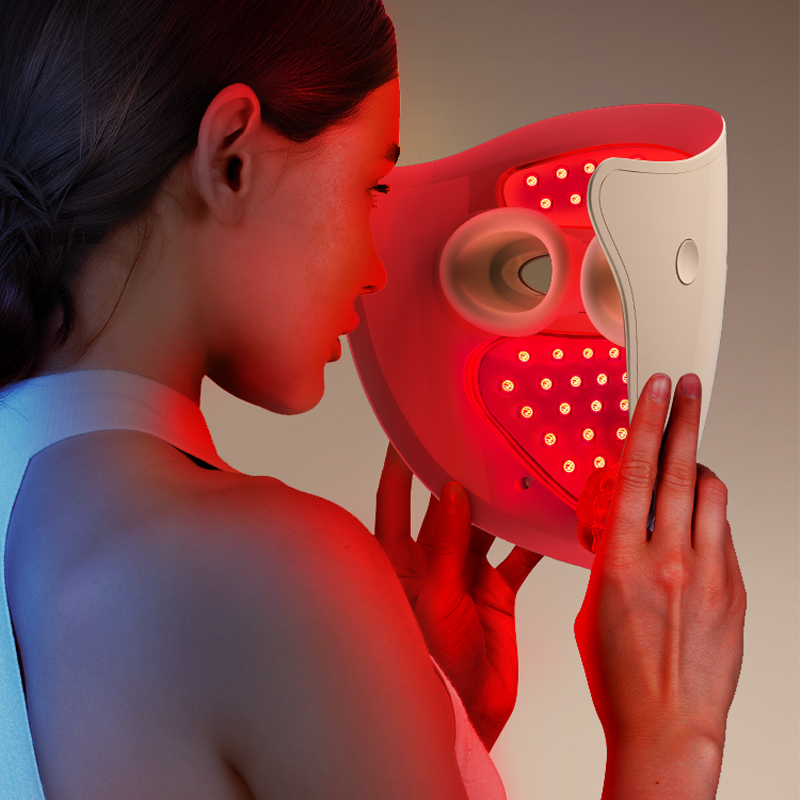
Is an LED Mask for Face Effective for Hyperpigmentation? Yes, LED masks for face can be effective for hyperpigmentation—especially models featuring red light therapy (around 630-660nm) and near-infrared light (around 830nm)—by reducing inflammation, stimulating collagen production, and promoting an even skin tone, as supported by clinical studies from sources like the American Academy of Dermatology and Photodermatology journals. However, individual results depend on skin type, device quality, consistent use, and pairing with a targeted skincare routine; they’re best as a complementary treatment rather than a standalone solution for conditions like melasma.

How LED Light Therapy Works for Hyperpigmentation ?
LED face masks harness low-level light therapy (LLLT) to deliver targeted wavelengths that penetrate the skin without causing damage or heat like lasers do. This non-invasive technology mimics cellular energy processes, encouraging repair at a deeper level. Unlike harmful UV rays from the sun, which activate tyrosinase (an enzyme that boosts melanin and worsens dark spots), LED lights avoid UV entirely, making them safer for pigmentation concerns.
Key wavelengths and their mechanisms include:
- Red light (630–660nm): Boosts mitochondrial function in cells, increasing ATP production for faster healing. It reduces oxidative stress, fades post-inflammatory hyperpigmentation (PIH), and enhances collagen synthesis, leading to smoother, more uniform skin.
- Near-infrared light (800–850nm or 830nm): Penetrates up to 5mm deep, improving blood flow, reducing inflammation from conditions like acne or sun damage, and breaking down melanin clusters for lighter dark spots.
- Green light (500–570nm): Directly targets melanocytes to regulate melanin overproduction, helping with superficial pigmentation and redness.
- Amber/yellow light (590nm): Calms irritated skin, supports lymphatic drainage, and indirectly aids hyperpigmentation by minimizing inflammation that can trigger new spots.
- Blue light (415nm): Primarily for acne, it kills P. acnes bacteria, preventing PIH from breakouts, but use cautiously as it may temporarily heighten pigmentation in sensitive or darker skin.
Research backs these effects: A 2018 study in Lasers in Surgery and Medicine showed red and near-infrared light reduced hyperpigmentation by 20-30% in participants after 12 weeks. Another trial in the Journal of Cosmetic Dermatology found combined red and green light improved skin tone in 80% of users with melasma-like symptoms. For best outcomes, opt for FDA-cleared devices with precise wavelengths to avoid suboptimal results.

Benefits of Using an LED Mask for Hyperpigmentation
Incorporating an LED mask for hyperpigmentation into your routine offers science-backed perks without the invasiveness of chemical peels or microdermabrasion:
- Fades dark spots gradually: Red and near-infrared lights promote cell turnover, shedding pigmented cells and revealing brighter skin underneath.
- Targets PIH from acne or injury: By calming inflammation, these masks prevent new pigmentation while healing existing marks.
- Enhances collagen and elasticity: Increased production plumps skin, reducing the visibility of age-related spots and fine lines.
- Improves overall radiance: Better circulation and detoxification lead to a more even, glowing complexion.
- Convenient at-home use: Sessions last 10-20 minutes, 3-5 times weekly, with no recovery time, making it ideal for busy lifestyles.
Users often report visible changes in 4-8 weeks, but combining with actives like tranexamic acid or azelaic acid amplifies results. For timing details, explore ” How Long Does It Take to See Results from an LED Mask for Face? “.
Potential Risks and When LED Masks Might Not Help (or Could Worsen Things)
Despite their popularity, LED light therapy for hyperpigmentation isn’t foolproof and requires mindful application:
- Heat-related triggers: Budget devices may produce subtle warmth, stimulating melanin in heat-sensitive skin, exacerbating melasma or PIH.
- Wavelength mismatches: Blue light, while great for acne, can temporarily darken spots in Fitzpatrick skin types III-VI; studies in Photodermatology note this risk, recommending follow-up with red/near-infrared to counteract it.
- Overuse issues: Daily or extended sessions (beyond 20 minutes) may irritate skin, leading to rebound pigmentation—stick to guidelines for safety.
- Interactions with skincare: Photosensitizing ingredients like retinoids or citrus extracts can heighten sensitivity, increasing hyperpigmentation odds.
- Not ideal for all conditions: Severe melasma, driven by hormones or genetics, may not respond well alone; LED helps reduce appearance but doesn’t halt melanin production entirely.
If you notice worsening, halt use and seek dermatologist advice. Darker tones or photosensitive individuals should start low-intensity and monitor closely. Wondering about light choices? Read ” Does Red Light or Blue Light Work Better in a Face Mask? “ for insights.
Top 5 LED Face Masks for Hyperpigmentation
To help you choose, here’s a curated list of the best LED masks for hyperpigmentation based on expert reviews, clinical wavelengths, and user feedback from sources like Vogue, Women’s Health, and Forbes. These focus on red/near-infrared for pigmentation reduction, with FDA clearance where applicable. We’ve included a mix of premium and accessible options, ensuring versatility for different budgets.
- Omnilux Contour Face: Top-rated for its medical-grade 633nm red and 830nm near-infrared lights, it excels at fading dark spots and boosting collagen. Flexible silicone design fits snugly; 10-minute sessions yield even tone in weeks. Ideal for all skin types, including sensitive.
- CurrentBody Skin LED Light Therapy Mask (Series 2): Features 236 LEDs with red, near-infrared, and deep near-infrared for comprehensive pigmentation treatment. Celebrities swear by its glow-enhancing effects; wireless and lightweight for easy use. Great for hyperpigmentation from sun damage.
- Dr. Dennis Gross DRx SpectraLite FaceWare Pro: Combines red (for anti-aging and spots), blue (for acne-related PIH), and infrared. Rigid yet comfortable; 3-minute treatments target discoloration effectively. Dermatologist-recommended for multitasking skincare.
- NICEMAY Photon Therapy LED Mask (MR-2308): Affordable yet powerful with 165 LEDs in red, blue, and green modes, customizable for hyperpigmentation. Its hommization design allows multitasking; reviews highlight brighter skin and reduced spots without irritation. A solid entry-level pick for home use.
- HigherDose Red Light Face Mask: Pairs red and near-infrared for deep penetration, reducing redness and pigmentation while improving mood. Cordless and flexible; users note faded dark spots after consistent sessions. Perfect for inflammation-driven hyperpigmentation.
Comparison of LED Light Colors for Hyperpigmentation
To visualize how different lights stack up, here’s a quick table summarizing their effects, wavelengths, and ideal uses for hyperpigmentation treatment:
| Light Color | Wavelength (nm) | Primary Benefits for Hyperpigmentation | Potential Drawbacks | Best For |
|---|---|---|---|---|
| Red | 630-660 | Boosts collagen, reduces inflammation, fades PIH | Minimal, but overuse can irritate | Age spots, sun damage |
| Near-Infrared | 800-850 | Deep healing, melanin breakdown, even tone | Deeper penetration may feel warming in some devices | Melasma, deep pigmentation |
| Green | 500-570 | Regulates melanin, lightens superficial spots | Less studied for long-term effects | Redness, uneven tone |
| Amber/Yellow | 590 | Soothes skin, aids detoxification | Indirect benefits only | Inflammatory hyperpigmentation |
| Blue | 415 | Prevents acne-triggered PIH | May worsen spots in darker skin | Acne-prone with secondary pigmentation |
Tips for Safe and Effective Use
Maximize your LED mask for face results with these practical steps:
- Choose wisely: Prioritize FDA-cleared masks with verified wavelengths (e.g., 633nm red + 830nm near-infrared) from reputable brands.
- Build a routine: Begin with 10-minute sessions, 3x/week, on clean skin; increase gradually as tolerated.
- Avoid triggers: Skip photosensitizers 24 hours before/after; always wear sunscreen (SPF 30+) to protect gains.
- Customize by skin type: For darker tones, favor red/near-infrared and test patch first; consult pros for melasma.
- Complement with skincare: Layer in niacinamide serums or vitamin C for synergy against dark spots.
- Track progress: Take before/after photos; if no improvement in 8 weeks, reassess device or routine.
LED face masks provide a proven, at-home boost for hyperpigmentation treatment, with red and near-infrared lights leading the way in clinical evidence for reduced dark spots, inflammation, and uneven tone. From top picks like the Omnilux or NICEMAY to tailored routines, they’re effective when used smartly—but skin type, quality, and professional input matter. Backed by studies in Photobiomodulation journals and the American Academy of Dermatology, results can transform your complexion safely.
FAQ: Common Questions About Using an LED Mask for Acne
Is LED light therapy safe for all skin types with hyperpigmentation?
Yes, generally—it’s non-UV and low-risk, but darker skin (Fitzpatrick III-VI) should avoid high blue light to prevent temporary darkening. Start with red/near-infrared and consult a dermatologist.
How often should I use an LED mask for hyperpigmentation?
Aim for 10-20 minutes, 3-5 times weekly. Consistency is key, but avoid daily use to prevent overstimulation.
Can LED masks completely cure hyperpigmentation?
No, they reduce appearance by 20-50% per studies, but aren’t a cure. Combine with topicals and sun protection for best results; severe cases need professional treatments.
What's the difference between red and blue light for pigmentation?
Red focuses on healing and fading spots; blue targets acne bacteria to prevent new PIH. For pure hyperpigmentation, red is superior—see our linked guide for details.
Are there any side effects from using an LED face mask?
Rare, but possible mild redness or dryness from overuse. Stop if irritation occurs; those with photosensitivity or epilepsy should avoid.

Please fill in your email in the form and we’ll get back to assist you soon!