


At-Home Beauty Device Side Effects: A Safety Guide (Updated for 2026)

Curious if your favorite at-home beauty gadget is secretly causing harm? Most side effects from beauty devices are mild and temporary—redness, dryness, or tingling affecting under 5–10% of users per clinical data—but recognizing abnormal reactions early keeps your skin safe and glowing.

Common At-Home Beauty Devices and Their Typical Side Effects
FDA-cleared devices like LED masks, microcurrent, radiofrequency (RF), and sonic tools are designed for safety, with adverse events rare in controlled studies (PMC systematic reviews, 2024–2025). Issues usually arise from technique, intensity, or individual sensitivity.
Side Effects by Device Category
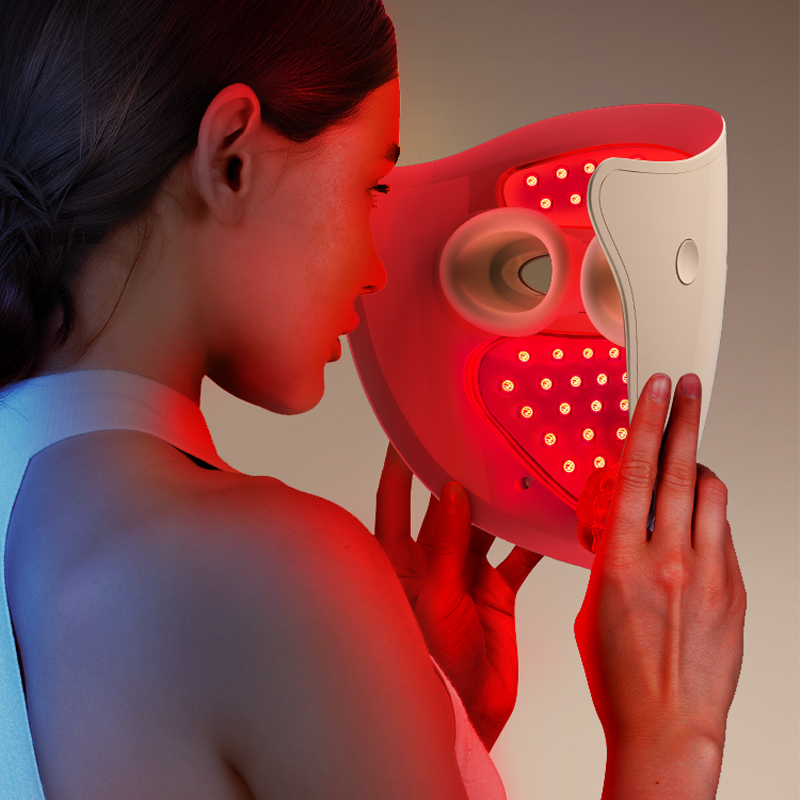
- LED Light Therapy: Primarily dryness or mild photosensitivity reactions; blue light may temporarily increase oil rebound in acne-prone skin.
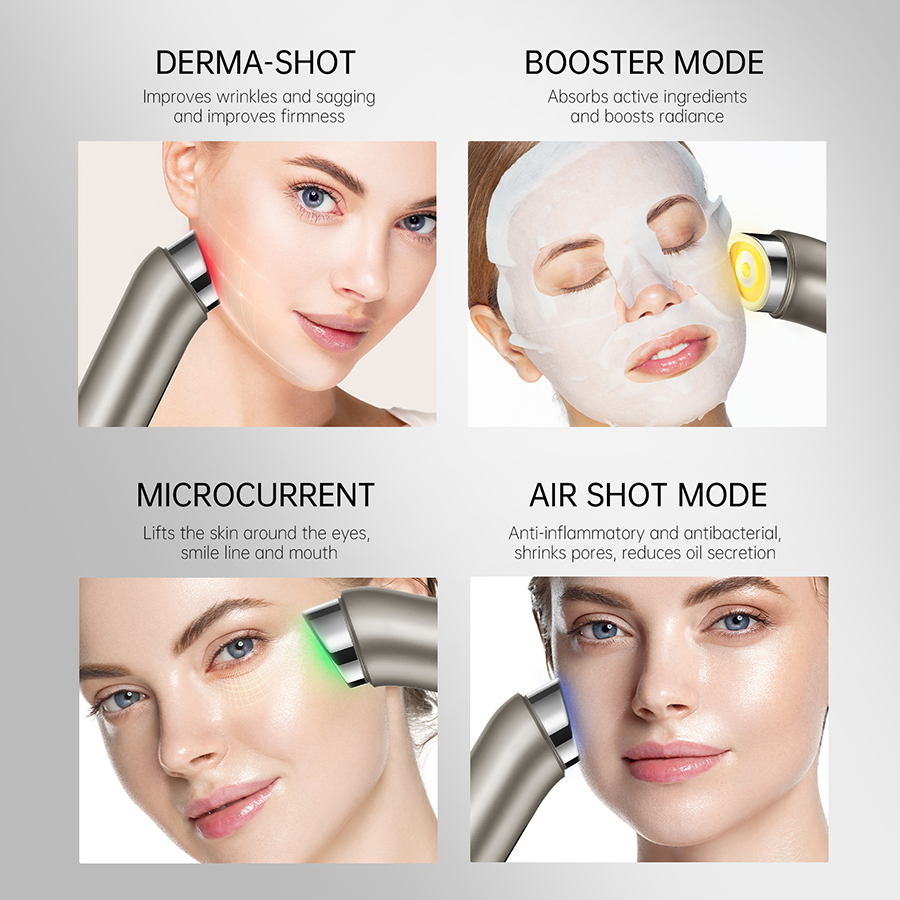
- Microcurrent Devices: Normal tingling expected; excessive intensity leads to redness, muscle soreness, or fatigue (<5% incidence, Journal of Cosmetic Dermatology, 2024).
- Radiofrequency (RF): Heat-induced erythema common; risk of thermal injury (burns) rises with overuse or poor gel application (Cleveland Clinic, 2025).
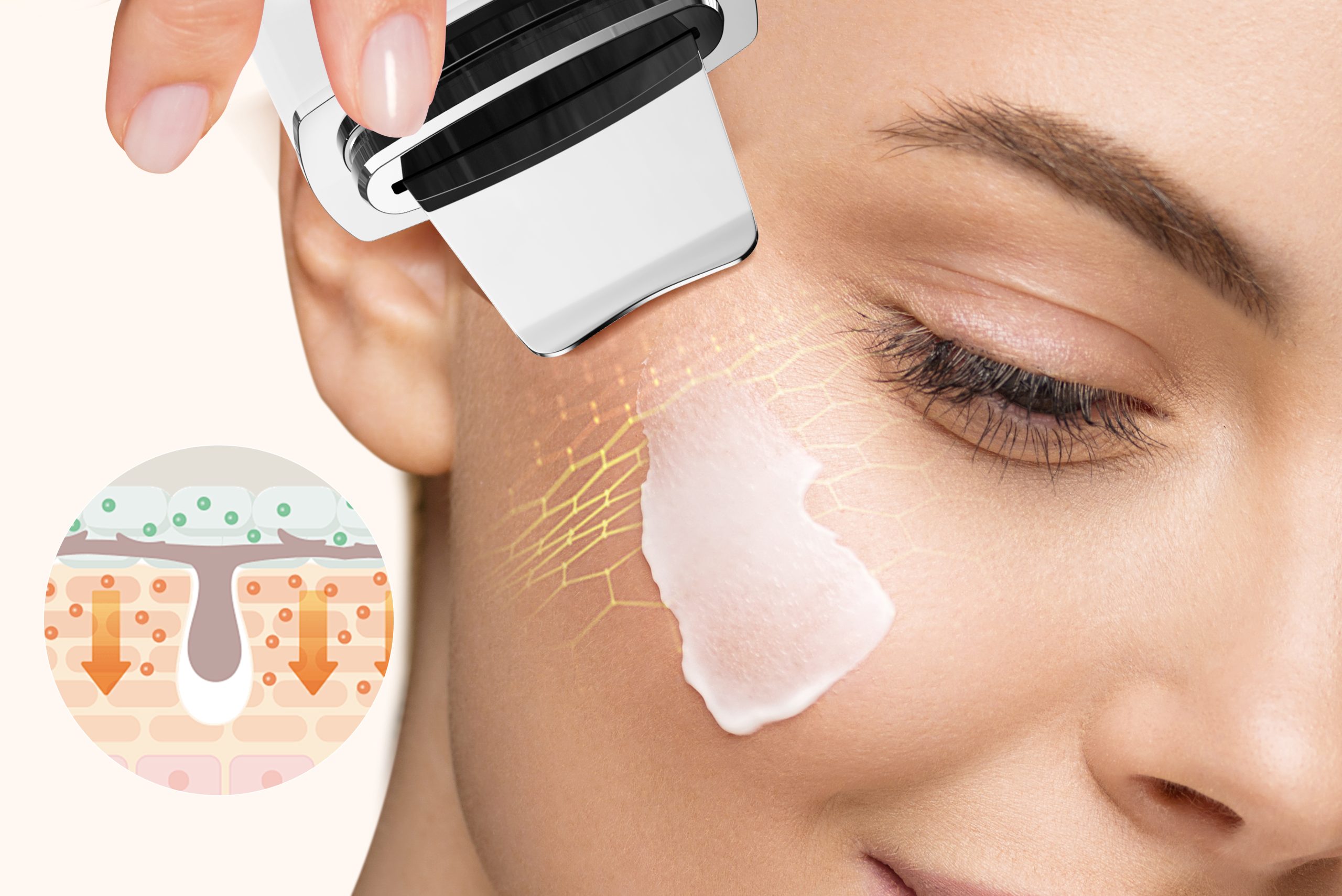
- Sonic/Ultrasonic Cleansers: Barrier stripping causing dryness or irritation if bristles are too firm.
Normal vs. Abnormal Reactions: Quick Checklist for Beauty Device Side Effects
Knowing the difference prevents unnecessary worry—or missing a real issue.
| Normal (Expected & Temporary) | Abnormal (Watch Closely or Stop Use) |
|---|---|
| Mild flushing/redness fading in 15–60 mins | Persistent redness >24 hours |
| Gentle tingling or warmth during session | Sharp stinging or burning pain |
| Slight dryness resolved with moisturizer | Flaking, peeling, or cracked skin |
| Temporary tightness (microcurrent/RF) | Blisters, swelling, or bruising |
If symptoms fall into the abnormal column, pause immediately and monitor.
Who Should Avoid or Be Cautious with At-Home Beauty Devices?
Certain conditions and individual health factors can make at-home beauty devices riskier than usual, turning a routine treatment into potential discomfort or complications. While most people tolerate these tools well, underlying issues may amplify reactions to light, heat, or electrical currents. The following section outlines the most common contraindications based on current dermatology guidelines (2025 updates)—if any apply to you, it’s essential to consult a dermatologist or healthcare provider before use to ensure the device is safe for your unique situation.
Key Contraindications and Precautions (2026 Guidelines)
- Pacemakers or implanted electronic devices — Electrical currents may interfere.
- Pregnancy — Limited safety data; precautionary avoidance recommended.
- Epilepsy/seizure disorders — Flashing lights (some LED) or currents pose risks.
- Active skin infections, open wounds, or severe eczema — Increases irritation.
- Metal implants/dental implants — Microcurrent/RF can cause discomfort or uneven heating around metal.
- Thyroid issues — Avoid neck treatment with RF/microcurrent.
- Photosensitivity or medications that increase it (e.g., certain antibiotics) — Heightens LED reaction risk.
Never combine devices with topical numbing creams—they mask discomfort, raising burn risk.
Factors That Increase Side Effect Risks with Beauty Devices
| Factor | Higher Risk Scenario | Safe Practice Tip |
|---|---|---|
| Skin Sensitivity | Reactive, rosacea, or eczema-prone | Patch-test; start lowest intensity |
| Intensity & Frequency | High settings or daily overuse | Follow manual; check “ How to Know If Your Beauty Device Intensity Is Too High? “ |
| Hygiene | Uncleaned heads | Sanitize after every session |
| Underlying Conditions | Contraindications above | Professional consultation required |
Rare but Serious Risks: Can Side Effects Become Permanent?
Most reactions resolve quickly, but extreme misuse (e.g., ignoring heat warnings) can lead to burns, scarring, or pigmentation changes. Evidence for permanent damage from standard at-home use is low, yet worth understanding—explore “ Can Improper Use of Beauty Devices Lead to Permanent Skin Damage? “ for in-depth analysis.
How to Minimize Side Effects and Use Beauty Devices Safely
- Patch-test new devices on inner arm for 24–48 hours.
- Use manufacturer-recommended gels and settings.
- Hydrate generously post-treatment with soothing, fragrance-free products.
- Build frequency gradually and never exceed guidelines.
- Store devices clean and dry.
At-home beauty devices remain one of the safest ways to elevate your routine—low side effect profiles backed by 2025 clinical data mean most users enjoy benefits without issues. Stay informed, listen to your skin, and glow confidently!
Please fill in your email in the form and we’ll get back to assist you soon!