


Is Red Light Therapy Mask Safe for Sensitive Skin? Benefits, Risks & What to Know

Yes — red light therapy masks are generally safe for sensitive skin when used correctly with FDA-cleared devices. They deliver gentle non-UV light (typically 630–660 nm red wavelengths) that helps reduce inflammation, support natural skin repair, and build resilience without heat, chemicals, or damage that could trigger reactions. For people with sensitive skin, every new treatment can feel like a high-stakes gamble — redness, stinging, or unexpected flare-ups are all too common. Red light therapy often stands out as a soothing option instead, calming reactivity and promoting a more balanced complexion, as noted by sources like the Cleveland Clinic and dermatologists.
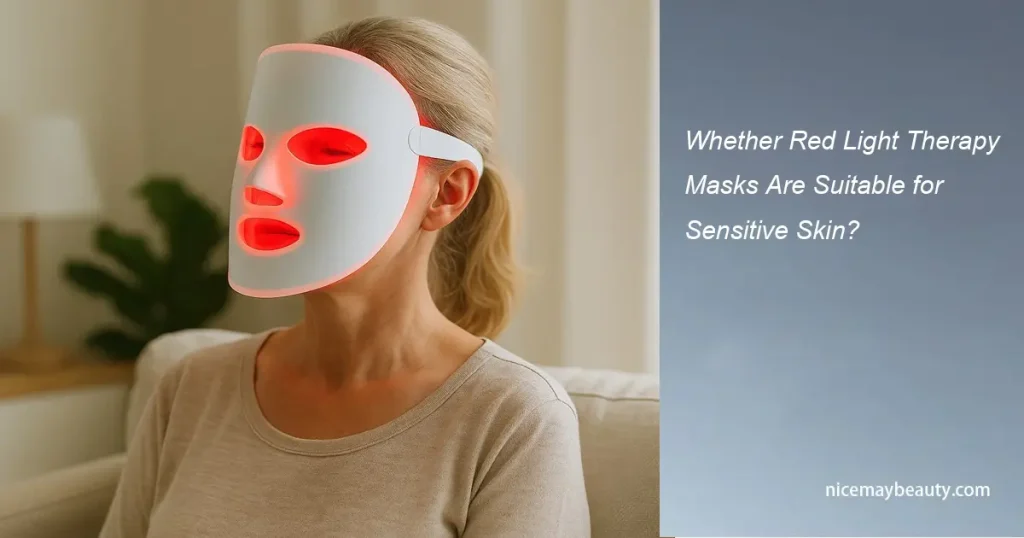
Can Red Light Therapy Irritate Sensitive Skin or Make It Worse?
Red light therapy rarely worsens sensitive skin — it typically calms rather than aggravates. Overuse (too-long or too-frequent sessions), mismatched wavelengths, or poor-quality devices could cause temporary irritation like prolonged redness or dryness. For rosacea, many find it reduces redness without triggering flares, though starting conservatively is key.
Who Should NOT Use Red Light Therapy Mask?
While broadly suitable, skip or consult a professional first if you have:
- Photosensitivity disorders (e.g., lupus)
- Active severe skin barrier damage or open wounds
- Medications that increase light sensitivity (like certain retinoids/A-r acids or antibiotics)
- History of skin cancer or light-triggered conditions
Pregnant individuals should check with a doctor. Always prioritize safety.
Key Benefits of Red Light Therapy Masks for Sensitive Skin
This low-irritation treatment delivers real advantages for delicate or reactive skin:
- Soothes Inflammation and Redness — Great for rosacea or general sensitivity, as it reduces oxidative stress (a type of skin damage that can trigger redness and reactivity) without heat.
- Supports Barrier Strength — Helps cells repair and retain moisture for better resilience.
- Evenses Tone and Calms Reactivity — Many report fewer flare-ups and a steadier complexion.
- Mild Anti-Aging — Boosts collagen gently, avoiding the sting of harsher options.
Curious about texture improvements? See Whether Red Light Therapy Masks Help Improve Skin Texture.

Red Light Therapy Side Effects on Sensitive Skin: What to Expect
Side effects are uncommon and mild — often just temporary warmth, slight redness, or dryness that fades fast. Overuse might heighten sensitivity briefly. Serious issues like blistering tie to misuse. Protect eyes with goggles, hydrate after, and pause if anything feels off.
Red Light Therapy vs Other Treatments for Sensitive Skin
Red light therapy shines for low irritation compared to alternatives:
- Retinoids/Retinol — Often high irritation and peeling for sensitive skin ❌
- Chemical Peels — Can cause significant redness, burning, or downtime ❌
- Red Light Therapy — Gentle, no heat/chemicals, minimal risk ✅
It’s a calmer choice for ongoing redness or repair without setbacks.
How to Choose the Best Red Light Therapy Mask for Sensitive Skin
If you’re searching for the best red light therapy mask for sensitive skin, prioritize low-irritation designs with consistent, gentle output. Key features include:
- FDA-cleared status and proven 630–660 nm red wavelengths
- Adjustable intensity for starting low and building tolerance
- Flexible silicone material for comfort and even contact (vs. rigid shells)
- Short sessions (under 10–15 minutes) to limit exposure
- Positive feedback for rosacea or sensitivity in recent reviews (brands like CurrentBody, HigherDose, Dr. Dennis Gross, or Omnilux often top lists for comfort and low reactivity)
For convenient at-home use, compare options in At Home Red Light Therapy Masks Compared With Clinic LED Treatments.
How to Use Red Light Therapy Masks Safely on Sensitive Skin
- Cleanse and dry skin; skip harsh actives pre-session.
- Begin with 5–10 minutes, 2–3 times weekly.
- Use on bare skin at first.
- Hydrate afterward and watch for reactions.
- Gradually increase to 3–5 sessions per week.
Results like calmer skin often appear in 4–8 weeks.
What Users with Sensitive Skin Report?
Feedback from sensitive or rosacea users is mostly positive: initial warmth fades quickly, followed by reduced redness, fewer flares, and softer skin after consistent use (4–8 weeks). Some note needing slower starts to avoid dryness, but overall, it’s praised for being non-irritating compared to other treatments.
FAQs about red light mask for sensitive skin
Can red light therapy make sensitive skin worse?
Does red light therapy help rosacea?
Can I use Vitamin C with red light therapy if I have sensitive skin?
How long before I see results on sensitive skin?
Is red light therapy better than blue light for sensitive skin?
Can I use red light therapy every day with sensitive skin?
Conclusion
Red light therapy masks offer a science-backed, low-risk solution for those with sensitive skin. By bypassing the irritation often triggered by harsh topicals or heat-based treatments, this non-invasive technology uses photobiomodulation to calm visible redness, repair the skin barrier, and boost long-term resilience from within. As long as you prioritize FDA-cleared devices and follow a “low and slow” approach, even the most reactive skin types can safely harness the healing power of red light to achieve a balanced, radiant complexion.
Choosing a mask that prioritizes skin safety and material purity is the first step toward a clearer complexion. To see how these safety features, including EMF shielding and medical-grade silicone, are integrated into the latest standards, explore our Ultimate Guide to Red Light Therapy Masks (2026 Edition)

Please fill in your email in the form and we’ll get back to assist you soon!