


Why Do Red Light Therapy Masks Use LED Technology? (Science Explained)

Red light therapy masks use LED technology because LEDs emit precise wavelengths of red light (630–660 nm) and near-infrared light (830–850 nm). These wavelengths penetrate the skin to trigger photobiomodulation, energizing cells and boosting collagen production while reducing inflammation.
LEDs also produce minimal heat, offer even full-face coverage, and remain affordable for wearable at-home devices—making them the most practical choice for effective LED face masks and LED light therapy masks

What Is LED Technology in Red Light Therapy Masks?
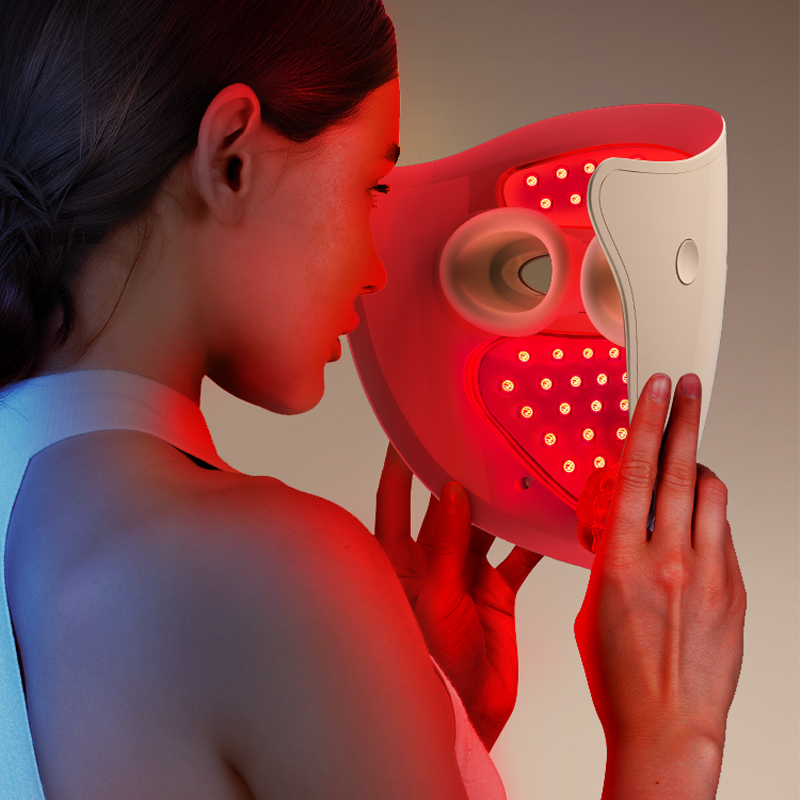
LED (light-emitting diode) technology powers modern red light therapy masks by delivering controlled, low-level light without excess heat or UV rays. This allows safe, consistent sessions that target skin rejuvenation at home.
Unlike traditional heat-based lamps, LEDs deliver specific wavelengths directly to the skin tissue without excess heat. This efficiency is the core of our Red Light Therapy Mask 2026, which optimizes light delivery for maximum collagen synthesis.
Why LEDs Are Ideal for Red Light Therapy Masks?
Precision Wavelengths for Targeted Benefits
LEDs provide exact wavelengths like 630–660 nm (red) for surface-level collagen stimulation and 830–850 nm (near-infrared) for deeper repair. These promote firmer skin, better elasticity, and improved tone—ideal for anti-aging and skin tightening.
Top-Tier Safety and Non-Thermal Output
LEDs generate non-thermal light, avoiding burns or irritation during daily use. No UV exposure means zero risk of damage, perfect for sensitive facial skin in LED skin therapy routines.Affordability and Everyday Practicality
LEDs cost less to produce than lasers, keeping red light therapy masks accessible while offering long lifespans and low energy use.Design Flexibility for Uniform Coverage
Compact LEDs fit into contoured LED face masks, ensuring even light distribution across the face for consistent results during hands-free sessions.
LED vs Other Light Sources in Red Light Therapy
| Feature | LED Technology | Lasers (LLLT) | Incandescent/Broadband Bulbs |
|---|---|---|---|
| Safety | High (non-thermal, no eye protection) | Needs eye protection, higher risks | Burns, high heat |
| Coverage | Full face, uniform | Spot-focused | Inconsistent |
| Heat Generation | Minimal | Variable heat | Excessive |
| Cost | Affordable for home | Expensive, clinical | Cheap but ineffective |
| Best For | Daily anti-aging & rejuvenation | Targeted professional use | Not recommended |
How LED Red Light Therapy Works in the Skin?
LED light reaches skin cells and energizes mitochondria to increase ATP (cellular energy). This supports repair, boosts collagen and elastin production, improves circulation, and calms inflammation—leading to smoother texture and reduced signs of aging.
Research published in the Journal of Cosmetic and Laser Therapy and studies on PubMed (e.g., trials showing increased collagen density with 630–660 nm red light) support these effects. Dermatologists often recommend LED light therapy as a gentle, non-invasive option for improving skin tone and reducing aging signs.
For deeper benefits, learn more about near-infrared light in LED face masks. If breakouts concern you, explore whether red light therapy masks help reduce acne.
Common Wavelengths Used in LED Face Masks
Quality LED red light therapy masks typically feature:
- 630–660 nm (red): Boosts surface collagen and fights inflammation.
- 830–850 nm (near-infrared): Reaches deeper layers for repair and circulation.
Higher irradiance enhances energy delivery, but safety always comes first.
Are LED Red Light Therapy Masks Safe and Effective?
Clinical studies show promising results for collagen stimulation and skin improvement with regular use, though more large-scale trials help confirm long-term at-home outcomes. LEDs prove safe short-term—no toxicity or UV risks—when used as directed. Opt for FDA-cleared devices. Consult a dermatologist for personalized advice.
| Light Type / Wavelength | Approx. Penetration Depth | Primary Skin Layers | Key Benefits |
|---|---|---|---|
| Blue Light (~415 nm) | <1 mm | Epidermis only | Targets acne bacteria |
| Red Light (630 nm) | 1.8–2.5 mm | Epidermis + superficial dermis | Tone, glow, fine lines |
| Red Light (660 nm) | 2–5 mm (up to ~10 mm) | Dermis + superficial subcutaneous | Collagen boost, wrinkle reduction |
| Near-Infrared (830–850 nm) | 5–10 mm+ | Mid-to-deep dermis + subcutaneous | Firmness, circulation, deep repair |
| This chart shows why combining red and NIR light often outperforms single-wavelength therapy. | |||

FAQs About Red Light Therapy Mask LED Technology
Why are LEDs better than lasers in red light therapy masks?
Do LED masks produce UV light?
Are LED masks as effective as professional red light therapy devices?
What wavelengths do LED masks use?
Final Thoughts
LED technology dominates red light therapy masks for its proven precision, safety, affordability, and user-friendly design. Backed by clinical evidence on collagen production and skin health, a certified LED facial mask can enhance your routine for brighter, firmer skin. Pair it with basics and consult a pro—ready to glow? Start with consistent use for noticeable results.
Please fill in your email in the form and we’ll get back to assist you soon!