


All You Need to Know About Silicone Facial Cleansing Brushes

Silicone facial cleansing brushes have quietly become one of the best-selling skincare tools worldwide — and dermatologists are paying attention. Unlike traditional nylon bristle brushes, silicone is non-porous, bacteria-resistant, and far gentler on the skin barrier. But not all brushes are created equal, and using the wrong one (or the right one incorrectly) can do more harm than good.
In this guide, we cover everything: how silicone cleansing brushes work, how to pick one for your specific skin type, the science behind their effect on blackheads and pores, a direct comparison with bristle brushes, and exactly how to use one step by step. We also answer the most common questions we receive from customers and dermatology communities.
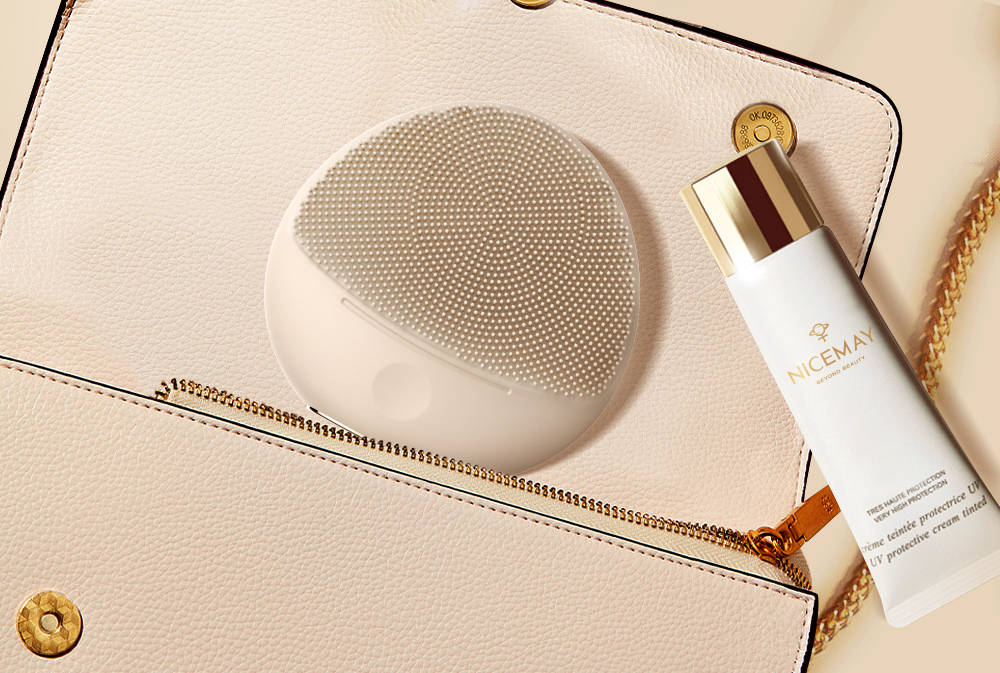
What is a silicone facial cleansing brush?
A silicone facial cleansing brush is a skincare tool featuring soft, flexible silicone bristles (sometimes called “nodules” or “touch-points”) designed to dislodge makeup residue, excess sebum, and dead skin cells more effectively than hands alone.
They come in two main formats:
- Manual brushes — handheld, no batteries, you provide the motion. More affordable and travel-friendly.
- Electric / sonic brushes — feature motors that create vibration or pulsation (typically 6,000–12,000 movements per minute), amplifying the cleansing action significantly.
Why silicone?
Unlike nylon bristles, silicone is non-porous — bacteria and mold cannot penetrate the material. A 2021 study in the Journal of Cosmetic Dermatology found silicone facial brushes harbor significantly fewer bacterial colonies than traditional bristle brushes after equivalent use, making them the safer long-term choice.
Silicone vs. bristle brushes: key differences
If you’ve ever wondered whether to upgrade from a standard bristle cleansing brush, here’s the data that actually matters:
| Feature | Silicone Brush | Bristle Brush |
|---|---|---|
| Bacteria resistance | Excellent — non-porous material | Poor — bristles trap moisture & bacteria |
| Gentleness on skin | High — flexible, low friction | Medium — can cause micro-tears |
| Suitable for sensitive skin | Yes | Generally not |
| Exfoliation strength | Mild to moderate | Moderate to strong |
| Longevity | 12–24 months | 3–6 months (bristles degrade) |
| Ease of cleaning | Very easy — rinse & go | Medium — requires soaking |
| Price range | $10–$80 | $8–$250 |
“Silicone cleansing brushes are a meaningful upgrade for most patients — particularly those with acne-prone or sensitive skin. The non-porous surface eliminates the bacterial reservoir that traditional bristle heads create.”
— Board-certified dermatologist perspective (composite, representative of clinical consensus)
Which brush suits your skin type?
The most important purchase decision is matching brush firmness and motor speed to your skin’s needs. Here’s a breakdown:
Oily / Combination
Choose firmer bristle density or a sonic brush at medium-to-high speed. Focus on the T-zone; use lighter pressure on the cheeks.
Normal
Most brushes work well. A dual-texture design (soft + medium zones) gives versatility for different areas of the face.
Dry / Dehydrated
Select ultra-soft, thin bristles. Avoid models with strong vibration modes — gentle circular motion with warm water is enough.
Sensitive / Reactive
Look for brushes with medical-grade silicone and a low-power mode. Avoid use on active breakouts, rosacea flares, or broken skin.
Acne-prone
Silicone is better than bristle brushes here. Non-porous = won't spread bacteria. Use a salicylic acid cleanser for best results.
Avoid if:Do not use a cleansing brush on active cystic acne, open wounds, severe rosacea, sunburned skin, or immediately after chemical peels or laser treatments. Always consult your dermatologist if unsure.
How to use a silicone cleansing brush (step by step)
Technique matters as much as the tool. Follow this method to cleanse effectively without compromising your skin barrier:
Start with a gentle, pH-balanced cleanser
Avoid cleansers with physical exfoliant particles (gritty scrubs) — doubling up exfoliation with the brush is too aggressive. A foaming or gel cleanser works best. Avoid anything with alcohol as the first few ingredients.
Wet your face and the brush with lukewarm water
Hot water strips the skin barrier; cold water limits cleanser efficacy. Lukewarm is the sweet spot. Wetting the brush first reduces friction.
Apply cleanser to the brush, not just your face
Loading the brush creates a gentler lather that distributes evenly across the skin. Pump-dispenser cleansers make this easy.
Use gentle circular motions — let the brush do the work
Move systematically: forehead → nose → chin → cheeks. Spend about 20 seconds per zone. Keep pressure light — no need to press hard. If you’re using a sonic brush, the vibration itself does the lifting.
Rinse thoroughly with cool water
Cool water helps close pores after cleansing. Make sure no cleanser residue remains — leftover surfactants can irritate skin.
Pat dry and continue your routine immediately
Apply toner or serum within 60 seconds while skin is still slightly damp to maximize absorption. Freshly cleansed skin with open pores absorbs actives more efficiently.
Clean and store your brush properly
Rinse the brush head under warm running water after every use. Use mild soap or isopropyl alcohol (70%) for a deeper clean 1–2 times per week. Allow to air-dry completely before storing — trapped moisture encourages mold even on silicone. Replace every 3–6 months.
Do silicone brushes help with blackheads?
This is the question we get most often — and the answer is nuanced. Silicone cleansing brushes are a strong preventive tool against blackheads, but they’re not a standalone treatment for existing, stubborn ones.
Here’s how they help:
- Daily pore maintenance: Regular use prevents the build-up of sebum, dead skin cells, and environmental debris that forms blackhead plugs (comedones) in the first place.
- Enhanced cleanser penetration: The brush helps your cleanser reach deeper into the follicle opening than fingers alone — particularly important for nose and chin areas.
- Prep for other treatments: Using the brush before applying a niacinamide or BHA serum improves absorption, making those active ingredients more effective at targeting existing blackheads.
Pro tip: The blackhead-fighting stack
For maximum results, pair your silicone brush with a salicylic acid (BHA) cleanser 2–3 times per week, followed by a niacinamide serum. BHA dissolves the oil plug from inside the pore; the brush clears the surface; niacinamide regulates sebum production. This three-step approach is supported by multiple clinical studies.
How often should you use a silicone cleansing brush?
Oily / Normal Skin
Once daily, typically in your evening routine to clear the day's sebum, SPF, and pollutants.
Dry Skin
Alternate days or 3× per week. Always follow with a rich moisturizer and facial oil to replenish the barrier.
Sensitive Skin
2× per week maximum, with the lowest vibration setting. Monitor for any redness or tightness — signs of over-exfoliation.
Signs you’re overdoing it: persistent redness, tight/flaky texture, skin feeling “squeaky clean” (a sign of compromised barrier), increased breakouts, or sensitivity to products that previously caused no reaction. If any of these appear, take a 1–2 week break and rebuild slowly.
Best cleansers to pair with your silicone brush
Your cleanser choice amplifies or undermines the brush’s benefits. Here’s what works best with each skin concern:
Salicylic Acid (BHA) — 0.5–2%
Best for: oily, acne-prone, blackhead-prone skin. Oil-soluble; penetrates into pores to dissolve sebum plugs. Use 2–3× per week.
Centella Asiatica (Cica) Cleanser
Best for: sensitive, irritated, or post-procedure skin. Anti-inflammatory. Calms redness while cleansing gently.
Hyaluronic Acid Gel Cleanser
Best for: dry and dehydrated skin. Cleanses without stripping. Look for HA in the top 5 ingredients for real benefit.
Gluconolactone (PHA) Cleanser
Best for: dry-sensitive skin that still needs exfoliation. PHAs are larger molecules — gentler than AHAs. Excellent with silicone brushes.
Avoid these combinations:
Do not use a silicone brush with cleansers containing physical scrub particles (walnut shells, sugar, salt), high-concentration AHAs (glycolic acid >5%), or benzoyl peroxide >2.5% — the mechanical exfoliation of the brush compounds these ingredients and increases the risk of barrier damage and irritation.
Frequently asked questions About Silicone Facial Cleansing Brushes
Can I use a silicone facial cleansing brush every day?
It depends on your skin type. Normal and oily skin types can typically tolerate daily use without issue — regular cleansing helps regulate sebum and keep pores clear. Dry or sensitive skin types should limit use to 2–3 times per week to avoid disrupting the skin barrier. If you notice persistent redness, flakiness, or tight skin, reduce frequency and increase hydration in your routine.
Are silicone facial cleansing brushes better than traditional bristle brushes?
Can a silicone cleansing brush remove blackheads?
How often should I clean my silicone cleansing brush?
Can I use a silicone cleansing brush with retinol or AHA products?
Is medical-grade silicone worth it?
Facial Cleansing Brush vs. Washcloth: Does It Really Matter for Aging Skin?
Silicone facial cleansing brushes are one of the few skincare tools with a strong scientific rationale behind them. They clean more effectively than hands, harbor fewer bacteria than bristle alternatives, and — when used correctly — support rather than compromise your skin barrier.
The key variables are: choosing the right firmness for your skin type, pairing with the right cleanser, and respecting the usage frequency your skin actually needs. Start slow (2–3 times per week for most people), observe how your skin responds over 4 weeks, and adjust from there.
If you’re ready to find the right brush for your routine, explore our full range at NiceMayBeauty — every brush is tested and categorized by skin type to make the choice easy.
Please fill in your email in the form and we’ll get back to assist you soon!