


Are Beauty Devices Safe for Rosacea-Prone Skin?

No, not all beauty devices are safe for rosacea-prone skin—many heating or intense light-based tools can trigger flares—but gentle red and near-infrared LED therapy devices are often safe and beneficial, helping reduce inflammation and redness when used properly under dermatologist guidance.
Rosacea affects millions with persistent redness, flushing, and sensitivity, often worsened by heat, light, or irritation. In 2026, select at-home beauty devices provide soothing, non-invasive support alongside medical treatments. This article examines which ones are safe for rosacea-prone skin, their benefits, risks, and expert-recommended options.

Understanding Rosacea and Beauty Devices
Rosacea is a chronic inflammatory skin condition primarily affecting the central face, characterized by episodes of flushing, persistent redness (erythema), visible blood vessels (telangiectasia), and in some cases, papules, pustules, or thickened skin (phymatous changes). It often stems from a combination of genetic predisposition, immune system dysregulation, vascular abnormalities, and environmental triggers such as sun exposure, spicy foods, alcohol, stress, or temperature changes, leading to heightened skin sensitivity and barrier dysfunction. This condition impacts quality of life, causing discomfort, self-consciousness, and potential complications like ocular rosacea if untreated. Beauty devices, when chosen carefully, can complement topical or oral therapies by targeting inflammation at a cellular level without invasive procedures.
Common Triggers from Beauty Devices for Rosacea
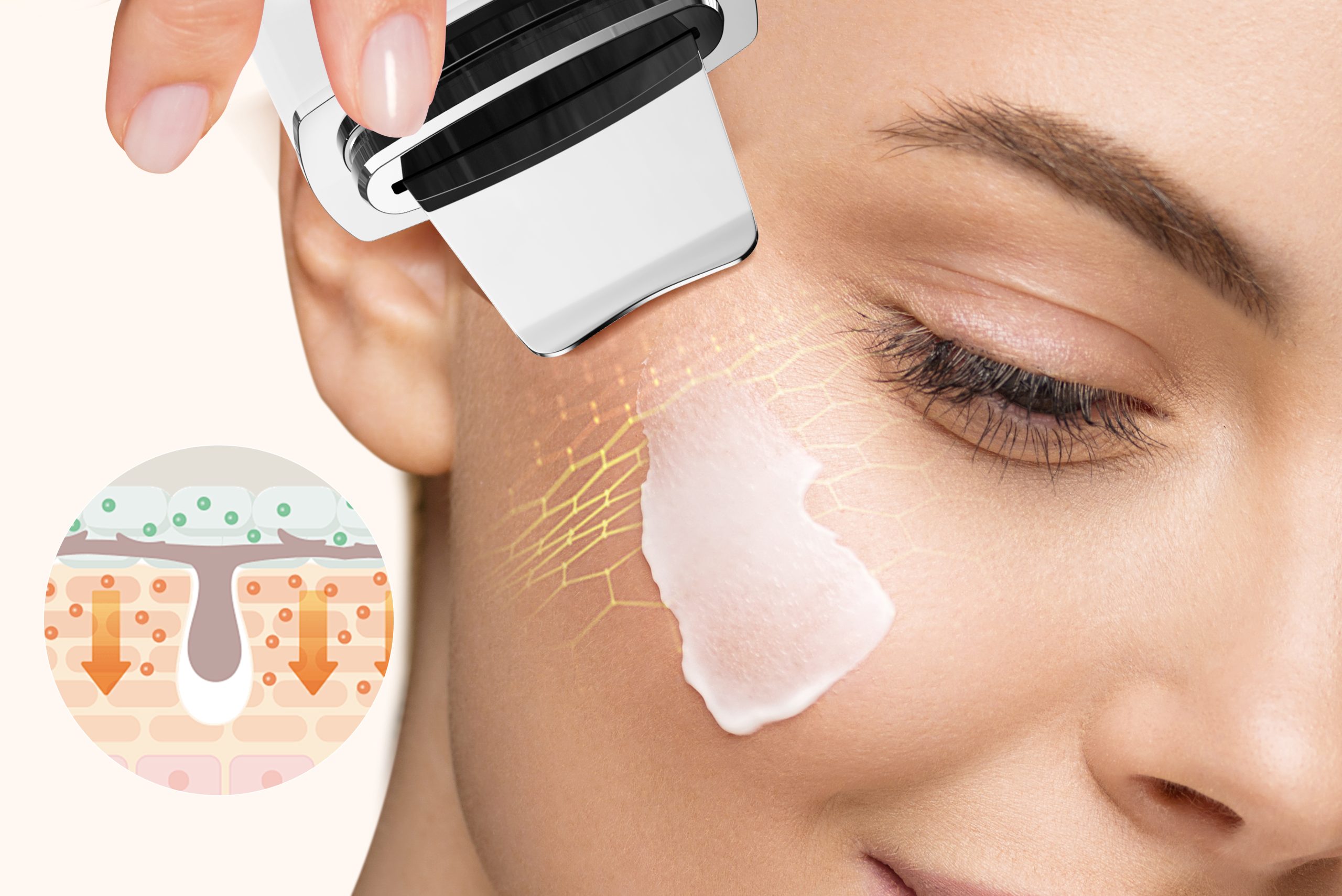
Beauty devices can inadvertently exacerbate rosacea symptoms if they involve elements that dilate blood vessels or irritate the skin. For example, heat-based technologies like radiofrequency (RF) or ultrasonic devices can increase skin temperature, promoting vasodilation and leading to intensified flushing or prolonged redness, which may persist for hours or days.
Intense light therapies, such as IPL or certain lasers, emit broad-spectrum light that can overheat the skin, causing burns, blisters, or post-inflammatory hyperpigmentation, especially in fair or sensitive skin types prone to rosacea. Mechanical actions, like vigorous microdermabrasion or high-frequency vibrations, may disrupt the fragile skin barrier, resulting in increased irritation, dryness, or even secondary infections. Even seemingly mild devices can trigger flares if not calibrated for reactive skin, highlighting the need for patch testing and professional oversight.
How Beauty Devices Can Safely Support Rosacea-Prone Skin?

Types of Beauty Devices for Rosacea-Prone Skin
Prioritize non-heating, gentle technologies; avoid anything with significant warmth or abrasion. The following details safe options, their mechanisms, and evidence-based considerations for rosacea-prone users.
LED Light Therapy Devices Safe for Rosacea
LED light therapy utilizes specific wavelengths to address rosacea without UV exposure or thermal damage. Red light stimulates mitochondrial function to boost ATP production, which in turn reduces oxidative stress and inflammation, leading to diminished redness and fewer flares. Near-infrared complements this by penetrating deeper to improve microcirculation and heal damaged vessels. For papulopustular rosacea, a touch of blue light (415-490nm) can target Demodex mites and bacteria, but it should be limited to prevent dryness. Devices like masks or wands are user-friendly, with sessions typically 10-20 minutes, and studies show up to 50% reduction in symptoms after consistent use over 4-8 weeks, making them a staple for mild to moderate cases.
Microcurrent devices deliver ultra-low electrical currents (under 500 microamps) to mimic the body’s bioelectric signals, enhancing cellular repair, lymphatic drainage, and muscle toning without pain or heat. For rosacea, they may help by improving barrier integrity and reducing puffiness around inflamed areas, but evidence is mixed—some users report soothing effects, while others experience transient redness during active phases. FDA-cleared options are generally safe for sensitive skin, but start at the lowest setting (e.g., 100 microamps) and use with conductive gels to minimize irritation; avoid if skin is acutely inflamed, as it could subtly increase circulation and trigger flushing.
Devices to Avoid for Rosacea-Prone Skin
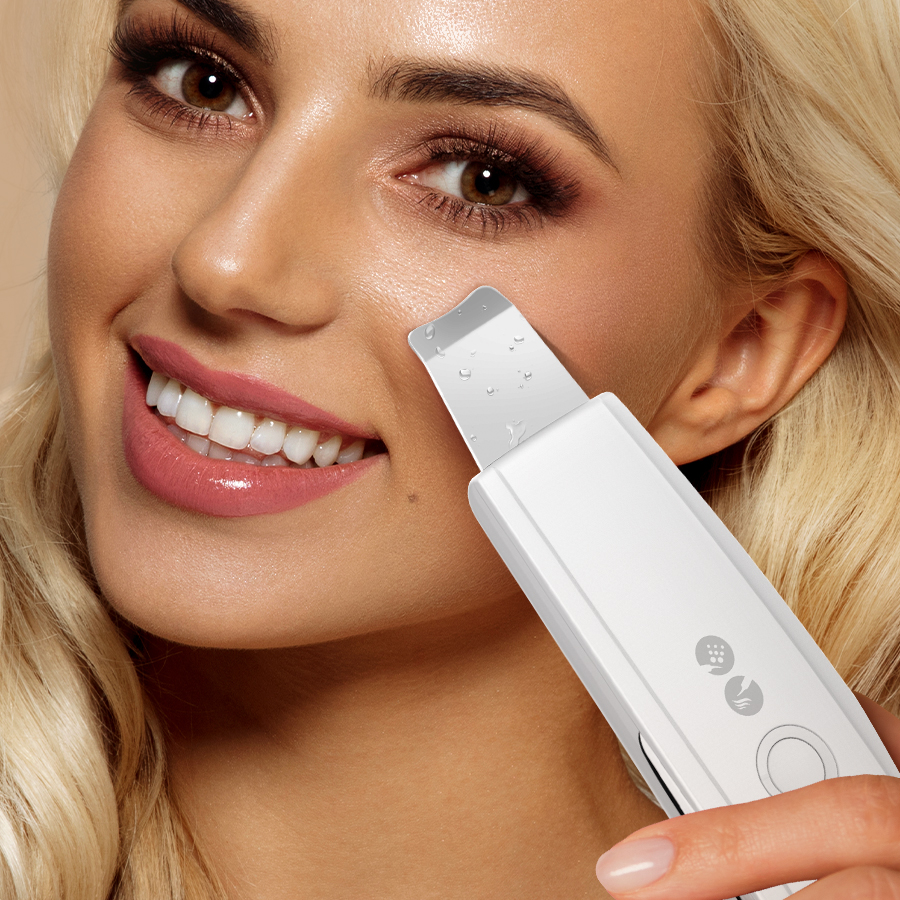
Certain devices pose significant risks for rosacea due to their mechanisms. Radiofrequency (RF) and microneedling RF heat the dermis to stimulate collagen but can cause burns, scarring, or exacerbated flushing by dilating vessels. IPL and lasers, while effective in professional settings for vascular rosacea, risk pigmentation changes, blisters, or long-term hypersensitivity at home, particularly on darker tones. High-frequency or ultrasonic tools may vibrate or warm the skin, leading to irritation or barrier compromise—FDA advisories emphasize avoiding non-professional use for reactive conditions like rosacea to prevent adverse events.
| Device Type | Safety for Rosacea | Key Benefits | Potential Risks | Recommended Usage |
|---|---|---|---|---|
| LED Light Therapy (Red/NIR) | Generally Safe | Reduces inflammation, calms redness, improves barrier | Minimal; rare dryness from blue light | 10-20 min, 3-5x/week |
| Microcurrent | Conditionally Safe (Low Intensity) | Enhances repair, reduces puffiness | Transient redness or tingling during flares | 5-10 min, 2-3x/week, low settings |
| RF/IPL/Laser | Not Safe | None for at-home use | Burns, scarring, flares, pigmentation changes | Avoid; professional only |
| Ultrasonic/High-Frequency | Not Safe | None | Irritation, vasodilation, barrier disruption | Avoid entirely |
Benefits of Safe Beauty Devices for Rosacea-Prone Skin
Safe devices like LED therapy offer multifaceted benefits for rosacea management. They alleviate chronic erythema by downregulating inflammatory pathways, resulting in visibly calmer skin and fewer visible vessels over time. Users often experience enhanced hydration and texture, as red light promotes ceramide production and collagen synthesis, countering the dryness common in rosacea. Long-term, consistent application can reduce flare frequency and severity, complementing prescription treatments and improving overall skin resilience—clinical trials report patient satisfaction rates over 70% with minimal downtime. These tools empower daily self-care, potentially decreasing reliance on medications while fostering a proactive approach to symptom control.
For overlapping sensitivity issues, read “ Are Beauty Devices Safe for Sensitive Skin? “ for additional guidance.
Potential Risks of Beauty Devices on Rosacea-Prone Skin
Even vetted devices carry risks if misused. LED therapy might induce mild flushing from increased blood flow, though rare, or dryness if blue light is overused on already compromised barriers. Microcurrent could cause subtle tingling or erythema in hypersensitive skin, potentially escalating to a full flare during stress or hormonal shifts. Poor-quality devices may emit inconsistent wavelengths, leading to ineffective treatment or unintended heat buildup, while overuse (beyond recommended sessions) risks cumulative irritation or photosensitivity. In rare cases, pigmentation alterations or allergic reactions to conductive gels occur—always discontinue at signs of worsening and seek medical advice.
Certain conditions amplify risks—explore “ Which Skin Conditions Should Avoid Beauty Devices? “ to stay informed.
Best Practices for Using Beauty Devices on Rosacea-Prone Skin
To ensure safety and efficacy, begin by consulting a dermatologist to assess your rosacea subtype and rule out contraindications like active infections or recent procedures. Opt for FDA-cleared devices with adjustable intensities, starting at the lowest level to gauge tolerance. Perform a patch test on a small area like the jawline for 5 minutes, observing for 24 hours. Use on clean, product-free skin during calm periods, avoiding flares when skin is already reactive. Incorporate soothing post-treatment care, such as fragrance-free moisturizers with ceramides or anti-inflammatory ingredients like azelaic acid. Limit sessions to 2-3 times weekly initially, gradually increasing if tolerated, and track symptoms in a journal. Maintain device hygiene to prevent bacterial contamination, and combine with sun protection, as rosacea skin is photosensitive.
Top Beauty Devices for Rosacea-Prone Skin in 2026
Recommended gentle options include:
- Omnilux Contour Face: A flexible, medical-grade LED mask delivering red and near-infrared light to soothe inflammation and reduce rosacea-associated redness, with clinical backing for safe home use and noticeable improvements in erythema after 4 weeks.
- CurrentBody Skin LED Mask: Hands-free device combining red and near-infrared wavelengths to calm persistent flushing and strengthen the skin barrier, ideal for sensitive rosacea types with minimal risk of irritation.
- Dermalux Flex MD: Professional-level at-home system with customizable LED panels targeting rosacea inflammation and vascular issues, supported by studies showing reduced lesion counts without adverse effects.
- Solawave Red Light Mask: Portable mask integrating gentle red light therapy for anti-inflammatory benefits, designed for reactive skin to minimize flares while promoting healing and even tone.
- RosaLight Mask: Specialized multi-wavelength LED mask tailored for rosacea, addressing Demodex and redness with blue/red combinations, offering safe, evidence-based relief for daily integration.
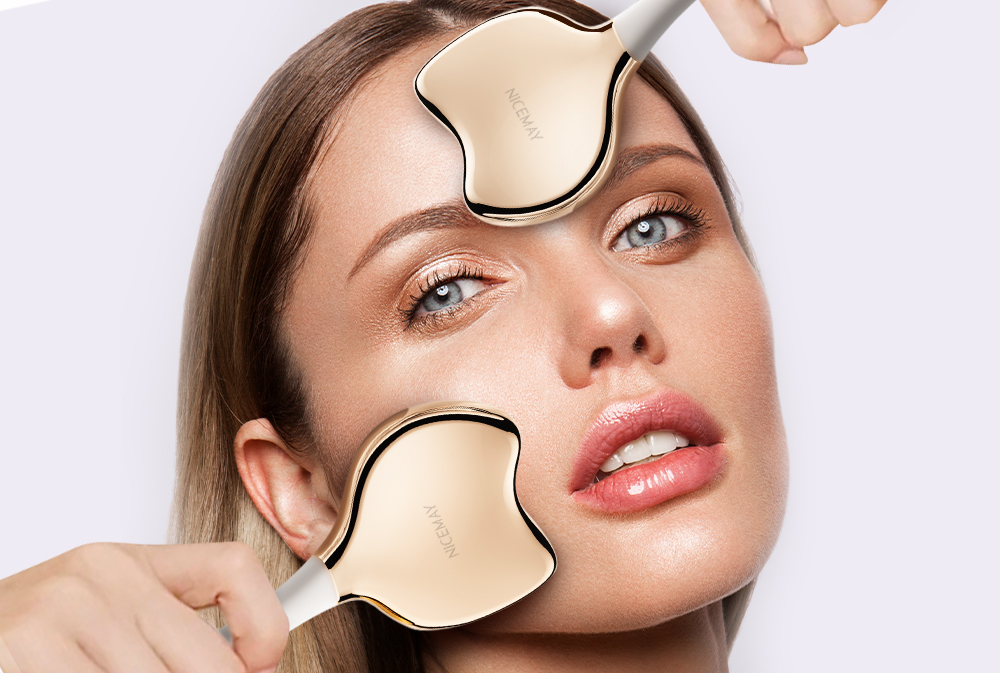
- NICEMAY Calming & Repair LED Shield: A breakthrough in neuro-sensitive skin tech, this device features a dedicated “Rosacea-Soothe” mode. It precisely calibrates 633nm red light and 830nm near-infrared light with a low-intensity, non-thermal delivery system specifically designed to avoid heat-induced flushing. Clinical trials on sensitive profiles show a significant reduction in transepidermal water loss (TEWL) and immediate relief from burning sensations, making it a premium choice for strengthening compromised skin barriers in 2026.
Emerging AI-guided low-intensity devices prioritize safety for reactive skin.


FAQs About Beauty Devices Safe for Rosacea-Prone Skin
How can I integrate safe beauty devices into my existing rosacea treatment plan?
Safe devices like LED masks can be layered after topical applications, such as applying your prescribed cream first, then using the device to enhance absorption. Coordinate with oral therapies by spacing sessions to avoid overload, and monitor how they interact—many find devices amplify medication efficacy, but adjust based on dermatologist feedback for a synergistic routine.
What role do wavelengths play in choosing an LED device for rosacea?
Wavelengths determine penetration and effects: red (630-660nm) targets surface inflammation for quick calming, while near-infrared (830nm+) reaches deeper vessels for long-term vascular stability. Select devices with proven spectra to match your subtype—erythematotelangiectatic benefits from red, while ocular types may need broader coverage.
Are there any dietary or lifestyle factors that enhance the safety of beauty devices for rosacea?
Yes, avoiding alcohol, spicy foods, and extreme temperatures during device use minimizes flare risks, as these amplify vascular reactivity. Pairing with an anti-inflammatory diet rich in omega-3s can boost device outcomes by reducing baseline inflammation, creating a holistic approach.
How do safe beauty devices compare to professional treatments for rosacea?
At-home devices offer convenient maintenance between clinic visits, providing milder but cumulative anti-inflammatory effects compared to intense professional lasers. They’re cost-effective for mild cases but less potent for severe vascular issues—use as adjuncts, not replacements, for comprehensive care.
What signs indicate a beauty device is worsening my rosacea, and what to do next?
Increased persistent flushing, new pustules, or stinging beyond 30 minutes post-use signal incompatibility—stop immediately, apply a cool compress, and consult your dermatologist. Document usage details to identify patterns, and consider switching to vetted alternatives for better tolerance.
Conclusion: Navigating Beauty Devices Safely with Rosacea-Prone Skin
Select beauty devices, particularly non-thermal LED therapy, can be safe and supportive for rosacea-prone skin when chosen carefully and used mindfully. Prioritize professional advice, gentle technologies, and trigger avoidance for calmer, healthier skin.
Please fill in your email in the form and we’ll get back to assist you soon!