


Are There Side Effects of Using an LED Face Mask? (2026 Safety Guide)

Many people use their LED face mask nightly for faster anti-aging or clearer skin—but wonder: “Could it damage my skin over time or cause acne?” LED face masks have minimal side effects for most users when FDA-cleared and used correctly—most experience no issues at all, while occasional mild dryness, redness, or eye strain can occur. Serious or permanent side effects are extremely rare, according to 2023–2025 clinical studies and board-certified dermatologist consensus.
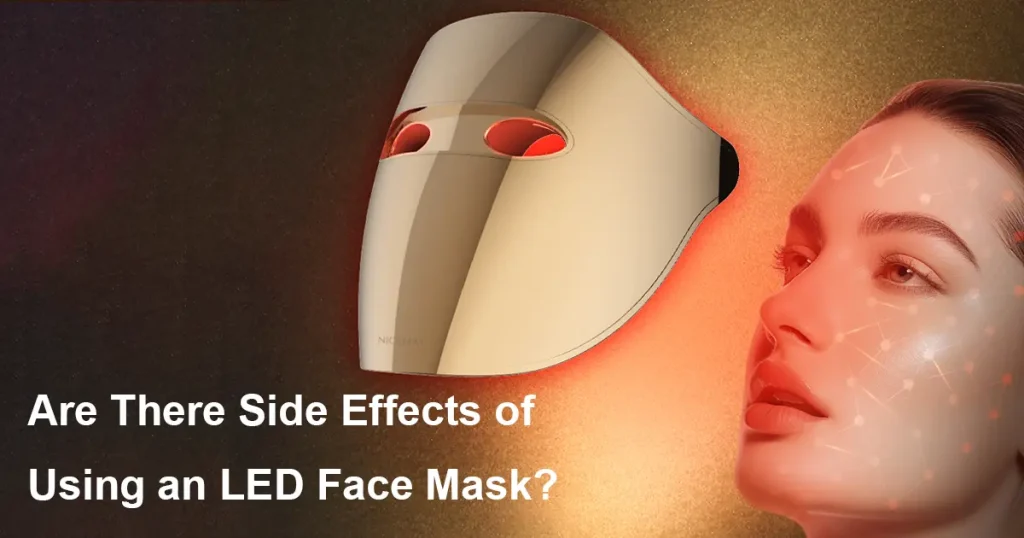
Quick Answer: Do LED Face Masks Have Side Effects?
LED face masks are considered very safe with an excellent safety profile. When FDA-cleared and used as directed:
- Most people experience no side effects
- Mild, temporary dryness or redness may occur (especially with overuse)
- Serious side effects are extremely rare
- Clinical studies from 2023–2025 consistently report low adverse event rates
FDA-cleared means the device has been evaluated for safety and efficacy through the 510(k) process (deemed substantially equivalent to existing devices), while FDA-approved requires full clinical trials—most at-home LED masks are FDA-cleared for consumer use.
Understanding LED Face Masks and Their Safety Record
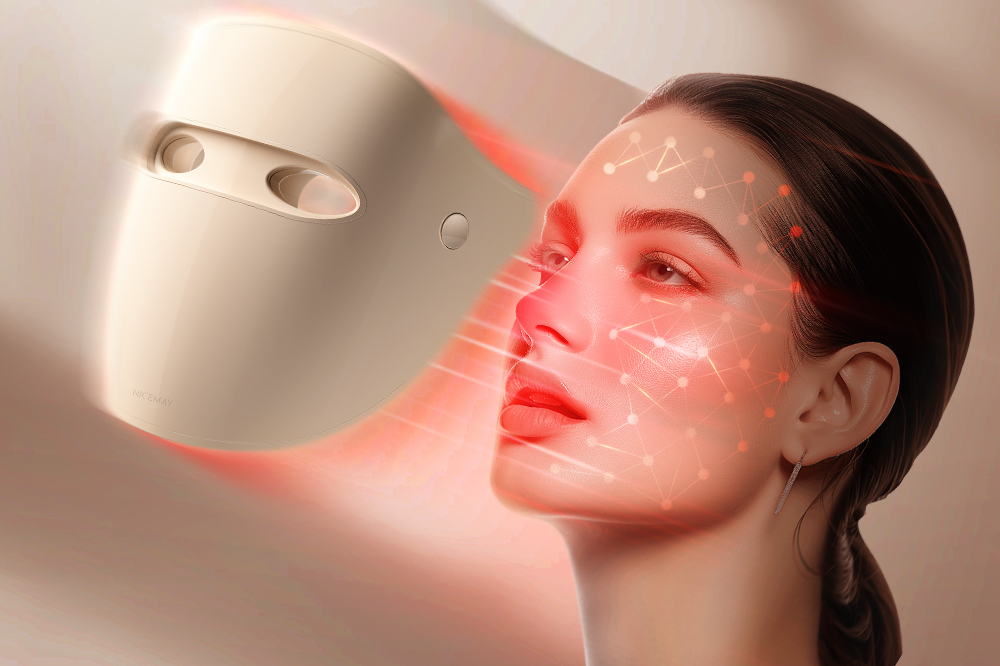
LED face masks use UV-free, non-thermal light to trigger photobiomodulation—boosting cellular energy (ATP production) to support collagen, reduce inflammation, and clear acne. These skincare devices are FDA-cleared for over-the-counter home use, meaning they pose low risk when guidelines are followed.
No—LED face masks do not cause permanent skin damage or worsen acne when used properly. Multiple dermatology reviews consistently describe LED photobiomodulation as having an excellent safety record. A 2025 multi-center study on home red + near-infrared masks reported only 6.67% minor adverse events (mostly dry skin) and no serious issues (Park et al., Medicine (Baltimore)). Another 2025 trial using blue/red light for acne found no serious side effects over seven weeks (Ablon, Journal of Clinical and Aesthetic Dermatology). Data sources: PubMed, PMC, dermatology journals/meta-analyses (2023–2025).

Common Side Effects of Using an LED Face Mask
Most users report no problems, but the following mild, temporary effects can occur:
- Temporary dryness or tightness – often from overuse or skipping post-treatment hydration
- Mild redness or irritation – more common in sensitive skin or with high-intensity sessions
- Eye strain or discomfort – if eye protection is not used during treatment
These typically resolve within hours after moisturizing or reducing frequency.
Rare or Emerging Side Effects to Be Aware Of
- Potential hyperpigmentation in darker skin tones — some emerging laboratory research suggests high-intensity blue light may influence melanogenesis (melanin production). However, at-home LED masks operate at significantly lower intensities than professional or environmental sources, and clinical trials have not reported widespread pigmentation changes.
- Headaches or fatigue — very rare, usually linked to bright light exposure in light-sensitive individuals.
While most studies cover 4–12 weeks of use, no serious long-term safety concerns have been identified in dermatology literature to date.
Who Might Be More Prone to Side Effects? Factors That Increase Sensitivity
While LED face masks are safe for the vast majority of users, certain skin types, conditions, or situations can make mild side effects (like dryness or redness) more noticeable or likely. Understanding these factors helps you use the device more safely and decide if extra precautions are needed.
- Sensitive or reactive skin — thinner barrier, higher chance of temporary redness or tightness; gradual introduction and heavy post-treatment hydration usually solve this (for tailored advice, see ” Can You Use an LED Mask for Face If You Have Sensitive Skin? “)
- Photosensitive conditions (e.g., lupus, porphyria, or certain medications like tetracycline, isotretinoin, or some diuretics) — increased risk of irritation or photosensitivity reaction
- Recent aggressive treatments (chemical peels, laser resurfacing, micro-needling) — skin may be more vulnerable to even gentle light stimulation
- Darker skin tones (Fitzpatrick IV–VI) — theoretical concern for blue-light-induced hyperpigmentation from excessive use, although home-device intensities are low and clinical reports remain rare
- Eye conditions or light sensitivity — higher chance of strain or discomfort without proper eye protection
If any of these apply to you, it’s wise to consult a board-certified dermatologist before starting regular sessions. For a complete list of people who should avoid or strictly limit use, refer to ” Who Should Avoid Using an LED Mask for Face? “.
LED Face Mask Side Effects: Quick Safety Summary
| Dryness / Tightness | Most common (mild) | Overuse, no moisturizer after | Hydrate with hyaluronic acid or ceramide cream post-session | Park et al. (2025); Ablon (2025) |
| Redness / Irritation | Occasional | Sensitive skin, high intensity | Start 2–3×/week, patch test | Mayo Clinic (2024); AAD |
| Eye Strain / Discomfort | Occasional | No eye protection | Use built-in shields or blackout goggles | FDA guidelines; dermatology reviews |
| Hyperpigmentation (darker tones) | Emerging / Rare | Excessive blue light | Limit blue mode duration, daily SPF | Emerging lab research (melanogenesis); clinical trials show low risk |
| Headaches / Fatigue | Very rare | Prolonged bright exposure | Shorter sessions, eye protection | Systematic reviews (2023–2025) |
Data sources: Journal of Clinical and Aesthetic Dermatology, PMC, meta-analyses (2023–2025).
How to Minimize Side Effects When Using an LED Face Mask
- Choose FDA-cleared devices only
- Limit sessions to 10–20 minutes
- Cleanse skin before use
- Always wear eye protection (built-in shields or goggles)
- Moisturize immediately after with hydrating ingredients (hyaluronic acid, ceramides)
- Start with 2–3 sessions per week and increase gradually
- Monitor skin reaction and stop if irritation persists
Eye Safety Tip: Even if your mask has built-in silicone shields, keep your eyes closed during the session or wear additional blackout goggles—especially when using Blue Light mode.
FAQ: LED Face Mask Side Effects
Can LED face mask cause permanent skin damage over time?
No—almost all reported side effects are temporary and not permanent. Most symptoms like redness or dryness resolve within hours after stopping treatment or applying moisturizer.
Can LED face mask cause acne?
No—blue light mode actually helps reduce acne by targeting bacteria; any temporary redness from overuse is not true acne flare-ups.
Is blue light from LED masks harmful?
Low risk at home-use intensities; emerging research on high-intensity blue light exists, but clinical trials show no widespread harm—use eye protection and limit duration.
What are LED mask side effects on sensitive skin?
Mild dryness or redness possible—start slow (2–3×/week) and hydrate well; most sensitive users tolerate well with proper care.
Are there long-term side effects of LED face masks?
No serious long-term concerns have been reported in dermatology literature to date; most data covers 4–12 weeks with excellent safety.
Final Verdict: Are LED Face Masks Safe?
Board-certified dermatologists and recent clinical studies agree: LED face masks are among the safest at-home skincare devices when you choose an FDA-cleared model, follow usage guidelines, and protect your eyes. Choosing a clinically tested, FDA-cleared LED face mask and following dermatologist-backed guidelines ensures both safety and results. If you have specific skin conditions or concerns, consult a board-certified dermatologist before starting.
Please fill in your email in the form and we’ll get back to assist you soon!