


Common Mistakes When Using a Face Cleansing Brush

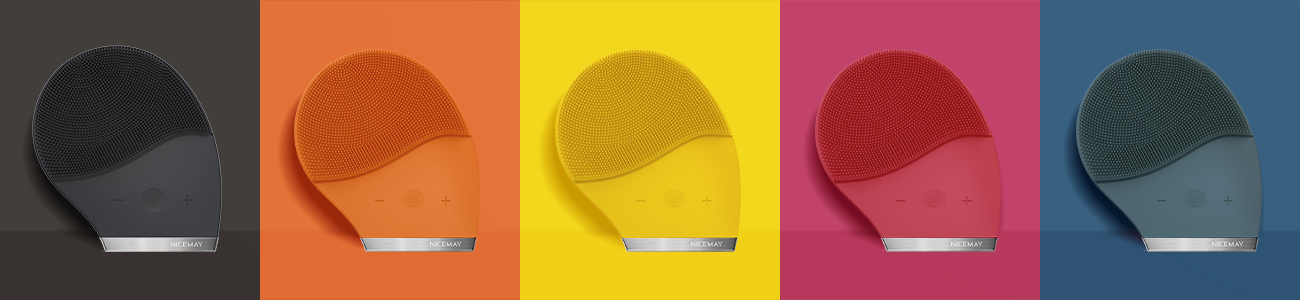
A face cleansing brush can be a powerful upgrade to your skincare routine—but only when used correctly. The most common mistakes, including applying too much pressure, over-exfoliating, and neglecting brush hygiene, can silently compromise your skin barrier and trigger breakouts long before you notice anything is wrong.
Below is a no-fluff breakdown of every major cleansing brush mistake, organized by category, so you can get the benefits without the damage.

Usage Mistakes That Damage Your Skin Barrier
1. Using the face cleaning brush too frequently
Why it’s a problem
Mechanical exfoliation with a brush removes not only dead skin cells but also the lipid-rich protective layer that locks moisture in and keeps irritants out. Strip it too often and you trigger a compromised skin barrier: redness, tightness, increased sensitivity, and even rebound oiliness as sebaceous glands overcompensate.
The fix
Start with once or twice per week. Oily or normal skin types can work up to three times a week if tolerance builds. Dry and sensitive skin types should rarely exceed twice weekly, even after adaptation.
2. Pressing the face cleaning Brush Into Your Skin
Why it’s a problem
The bristles do the work—your hand should not. Applying downward pressure forces bristle tips to act like micro-abrasives, creating micro-tears in the surface epidermis and over time dilating fine capillaries just below the skin. This is a leading cause of brush-related facial redness that people often mistake for sensitivity.
The fix
Hold the brush perpendicular to your face and allow its own weight, combined with gentle circular movement, to do the cleansing. If you feel scrubbing, you’re pressing too hard.
3. Lingering Too Long in One Area
Why it’s a problem
Even without excessive pressure, keeping a rotating brush head in one spot for more than a few seconds concentrates friction on already-stimulated tissue. The result is localized over-exfoliation—patchiness, flaking, and sensitivity that appears only in certain zones (often the cheeks or forehead).
The fix
Keep the brush moving in gentle, overlapping circles. Spend no more than 10 to 15 seconds on any single facial zone. Total cleansing time should not exceed 60 seconds for most brush types.
4. Using the Brush on Active Breakouts
Why it’s a problem
Inflamed acne lesions—papules, pustules, and nodules—house active bacteria. Running a cleansing brush over them physically transports Cutibacterium acnes (C. acnes) across the face, potentially converting a few localized spots into a widespread flare-up. The friction also ruptures fragile pustule walls, deepening the infection into surrounding tissue.
The fix
Avoid the brush entirely when you have more than one or two inflamed spots. If you want to understand whether a brush is genuinely right for acne-prone skin, Are Facial Cleansing Brushes Worth It? Dermatologist Verdict offers a thorough clinical perspective on this debate.
5. Using the Brush Around the Eye Area
Why it’s a problem
Periorbital skin is roughly 40% thinner than the rest of the face. It has fewer sebaceous glands, almost no subcutaneous fat for cushioning, and constant movement stress from blinking. A standard cleansing brush—even a soft-bristle model—generates far more mechanical force than this tissue can safely absorb on a repeated basis.
The fix
Treat the eye area as a strict no-go zone. Stop at least 1.5 cm away from the orbital bone on all sides.
6. Using the Brush to Remove Makeup
Why it’s a problem
Foundation, sunscreen, and heavy skincare products create a viscous film that bristles are not designed to lift. Instead of removing this film, the rotating brush head pushes product deeper into follicles—defeating the purpose of cleansing and potentially causing congestion and milia.
The fix
Always perform a first-cleanse to remove makeup and SPF (a cleansing oil, micellar water, or balm works well), then use your cleansing brush during the second cleanse on an already-bare face.

Hygiene & Maintenance Mistakes with Face Cleansing Brushes
An unclean brush is often more harmful than no brush at all. The warm, damp bathroom environment is ideal for bacterial and fungal proliferation—exactly the conditions your brush head sits in between uses.
Not Cleaning the Brush Head After Every Use
Residual cleanser, dead skin cells, and sebum accumulate within the bristles after a single session. By the next day, this organic material is a growth medium for bacteria. Studies on cosmetic applicators consistently show significant microbial load after just 48 hours of inadequate cleaning. Rinse the brush head thoroughly under running water immediately after every use and allow it to air-dry upright or in a ventilated position—never face-down in a holder where moisture pools.
Skipping Weekly Deep Cleans and Replacement Schedule
Treat your cleansing brush head like a toothbrush—not a face cloth. The table below outlines the minimum maintenance your brush requires to remain safe.
| TASK | FREQUENCY | METHOD |
|---|---|---|
| Post-use rinse | After every use | Rinse under warm water for 20–30 seconds, gently working through bristles with fingers |
| Deep clean | Weekly | Lather a gentle, fragrance-free soap or antibacterial brush cleanser into the bristles; rinse thoroughly and air-dry |
| Sanitize brush head | Monthly | Soak in a diluted isopropyl alcohol solution (70%) for 60 seconds; rinse well and dry completely before reattaching |
| Replace brush head | Every 2–3 months | Bristle tips splay and degrade faster than visible wear suggests; replace on schedule regardless of appearance |
| Storage | Ongoing | Keep brush heads out of enclosed, humid containers; store in a dry, ventilated spot away from the toilet |
Sharing the Brush Head
Brush heads are personal-use items. Sharing transfers microorganisms—including the strains responsible for acne, cold sores, and fungal infections—directly between users. Each person in a household should have their own dedicated head, clearly marked if needed.


Product Pairing Mistakes That Amplify Skin Damage
The cleanser you choose to use with your brush is almost as important as how you use the brush itself. Certain formulas compound the mechanical exfoliation effect and push the skin barrier past its breaking point.
Pairing the Brush with Exfoliating Cleansers
Cleansers that contain physical exfoliants (walnut shell, sugar, apricot kernels) or chemical exfoliants at active concentrations (AHA/BHA leave-on serums sometimes mislabeled as cleansers) already deliver their own exfoliation layer. Adding a rotating brush on top results in a dual-exfoliation effect the skin is not equipped to manage. Redness, peeling, and persistent sensitivity are the predictable outcome.
✓ Best Pairing
Use a gentle, non-abrasive foaming or gel cleanser with no exfoliating acids or physical particles. Look for pH-balanced formulas in the 4.5–5.5 range. If you use chemical exfoliants (AHA/BHA serums), use them on separate evenings from your brush cleanse.
Using Harsh Sulfate Cleansers That Degrade Bristles
Sodium lauryl sulfate (SLS) at high concentrations degrades synthetic bristle fibers faster than standard use alone. Over weeks, this causes bristle tips to split and fray in ways that create additional micro-friction against the skin—a slow and invisible escalation of damage. Check your cleanser formula and opt for SLS-free options where possible.
Applying Topical Actives Immediately Before Brushing
Using retinol, prescription tretinoin, or high-concentration vitamin C the same evening you plan to use your brush dramatically increases irritation risk. These actives already accelerate cell turnover; layering mechanical exfoliation on top can cause acute sensitization, prolonged redness, and even chemical-like burns in thinner skin areas.

Skin-Type-Specific Mistakes When Choosing or Using a Cleansing Brush
A brush that works well for oily, resilient skin can be genuinely harmful for dry or sensitized skin. Mismatching the tool to the skin type is one of the most overlooked mistakes in this category.
Choosing the Wrong Brush Head for Your Skin Type
Not all bristle densities and stiffness levels are appropriate for all skin types. Standard or firm brush heads—typically marketed for deep cleansing—create significantly more friction than the skin of people with dry, sensitive, rosacea-prone, or compromised-barrier skin can tolerate. If you’re unsure whether a brush is appropriate for your complexion at all, Facial Cleansing Brush for Pore Minimizing & Deep Clean outlines how different brush technologies interact with specific skin types and pore concerns.
Oily / Combination
Standard or silicone brush heads used 2–3×/week. Focus on the T-zone; use lighter strokes on the cheeks.
Normal / Balanced
Most brush types work well. Start at 2×/week and adjust based on how skin responds over two to three weeks.
Dry / Dehydrated
Ultra-soft silicone only. Max 1×/week. Introduce slowly and monitor for tightness or increased flaking.
Sensitive / Rosacea
Consult a dermatologist before introducing any brush. Silicone pads at the lowest speed setting are the safest starting point.
Using a Dry Brush on Dry Skin
Running any cleansing brush over a dry, unmoisturized face multiplies friction by as much as three to four times compared to wet, lathered skin. This applies to any skin type but is especially damaging for already-dry complexions. Always wet the face thoroughly with lukewarm water and work up a light lather before the brush makes contact.
Ignoring the Signs That You Need to Stop
Persistent tightness after cleansing, increased baseline sensitivity, small dry patches that didn’t exist before, or frequent mild breakouts are all reliable signals that the brush is being overused or misused for your skin type. These signs are often dismissed as unrelated—don’t ignore them. Scale back frequency immediately and allow the skin barrier at least two to three weeks to recover before reintroducing the brush.
Best Practices for Safe, Effective Face Cleansing Brush Use
- Always double-cleanse: remove makeup first, then use the brush on a bare face
- Wet skin thoroughly and apply a gentle non-exfoliating cleanser before the brush touches your face
- Use light, gliding circular motions—zero downward pressure; 60 seconds max total
- Never use over active acne, open wounds, sunburned skin, or the eye area
- Do not combine with exfoliating cleansers or use on active retinoid/AHA evenings
- Rinse the brush head after every single use; deep-clean weekly
- Replace brush heads every 2–3 months, regardless of visible wear
- Match bristle firmness to your skin type; when in doubt, choose softer
- Follow cleansing with a hydrating toner or serum to replenish the skin barrier immediately after
FAQs About Common Mistakes When Using a Face Cleansing Brush
How often should I use a face cleansing brush?
Can I use a cleansing brush if I have acne?
Why is my skin getting worse after using a cleansing brush?
Can you use a cleansing brush every day?
For most people, no. Daily mechanical exfoliation outpaces the skin’s natural barrier repair cycle (roughly 28 days for a full cell turnover). Even oily skin types risk chronic inflammation and sensitivity with daily brush use. Two to three times per week is the practical upper limit for the majority of users.
How do I clean a face cleansing brush properly?


Please fill in your email in the form and we’ll get back to assist you soon!