


The Top 10 Beauty Devices for Skin Rejuvenation in 2026

In 2026, the home beauty device market has shifted toward clinical-grade tools capable of delivering measurable tissue-level change, provided you choose the right technology for your specific skin concerns. My decade of experience evaluating aesthetic equipment reveals that the true divide isn’t price, but the technical integrity of waveforms, LED penetration, and power output versus mere premium packaging. This guide cuts through marketing noise to provide an honest, evidence-based evaluation of the top 10 skin rejuvenation devices, helping you invest in technically sound solutions that deliver real results rather than overpriced, ineffective gadgets.
Looking for laser-specific technology? See our detailed breakdown: Top 10 Best At-Home Laser Skin Rejuvenation Devices of 2026 — covering non-fractional, fractional, and cold laser options with clinical evidence for each category.
Why Technology Specifications Matter More Than Brand Names?
Walk into any skincare forum in 2026, and you’ll find passionate debates about brand loyalty — NuFACE versus ZIIP, LED mask A versus LED mask B. What you’ll rarely find is a discussion of the actual parameters that determine whether a device produces clinical results or merely creates a placebo of expensive self-care. Let’s fix that.
1. Current Amplitude & Waveform (Microcurrent Devices)
Genuine microcurrent operates between 10–600 microamperes (μA), using a biphasic waveform that alternates polarity. This mimics the body’s own bioelectrical signals, which is why it produces cumulative ATP (adenosine triphosphate) synthesis — the cellular energy currency driving collagen and elastin production. Devices delivering direct current (monophasic) or currents above 1,000μA are not microcurrent — they’re TENS or galvanic devices, which produce muscular stimulation rather than cellular reprogramming. A common failure mode I see: users buying $40 “microcurrent” wands that deliver uncontrolled monophasic current, then reporting facial sagging after three months. This happens because strong uniphasic current fatigues motor nerve units without producing the ATP benefit. Always verify the waveform type before purchasing.
2. LED Wavelength Precision (Light Therapy Devices)
LED efficacy is entirely wavelength-dependent. Red light at 630–660nm activates fibroblasts in the upper dermis to stimulate collagen production — effective for fine lines and texture. Near-infrared light at 810–850nm penetrates 5–10mm deeper, reaching the reticular dermis and even subcutaneous tissue, making it the wavelength of choice for deep wrinkles, inflammation reduction, and wound healing acceleration. Blue light at 415–430nm targets porphyrins in Cutibacterium acnes bacteria, making it the clinical standard for acne management. The critical issue: many cheap LED masks emit broad-spectrum light without precise wavelength control, reducing irradiance at therapeutic frequencies. Energy density (measured in J/cm²) must reach 3–45 J/cm² per session to trigger meaningful photobiomodulation — anything below 3 J/cm² is subtherapeutic.
3. Radiofrequency Thermal Depth & Temperature Control
Radiofrequency (RF) devices work by delivering oscillating electromagnetic energy (typically 1–10 MHz) to heat dermal collagen fibers to 40–45°C. At this temperature range, existing collagen contracts (delivering immediate tightening) and fibroblasts are stimulated to produce new collagen over the following 3–6 months. Exceeding 47°C causes dermal damage, scarring, and fat loss in the subcutaneous layer. Professional RF systems include real-time thermal sensors. Quality at-home RF devices use auto-shutoff mechanisms and fixed energy delivery that prevents thermal injury. Always check whether your device specifies maximum skin surface temperature — if it doesn’t, that’s a red flag.
The Top 10 Best Beauty Devices for Skin Rejuvenation in 2026 — Ranked & Reviewed
Each device below has been evaluated on technology quality, clinical evidence, safety profile, ease of use, total cost of ownership, and realistic results timeline. The ranking reflects the balance of all these factors — not price, brand prestige, or marketing spend
1. Medicube Age-R Booster Pro
The Medicube Age-R Booster Pro earns the top spot in our 2026 ranking for one reason that no other device category addresses as directly: it dramatically amplifies the efficacy of your existing skincare routine. Using electroporation — pulsed electric fields that temporarily create aqueous channels (pores) in the lipid bilayer of skin cell membranes — it increases transdermal absorption of active ingredients by up to 20-fold compared to passive topical application, according to peer-reviewed electroporation research published in dermatology journals.
The mechanism is precise: the device delivers short, high-voltage pulses (microsecond to millisecond duration) that transiently disrupt membrane integrity without causing thermal damage. This creates a window — typically 30–60 seconds per treatment zone — where hyaluronic acid, peptides, vitamin C, and growth factors penetrate into the viable epidermis and superficial dermis rather than sitting on the stratum corneum.

Technologie
Electroporation + Microcurrent + LED
Am besten für
Serum absorption, glass skin, glow
Sitzungsdauer
5–10 mins
Ergebnistimeline
Visible in 2–4 weeks
Strengths
- Multiplies skincare investment dramatically
- Three technologies in one protocol
- Minimal technique learning curve
- Works with all skin tones
Einschränkungen
- Avoid with active retinol (electroporation + retinol can cause irritation)
- Requires compatible serums for max results
- Not ideal as a standalone anti-aging device
Compatibility Note: Do not use electroporation immediately after applying AHAs, BHAs, or retinol. Increased penetration of these acids can cause significant irritation. Use with hyaluronic acid, niacinamide, or peptide serums for best results.
2. ZIIP HALO 2.0
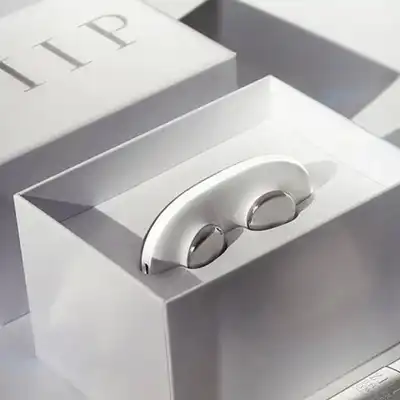
The ZIIP HALO 2.0 is one of the most technically sophisticated consumer devices on the market because it delivers nanocurrent — currents measured in billionths of an ampere (nA) — in addition to standard microcurrent (μA). Nanocurrent operates at the cellular level, below the threshold of neuromuscular stimulation, which means it produces zero muscle contraction sensation while directly influencing fibroblast activity and mitochondrial function. This dual-current approach is what differentiates ZIIP from most of its competitors: it trains the muscles (microcurrent) while simultaneously recharging cellular energy systems (nanocurrent).
The HALO 2.0 pairs with the ZIIP app, which delivers electrical “sequences” — pre-programmed waveform protocols designed by aestheticians for specific concerns: jawline definition, under-eye lifting, brow elevation, and nasolabial fold reduction. This isn’t gimmickry; varying the frequency, pulse width, and polarity of microcurrent across a session is how professional aestheticians tailor treatments, and ZIIP digitizes this expertise.
Unique Tech
Nanocurrent + Microcurrent dual-mode
App-Controlled
Yes — ZIIP app sequences
Am besten für
Jawline, fine lines, firming
Ergebnistimeline
4–8 weeks consistent use
A key consideration: the HALO 2.0 requires a conductive gel, and ZIIP sells its own formulations. Third-party gels with the right viscosity and conductivity work equally well — the device does not electronically lock you into proprietary products.
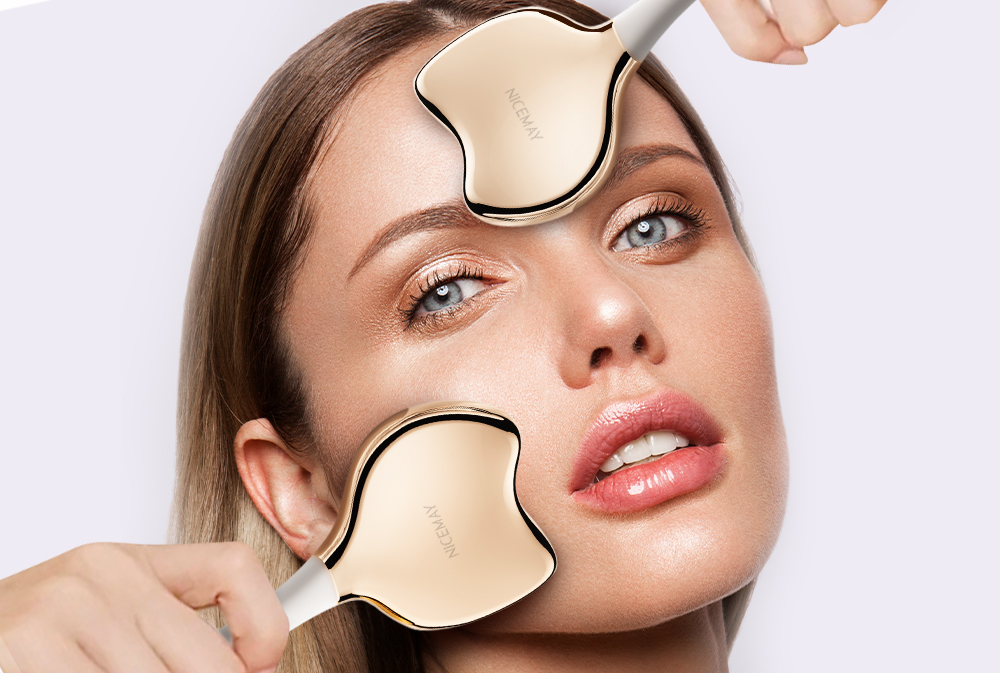
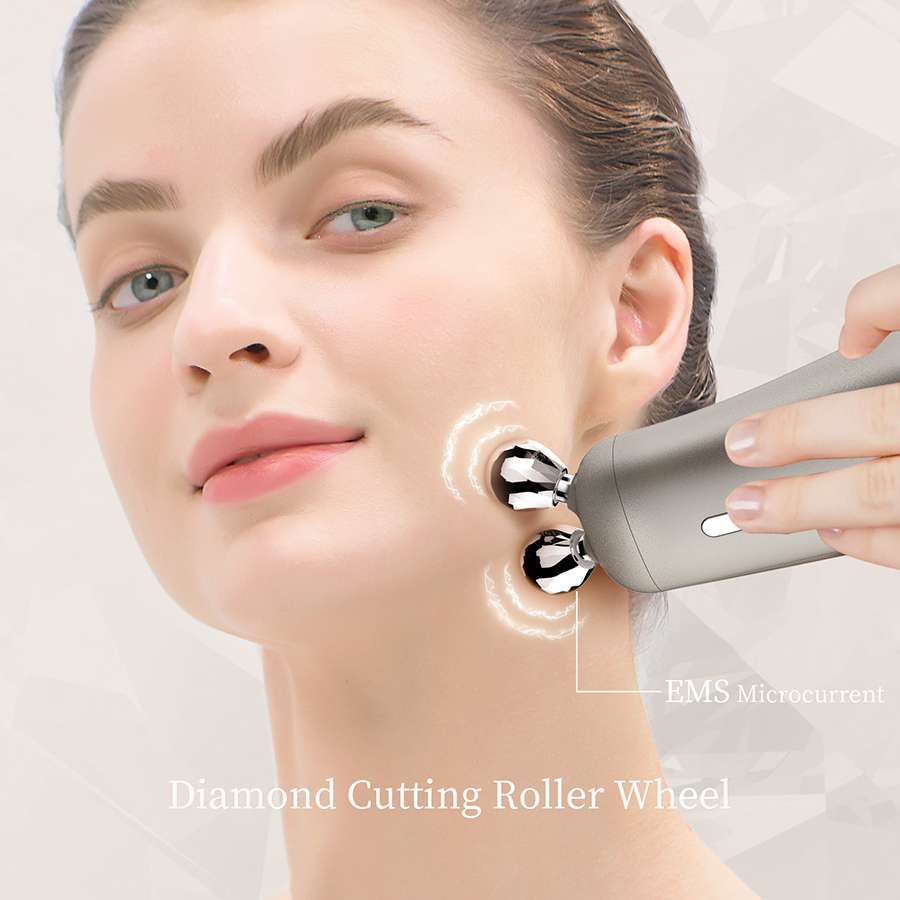
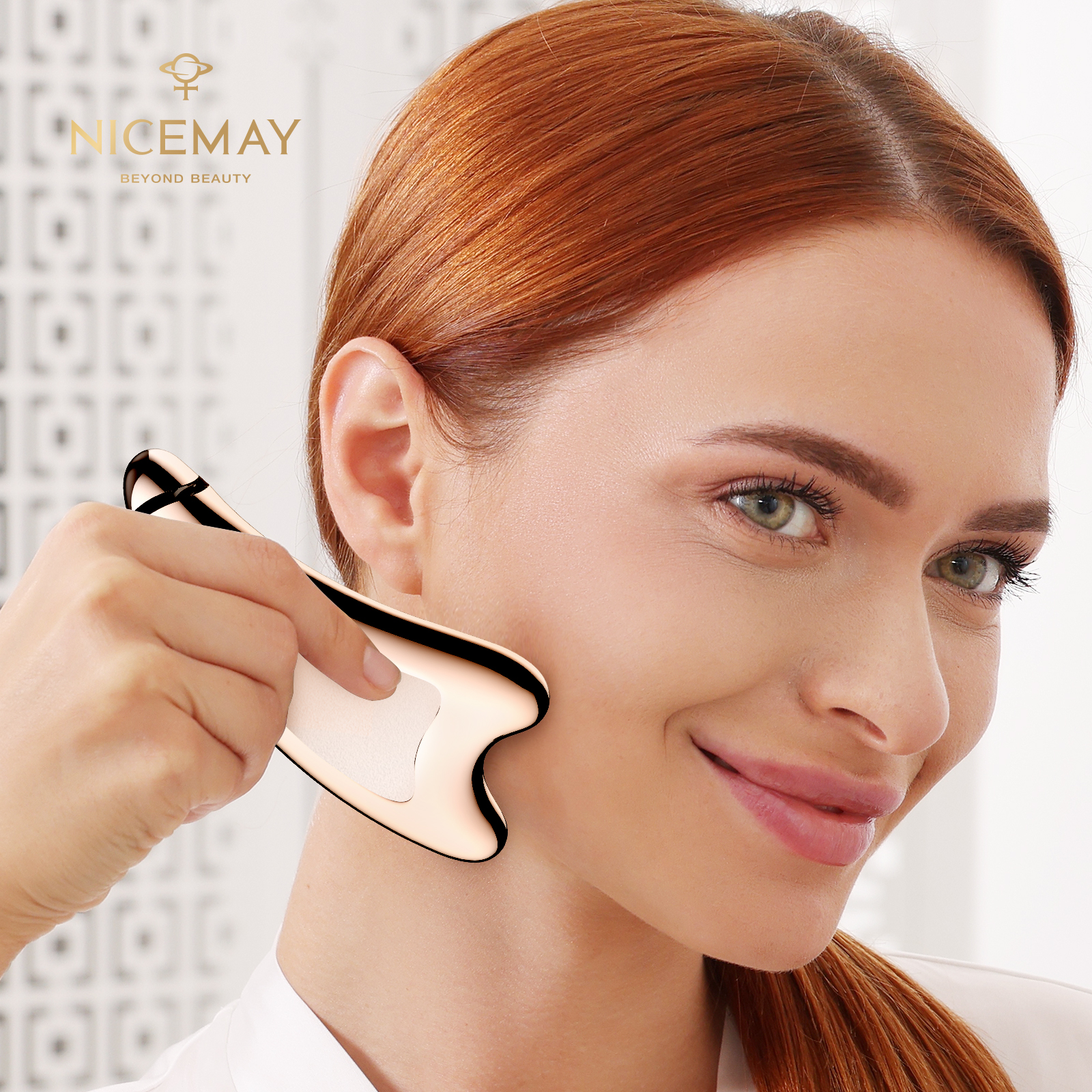
Third place in our 2026 ranking belongs to the NICEMAY MR-2319 Gold Microcurrent Facial Toning Device — and it earns that position by delivering genuine clinical-grade microcurrent technology in a form factor and price point that democratizes access to one of skincare’s most evidence-backed technologies. In a category crowded with devices that misuse the term “microcurrent,” the MR-2319 stands apart through its adherence to true biphasic waveform delivery and thoughtful multi-modal design.
The Technology Behind the MR-2319
The NICEMAY MR-2319 delivers low-level microcurrent at a carefully calibrated frequency and amplitude range designed to stimulate the facial muscles’ motor nerve fibers without overstimulating them. This produces the progressive re-education effect — the same principle used by sports physiotherapists to rehabilitate atrophied muscles — applied to the 43 muscles of the face. Over a consistent treatment course, users report measurable improvements in facial contour, jawline definition, cheek lift, and reduction of nasolabial fold depth.
The device integrates EMS (Elektrische Muskelstimulation) alongside microcurrent, which is an important distinction: EMS produces visible muscle contractions for immediate contouring and improved circulation, while the microcurrent component works at the cellular level to rebuild ATP stores and encourage long-term collagen synthesis. The synergy between these two modalities — each operating at different current intensities — is what gives the MR-2319 its comprehensive approach to facial rejuvenation.
An integrated LED therapy mode adds photobiomodulation to the protocol, allowing users to follow their microcurrent sculpting session with light therapy to enhance collagen remodeling and reduce post-stimulation inflammation. This three-in-one protocol mirrors the sequencing used in professional aesthetic clinics, where microcurrent is frequently followed by LED to amplify cellular recovery.

Technologie
Microcurrent + EMS + LED
Wellenform
Biphasic (clinically correct)
Am besten für
Lifting, contouring, sagging skin
Sitzungsdauer
5–15 minutes
Ergebnistimeline
Visible lift at 4 weeks; cumulative at 12 weeks
Hauttypen
All skin tones; avoid active breakouts
Clinical Rationale & Expected Results
Clinical studies on biphasic microcurrent — most notably research published in the Journal für klinische und ästhetische Dermatologie — show measurable improvements in facial muscle tone after 5 weeks of twice-weekly sessions. The MR-2319’s protocol aligns with this evidence base: short, consistent sessions of 10–15 minutes per zone, using a conductive gel, with progressive intensity increase over the first two weeks.
What I consistently observe in long-term users of well-designed microcurrent devices: the first noticeable change is improved skin “bounciness” and luminosity at around 3–4 weeks, followed by visible muscle repositioning (higher cheekbone definition, reduced jowl heaviness) between weeks 6–10. By the 12-week mark, most users in the 30–50 age range show results comparable to one professional microcurrent facial per month.
4. NuFACE Trinity+ Starter Kit
The NuFACE Trinity+ remains the gold standard benchmark in the microcurrent category — the device against which all others are measured. Its FDA clearance (Class II medical device) for improving facial contour and reducing the appearance of fine lines and wrinkles is a clinical credential that matters: it means NuFACE’s efficacy claims were reviewed and validated by a regulatory body, not just by marketing teams. The Trinity+ operates at 335μA at 0.4Hz — a precisely tuned output that clinical studies have shown produces statistically significant improvements in cheek and neck contour after 60 days of use per protocol.
The key limitation of the Trinity+ compared to its ZIIP and NICEMAY competitors is single-modality delivery — it is purely a microcurrent device. This makes it the deepest, most protocol-refined option for users whose primary concern is facial lifting and toning, but it means you’ll need separate devices for LED therapy or electroporation. At its price point (approximately $300+), this single-modality focus is worth factoring into your buying decision.

Current Output
335μA at 0.4Hz
Freiraum
FDA Class II Cleared
Am besten für
Dedicated facial lifting protocol
Ergebnistimeline
60-day protocol, 5x/week initially
5. Omnilux Contour Face
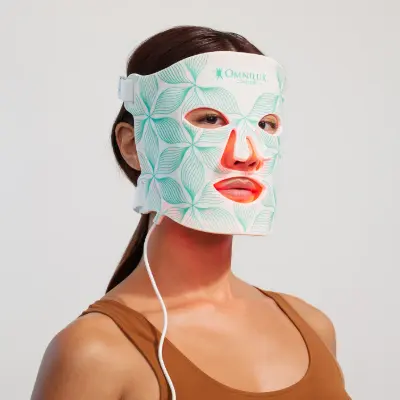
The Omnilux Contour Face is the LED mask with the most robust clinical evidence base in the consumer market. It delivers light at precisely 633nm (red) and 830nm (near-infrared) — the two wavelengths with the strongest photobiomodulation research behind them. The 633nm wavelength stimulates fibroblasts to increase collagen and elastin synthesis in the upper dermis, while the 830nm penetrates to the reticular dermis and superficial hypodermis, reducing inflammatory cytokines and accelerating cellular repair.
Crucially, Omnilux is FDA-cleared for the treatment of periorbital wrinkles — a specific, evidence-backed clearance that distinguishes it from the wave of LED masks claiming anti-aging effects without regulatory backing. At an energy output calibrated to deliver 30+ J/cm² per 10-minute session, it meets the minimum threshold for meaningful photobiomodulation established in peer-reviewed literature. The flexible silicone construction ensures full facial contact, which is critical — masks that don’t conform to facial topography deliver inconsistent irradiance.
6. Therabody TheraFace PRO
The TheraFace PRO earns its place by solving a problem most beauty devices ignore: facial muscle tension. Chronic tension in the masseter, temporalis, and frontalis muscles directly contributes to expression lines, jaw pain, and poor lymphatic drainage — none of which LED or traditional microcurrent addresses. Therabody’s percussive therapy attachment delivers 1,750–2,400 PPM (percussions per minute) at a controlled amplitude of 2.5mm to the facial muscles, producing myofascial release that visibly de-puffs and softens tension-related lines within a single session.
The microcurrent and LED ring attachments then allow users to shift from tension release to anti-aging stimulation within the same device — a protocol sequencing that mirrors what a skilled facial therapist would design. The TheraFace PRO is especially strong for users over 40 with habitual jaw-clenching, chronic tension headaches, or TMJ-related concerns.

7. Shark Beauty FacialPro Glow
The FacialPro Glow occupies a distinct technology category from the rest of this list: it is fundamentally a skin preparation and hydration delivery system rather than a collagen stimulation device. Its 10-mode approach — combining vacuum extraction at adjustable suction levels, hydro-infusion serum delivery, hot therapy (42°C for pore opening and product penetration), and cold therapy (8°C for vasoconstriction, de-puffing, and serum locking) — addresses skin quality at the surface and pore level.
In clinical skin analysis terms, this device excels at improving sebaceous filament appearance, comedone reduction, hydration depth, and immediate luminosity. It does not stimulate collagen synthesis or produce tissue-level remodeling. This makes it an excellent complementary device when combined with a microcurrent or RF tool, but it should not be evaluated as a stand-alone anti-aging investment if your primary concern is deep wrinkles or significant sagging.

8. CurrentBody Skin LED Light Therapy Face Mask
The CurrentBody Skin LED Mask holds strong recommendations from dermatologists for one specific reason: clinical-grade wavelength precision at a relatively accessible price point. Its 633nm red light output is well within the therapeutic window for fibroblast stimulation, and the flexible medical-grade silicone construction achieves the facial conformity necessary for consistent irradiance across cheeks, forehead, and chin — areas where rigid masks consistently under-deliver.
The primary limitation is single-wavelength delivery. Without the 830nm near-infrared component found in the Omnilux, its penetration depth is limited to the superficial dermis. For users under 35 with early fine lines and texture concerns, this is entirely sufficient. For users over 40 with deeper wrinkles and significant photoaging, pairing this mask with a near-infrared tool or upgrading to the Omnilux is advisable. At 10 minutes per session, 3–5 times weekly, users typically see measurable texture improvement within 6–8 Wochen based on clinical study data from CurrentBody-funded and independent trials.

9. NIRA Pro Anti-Ageing Laser
The NIRA Pro deploys a 1440nm non-fractional diode laser — a wavelength specifically absorbed by water molecules in the dermal tissue. This absorption produces controlled, diffuse heating of the dermis that triggers the wound-healing cascade: existing collagen contracts (immediate tightening) and fibroblasts are recruited to produce new collagen over 60–90 days. Unlike fractional lasers, which ablate columns of tissue, non-fractional delivery heats tissue uniformly, which means zero downtime and no surface disruption — but also means more sessions are required to achieve equivalent results to a clinic treatment.
NIRA recommends daily 3-minute sessions per treatment zone — an unusually frequent protocol that reflects the lower fluence (energy per unit area) of a safe at-home laser versus a clinical device. Adherence to this daily protocol is non-negotiable: users who treat 3–4 times weekly rather than daily consistently report disappointing results because the cumulative heat dose never reaches the threshold for significant new collagen synthesis. See our dedicated review: Top 10 Best At-Home Laser Skin Rejuvenation Devices of 2026 for a full laser category analysis.

10. LYMA Laser PRO
The LYMA Laser PRO is the most technically ambitious at-home device on this list, and its £2,000+ price point reflects both its engineering and its niche. It delivers 500mW of coherent 1064nm near-infrared laser light through a patented diffusion tip that converts the coherent beam into safe, scattered photons — eliminating the tissue ablation risk of a focused laser while maintaining the deep penetration advantage. At 1064nm, light penetrates beyond the dermis into the hypodermis, stimulating fibroblasts, adipocytes, and immune cells at a depth no LED device reaches.
Low-Level Laser Therapy (LLLT) at this wavelength has been studied in over 4,000 peer-reviewed papers across wound healing, inflammation reduction, and collagen synthesis. The LYMA represents the first consumer device to bring 1064nm coherent light to at-home use in a safe, FDA-registered format. For users with deep structural aging, significant collagen loss, or post-procedural skin repair needs, the LYMA Laser PRO is in a category of its own. For anyone whose concern is surface texture or mild lines, lower-cost LED options deliver equivalent results at that tissue depth.

The 5 Core Technologies Explained — With Clinical Parameters
Understanding the physics and biology behind each technology is the difference between strategic purchasing and expensive guesswork. Here are the five technologies represented in this list, with the technical parameters that separate effective from ineffective implementations.
| TECHNOLOGIE | MECHANISM | KEY CLINICAL PARAMETER | EXPECTED RESULTS TIMELINE | RED FLAG SIGNS |
|---|---|---|---|---|
| Mikrostrom | ATP synthesis, muscle re-education via bioelectrical stimulation | 10–600µA, biphasic waveform required | 4–12 weeks, 3–5x/week | Monophasic current; no waveform specification |
| LED Red/NIR | Photobiomodulation, fibroblast activation, collagen synthesis | 630–660nm (red), 830nm (NIR); ≥3 J/cm² dose | 6–12 weeks, 3–5x/week | Broad-spectrum LEDs; no wavelength specified |
| Elektroporation | Transient cell membrane disruption for ingredient penetration | Microsecond high-voltage pulses, gel required | Immediate serum boost; cumulative at 8 weeks | Using with retinol/acids without guidance |
| Laser (LLLT/Non-frac) | Coherent photon delivery for deep tissue remodeling | 1064nm (LLLT) or 1440nm (non-frac); fluence calibration | 8–16 weeks depending on protocol | No FDA registration; no power output stated |
| Percussive / Thermal | Myofascial release, lymphatic stimulation, thermal conductance | 2–3mm amplitude, max 42°C hot / 8°C cold | Immediate de-puffing; tone at 4–6 weeks | Temperature extremes above 45°C skin surface |
For users primarily concerned with signs of aging — sagging skin, deep wrinkles, and loss of firmness — our comprehensive guide covers proven solutions across all age groups: Beste Anti-Aging-Geräte für zu Hause 2026.
How to Choose the Right Device for Your Skin Concern?
The single most common buying mistake I see is purchasing a device based on brand recognition rather than matching the technology to the specific biological problem being addressed. Use this decision framework to identify which category of device — or combination — fits your situation.
Primary Concern: Sagging & Loss of Definition
Microcurrent is your foundation technology. Start with the NICEMAY MR-2319 or NuFACE Trinity+ for muscle re-education. Add near-infrared LED after 8 weeks for deeper collagen support
Primary Concern: Fine Lines & Texture
LED red light (633nm) is the evidence-backed first choice. Omnilux Contour or CurrentBody Skin Mask. Combine with electroporation for supercharged serum delivery after cleansing.
Primary Concern: Dull Skin & Absorption
Electroporation is your priority — the Medicube Age-R Booster Pro maximizes every serum investment. Add LED 2–3x weekly for ongoing collagen support.
Primary Concern: Deep Wrinkles (40+)
Laser technology or near-infrared (830nm) is required for the penetration depth your concern demands. LYMA Laser PRO for maximum depth; NIRA Pro for budget-conscious laser entry.
Primary Concern: Acne + Aging
The Dr. Dennis Gross SpectraLite FaceWare Pro is the only dual-purpose FDA-cleared option. Blue light addresses bacteria; red light addresses collagen in the same 3-minute session.
Best Value Comprehensive Protocol
NICEMAY MR-2319 (microcurrent + EMS + LED) gives three modalities for the price of one single-technology device — the highest technology-per-dollar ratio in this list.
Safety Framework: What to Know Before Buying Any Beauty Device
The FDA regulates powered skin care devices as medical devices — but the level of scrutiny varies enormously by device class. Understanding this framework protects you from purchasing devices with unvalidated efficacy claims or genuine safety risks.
FDA Device Classification for Beauty Devices
Class I: General controls only (e.g., basic cosmetic massagers). Minimal regulatory oversight. Class II: Special controls required — this includes most LED masks, microcurrent devices, and laser devices with demonstrated efficacy. FDA 510(k) clearance means the device has been reviewed for substantial equivalence to a previously cleared device. Class III: Premarket Approval (PMA) — the highest level, reserved for the most significant risk devices. Look for FDA 510(k) clearance numbers in device specifications, particularly for any laser or RF device.
Ingredient Compatibility: The Matrix That Most Guides Miss
The interaction between active skincare ingredients and device technologies is one of the most underreported safety topics in the home beauty space. A brief compatibility framework:
Microcurrent + Retinol: Safe when retinol is applied after the microcurrent session, not before. Retinol increases cellular sensitivity; using microcurrent after retinol application amplifies potential irritation. Always do microcurrent on clean skin with only conductive gel, then apply retinol post-session. LED + All actives: LED is the most compatible technology — it does not increase penetration of actives but may amplify skin sensitivity to photosensitizing ingredients (retinoids, AHAs) if used immediately post-LED without allowing the skin to calm. Electroporation + Acids: This is the dangerous combination to avoid. Electroporation dramatically increases penetration — AHAs and BHAs delivered at doubled depth can cause chemical burns in sensitive users. Only use electroporation with calming, hydrating serums (hyaluronic acid, niacinamide, peptides).
FAQs About Top 10 Beauty Devices for Skin Rejuvenation in 2026
Can I use my beauty device with retinol in my skincare routine?
What is the difference between microcurrent, EMS, and TENS — and which is best for the face?
Are LED face masks actually effective, or is it marketing hype?
How do I know if a beauty device is safe and legitimate?
Can I use multiple beauty devices in combination?

Bitte füllen Sie Ihre E-Mail im Formular aus, und wir werden uns bald bei Ihnen melden, um Ihnen zu helfen!