


Die Top 10 Geräte zur Aknebehandlung, die Sie 2026 zu Hause verwenden können

Das Erreichen einer klinisch hochwertigen Aknebehandlung zu Hause ist jetzt im Jahr 2026 durch fortschrittliche FDA-zugelassene Geräte möglich, die blaues LED-Licht (405–420 nm) zur Bakterienreduktion, rotes LED-Licht (630–660 nm) gegen Entzündungen sowie Hochfrequenz- oder Mikrostromtechnologien nutzen. Während der Markt mit Optionen übersättigt ist, hängt eine wirksame Behandlung von spezifischen technischen Parametern ab: Achten Sie auf Geräte, die bakterizides blaues und entzündungshemmendes rotes Licht bei einer klinisch validierten Bestrahlungsstärke von mindestens 30–50 mW/cm² kombinieren. Die Priorisierung von FDA-zugelassener Technologie gegenüber überteuerten Gadgets gewährleistet sowohl Sicherheit als auch Ergebnisse, und dieser Leitfaden listet die Top 10 Akne-Entfernung-Geräte des Jahres 2026 basierend auf strenger klinischer Evidenz, Verarbeitungsqualität und realer Leistung auf, um Ihnen bei einer klugen Investition in Ihre Hautgesundheit zu helfen.
Wie Geräte zur Aknebehandlung für zu Hause tatsächlich funktionieren — und warum Spezifikationen wichtiger sind als Marketing
Bevor Sie $150–$600 für ein Gerät ausgeben, müssen Sie verstehen, was ein Gerät wirksam macht und was nur ein Dekorationsstück im Regal ist. Geräte zur Aknebehandlung zu Hause funktionieren durch drei primäre Mechanismen, und die spezifischen technischen Parameter bestimmen, ob Sie klinische Ergebnisse oder milde Placeboeffekte erzielen.
Blaulichttherapie (405–420 nm): Der Bakterienzerstörer
Propionibacterium acnes (jetzt umklassifiziert als Cutibacterium acnes) produziert natürlich Porphyrine — lichtempfindliche Verbindungen. Wenn diese Porphyrine im Wellenlängenbereich von 405–420 nm blauem Licht ausgesetzt sind, erzeugen sie reaktive Sauerstoffspezies, die die bakterielle Zellmembran zerstören. Eine wegweisende Studie, veröffentlicht in der Zeitschrift für Kosmetische und Lasertherapie hat ergeben, dass zweimal täglichen Blaulichttherapie über 4 Wochen, reduzierte entzündliche Akne-Läsionen im Durchschnitt um 46%. Der Haken: Die Bestrahlungsstärke muss 30 mW/cm² übersteigen, um bakterizid zu sein. Geräte unterhalb dieses Schwellenwerts können die Haut angenehm erwärmen, ohne eine bedeutende Dosis zu liefern.
Rotlichttherapie (630–660 nm und 830 nm NIR): Der Entzündungsregulator
Rotes Licht wirkt durch einen völlig anderen Weg. Bei 630–660 nm dringt es 2–3 mm in die Dermis ein, um die mitochondriale Aktivität über Cytochrom c Oxidase zu stimulieren — das Endergebnis ist reduzierte entzündliche Zytokine, beschleunigte Gewebereparatur und schnellere Abheilung von Unreinheiten. Nahinfrarot bei 830 nm dringt 5–10 mm ein und ist relevanter für die Wundheilung als aktive Akne. Die effektivsten Akne-Masken kombinieren beide Wellenlängen. Was ich bei Kundenbewertungen immer wieder sehe, ist, dass Geräte, die nur blaues Licht verwenden, Bakterien effektiv entfernen, aber postinflammatorische Rötungen und Pigmentierungen über Wochen unbehandelt lassen — die rote Lichtkomponente verkürzt diese Erholungszeit um 30–40TP3T.
Verwandte Lektüre:Ist rotes Licht oder blaues Licht besser gegen Akne – Die echte Antwort →
Hochfrequenzstrom: Der Sauerstoffator
Hochfrequenzgeräte leiten einen Wechselstrom abgeleitet von einer Tesla-Spule (typischerweise 100.000–250.000 Hz) durch eine Glaselektrode, die mit Neon- oder Argongas gefüllt ist. Die resultierenden Mikroelektronenschläge oxygenisieren die Hautoberfläche, töten Oberflächenbakterien ab und haben eine milde thermische Wirkung, die die Talgproduktion reduziert. Die argongefüllten Elektroden emittieren ein violettes Leuchten und liefern eine leicht höhere bakterizide Wirkung; Neon-Elektroden (orange Leuchten) sind etwas sanfter und besser für empfindliche Hauttypen geeignet. Ein kritischer Fehler, den ich zu oft sehe: die Verwendung von Hochfrequenzgeräten auf Haut mit aktiven Pusteln ohne die richtige indirekte Anwendungstechnik — direkte Anwendung über eine aktive Pustel kann sie intern zum Platzen bringen und die Entzündung verschlimmern.
Mikrostrom: Der Beschleuniger (mit Vorbehalten)
Mikrostrom (gemessen in Mikroampere, oder μA) betrifft hauptsächlich die neuromuskuläre Schicht und ist nicht direkt bakterizid. Seine Rolle bei der Aknebehandlung ist sekundär: Durch Verbesserung der lymphatischen Drainage und Reduzierung der Gewebeflüssigkeitsretention hilft er, entzündete Unreinheiten schneller zu entlasten. Allerdings können schlecht konzipierte Mikrostromgeräte, die einen monophasischen (einrichtungsgerichteten) Strom verwenden, bei jahrelanger täglicher Überbeanspruchung Muskelschlaffheit in den Gesichtsmuskeln verursachen — was zu einem subtilen Abflachungseffekt beiträgt. Hochwertige Geräte verwenden eine biphasische Wellenform (Strom wechselt die Richtung) bei 250–400μA, mit einem integrierten Behandlungs-Timer von 5–10 Minuten, der Überbeanspruchung verhindert.
Die Top 10 Geräte für die Aknebehandlung zu Hause im Jahr 2026
Jedes Gerät wurde anhand von fünf Kriterien bewertet: Qualität der klinischen Technologie, Zulassungsstatus durch die FDA, Wirksamkeit des Behandlungsprotokolls, einfache Integration in eine tägliche Routine und Gesamtkosten des Besitzes (Gerät + Verbrauchsmaterialien + Ersatzteile über 12 Monate).
1. Dr. Dennis Gross DRx SpectraLite FaceWare Pro
Das SpectraLite FaceWare Pro bleibt im Jahr 2026 der Goldstandard für duale LED-Therapie, und der Grund ist technische Präzision und nicht Markenprestige. Sein 162-LED-Array liefert gleichzeitig blaues (415nm) und rotes (630nm) Licht über die gesamte Gesichtshaut, wodurch das Problem der “Streifenabdeckung” bei Stab-ähnlichen Geräten vermieden wird. Das Gerät ist als Medizinprodukt der Klasse II von der FDA zugelassen, und sein 3-Minuten-Behandlungsprotokoll wurde in veröffentlichten klinischen Studien validiert, die nach 8 Wochen eine statistisch signifikante Reduktion der entzündlichen Läsungen im Vergleich zu Kontrollen zeigen.
Was es technisch auszeichnet, ist die LED-Dichte im Verhältnis zur Behandlungsfläche. Bei etwa 0,8 LEDs pro cm² auf einer Vollgesichtsmaske ist die Gleichmäßigkeit der Bestrahlung deutlich besser als bei flexiblen Gelmasken, die weniger LEDs verwenden, die auf einer größeren Fläche verteilt sind. Ein Fehler, den ich zu oft sehe, ist, dass Kunden flexible Masken mit 30–40 LEDs zurückgeben und die gleichen Ergebnisse wie dieses Gerät erwarten — die Physik unterstützt das einfach nicht. Das SpectraLite liefert eine konsistente, validierte Photonendosis an jede Hautzone gleichzeitig.
Das Behandlungsprotokoll ist elegant einfach: 3 Minuten täglich, auf sauberer, trockener Haut, kein Gel erforderlich. Seine starre Bauform sorgt für einen reproduzierbaren Abstand (Gerät-zu-Haut-Lücke) von Sitzung zu Sitzung — entscheidend für eine konsistente Bestrahlungsstärke. Die einzige Einschränkung: Es ist eine feste Größe, was es für sehr kleine oder größere Gesichtsformen unpraktisch macht.

LED-Anzahl
162 LEDs
Sitzungsdauer
3 Minuten
FDA-Status
Zugelassen (Klasse II)
Wellenlängen
415nm + 630nm
Preisspanne
$455
2. Omnilux Contour Gesicht
Omnilux nimmt eine einzigartige Position in dieser Liste ein: Es ist die einzige Maskenlösung für zu Hause, die direkt aus der klinischen (in der Klinik verwendeten) LED-Panel-Technologie abgeleitet ist. Die professionellen Geräte der Marke werden in Dermatologiepraxen und medizinischen Spas weltweit eingesetzt, und die Contour Face bringt die gleiche duale Wellenlängen-Kombination — 633nm Rot und 830nm Nahinfrarot — in eine flexible, konturierte Silikonhülle, die sich eng an verschiedene Gesichtsformen anpasst.
Speziell bei Akne ist die Wellenlänge von 633nm das klinisch optimale Rot, um Interleukin-1β und TNF-α (entzündungsfördernde Zytokine) auf Dermis-Ebene zu reduzieren. Das 830nm Nahinfrarot beschleunigt hauptsächlich die Wundheilung in tieferen Geweben, was Omnilux besonders effektiv bei der Beseitigung post-akne Hyperpigmentierungen und der Reduzierung der “Heilungsverzögerung” nach einem größeren Aknezyklus macht. Klinische Daten aus von Omnilux geförderten Studien zeigen eine 36%-Reduktion bei entzündlicher Akne nach 9 Wochen bei 3×/Woche Anwendung, 10 Minuten pro Sitzung.
Die Flexibilität der Maske ist ein echter funktionaler Vorteil — sie reduziert Luftspalte zwischen Maske und Haut (insbesondere um die Nase und den Kiefer), was die effektive Photonendosis im Vergleich zu starren Masken bei unregelmäßigen Gesichtsformen erheblich verbessert. Ihre Einschränkung im Zusammenhang mit Akne: Sie enthält kein blaues Licht, daher ist sie am besten in Kombination mit einem gezielten blauen Lichtgerät zur Bekämpfung aktiver Bakterien geeignet, anstatt als eigenständiges Aknegerät verwendet zu werden.

Wellenlängen
633nm + 830nm NIR
Sitzungsdauer
10 Minuten
FDA-Status
Freigegeben
Preisspanne
$395
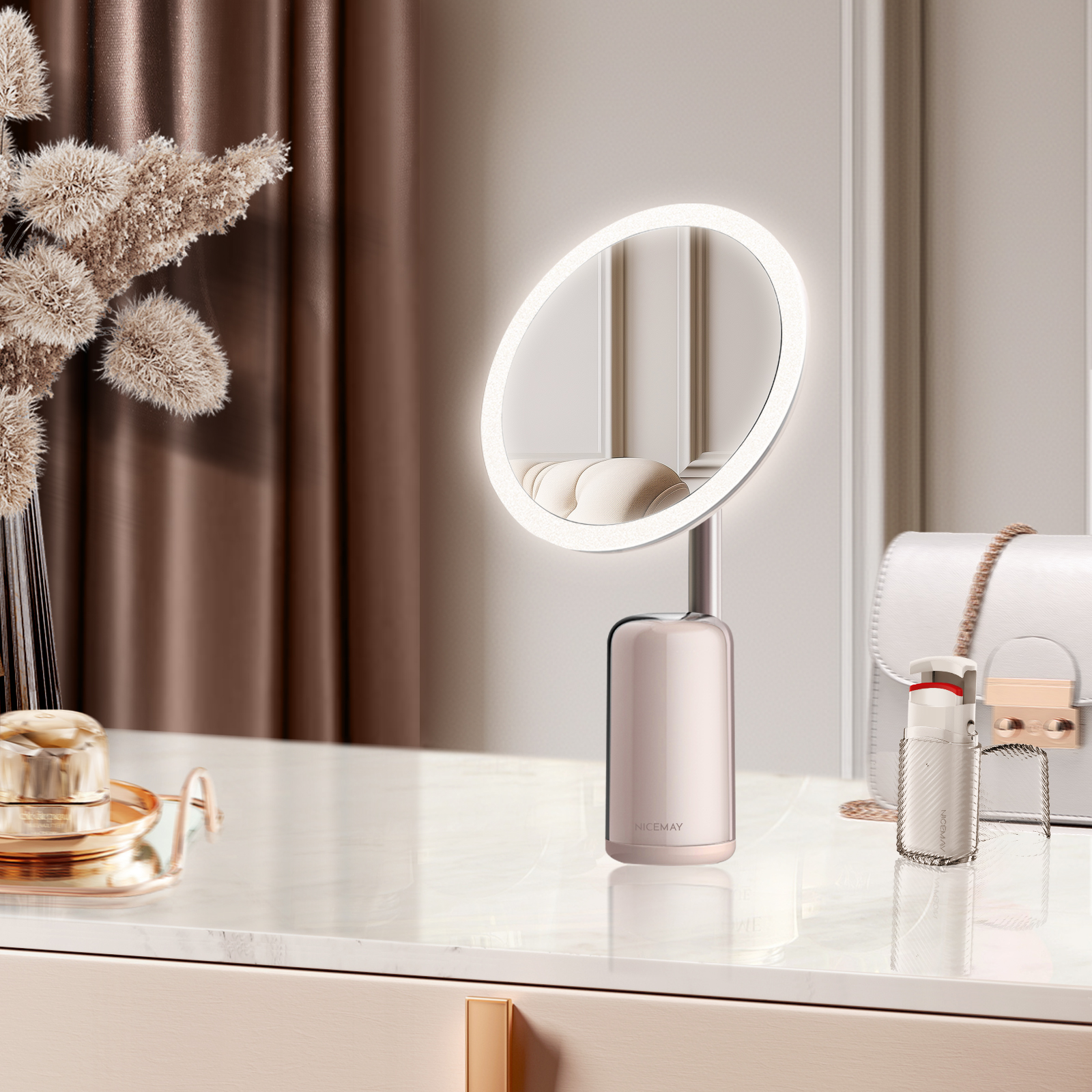
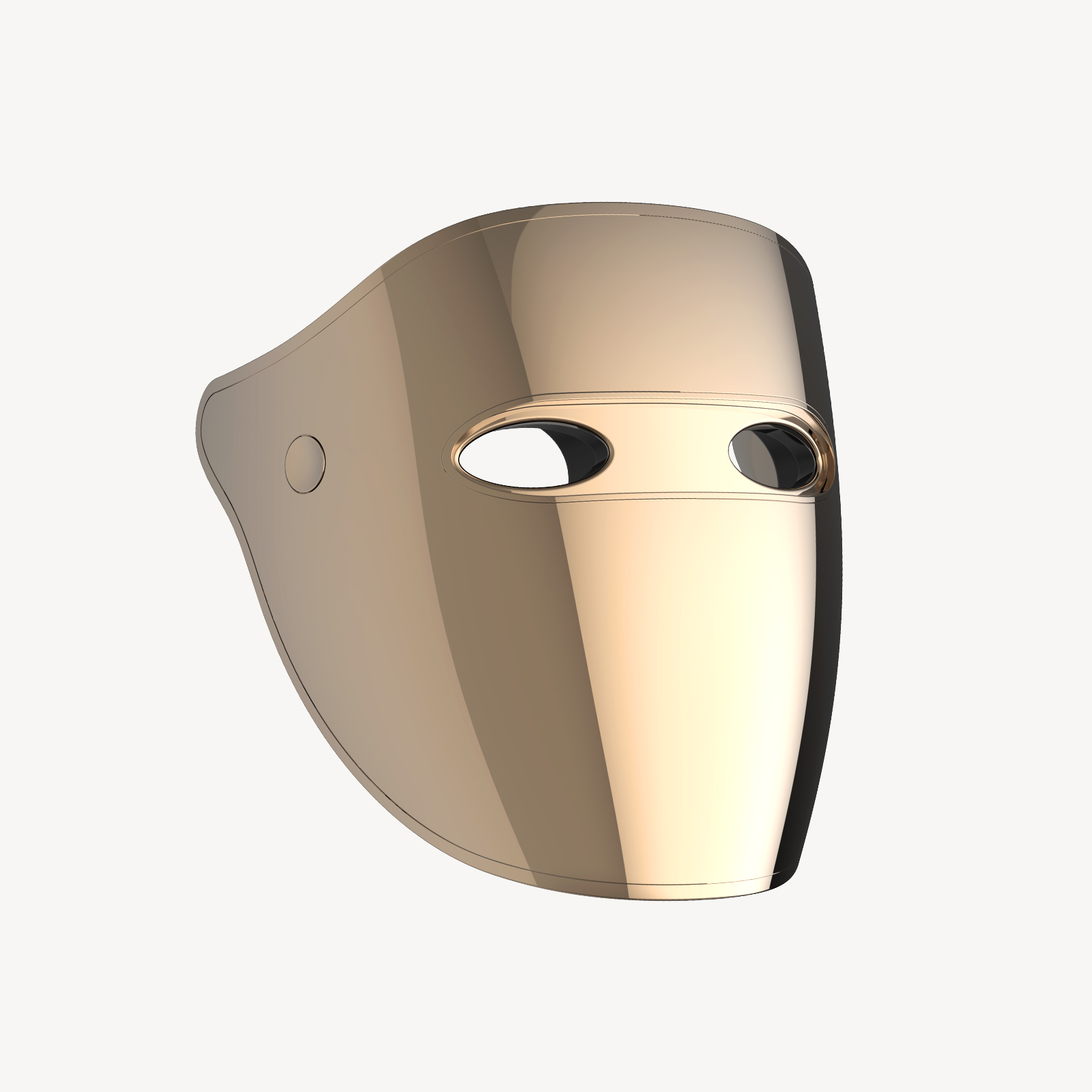
Die meisten LED-Masken zwingen Sie dazu, zwischen Aknebehandlung und Anti-Aging zu wählen — die NICEMAY MR-2308 verweigert diesen Kompromiss. Ihr 4-Farben-Spektrum (Blau 415nm, Rot 630nm, Grün 525nm und Gelb 590nm) deckt jeden photobiomodulationsbezogenen Anwendungsfall bei zu Akne neigender Haut in einem Gerät ab und macht sie zum vielseitigsten Werkzeug auf dieser Liste, zu einem Bruchteil der Kosten von Einzelzweck-Klinikmasken.
Hier ist der klinische Fall für jede Wellenlänge im Kontext der Aknebehandlung: Blau bei 415nm zerstört C. acnes durch porphyrinvermittelte reaktive Sauerstoffspezies — den identischen Mechanismus, der in dermatologischen Praxen mit blauen Lichtpaneelen verwendet wird. Rot bei 630nm unterdrückt entzündliche Zytokine und beschleunigt den Zellumsatz in der Dermis, wodurch die Rötung nach Ausbrüchen und die Heilungszeit bei post-entzündlicher Hyperpigmentierung verkürzt werden. Grün bei 525nm zielt auf Melanozyten ab und zeigt klinisch, dass es die post-entzündliche Hyperpigmentierung — die dunklen Flecken, die Akne hinterlässt — durch Hemmung der überschüssigen Melaninproduktion an der epidermal-dermalen Grenze. Gelb bei 590nm verbessert die Mikrozirkulation und den lymphatischen Fluss, reduziert die Schwellung und den reaktiven Flush, die oft mit aktiven Ausbrüchen einhergehen.
Was die MR-2308 für Aknepatienten besonders attraktiv macht, ist die Fähigkeit, Behandlungsmodi zu sequenzieren innerhalb einer einzigen Sitzung. Für einen Tag mit milden bis mäßigen Ausbrüchen lautet das empfohlene Protokoll: 5 Minuten Blau (bakterizide Phase) → 5 Minuten Rot (entzündungshemmende Phase) → 3 Minuten Grün (Pigmentkontrolle). Dieser gestapelte Ansatz spiegelt wider, was medizinische LED-Panels in einer klinischen Umgebung leisten, aber nach einem von Ihnen kontrollierten Zeitplan zu Hause.
Die Maske passt bequem auf die meisten Gesichtsgrößen, mit einem flexiblen Artikulationspunkt an der Nasenbrücke, der den Luftspaltenergieverlust reduziert, der bei rein starren Schalen beobachtet wird. Für diejenigen, die gleichzeitige Akne und Post-Akne-Marken behandeln — was für die überwiegende Mehrheit der erwachsenen Akne-Patienten die Realität ist — ist dieser grüne Kanal dieses Geräts ein echtes Unterscheidungsmerkmal, das kein anderes Produkt in dieser Preisklasse bietet.

Farbkanäle
4 (Blau/Rot/Grün/Gelb)
Blaulichtwellenlänge
415nm (bakterizid)
Rotlichtwellenlänge
630 nm
Sitzungsdauer
10–15 Minuten
Herausragendes Merkmal
Grün 525nm für PIH
4. LightStim für Akne
Die proprietäre MultiWave-Technologie von LightStim ist der entscheidende Unterschied: Anstatt einer einzelnen blauen LED-Wellenlänge emittiert sie gleichzeitig vier diskrete Wellenlängen (423nm, 453nm, 625nm, 660nm), um eine breitere photobiomodulative Wirkung zu erzielen. Die Theorie — unterstützt durch interne Studien von LightStim — ist, dass geschichtete Wellenlängen eine breitere Palette von Chromophoren aktivieren als eine einzelne enge Wellenlänge, was sowohl eine bakterizide Wirkung als auch eine entzündungshemmende Reaktion in einem Durchgang ergibt.
Als Handgerät ist es grundsätzlich ein Spot-Behandlungsgerät, was seine Hauptbeschränkung bei weit verbreiteter Akne darstellt. Jede Behandlungszone von 3cm² erfordert 3 Minuten stationären Kontakt für eine vollständige Dosis. Für Patienten mit 5–10 aktiven Läsionen dauert eine Gesichtsbehandlung 20–30 Minuten — was keine praktische tägliche Routine ist. Für gezielte entzündliche Papeln und Frühstadium-Noduli (wo man schnell und hart treffen möchte) liefert jedoch kein anderes Produkt in dieser Preisklasse eine präzisere Dosis. Nach meiner Erfahrung bietet die tägliche Spot-Behandlung mit LightStim als Ergänzung zu einer Gesichtsmaske das Beste aus beiden Welten.

Wellenlängen
423 / 453 / 625 / 660nm
Abdeckung
~3cm² pro Position
FDA-Status
Freigegeben
Preisspanne
$169
5. NuDerma Professional Hauttherapie-Stab
Hochfrequenztechnologie ist der Underdog bei der Akne-Behandlung zu Hause — weniger fotogen als LED-Masken, aber wirklich wirksam bei entzündeten, hartnäckigen zystischen Ausbrüchen, die auf Lichttherapie allein nicht gut ansprechen. Der NuDerma arbeitet bei 100.000 Hz und erzeugt einen niederfrequenten elektrischen Strom durch seine Glas-Elektroden, der die Hautoberfläche oxygeniert und eine unwirtliche Umgebung für anaerobe Akne-Bakterien schafft.
Der entscheidende Technikunterschied: direkte Anwendung (Elektrode direkt auf der Haut) ist am besten geeignet zur Behandlung aktiver isolierter Unreinheiten und zur Reduktion von Sebum in fettigen Zonen. Indirekte Anwendung (die Elektrode halten, während ein Therapeut oder Partner dein Gesicht berührt) liefert eine tiefere, diffusere Stimulation, die die Durchblutung insgesamt verbessert. Für die Selbstbehandlung ergibt die direkte Anwendung über geschlossene Komedonen und frühe entzündliche Papeln — aber niemals über offene Pusteln oder aktiv verletzte Haut — die schnellste Entlastung, die ich außerhalb einer Cortison-Injektion gesehen habe.
Das NuDerma-Set enthält verschiedene Elektrodenformen (Pilz für große Flächen, Spot für gezielte Behandlung, Löffel für unter die Augen), was echte Vielseitigkeit bietet. Bei etwa $60–$80 stellt es den höchsten klinischen Wert pro Euro in dieser Liste für Nutzer mit fettiger, verstopfter oder cystischer Haut dar.

Häufigkeit
100.000 Hz
Elektrodenarten
5 enthalten
Preisspanne
$60–$80
6. ZIIP Halo 2.0
ZIIP’s Geheimwaffe ist seine proprietäre elektrische Wellenformprogrammierung. Während die meisten Mikrostromgeräte eine statische Wellenform bei einem festen μA-Wert liefern, verwendet der Halo 2.0 eine Kombination aus Mikrostrom und Nanostrom (unter 1 μA), die in komplexen, zeitlich variierenden Mustern geliefert werden, die Melanie Simon, die Gründerin von ZIIP, aus ihrem Hintergrund in Elektrophysiologie entwickelt hat. Der Halo führt diese Wellenform-“Programme” über eine Begleit-App aus, die jeweils für unterschiedliche Ergebnisse optimiert sind — einschließlich eines “Akne”-Protokolls, das speziell auf Entzündungen von Unreinheiten und lymphatische Stauungen abzielt.
Bei meiner Arbeit mit Kunden, die den Halo 2.0 speziell gegen Akne verwenden, ist das konsistenteste Ergebnis eine bedeutende Reduktion der Papel-Schwellung innerhalb von 24–48 Stunden nach der Behandlung — schneller als LED-Therapie allein. Der biphasische Stromwechsel des Geräts (verhindert das Risiko der Muskelermüdung bei monophasen Einheiten) und die automatische Abschaltung nach 5 Minuten machen es für den täglichen Gebrauch sicher. Das erforderliche Gel (eigene Marke von ZIIP, ungefähr $85 für eine 50g Tube) erhöht die Anschaffungskosten — etwa $250–$300 jährlich für regelmäßige Nutzer.

Stromart
Biphasischer Mikrostrom + Nanostrom
Steuerung
App-basierte Programme
Gel erforderlich
Ja (~$85/50g)
7. Solawave 4-in-1 Strahlende Erneuerungskosmetikstab
Der Solawave-Stab kombiniert vier Technologien — rotes LED (660nm), sanften Mikrostrom, therapeutische Wärme (ungefähr 40–42°C, innerhalb des sicheren dermalen Bereichs) und Vibrationsmassage — in einem handlichen Format. Für Reisen ist dies der klare Favorit: er wiegt unter 100g, lädt über USB-C und benötigt kein Verbrauchsgel. Das Wärmeelement ist besonders nützlich bei entzündlichen Papeln im Frühstadium: milde Hitze (~40°C) fördert die lokale Durchblutung und erweicht die Follikelausgänge, wodurch die Penetration des roten LEDs und die Mikrostromabgabe etwas effektiver werden.
Die Einschränkung ist nur das rote LED mit 660nm — kein bakterizides bläuliches Licht. Dies macht es zu einem entzündungshemmenden und heilungsfördernden Gerät, anstatt Bakterien abzutöten. Für Personen, die milde, stressbedingte Ausbrüche statt chronischer Akne behandeln, ist der Solawave ein wirklich effektives, schön gestaltetes tägliches Werkzeug. Bei moderater bis schwerer Akne ist es besser als ergänzendes Gerät positioniert als eine eigenständige Lösung.

LED-Wellenlänge
660 nm rot
Wärme-Temperatur
~40–42°C (sicherer Bereich)
Preisspanne
$169
Verbrauchsmaterialien
Nicht erforderlich
8. Project E Beauty Blue LED + Akne-Stab
Der Project E Beauty-Stab liefert einen soliden blauen (415nm) und roten (630nm) Doppelangriff zu einem Preis, der für Schüler, Teenager und Erstbenutzer von Geräten zugänglich ist, die noch keine $300+ Maske verwenden möchten. Der wichtigste klinische Unterschied bei diesem Preisniveau ist die Wellenlängenspezifität — 415nm Blau anstelle eines vagen “blauen LEDs”, was für die bakterizide Wirksamkeit enorm wichtig ist.
Bei leichter bis mittelschwerer Akne mit weniger als 10 aktiven Läsionen funktioniert die Spot-Behandlung gut: 3 Minuten Blau auf jede aktive Unreinheit, gefolgt von 2 Minuten Rot. Die realistische Erwartung: sichtbare Reduktion der Rötung innerhalb von 48–72 Stunden, vollständige Abheilung der Läsionen in 4–7 Tagen bei frühzeitig behandelten entzündlichen Papeln. Erstbenutzer sollten beachten: Es erfordert Geduld und Konsequenz. Eine einzelne Sitzung wird einen Ausbruch nicht vollständig klären. Bei Anwendung 5 Tage pro Woche über einen Zeitraum von 8 Wochen sehen die meisten Nutzer mit leichter Akne eine Reduktion der neuen Ausbrüche um 50–60%.

Wellenlängen
415nm + 630nm
Preisspanne
$30–$50
Am besten für
Leichte Akne, Anfänger
9. Therabody TheraFace PRO
Therabodys TheraFace PRO ist das modularste Gerät auf dieser Liste — ein Griffsystem mit austauschbaren Aufsätzen, darunter ein blauer/roter/NIR-LED-Ring, ein Mikrostromring und verschiedene Massageköpfe. Für die Aknebehandlung ist die relevante Konfiguration der LED-Ring (der blaue, rote und rot+Infrarot-Modi bietet) in Kombination mit dem Mikrostromring für eine zweiphasige tägliche Behandlung.
Der “blau + rot” kombinierte Modus des LED-Rings ist klinisch am nützlichsten bei Akne: Sie erhalten gleichzeitig bakterizide (blau) und entzündungshemmende (rot) Wirkungen in einem einzigen 3-Minuten-Durchlauf. Das Infrarot ergänzt eine Heilungstiefe für die Erholung nach einem Ausbruch. Die Einschränkung des TheraFace PRO bei Akne ist die Abdeckung: Der Ringaufsatz deckt eine Zone mit etwa 8 cm Durchmesser ab, was mehrere Positionen erfordert, um das gesamte Gesicht zu behandeln — die Gesamtdauer der Behandlung liegt bei etwa 12–15 Minuten für eine umfassende Abdeckung. Für Nutzer, die bereits Therabody-Massagegeräte besitzen und ihre Hautpflegefähigkeiten erweitern möchten, ohne ein völlig neues Gerät zu kaufen, ist dies die kosteneffizienteste Erweiterung.

LED-Modi
Blau / Rot / Rot+NIR
Abdeckung/Durchlauf
~8cm Durchmesser
Preisspanne
$399
FDA-Status
Freigegeben
10. FaceGym Akne Lichtschuss
Der FaceGym Akne Lichtschuss verfolgt einen grundlegend anderen Ansatz: Statt eines Zauberstabs oder einer Maske ist es ein kleines, anhaftendes Gerät, das gegen einen einzelnen Pickel gehalten wird, um eine gezielte Behandlung mit blauem Licht durchzuführen. Die Innovation liegt im Formfaktor — ultra-portabel, diskret genug, um es am Schreibtisch oder vor einem Treffen zu verwenden, und erfordert keine Einrichtung außer dem Aufsetzen auf den Zielpickel.
Seine Einschränkung ist dasselbe wie sein Vorteil: Es wurde ausschließlich für die Punktbehandlung entwickelt. Mit etwa 2cm² Lichtausstoß hat es keine praktische Anwendung für eine großflächige Akneabdeckung. Der beste Anwendungsfall ist die Frühintervention: Sie spüren, dass sich eine Papula bildet, wenden den Lichtschuss für 3 Minuten bei den ersten Anzeichen an und reduzieren die Bakterienzahl in dieser Zone, bevor die entzündliche Kaskade vollständig eskaliert. Wird es auf diese Weise bei den ersten Anzeichen verwendet, kann es die Schwere einzelner Ausbrüche deutlich verringern. Betrachten Sie es als die “Notbremse” in Ihrem Akne-Management-Toolkit — reaktiv eingesetzt, nicht als Kernprotokollgerät.

Abdeckung
~2cm² (nur Spot
Bester Einsatz
Frühzeitige Intervention
Preisspanne
$95
So verwenden Sie diese Geräte sicher — und kombinieren sie für maximale Ergebnisse
Das richtige Gerät zu haben ist nur die halbe Miete. In über einem Jahrzehnt Arbeit mit Kunden, die Schönheitsgeräte für zu Hause verwenden, ist der häufigste Grund für enttäuschende Ergebnisse nicht das Gerät — sondern falsches Protokoll, unsicheres Stapeln oder inkompatible Inhaltsstoffkombinationen. Hier ist der Rahmen, der konsequent die besten Ergebnisse liefert.
Sicherheits-Deep-Dive:
Kann man ein Schönheitsgerät bei aktiven Pickeln verwenden?→
- Doppelt reinigen, dann 5 Minuten warten. Alle Geräte funktionieren besser auf vollständig trockener, sauberer Haut. Rückstände von Hautpflegeprodukten — insbesondere Serumfilme — können die LED-Übertragung um bis zu 20% reduzieren. Öle, die während der Hochfrequenzbehandlung auf der Haut verbleiben, können lokale Funkenbildung und Reizungen verursachen.
- Zuerst Mikrostrom (falls verwendet). Tragen Sie das ZIIP, Solawave oder TheraFace-Mikrostromgerät mit leitfähigem Gel auf. Mikrostrom bereitet die Gewebedurchlässigkeit vor und verbessert den lymphatischen Fluss vor anderen Energieanwendungen.
- Hochfrequenz als nächstes (falls verwendet). Tragen Sie den NuDerma-Stab nur über geschlossenen Komedonen und nicht geplatzten Papeln auf. 2–3 Minuten pro Zone. Nicht über geplatzten oder nässenden Läsionen verwenden.
- LED-Therapie zuletzt. Tragen Sie Ihre LED-Maske oder Ihren Stab nach allen anderen Anwendungen auf. Blaues Licht beendet die bakterielle Abtötung, rotes Licht reduziert eventuelle Reizungen aus den vorherigen Schritten und beruhigt die entzündliche Reaktion. 3–10 Minuten, abhängig von Ihrem Gerät.
- Abschließen mit Barriereschutz, nicht mit Wirkstoffen. Die Haut nach dem Gerät ist in einem optimal empfänglichen Zustand — aber nicht für Retinoide, Säuren oder Benzoylperoxid. Verwenden Sie eine sanfte, parfumfreie Feuchtigkeitscreme mit Ceramiden oder Niacinamid, um die Behandlungsvorteile zu versiegeln.
Gerätevergleich nebeneinander: Technologie, Abdeckung & Kosten
| Gerät | Technologie | Abdeckung | Blaues Licht | FDA-zugelassen | Preis |
|---|---|---|---|---|---|
| Dr. Dennis Gross SpectraLite | LED (Blau+Rot) | Gesicht komplett | ✓ 415nm | ✓ | $455 |
| Omnilux Kontur Gesicht | LED (Rot+NIR) | Gesicht komplett | X | ✓ | $395 |
| NICEMAY MR-2308 | 4-Farben-LED | Gesicht komplett | ✓ 415nm | Liste prüfen | $58 |
| LightStim für Akne | MultiWave LED | Spot | ✓ 423nm | ✓ | $169 |
| NuDerma-Stab | Hochfrequenz | Spot/Zone | X | — | $60–80 |
| ZIIP Halo 2.0 | Mikrostrom | Gesicht komplett | X | — | $345 |
| Solawave 4-in-1 | LED+Mikrostrom+Wärme | Spot/Zone | X | — | $169 |
| Project E Beauty | LED (Blau+Rot) | Spot | ✓ 415nm | — | $30–50 |
| TheraFace PRO | LED+Mikrostrom | Zone | ✓ | ✓ | $399 |
| FaceGym Akne-Lichtschuss | Blaues LED | Spot (2cm²) | ✓ | — | $95 |
FAQ: Geräte zur Akne-Behandlung für Zuhause
Wie lange dauert es, bis ein LED-Aknegerät Ergebnisse zeigt?
Die meisten Nutzer mit leichter bis mittelschwerer Akne bemerken zwischen Woche 3 und 4 bei konsequenter Anwendung (3–5 Sitzungen pro Woche) eine Reduktion neuer entzündlicher Läsionen. Eine klinisch bedeutsame Reduktion — typischerweise 30–50% weniger aktive Läsionen — wird meist nach 8 Wochen beobachtet. Postinflammatorische Hyperpigmentierung reagiert langsamer; wenn Ihr Gerät einen grünen LED-Kanal (525nm) enthält, erwarten Sie 10–12 Wochen, bevor sichtbare Pigmentflecken verblassen. Schwere oder zystische Akne erfordert längere Behandlungszeiträume und sollte zusammen mit dermatologischer Betreuung erfolgen, nicht nur mit Geräten.
Sind LED-Aknegeräte für dunkle Hauttöne zu Hause sicher?
Lichttherapie mit LED (blau und rot) gilt als sicher bei allen Fitzpatrick-Hauttypen (I–VI), da der Mechanismus (Photobiomodulation) nicht auf Melanin abzielt. Es ist kein Laser oder IPL. Zwei wichtige Hinweise gelten jedoch: Erstens, vermeiden Sie die Verwendung eines LED-Geräts unmittelbar nach der Anwendung photosensibilisierender Hautpflege (duftende Pflanzenextrakte, Zitrusöle, bestimmte botanische Extrakte) — diese können Pigmentveränderungen bei melaninreicher Haut auslösen. Zweitens, Hochfrequenzgeräte können lokale thermische Effekte auf dunkler Haut verursachen — verwenden Sie die niedrigste wirksame Einstellung und überwachen Sie auf Hyperpigmentierung. Im Zweifelsfall testen Sie das Gerät an Kiefer oder Hals für 2–3 Sitzungen, bevor Sie das ganze Gesicht behandeln.
Kann ich ein Akne-Gerät jeden Tag verwenden?
Bei LED-Masken und -Stäben: ja, tägliche Anwendung bei der empfohlenen Sitzungsdauer (typischerweise 3–10 Minuten) ist sicher und wird während der ersten 8–12 Wochen Behandlung oft empfohlen. Die tägliche Nutzung von Hochfrequenzgeräten wird jedoch nicht empfohlen — maximal 3–4 Sitzungen pro Woche, um die Haut nicht zu sensibilisieren oder zu überstimuliern. Mikrostromgeräte mit biphasischen Wellen können täglich verwendet werden, aber Geräte mit monophasischen Strömen sollten auf 4–5 Sitzungen pro Woche beschränkt werden, um Muskelermüdung zu vermeiden. Folgen Sie stets den Anweisungen des Herstellers — Überdosierung beschleunigt nicht die Ergebnisse und kann die Hautbarriere beeinträchtigen.
Was ist der Unterschied zwischen FDA-genehmigt und FDA-registriert für Akne-Geräte?
Diese Unterscheidung ist entscheidend und wird oft missverstanden. FDA-genehmigt (über den 510(k)-Weg) bedeutet, dass der Hersteller der FDA nachgewiesen hat, dass sein Gerät in Sicherheit und Wirksamkeit wesentlich einem bereits auf dem Markt befindlichen Gerät entspricht. Es ist ein echter Sicherheits- und Wirksamkeitsmaßstab. FDA-registriert bedeutet lediglich, dass der Hersteller die FDA darüber informiert hat, dass das Gerät existiert und verkauft wird — es erfolgt keine Sicherheits- oder Wirksamkeitsprüfung. Viele günstige Akne-Geräte werben mit “FDA-registriert”, um eine behördliche Zulassung vorzutäuschen, obwohl sie keine erhalten haben. Bei der Bewertung eines Geräts achten Sie speziell auf die FDA 510(k)-Freigabe, nicht auf die Registrierung.
Können Aknegeräte für zu Hause herkömmliche verschreibungspflichtige Behandlungen wie Tretinoin oder Antibiotika ersetzen?
Bei leichter bis mittelschwerer Akne (Grad I–II) können Geräte für Zuhause eine sehr wirksame eigenständige Behandlung sein und in manchen Fällen den Bedarf an topischen Mitteln reduzieren. Sie wirken jedoch durch andere Mechanismen als verschreibungspflichtige Behandlungen — Geräte bekämpfen Bakterien und Entzündungen, während Retinoide den Zellumsatz regulieren und Antibiotika die systemische Bakterienvermehrung unterdrücken. Für Grad III–IV (schwere papulopustulöse oder nodulokystische Akne) sollten Geräte als Ergänzung und nicht als Ersatz für verschreibungspflichtige Therapien verwendet werden. Viele Dermatologen empfehlen heute LED-Therapie als Ergänzung zu topischen Retinoiden, da beide Ansätze unterschiedliche Aspekte der Akne-Pathophysiologie gleichzeitig ansprechen.
Funktionieren Akne-Geräte bei hormoneller Akne?
Hormonelle Akne — die sich typischerweise als tiefe, schmerzhafte Papeln und Knoten entlang des unteren Gesichts, Kieferlinie und Kinns zeigt — wird hauptsächlich durch Androgenfluktuationen verursacht, die die Talgproduktion und die Hyperkeratinisierung der Follikel beeinflussen. LED- und Hochfrequenzgeräte können die Bakterienzahl und die Oberflächenentzündung in diesen Zonen reduzieren, was bei akuten Ausbrüchen hilft. Sie behandeln jedoch nicht die zugrunde liegende hormonelle Ursache. Die effektivste Strategie bei hormoneller Akne kombiniert Geräte für Zuhause (insbesondere blau + rot LED und Hochfrequenz bei entzündeten Läsionen) mit hormonellen Behandlungsansätzen — sei es durch Ernährung, Lebensstil oder medizinische Maßnahmen (wie Spironolacton oder kombinierte orale Verhütungsmittel, die vom Arzt verschrieben werden).
Wie viele LEDs benötigt eine Akne-Maske, um wirksam zu sein?
Allein die Anzahl der LEDs ist eine irreführende Kennzahl — entscheidend ist die Bestrahlungsstärke (Energieabgabe pro cm² Behandlungsfläche) und die Wellenlängenpräzision. Eine Maske mit 200 schwachen, außerhalb der Wellenlänge liegenden LEDs ist weniger effektiv als eine mit 80 präzise abgestimmten 415nm- und 630nm-LEDs bei der richtigen Leistungsdichte. Für eine Vollgesichtsmaske sind in der Regel mindestens etwa 60–100 LEDs jeder relevanten Wellenlänge erforderlich, um eine ausreichende Bestrahlungsstärke (≥30 mW/cm²) gleichzeitig über das ganze Gesicht zu erreichen. Masken mit weniger als 40 LEDs insgesamt benötigen meist deutlich längere Sitzungszeiten, um eine vergleichbare Photonendosis zu liefern — wenn der Hersteller 30+ Minuten Sitzungen empfiehlt, ist dies oft ein Zeichen für eine niedrige Bestrahlungsstärke, nicht für einen klinischen Vorteil.
Bitte füllen Sie Ihre E-Mail im Formular aus, und wir werden uns bald bei Ihnen melden, um Ihnen zu helfen!