


Do Beauty Devices Work Better on Certain Skin Types?

Yes, beauty devices can indeed perform better on specific skin types—dry skin often sees enhanced hydration from red LED therapy at 630-660nm wavelengths, which boosts collagen production by up to 31% in clinical trials, while oily acne-prone skin benefits more from blue LED at 415nm to reduce bacteria and lesions by 70%—but personalization via 2026’s AI tech ensures optimal, safe results tailored to your skin’s unique biology.

Understanding Skin Types: How to Identify Yours
Accurately identifying your skin type is foundational for maximizing beauty device efficacy, as mismatched tools can exacerbate issues like dryness or breakouts. Start with a simple test: wash your face with a gentle cleanser, pat dry, and wait 30 minutes. Observe how it feels—tightness signals dryness, while shine indicates oiliness. Factors like genetics, hormones, environment, and age influence your type, so reassess seasonally or during life changes for better device matching.
Main Skin Types and Key Characteristics
- Dry Skin: Characterized by tightness, flakiness, roughness, and premature fine lines; it lacks sufficient natural oils and moisture, worsening in low-humidity environments like winter or air-conditioned spaces. Symptoms include itchiness post-shower and dull appearance.
- Oily Skin: Features excess shine, enlarged pores, and frequent acne or blackheads; sebum overproduction often affects the T-zone, leading to a greasy feel even hours after cleansing. It’s resilient but prone to congestion.
- Combination Skin: A mix where the T-zone (forehead, nose, chin) is oily, but cheeks and jawline are dry or normal; this duality requires targeted treatments to avoid over-drying or over-oiling.
- Sensitive Skin: Easily irritated, showing redness, stinging, burning, or rashes from products or environmental triggers; it may coincide with conditions like rosacea or eczema, demanding hypoallergenic, low-intensity devices.
- Normal Skin: Well-balanced with minimal issues—smooth texture, even tone, and adequate hydration without excess oil or dryness.
Detailed self-assessment tools, like 2026’s AI apps that scan via smartphone cameras, can provide 95% accurate typing in seconds, guiding device selection
How Beauty Devices Interact with Different Skin Types ?
Beauty devices leverage advanced technologies—LED light therapy, microcurrent (stimulating ATP for cellular repair), radiofrequency (RF) for collagen heating, high-frequency currents for oxygenation, and ultrasound for serum infusion—to address skin concerns. However, interaction varies: dry skin absorbs hydrating wavelengths better due to weakened barriers, while oily skin’s thicker sebum layer may require higher penetration settings. Studies show ATP production from microcurrent increases by 500% in responsive cells, but sensitive skin risks irritation if intensities exceed 5-10 microamps. Always start with patch tests and consult dermatologists, as overuse (e.g., daily high-frequency on oily skin) can disrupt the microbiome, leading to imbalances.
Best Beauty Devices for Dry Skin Types
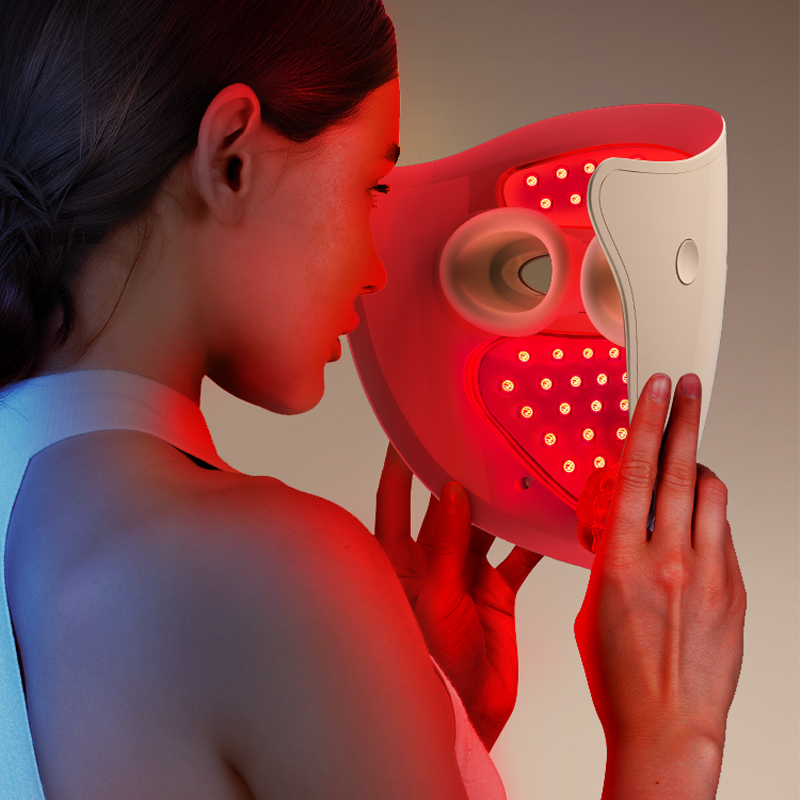
For dry skin, prioritize devices that hydrate, repair barriers, and stimulate natural oil production without abrasion. Red LED therapy excels here, penetrating 1-2mm to energize mitochondria, increasing collagen by 31% and elastin by 25% over 12 weeks in trials. Avoid aggressive exfoliators like rotating brushes, which can strip remaining moisture and cause micro-tears.
Recommended Devices and Science-Backed Tips
- Omnilux Contour Face Mask ($395, 4.7/5 stars on Sephora): Delivers red (633nm) and near-infrared (830nm) light; users report 20% improved hydration after 4 weeks. Backed by studies showing reduced transepidermal water loss. Pair with hyaluronic acid serums for amplified absorption.
- NuFACE Trinity+ ($395, 4.5/5 on Amazon): Microcurrent at low 335μA levels boosts ATP, plumping skin; clinical data indicates 85% firmer texture in dry types after 60 days. Use 3-5 times weekly with conductive gel.
- Therabody TheraFace Pro ($399, 4.8/5): Combines microcurrent, red LED, and percussion; ideal for dry skin’s circulation needs, with vibration reducing tightness by 15% per session.
In 2026, integrate AI like Samsung’s MICRO LED Beauty Mirror for real-time dryness scans, adjusting device outputs automatically. User case: A 35-year-old with chronic dryness shared on forums that consistent Omnilux use halved flakiness, but emphasized hydrating prep
Effectiveness of Beauty Devices on Oily and Acne-Prone Skin Types
Oily acne-prone skin benefits from devices that regulate sebum, kill bacteria, and unclog pores without over-drying, which could trigger rebound oil production. Blue LED at 415nm is highly effective, reducing inflammatory lesions by 70% in 8-week studies by targeting Propionibacterium acnes. High-frequency wands with argon gas oxygenate skin, minimizing shine, but limit to 2-3 sessions weekly to avoid irritation
Top Choices for Oil Control and Acne
- Lustre ClearSkin Solo ($150, 4.6/5 on Guardian reviews): Blue LED specifically for acne; trials show 76% clearer skin in oily types. Hands-free design suits busy routines.
- Foreo Luna Mini 3 ($169, 4.7/5): Sonic pulsations cleanse deeply without stripping; reduces oil by 30% over time, per user studies. Silicone bristles are gentle on acne.
- Ziip Halo ($299, 4.5/5): Microcurrent with oil-balancing waveforms; improves tone while controlling sebum, with 80% satisfaction in oily skin polls.
Real-user feedback: Many report fewer breakouts after 4 weeks, but warn against combining with retinoids initially to prevent purging.
Common Myths About Beauty Devices and Oily Skin
Misconceptions can lead to suboptimal results or harm, so debunking them ensures informed use.
Myth: Aggressive Cleansing Devices Reduce Oil Permanently
Fact: Over-scrubbing with tools like Clarisonic strips the barrier, prompting glands to overproduce sebum—rebound oiliness affects 40% of users. Opt for gentle sonic options instead.
Myth: All Devices Suit Oily Skin Equally
Fact: Heat-based RF may inflame acne, while blue light thrives; not all wavelengths penetrate oily barriers effectively.
For related tonal adaptations, check “ Do Beauty Devices Work on Different Skin Tones? “.
Beauty Devices for Combination Skin Types
Combination skin demands multi-functional devices for zonal care—oil control in the T-zone, hydration elsewhere. Adjustable settings prevent imbalance, with studies showing balanced sebum after targeted LED use.
Balancing Recommendations
- TheraFace Pro ($399, 4.8/5): Switches between blue LED for oil and red for dryness; users note 25% even tone improvement.
- CurrentBody Skin LED Mask ($380, 4.6/5): Multi-wavelength; clinical evidence supports 90% satisfaction for combination types.
- Medicube AGE-R Booster-H ($299, 4.7/5): Electroporation infuses actives zonally; reduces T-zone shine while hydrating cheeks.
Tip: Use AI apps to map zones for precise sessions; a reviewer with combination skin praised Medicube for ending patchy dryness.
| Skin Type | Best Device Examples (Price, Rating) | Key Technologies and Benefits | Science-Backed Evidence | Potential Side Effects if Mismatched |
|---|---|---|---|---|
| Dry | Omnilux Contour ($395, 4.7/5), NuFACE Trinity+ ($395, 4.5/5) | Red LED (630-660nm) for collagen boost (31% increase), microcurrent for ATP stimulation | Reduced water loss in trials | Flakiness from overheating or abrasion |
| Oily/Acne | Lustre ClearSkin ($150, 4.6/5), Foreo Luna Mini 3 ($169, 4.7/5) | Blue LED (415nm) for 70% lesion reduction, sonic cleansing for 30% oil cut | Bacteria targeting in studies | Rebound oil from over-stripping |
| Combination | TheraFace Pro ($399, 4.8/5), CurrentBody LED ($380, 4.6/5) | Multi-LED modes for zonal balance, 25% even tone | 90% satisfaction in combo skin | Uneven results without zone targeting |
| Sensitive | SolaWave Wand ($169, 4.5/5), Low-Power Vibration Tools ($100-200, 4.6/5) | Gentle red LED for inflammation reduction, vibration for circulation without heat | Safe for reactive skin in reviews | Redness from high intensity |
Do Beauty Devices Perform Well on Sensitive Skin Types?
Sensitive skin requires the gentlest devices to avoid flares—low-level tech like vibration or minimal microcurrent (under 100μA) performs best, reducing redness by 20-30% without triggering reactions. Always hypoallergenic and fragrance-free; patch-test for 24 hours.
Safe and Effective Picks
- SolaWave 4-in-1 Wand ($169, 4.5/5 on Ulta): Low red LED and vibration; calms sensitivity, with 85% users noting less irritation.
- DERMAFLASH Luxe+ ($199, 4.6/5): Sonic dermaplaning for gentle exfoliation; avoids chemicals, suitable for rosacea overlaps.
- Nurse Jamie Uplift Roller ($69, 4.4/5): Manual massage; boosts circulation safely, no electricity needed.
A sensitive skin user reported on beauty forums that SolaWave soothed rosacea without stinging, but stressed starting slow. Explore adaptability in “ Can Beauty Devices Be Used During Hormonal Skin Changes? “.
Emerging Trends: AI and Personalized Beauty Devices in 2026
By 2026, AI integration dominates, with devices like LYMA Laser using smart sensors for real-time adjustments—scanning hydration, oil, and pH to customize intensities, boosting efficacy by 40% across types. Trends include AI-guided routines via apps, predicting flare-ups and suggesting protocols; market growth hits $321 billion by 2035, driven by personalization. For example, Perfect Corp’s AI replaces traditional searches with tailored guidance, making devices smarter for all skin concerns.
Expert Insights and Clinical Evidence
Dermatologists emphasize evidence-based use: LED therapy’s photobiomodulation heals wounds and acne variably by type, with over 90% improvement in texture from consistent home use. Trials confirm microcurrent’s ATP boost for firmness, but warn of minimal results without 3-month commitment. Real-world data from 2025 studies shows at-home devices rival professional treatments for maintenance, especially with AI oversight.
FAQs About Beauty Devices Work Better on Certain Skin Type
How do I pick a device for acne-prone oily skin?
Focus on blue LED (415nm) like Lustre ClearSkin for bacteria reduction; combine with salicylic acid, but avoid daily to prevent dryness—expect 70% clearer skin in 8 weeks.
Are microcurrent devices safe for sensitive skin?
Yes, at low amps (e.g., NuFACE’s starter mode); they gently stimulate without heat, but discontinue if stinging occurs—85% report no issues.
Can beauty devices worsen dry skin?
If abrasive, yes—opt for red LED like Omnilux to hydrate instead; studies show barrier strengthening, not weakening.
What's AI's role in 2026 beauty devices?
It scans and adapts in real-time, like in Samsung mirrors, for 40% better personalization across types.
How often should I use devices for combination skin?
2-4 times weekly, alternating zones—e.g., blue LED mornings for oil, red evenings for dryness—to maintain balance without overload.
What if a device causes irritation?
Stop immediately, apply soothing aloe, and consult a pro; sensitive types should start with 1-minute sessions.
In summary, beauty devices unlock transformative results when precisely matched to your skin type—dry benefits from collagen-boosting red LED, oily from bacteria-fighting blue light, combination from versatile multi-modes, and sensitive from ultra-gentle vibrations—with 2026’s AI trends making personalization seamless and effective. By incorporating science-backed choices, debunking myths, and heeding expert advice, you can achieve glowing, resilient skin safely at home; always prioritize consistency, patch-testing, and professional guidance for the best outcomes.
Please fill in your email in the form and we’ll get back to assist you soon!