


美容儀器對某些肌膚類型的效果更好嗎?

Yes, beauty devices can indeed perform better on specific skin types—dry skin often sees enhanced hydration from red LED therapy at 630-660nm wavelengths, which boosts collagen production by up to 31% in clinical trials, while oily acne-prone skin benefits more from blue LED at 415nm to reduce bacteria and lesions by 70%—but personalization via 2026’s AI tech ensures optimal, safe results tailored to your skin’s unique biology.

Understanding Skin Types: How to Identify Yours
Accurately identifying your skin type is foundational for maximizing beauty device efficacy, as mismatched tools can exacerbate issues like dryness or breakouts. Start with a simple test: wash your face with a gentle cleanser, pat dry, and wait 30 minutes. Observe how it feels—tightness signals dryness, while shine indicates oiliness. Factors like genetics, hormones, environment, and age influence your type, so reassess seasonally or during life changes for better device matching.
Main Skin Types and Key Characteristics
- 乾性肌膚: Characterized by tightness, flakiness, roughness, and premature fine lines; it lacks sufficient natural oils and moisture, worsening in low-humidity environments like winter or air-conditioned spaces. Symptoms include itchiness post-shower and dull appearance.
- 油性肌膚: Features excess shine, enlarged pores, and frequent acne or blackheads; sebum overproduction often affects the T-zone, leading to a greasy feel even hours after cleansing. It’s resilient but prone to congestion.
- 混合性肌膚: A mix where the T-zone (forehead, nose, chin) is oily, but cheeks and jawline are dry or normal; this duality requires targeted treatments to avoid over-drying or over-oiling.
- 敏感肌膚:: Easily irritated, showing redness, stinging, burning, or rashes from products or environmental triggers; it may coincide with conditions like rosacea or eczema, demanding hypoallergenic, low-intensity devices.
- 正常肌膚: Well-balanced with minimal issues—smooth texture, even tone, and adequate hydration without excess oil or dryness.
Detailed self-assessment tools, like 2026’s AI apps that scan via smartphone cameras, can provide 95% accurate typing in seconds, guiding device selection
How Beauty Devices Interact with Different Skin Types ?
Beauty devices leverage advanced technologies—LED light therapy, microcurrent (stimulating ATP for cellular repair), radiofrequency (RF) for collagen heating, high-frequency currents for oxygenation, and ultrasound for serum infusion—to address skin concerns. However, interaction varies: dry skin absorbs hydrating wavelengths better due to weakened barriers, while oily skin’s thicker sebum layer may require higher penetration settings. Studies show ATP production from microcurrent increases by 500% in responsive cells, but sensitive skin risks irritation if intensities exceed 5-10 microamps. Always start with patch tests and consult dermatologists, as overuse (e.g., daily high-frequency on oily skin) can disrupt the microbiome, leading to imbalances.
Best Beauty Devices for Dry Skin Types
For dry skin, prioritize devices that hydrate, repair barriers, and stimulate natural oil production without abrasion. Red LED therapy excels here, penetrating 1-2mm to energize mitochondria, increasing collagen by 31% and elastin by 25% over 12 weeks in trials. Avoid aggressive exfoliators like rotating brushes, which can strip remaining moisture and cause micro-tears.
Recommended Devices and Science-Backed Tips
- Omnilux Contour Face Mask ($395, 4.7/5 stars on Sephora): Delivers red (633nm) and near-infrared (830nm) light; users report 20% improved hydration after 4 weeks. Backed by studies showing reduced transepidermal water loss. Pair with hyaluronic acid serums for amplified absorption.
- NuFACE Trinity+($395,亞馬遜評分4.5/5): Microcurrent at low 335μA levels boosts ATP, plumping skin; clinical data indicates 85% firmer texture in dry types after 60 days. Use 3-5 times weekly with conductive gel.
- Therabody TheraFace Pro ($399, 4.8/5): Combines microcurrent, red LED, and percussion; ideal for dry skin’s circulation needs, with vibration reducing tightness by 15% per session.
In 2026, integrate AI like Samsung’s MICRO LED Beauty Mirror for real-time dryness scans, adjusting device outputs automatically. User case: A 35-year-old with chronic dryness shared on forums that consistent Omnilux use halved flakiness, but emphasized hydrating prep
Effectiveness of Beauty Devices on Oily and Acne-Prone Skin Types
Oily acne-prone skin benefits from devices that regulate sebum, kill bacteria, and unclog pores without over-drying, which could trigger rebound oil production. Blue LED at 415nm is highly effective, reducing inflammatory lesions by 70% in 8-week studies by targeting Propionibacterium acnes. High-frequency wands with argon gas oxygenate skin, minimizing shine, but limit to 2-3 sessions weekly to avoid irritation
Top Choices for Oil Control and Acne
- Lustre ClearSkin Solo ($150, 4.6/5 on Guardian reviews): Blue LED specifically for acne; trials show 76% clearer skin in oily types. Hands-free design suits busy routines.
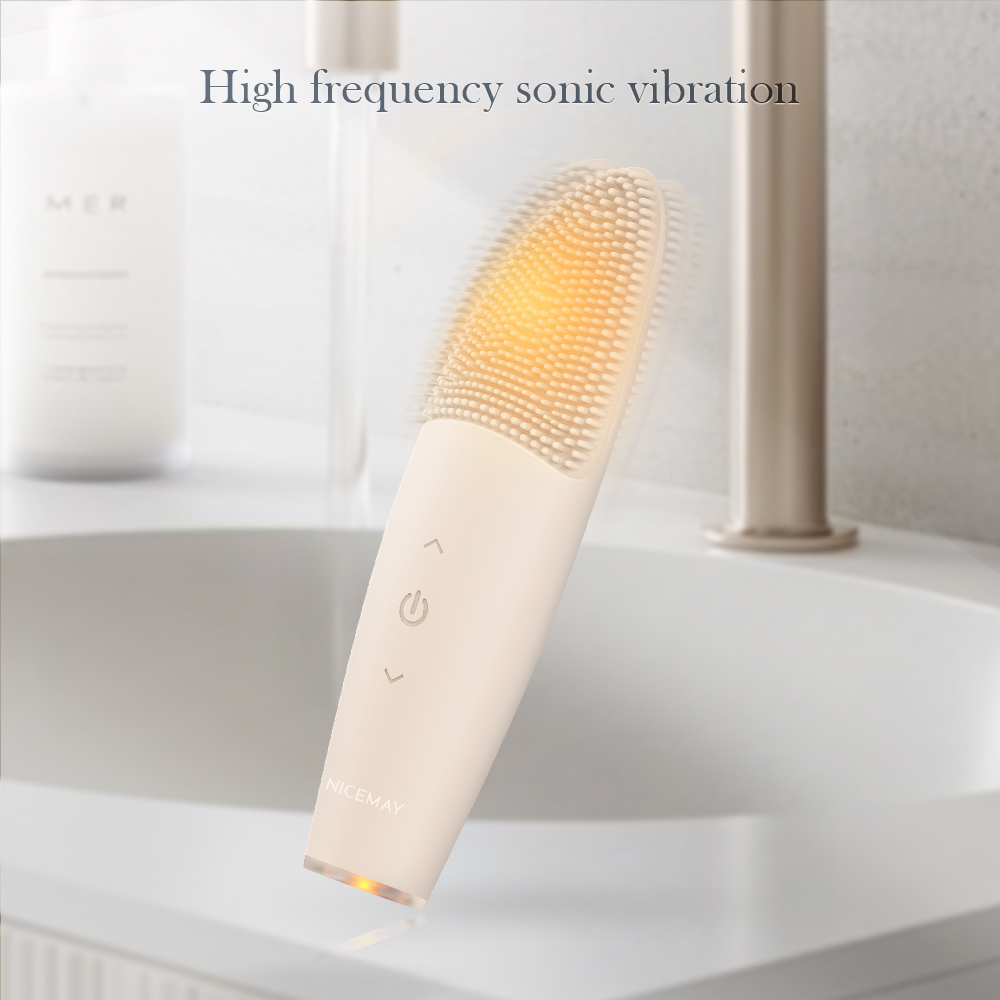
- Foreo Luna Mini 3 ($169, 4.7/5): Sonic pulsations cleanse deeply without stripping; reduces oil by 30% over time, per user studies. Silicone bristles are gentle on acne.
- Ziip Halo ($299, 4.5/5): Microcurrent with oil-balancing waveforms; improves tone while controlling sebum, with 80% satisfaction in oily skin polls.
Real-user feedback: Many report fewer breakouts after 4 weeks, but warn against combining with retinoids initially to prevent purging.
Common Myths About Beauty Devices and Oily Skin
Misconceptions can lead to suboptimal results or harm, so debunking them ensures informed use.
Myth: Aggressive Cleansing Devices Reduce Oil Permanently
Fact: Over-scrubbing with tools like Clarisonic strips the barrier, prompting glands to overproduce sebum—rebound oiliness affects 40% of users. Opt for gentle sonic options instead.
Myth: All Devices Suit Oily Skin Equally
Fact: Heat-based RF may inflame acne, while blue light thrives; not all wavelengths penetrate oily barriers effectively.
For related tonal adaptations, check “ 美容設備對不同膚色有效嗎? “.
Beauty Devices for Combination Skin Types
Combination skin demands multi-functional devices for zonal care—oil control in the T-zone, hydration elsewhere. Adjustable settings prevent imbalance, with studies showing balanced sebum after targeted LED use.
Balancing Recommendations
- TheraFace Pro ($399, 4.8/5): Switches between blue LED for oil and red for dryness; users note 25% even tone improvement.
- CurrentBody Skin LED Mask ($380, 4.6/5): Multi-wavelength; clinical evidence supports 90% satisfaction for combination types.
- Medicube AGE-R Booster-H ($299, 4.7/5): Electroporation infuses actives zonally; reduces T-zone shine while hydrating cheeks.
Tip: Use AI apps to map zones for precise sessions; a reviewer with combination skin praised Medicube for ending patchy dryness.
| 皮膚類型 | Best Device Examples (Price, Rating) | Key Technologies and Benefits | Science-Backed Evidence | Potential Side Effects if Mismatched |
|---|---|---|---|---|
| 乾性 | Omnilux Contour ($395, 4.7/5), NuFACE Trinity+ ($395, 4.5/5) | Red LED (630-660nm) for collagen boost (31% increase), microcurrent for ATP stimulation | Reduced water loss in trials | Flakiness from overheating or abrasion |
| Oily/Acne | Lustre ClearSkin ($150, 4.6/5), Foreo Luna Mini 3 ($169, 4.7/5) | Blue LED (415nm) for 70% lesion reduction, sonic cleansing for 30% oil cut | 針對細菌的研究 | 過度剝離後的反彈油 |
| 組合 | TheraFace Pro ($399, 4.8/5), CurrentBody LED ($380, 4.6/5) | 多種LED模式以達到區域平衡,25%均勻膚色 | 90%在混合性肌膚中的滿意度 | 未針對區域的結果不均勻 |
| 敏感 | SolaWave Wand ($169, 4.5/5), 低功率震動工具 ($100-200, 4.6/5) | 溫和的紅色LED減少發炎,震動促進循環而不產生熱感 | 評論中對反應性肌膚安全 | 高強度造成的紅腫 |
美容儀器對敏感肌膚的效果如何?
敏感肌膚需要最溫和的設備以避免發作—低強度技術如震動或最小微電流(低於100μA)效果最佳,能減少20-30%的紅腫而不引發反應。始終為低過敏性和無香料;進行24小時的皮膚測試。.
安全有效的選擇
- SolaWave 4合1 Wand ($169, 4.5/5 在Ulta): 低紅色LED和震動;舒緩敏感,85%的用戶表示刺激感減少。.
- DERMAFLASH Luxe+ ($199, 4.6/5): 超音波去角質,溫和去除角質;避免化學成分,適合有紅斑性皮膚的人使用。.
- Nurse Jamie Uplift Roller ($69, 4.4/5): 手動按摩;安全促進血液循環,不需要電力。.
一位敏感肌膚的使用者在美容論壇上報告,SolaWave 緩解了紅斑性皮膚,沒有刺痛感,但強調要慢慢開始。探索在“ 荷爾蒙皮膚變化期間可以使用美容儀器嗎? “.
新興趨勢:2026年的人工智慧與個性化美容儀器
到2026年,, 人工智慧整合主導市場,像是LYMA雷射使用智能感應器 進行即時調整——掃描水分、油脂和pH值以自訂強度,提升各類型的效果達40%。趨勢包括透過應用程式引導的AI例行程序,預測爆發並建議方案;; 市場增長到2035年達到$3210億,推動因素為個性化. 。例如,Perfect Corp的AI用量身定制的指導取代傳統搜索,使儀器對所有皮膚問題更智能。.
專家見解與臨床證據
皮膚科醫生強調基於證據的使用: LED療法的光生物調節根據類型變化治療傷口和痤瘡,, 持續在家使用可改善質地超過90%。試驗確認微電流可提升ATP以增強緊實度,但警告若無3個月的承諾,效果有限。2025年的實際數據顯示,家用儀器在維護方面可與專業治療相媲美,特別是在AI監督下。.
關於美容儀器在某些皮膚類型上效果更佳的常見問題
我該如何為易長痘的油性肌膚選擇儀器?
專注於藍色LED(415nm),如Lustre ClearSkin以減少細菌;可與水楊酸結合,但避免每日使用以防乾燥——預期8週內皮膚會變得70%更清晰。.
微電流設備對敏感肌膚安全嗎?
是的,在低安培下(例如,NuFACE的入門模式);它們溫和刺激而不產生熱感,但如有刺痛感請停止使用——85%報告無問題。.
美容儀器會加重乾燥肌膚嗎?
如果是磨砂的話,選擇紅色LED燈像Omnilux來補水;研究顯示增強屏障,而不是削弱。.
2026年美容設備中AI的角色是什麼?
它像三星鏡子一樣實時掃描和適應,以便在40%類型之間提供更好的個性化。.
我應該多久使用一次適合混合性肌膚的設備?
每週2-4次,交替區域—例如,早上使用藍色LED燈針對油性,晚上使用紅色針對乾燥—以維持平衡而不過載。.
如果設備引起刺激怎麼辦?
立即停止,塗抹舒緩的蘆薈,並諮詢專業人士;敏感肌膚的人應該從1分鐘的療程開始。.
總之,美容設備在精確匹配您的肌膚類型時能解鎖變革性的效果—乾性肌膚受益於增強膠原蛋白的紅色LED,油性肌膚受益於抗菌的藍光,混合性肌膚受益於多功能模式,敏感肌膚受益於超溫和的震動—2026年的AI趨勢使個性化變得無縫且有效。通過融入科學支持的選擇,揭穿迷思,並聽取專家建議,您可以在家安全地實現光滑、韌性的肌膚;始終優先考慮一致性、皮膚測試和專業指導,以獲得最佳效果。.
請在表單中填寫您的電子郵件,我們將儘快回覆您!