


The Truth About Beauty Devices: Are They Really Safe for Every Skin Type?

No, beauty devices do not work equally on all skin types—they are generally effective and safe across most types with proper selection and use, but sensitive, very dry, or darker skin tones may require gentler settings, specific technologies, or extra precautions to avoid irritation or uneven results. This guide explores do beauty devices work on all skin types, including adaptations for different skin concerns and evidence-based insights.
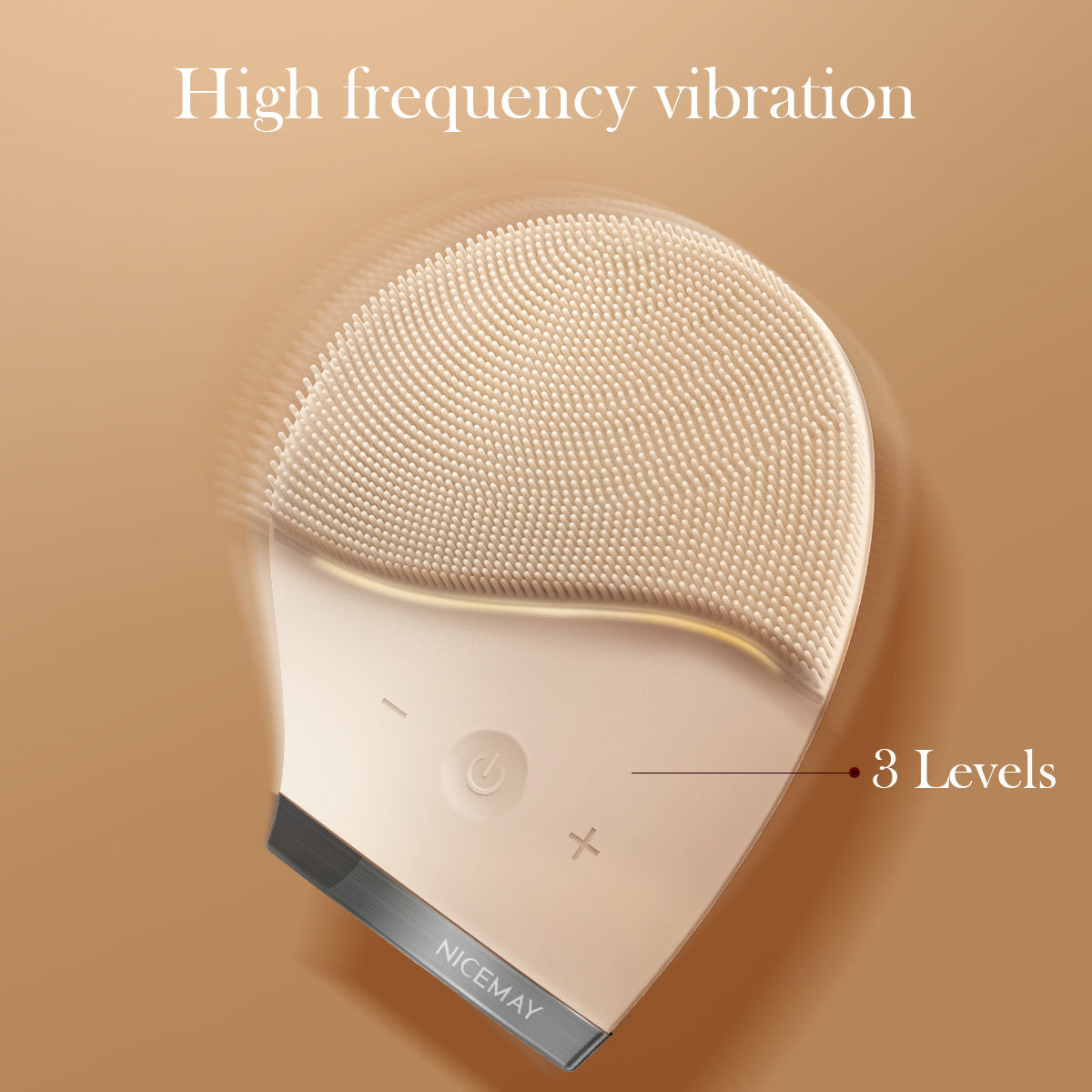
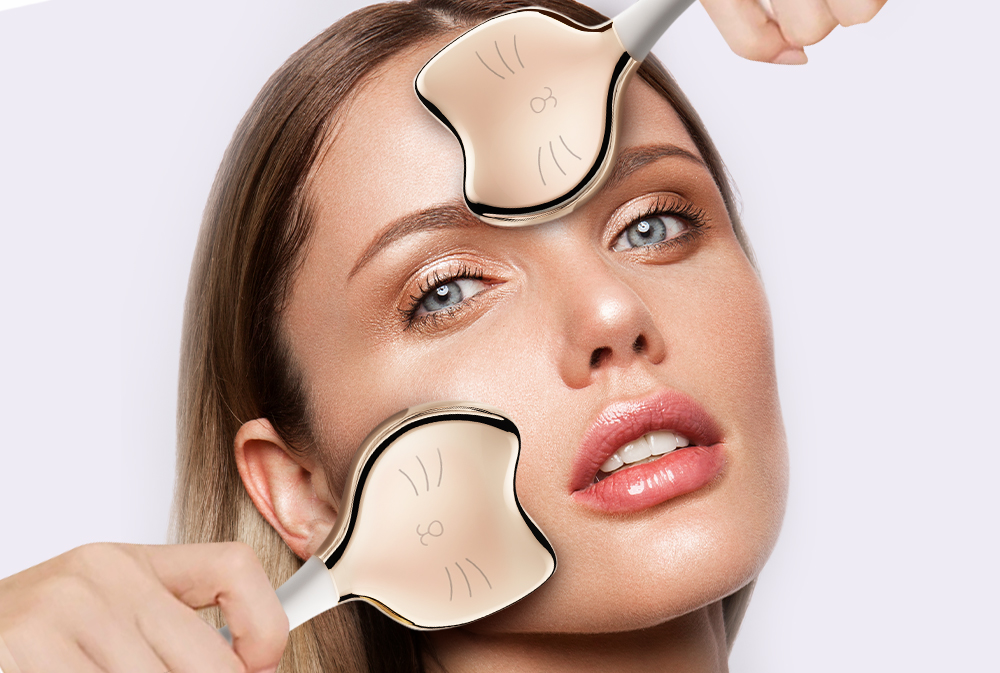
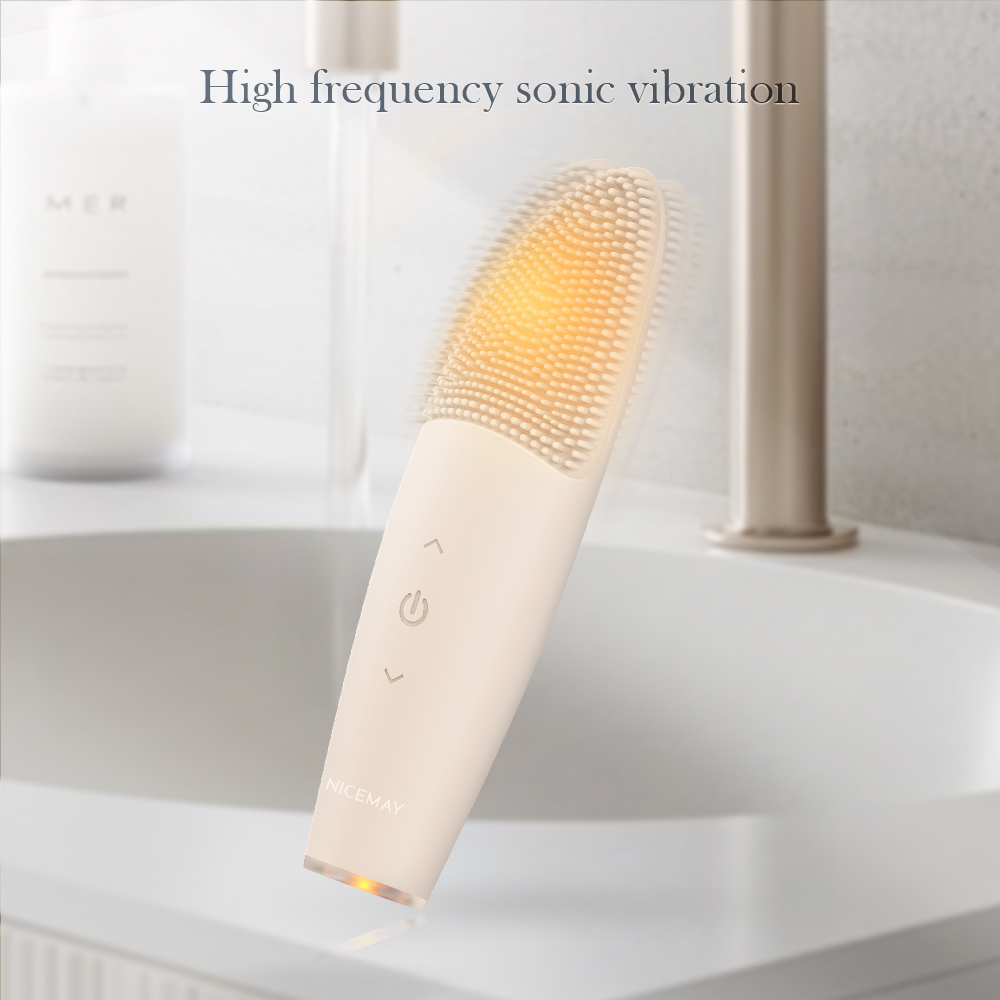
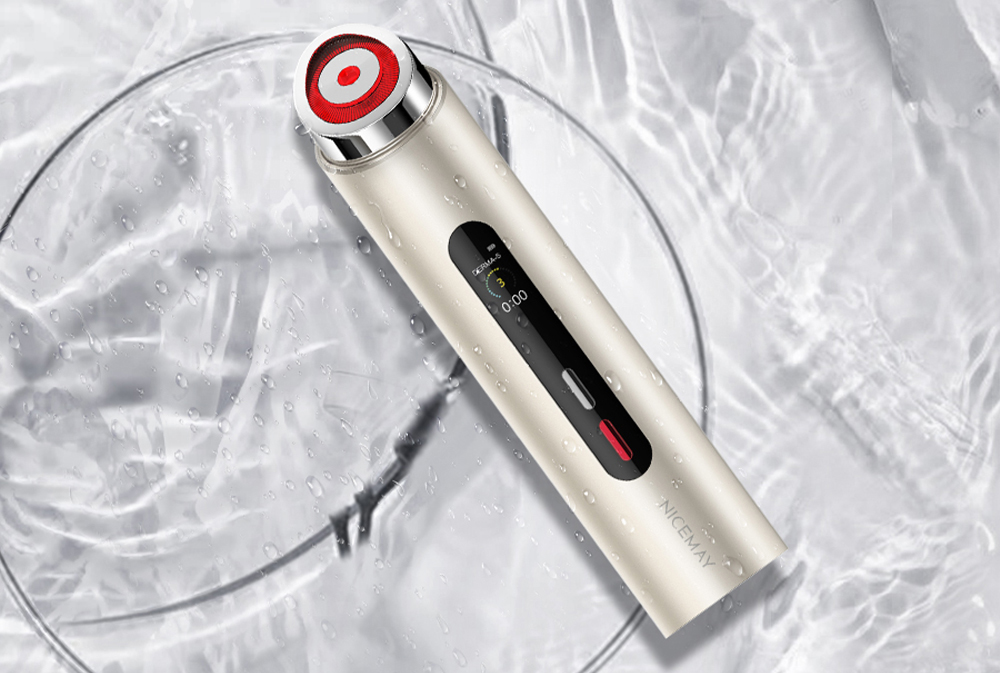
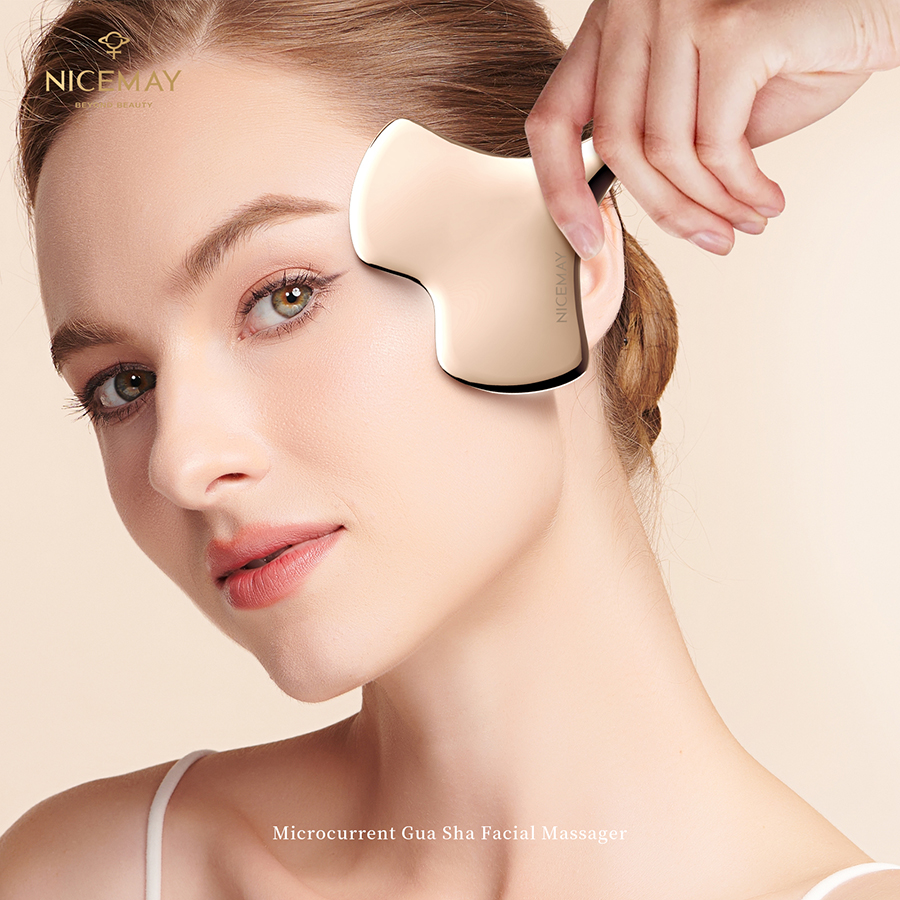
Backed by dermatological research, quality devices from brands like NICEMAY—such as our adjustable LED Facial Mask and Microcurrent Toner—are designed with versatility to suit various skin types effectively at home.

Why Beauty Devices Don't Work the Same on All Skin Types?
Skin types vary by oil production, thickness, sensitivity, and melanin levels, affecting how devices interact (source: Journal of Cosmetic Dermatology, skin type interactions with energy devices, 2023-2025).
Factors influencing performance:
- Sensitivity: Reactive skin may need lower intensity.
- Melanin content: Higher in darker tones increases heat absorption risk.
- Dryness/oiliness: Impacts conductivity and comfort.
Studies show most FDA-cleared devices are broadly compatible but benefit from customization (source: American Academy of Dermatology guidelines, 2025).
How Beauty Devices Work on Different Skin Types
Devices can be adapted for optimal results across Fitzpatrick skin types I-VI, with adjustments ensuring safety and efficacy tailored to individual characteristics.
Dry or Sensitive Skin: Gentler Settings Required
Dry and sensitive skin types often have a compromised barrier and react more readily to stimulation, so lower intensities and non-thermal options are essential to prevent redness or discomfort while still delivering benefits like improved hydration and calm.
Skin types affected: Dry, sensitive, reactive.
Evidence: LED and low-level microcurrent are well-tolerated, showing minimal side effects and gradual improvements in texture and soothing (source: Harvard Health Publishing; Journal of Clinical and Aesthetic Dermatology).
Pro Tips: Start low, use soothing gels, patch test, and incorporate hydrating serums before sessions.
Oily or Acne-Prone Skin: Excellent Compatibility
Oily and acne-prone skin benefits greatly from non-comedogenic technologies that control excess sebum without stripping, helping reduce breakouts and refine pores effectively.
Skin types affected: Oily, combination, acne-prone.
Evidence: 50-70% acne improvement without worsening oiliness, thanks to antibacterial and cleansing effects (source: PubMed LED trials, 2024).
Pro Tips: Cleanse first, avoid heavy gels, and focus on blue LED or ultrasound for oil control.
Normal or Combination Skin: Highly Versatile
Balanced or combination skin responds predictably to most technologies, allowing full use of device features for comprehensive improvements in tone, texture, and firmness.
Skin types affected: Balanced, combination.
Evidence: Broad efficacy across studies with consistent positive outcomes in multi-type trials (source: PMC/NIH multi-type studies).
Pro Tips: Adjust based on zones—gentler on drier areas, standard on oilier ones.
Darker Skin Tones (Fitzpatrick IV-VI): Caution with Heat-Based
Higher melanin levels in darker skin tones absorb more energy from heat-based devices, raising the risk of hyperpigmentation or burns, so non-thermal options and careful monitoring are crucial for safe, effective use.
Skin types affected: Deeper tones.
Evidence: LED safest with excellent results; RF/microcurrent effective at low settings without adverse effects in controlled studies (source: Journal of the American Academy of Dermatology, melanin-energy interactions, 2025).
Pro Tips: Choose non-thermal options like LED first, patch test thoroughly, avoid high heat, and consult pros for personalized guidance.
| Skin Type | Well? | Best Devices | Precautions | Backed By Sources |
|---|---|---|---|---|
| Dry/Sensitive | Yes, with caution | LED, low microcurrent | Low intensity, hydrating prep | Harvard Health; Journal of Clinical and Aesthetic Dermatology |
| Oily/Acne-Prone | Yes, highly | Blue LED, ultrasound cleansing | Avoid occlusive gels | PubMed 2024 trials |
| Normal/Combination | Yes, optimally | All types | Standard use | PMC/NIH multi-type studies |
| Darker Tones (IV-VI) | Yes, selectively | LED, gentle microcurrent | Avoid high heat, patch test | Journal of the American Academy of Dermatology 2025 |
This table assesses do beauty devices work on all skin types with adaptations.
Limitations and Risks for Certain Skin Types
Very sensitive or conditions like eczema/rosacea may react poorly—devices aren’t universal (source: AAD guidelines, 2025). Darker tones risk PIH from improper heat use.
For daily safety, check “Are At-Home Beauty Devices Safe for Daily Use?”. New to this? See “Are Beauty Devices Suitable for Beginners?” for starting tips.
Pro Tips for Using Beauty Devices on Your Skin Type
- Identify your type (Fitzpatrick quiz or dermatologist).
- Patch test new devices.
- Adjust intensity gradually.
- Use barrier-supporting products for sensitive skin.
- Consult pros for darker tones or concerns.
Users across types report positive outcomes with personalization (source: RealSelf reviews, 2024-2025).
Final Thoughts: Effective for Most with Customization
Beauty devices work on nearly all skin types when matched correctly and used mindfully—offering inclusive, personalized home skincare with impressive results for diverse needs.
Ready for your skin type? Explore NICEMAY’s versatile beauty devices, designed with adjustable features for safe, effective use across all tones. Find your perfect match today!
Please fill in your email in the form and we’ll get back to assist you soon!