


Facial Cleansing Brush for Blackheads: Does It Really Work?

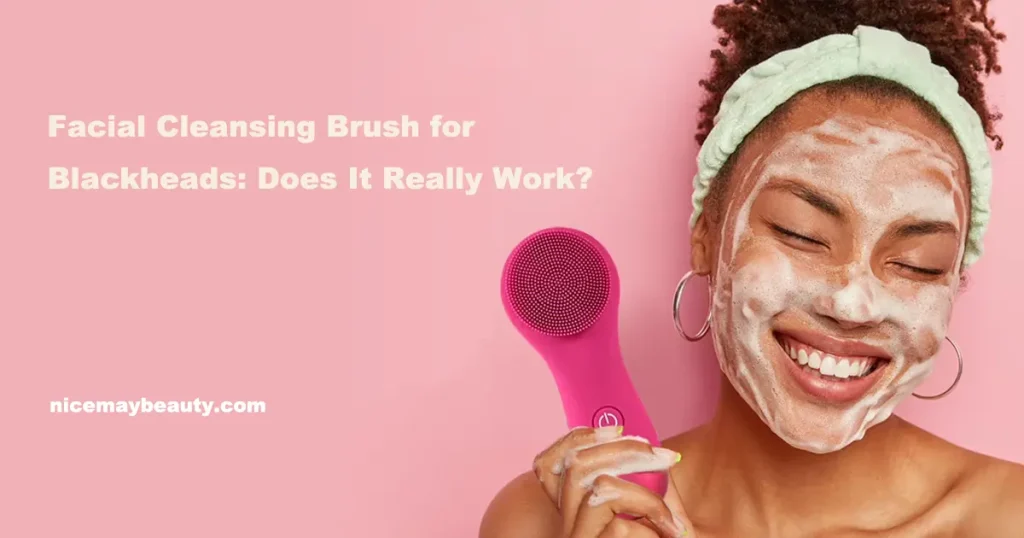
Facial cleansing brushes can meaningfully reduce blackheads by delivering a level of exfoliation and pore-clearing that fingers simply cannot match. Clinical evidence and dermatologist consensus both support their use—particularly sonic and silicone models—when incorporated into a consistent routine two to three times per week. They won’t erase blackheads overnight, but for most skin types, they’re one of the most practical tools available without a prescription.
Why Blackheads Form—and Why They're So Hard to Clear?
Before evaluating any tool, it’s worth understanding what you’re actually dealing with. A blackhead—technically an open comedone—forms when a pore becomes clogged with a combination of sebum (skin oil) and dead skin cells. Unlike a whitehead, the pore remains open, allowing the trapped material to oxidize on contact with air. That oxidation is what turns the plug dark. It is not dirt, and it cannot simply be rinsed away.
The Biological Factors That Make Blackheads Persistent
Sebum Viscosity
Some people naturally produce thicker, stickier oil that adheres more firmly to pore walls, making it harder to dislodge through surface-level washing.
Continuous Cell Turnover
Your skin sheds millions of dead cells daily. Without proper exfoliation, they accumulate at the pore opening and mix with sebum—a cycle that doesn't stop on its own.
Pore Density in the T-Zone
The nose alone contains a higher concentration of sebaceous glands per square centimeter than almost any other area of the face, making it the primary blackhead hotspot for most people.
Genetics and Hormones
Sebum production is regulated partly by androgens, meaning hormonal fluctuations and genetic predisposition influence how prone you are to blackheads regardless of how well you cleanse.
How a Facial Cleansing Brush Targets Blackheads
The core mechanism is straightforward: facial cleansing brushes use bristles or silicone nodules—either manually moved or motor-driven—to create controlled friction across the skin surface. This friction performs three functions that are directly relevant to blackhead management.
1. Mechanical Exfoliation That Goes Beyond Fingers
Human fingertips are poor exfoliants. They’re too soft, too large, and too inconsistent to make meaningful contact with the walls of a pore. Brush bristles and silicone tips, on the other hand, can flex slightly into the pore opening, loosening the upper portion of a sebum plug while simultaneously clearing the rim of dead skin cells that hold it in place. Studies on sonic cleansing devices have demonstrated removal of significantly more surface debris than hand washing alone—not just cosmetically, but at the pore level.
2. Enhanced Cleanser Penetration
This is arguably the most underappreciated benefit. When you apply a blackhead-targeting cleanser—particularly one containing salicylic acid (BHA), which is oil-soluble and designed to penetrate pores—the brush distributes it more evenly and drives it into pore openings with greater efficacy. The result is that your active ingredients actually reach the site where they need to work, rather than sitting on the skin surface until rinsed away.
3. Circulation Stimulation
The gentle massaging action of a cleansing brush promotes local blood flow, which supports healthy skin cell turnover. Over time, regular stimulation can help normalize the rate at which dead cells shed, reducing the raw material available to form new blackheads. This is a longer-term benefit, but one that accumulates with consistent use.
A study published in the Journal of Drugs in Dermatology found that sonic facial brushes used alongside an appropriate cleanser produced measurable reductions in acne lesions—a category that includes blackheads—as rated by both physicians and patients. The improvement was attributed to the combined mechanical and chemical action, not either alone.


Which Type of Facial Cleansing Brush Works Best for Blackheads?
Not all brushes perform equally when it comes to blackhead reduction. The type of brush you choose should be matched to your skin type, sensitivity level, and how entrenched your blackheads are.
Sonic / Electric Brushes
These are the most effective option for most people dealing with blackheads. Sonic brushes generate thousands of micro-vibrations per minute, which physically dislodges debris from within the pore through a mechanism that surface pressure alone cannot replicate. The vibration reaches deeper into pores without requiring you to press the brush harder—which is actually the critical safety advantage. They deliver more cleaning power with less mechanical aggression on the skin surface.
Best for: Normal, combination, and oily skin types with persistent or moderate blackheads.
Silicone Brushes
Silicone cleansing brushes are non-porous, which means they don’t harbor bacteria or mold between uses the way nylon bristles can. For blackhead-prone skin—which is typically also acne-prone—this hygiene advantage is genuinely significant. Silicone nodules provide gentler, broader exfoliation rather than deep pore penetration, making them less effective on entrenched blackheads but far safer for sensitive or reactive skin. They’re also the better daily-use option if your skin tolerates regular cleansing.
Best for: Sensitive, dry, and combination skin with mild blackheads, or for anyone prone to bacterial acne breakouts.
Manual Bristle Brushes
Traditional hand-operated brushes are accessible and inexpensive, but their effectiveness depends almost entirely on user technique. Without the consistent movement pattern of a motor, it’s easy to over-scrub in some areas and under-cleanse in others. For blackheads specifically, they’re a viable starting point—but most people see better results when they upgrade to a powered option.
Best for: Beginners on a budget who want to test their skin’s tolerance before investing in a device.
| BRUSH TYPE | BLACKHEAD EFFICACY | BEST SKIN TYPE | HYGIENE | FREQUENCY |
|---|---|---|---|---|
| Sonic / Electric | High | Normal, Oily, Combination | Moderate (replace heads regularly) | 2–3× per week |
| Silicone | Moderate | Sensitive, Dry, Combination | High (non-porous) | Up to daily |
| Manual Bristle | Low–Moderate | Normal, Oily | Low (bacteria risk) | 2–3× per week |
Is a Facial Cleansing Brush Right for Your Skin Type?
Oily Skin
Excellent candidate. Sonic or bristle brushes help manage excess sebum and significantly reduce blackhead frequency.
Combination Skin
Good candidate. Focus brush use on the T-zone; use lighter pressure on drier cheek areas.
Normal Skin
Suitable with any brush type. Maintain 2–3× weekly frequency to avoid disrupting a balanced skin barrier.
Sensitive / Dry
Silicone only. Start once weekly. Any redness or tightness is a signal to reduce frequency or discontinue.
Active Acne
Avoid. Brushes can spread acne-causing bacteria and inflame existing lesions, making breakouts considerably worse.
Rosacea / Eczema
Avoid. Mechanical exfoliation can trigger significant flare-ups. Consult a dermatologist before use.
How to Use a Facial Cleansing Brush for Blackheads: Key Principles?
The mechanics of brush technique are simple, but small errors in pressure, duration, or frequency make a substantial difference in outcomes. Here are the principles that separate effective use from skin-damaging misuse:
Pair your brush with the right cleanser
A salicylic acid (BHA) face wash is the strongest pairing for blackhead-prone skin. The brush’s mechanical action drives the oil-soluble acid deeper into pores, amplifying its effect. Avoid cleansers with physical scrub beads—doubling up on exfoliation almost always causes irritation.
Use the lowest effective pressure
The brush does the work; your hand simply guides it. Pressing harder does not clean more effectively—it increases friction against the skin surface without adding pore-penetration depth. Let the vibration or bristle motion do its job.
Limit each session to 60 seconds total
Spend roughly 10–15 seconds on each facial zone. The nose and forehead—your highest-density blackhead areas—can receive slightly more attention, but prolonged contact in a single area accelerates irritation without improving results.
Commit to 2–3 sessions per week, not daily
Your skin barrier requires recovery time between exfoliation sessions. Daily brushing is the single most common mistake and the leading cause of the over-exfoliation cycle described above. More frequency does not equal more results—it typically equals more problems.
Clean and dry your brush head after every use
Rinse thoroughly under running water immediately after use, then store bristle-end up in an open, ventilated space. A damp brush sealed in a case is a bacteria incubator—the last thing you want near blackhead-prone skin. Replace brush heads every two to three months.
For a complete, technique-by-technique breakdown of proper brush use—including how to adapt your approach for different skin zones—see our detailed guide: How to Use a Facial Cleansing Brush: Step-by-Step Guide, which covers everything from prep to post-cleanse skincare sequencing.

Facial Cleansing Brush vs. Other Blackhead Removal Methods
A facial cleansing brush rarely works best in isolation. Understanding where it sits in the broader landscape of blackhead treatments helps you build a more effective—and more sustainable—routine.
Salicylic Acid (BHA) Exfoliants
The most complementary pairing available. BHA penetrates the lipid layer inside pores and chemically dissolves the sebum binding blackheads to pore walls. Used with a brush, you get both mechanical disruption at the surface and chemical dissolution from within. Either alone is good; together, they’re meaningfully better. Start by using them on the same days, and monitor your skin’s tolerance carefully.
Pore Strips
Pore strips deliver the immediate visual satisfaction of seeing extracted material on an adhesive strip—but they only remove the superficial tip of a blackhead plug. The deeper portion remains in the pore and typically reforms within days. They also repeatedly stress the pore opening, potentially making it appear larger over time. Occasional use for visible surface-level blackheads is fine; relying on them as a primary strategy is not.
Clay Masks
A useful supplementary tool that draws excess oil to the skin surface and reduces sebum availability in pores. Clay masks work more slowly than mechanical methods but are gentle enough for more frequent use. Incorporating a clay mask on non-brush days creates a productive alternating rhythm that keeps pores cleaner without overworking the skin barrier.
Manual Extraction
Performed by a licensed esthetician or dermatologist, professional extraction can physically remove blackheads that no topical method will fully address. Done incorrectly at home, however, it risks pushing debris deeper, rupturing the pore wall, causing post-inflammatory hyperpigmentation, and creating scarring. If home methods are insufficient, professional extraction is worth considering—DIY extraction is generally not.
FAQs About Facial Cleansing Brush for Blackheads
How long before I see results on my blackheads?
Can I use a facial cleansing brush on my nose every day?
Should I use a facial brush before or after a face mask?
Is an electric brush worth the cost over a manual one for blackheads?
What happens if I use a facial brush with active breakouts?
Can a facial cleansing brush permanently shrink pores?
Pore size is primarily determined by genetics—no device or product permanently alters pore structure. What a brush can do is keep pores clear of debris, which reduces their apparent size, since clogged, stretched pores look larger than clean ones. Consistent use maintains this effect, but it reverses when you stop. For more detail on pore minimization specifically, see our guide on facial cleansing brushes for pore minimizing and deep cleaning.
Please fill in your email in the form and we’ll get back to assist you soon!