


How Do Beauty Devices Affect Thin Skin? (2026 Safe Guide to Avoid Bruising & Redness)

Thin skin reacts more intensely to beauty devices—often bruising easily, showing prolonged redness, or feeling “tearing”—but gentle red LED and low microcurrent are safe and effective when used carefully, helping rebuild collagen without damage.
If you’ve noticed visible veins popping through, bruises from the lightest touch, or that fragile “paper-thin” feel where even light pressure leaves marks for days, thin skin can make beauty devices feel risky.
The truth? In 2026, the right gentle technologies support thin skin beautifully—without trauma. This guide explains exactly how thin skin reacts to beauty devices, common pitfalls, safe winners, and dermatologist tips for stronger, less fragile results.

Understanding Thin Skin and Beauty Devices
Thin skin develops when the dermis loses significant collagen and elastin—typically thinning by about 20% per decade after age 40—or from cumulative sun damage, long-term corticosteroid use, smoking, or genetic predisposition.
This results in reduced subcutaneous fat cushioning, capillaries sitting closer to the surface, decreased skin density, and impaired healing capacity.
Beauty devices on thin skin demand precision: any excess pressure, heat, or vibration can exploit this fragility, causing micro-vascular damage, petechiae (tiny pinpoint bruises), or surface tears that heal slowly.
Why Thin Skin Bruises and Reddens Easily with Beauty Devices ?
Fragile capillaries in thin skin rupture under minimal mechanical stress—suction tools pull blood into surrounding tissue, creating purple bruises that linger 7-14 days; even gliding without enough gel generates friction sufficient for pinpoint bleeding or raw sensation.
Heat from RF devices dilates already prominent vessels, triggering flushing that resolves slowly due to weakened vascular tone.
High-risk zones like temples, cheekbones, undereyes, and neck (where skin is naturally thinnest) show the fastest negative reactions to beauty devices on thin skin—often feeling “stretched” or painful post-use.
Dermatology studies confirm elevated complication rates, with thin-skinned individuals experiencing 2-3x longer recovery from minor trauma compared to normal thickness.
Positive Reactions: Gentle Support for Thin Skin
When technologies avoid trauma, thin skin responds positively through non-invasive collagen induction therapy pathways.
Red/NIR LED activates fibroblasts to synthesize new matrix proteins, gradually increasing skin density without stressing vessels.
Low microcurrent enhances ATP production and microcirculation, delivering nutrients deeper for subtle repair.
Real progression: softer, less crepey texture emerges around 4 weeks; measurable firmness and reduced vein visibility build by 8-12 weeks—steady, cumulative gains that make thin skin feel more resilient.
How Different Beauty Device Technologies Affect Thin Skin ?
Here’s a detailed breakdown of common technologies and their specific reactions on thin skin.
On thin skin, red/NIR LED is the clear safest choice among beauty devices—delivering photons that absorb into mitochondria to trigger collagen induction therapy and anti-inflammatory effects without heat, pressure, or vibration.
No mechanical load means absolutely zero bruising or petechiae risk, even directly over visible veins.
Clinical reviews of aging thin skin demonstrate 15-25% dermal density increase over 12 weeks, with enhanced elasticity and reduced translucency.
Early wins: decreased “crepey” appearance and softer feel in 4 weeks; deeper structural support and faded vascular show by weeks 8-12.
Sensation is neutral—perfect for daily non-invasive skin tightening on delicate skin.
Conclusion for thin skin: Highly recommended—safest overall option.
On Thin Skin, Low Microcurrent Offers Subtle Benefits
Pressure-free delivery avoids vessel trauma.
Users experience gentle awakening of slack areas—reduced fine crepiness in 4-6 weeks, modest lift and better hydration by weeks 8-10.
Exceeding 300 µA risks transient redness on very thin zones; stay conservative.
Conclusion for thin skin: Safe and beneficial at strictly low intensity.
On thin skin, RF’s controlled heating aims for collagen remodeling but frequently causes uneven energy distribution due to minimal fat insulation, resulting in burns, prolonged erythema, or petechiae—recovery can take 48-72 hours or longer if irritation occurs.
Ultrasound’s vibrational waves, even at moderate levels, stress fragile capillaries into micro-bleeds on high-risk areas.
2026 models with AI pressure feedback and real-time impedance sensors (detecting thin skin automatically) reduce risks by pausing if stress rises, but dermatologists still classify RF/ultrasound as conditionally safe—professional supervision preferred.
Conclusion for thin skin: Not recommended at home; high risk of complications.
Devices That Commonly Cause Problems on Thin Skin
Suction-based vacuum devices create negative pressure that pulls fragile capillaries outward, producing bruises or petechiae lasting 7-14 days—especially problematic on cheeks, neck, or undereyes.
Aggressive abrasion (diamond-tip microderm) or intense rolling tears surface layers, delaying healing significantly.
High-frequency or strong IPL over-dries thin barriers, exacerbating translucency.
Conclusion for thin skin: Avoid entirely—mechanical trauma is almost guaranteed.
TL;DR: For thin skin, non-thermal LED is safest, microcurrent is acceptable at low settings (under 300 µA), while RF and suction should generally be avoided.
| Technology | Reaction on Thin Skin | Safety Level | Key Benefits | Common Risks | Recovery Time if Issue Occurs |
|---|---|---|---|---|---|
| Red/NIR LED | Gentle, no trauma | Very High | Collagen boost, healing | Rare dryness | Immediate (0-30 min) |
| Low Microcurrent | Subtle, supportive | High | Circulation, subtle firming | Temporary redness if too strong | 1-24 hours |
| RF / Intense Ultrasound | Heat/vibration stress | Low | Tightening (professional only) | Bruising, burns, petechiae | 48-72 hours or longer |
| Suction / Abrasion | Mechanical pulling/tearing | Very Low | None recommended | Bruises lasting days, surface damage | 7-14 days |
Benefits of Safe Beauty Devices for Thin Skin
Safe beauty devices for thin skin trigger gentle collagen induction therapy, gradually restoring skin density and elasticity.
LED increases glycosaminoglycans for better hydration, while microcurrent enhances vascular support to minimize visible veins.
Progressive timeline: initial softening and reduced crepiness in 4 weeks; measurable thickness gains and smoother texture by 8 weeks; optimal firmness and decreased translucency by 12 weeks.
Many users report everyday wins—no more pillow marks or accidental bruises—building confidence in fragile areas.
For broader anti-aging on thin mature skin, explore “ Are Beauty Devices Suitable for Aging Skin “.
Potential Risks and Common Mistakes on Thin Skin
Core risks: easy bruising from pressure/heat, petechiae from vibration/suction, prolonged redness from vascular overload.
Common mistakes include pressing devices too firmly (even “light gliding” stresses thin skin without thick gel), treating danger zones aggressively, or escalating intensity too quickly chasing tightening.
Danger zones to avoid entirely: directly over visible veins, temples, immediate undereye (above orbital bone), carotid artery area on neck, and any recent bruise sites.
If petechiae or bruises appear, pause 1-2 weeks minimum—persistent marks need dermatologist evaluation.
Rosacea often overlaps with thin skin—see “ Are Beauty Devices Safe for Rosacea-Prone Skin? “ for related guidance.
Best Practices and Common Mistakes to Avoid on Thin Skin
Secure professional thickness assessment first (visual or ultrasound).
Select exclusively non-thermal, pressure-free beauty devices for thin skin.
Apply thick conductive gel (pea-sized per section, spread to 2-3mm layer) to eliminate friction—thin skin tolerates zero drag.
Begin with 5-minute sessions at absolute lowest power, increasing only after 3-4 tolerated weeks.
Skip danger zones completely; focus on mid-cheeks or forehead if needed.
Common error: ignoring early petechiae as “normal circulation”—they signal vessel damage; reduce immediately.
Pitfall: combining with actives same day or insufficient gel—amplifies fragility dramatically.
Monitor daily with consistent photos; layer rich emollients (shea butter, ceramides) post-session and daily SPF 50+.
Best Practices and Common Mistakes to Avoid on Thin Skin
- Omnilux Contour Face — Best for Visible Veins & Translucency: Flexible medical-grade silicone ensures zero pressure points on bony areas—gradual thickening for bruise-prone thin skin.
- CurrentBody LED Mask — Best for Daily Gentle Repair: Hands-free design with no contact pressure—perfect for widespread thin skin calming and collagen support.
- ZIIP Halo — Best for Subtle Lifting on Fragile Areas: Ultra-low microcurrent (<300 µA) with feather-light probes—targeted firming for crease-prone thin skin without vessel stress.
- Solawave Wand — Best for Spot Treatment: Lightweight portable red light—no gliding pressure needed—safe for delicate undereye or cheek veins on translucent aging skin.
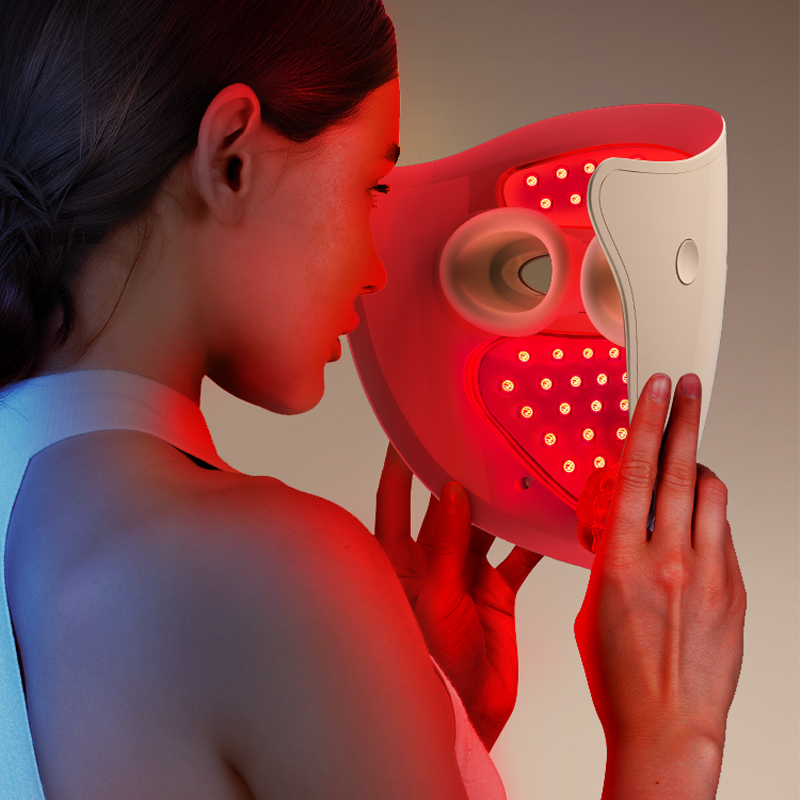
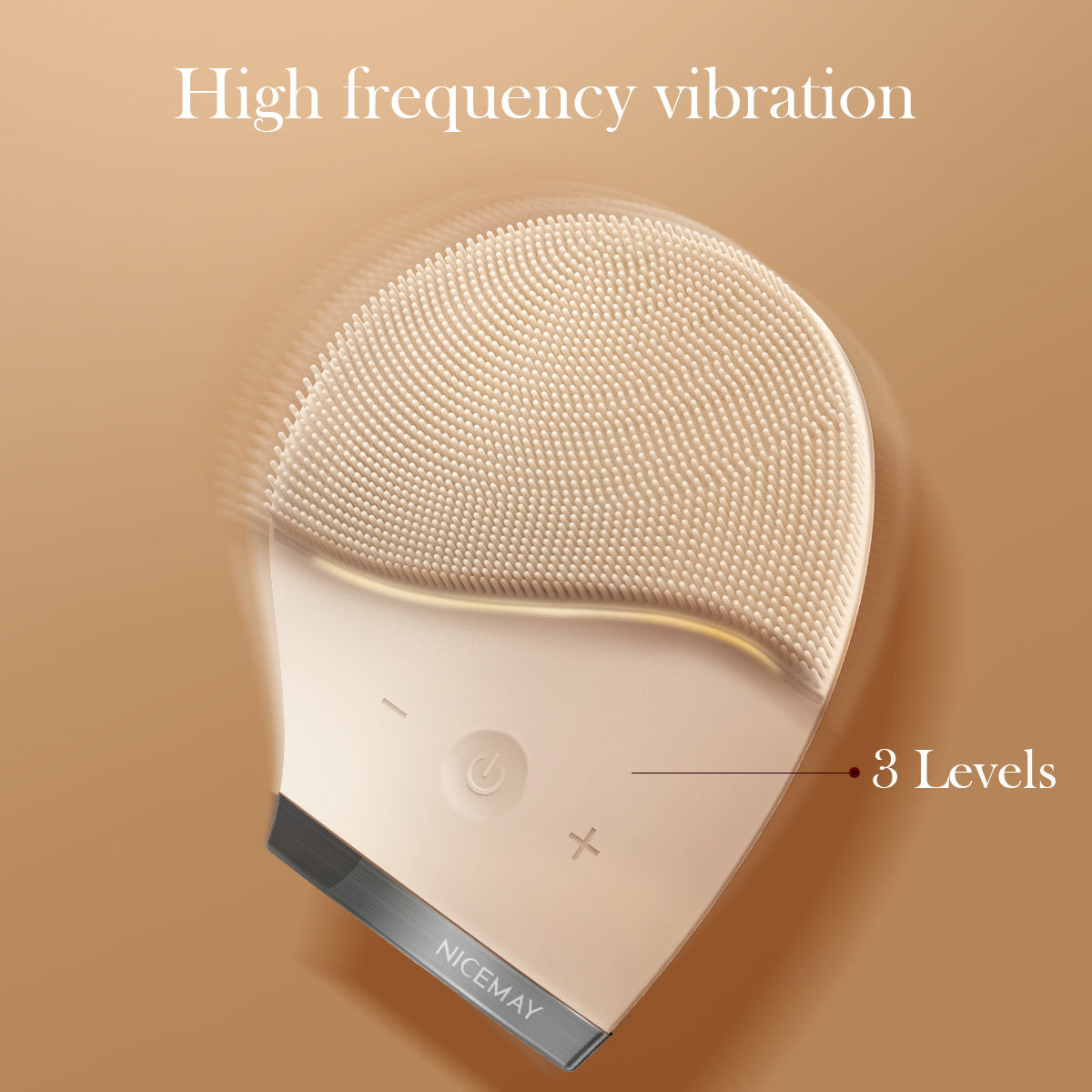
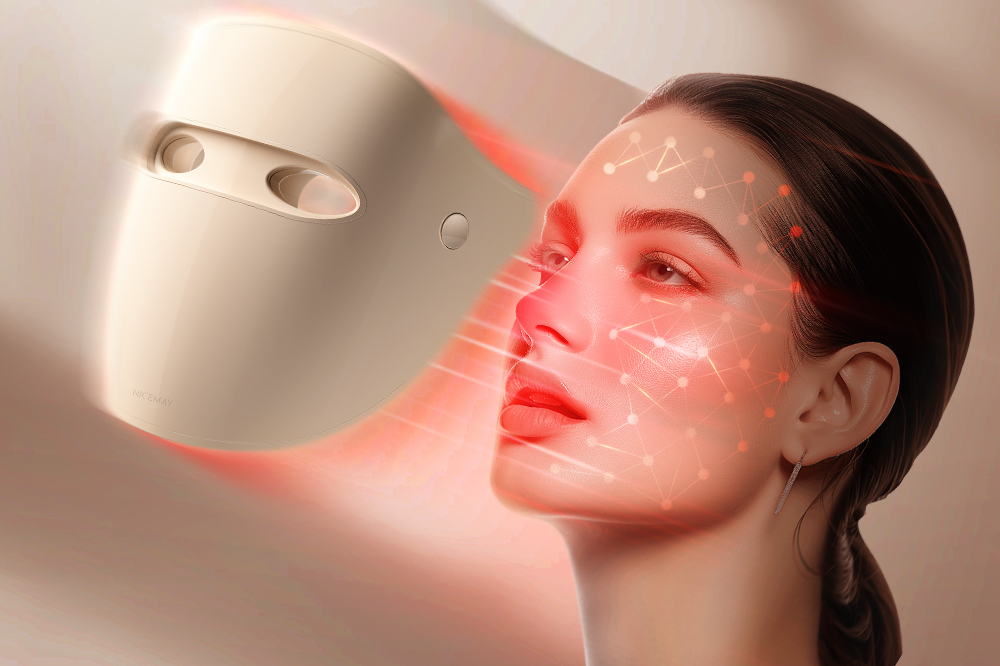
- NICEMAY Red Light Therapy Device — Best Budget Gentle Option: Portable LED with ultra-low intensity modes and soft silicone head—ideal for beginners with thin, easy-bruise skin seeking non-invasive tightening.
2026 reactivity sensors with AI pressure feedback auto-pause if excess force detected—revolutionary for thin skin safety.
FAQs About Beauty Devices For Thin Skin
Can RF tighten thin skin without causing bruises?
Rarely at home—most dermatologists recommend avoiding RF on thin skin due to high bruising risk from heat. Professional low-energy microneedling RF may work, but start with LED/microcurrent instead.
How soon can I see improvement on thin skin with LED?
Subtle softening and less “crepey” feel often starts in 4 weeks; visible thickness and reduced vein show takes 8-12 weeks of consistent gentle use.
Will microcurrent cause bruising on very thin skin?
Not at proper low settings (<300 µA)—it’s pressure-free. Higher intensity can cause temporary redness or minor vessel stress, so always begin minimal.
Is thin skin the same as sensitive skin?
No—thin skin is structurally fragile (less collagen/fat), while sensitive is neurologically reactive (stinging/redness). Many overlap, but thin skin bruises more easily from physical stress.
What if I get small red dots (petechiae) after a device?
Stop immediately—these are tiny broken capillaries common on thin skin under stress. Wait 1-2 weeks, then restart much gentler or switch to pure LED.
Conclusion: Safe Beauty Devices for Thin Skin in 2026
Thin skin reacts strongly to beauty devices—bruising, redness, or strain from wrong choices—but gentle red LED and low microcurrent deliver real repair and subtle rejuvenation when used mindfully. Avoid common mistakes, prioritize low settings, and enjoy stronger, less fragile skin over time.
Please fill in your email in the form and we’ll get back to assist you soon!