Can ten minutes a day really replace a $300 facial? If you’re rotating between a microcurrent wand, an RF tool, and an LED mask but seeing inconsistent results, the problem usually isn’t the devices—it’s the sequence. Most people stack tools randomly or skip prep, which cancels out the very currents and heat that are supposed to lift and firm. Below is a clinically-informed, minute-by-minute at-home anti-aging device routine that respects how each technology actually penetrates skin, so your ten minutes produce visible tightening instead of wasted effort.
Why Order Matters in an Anti-Aging Device Routine?
Skipping the sequence is the single biggest reason people don’t see results after weeks of “consistent” use. Microcurrent, EMS, RF, and LED each work at different depths and require different skin conditions to function properly.
Microcurrent/EMS needs a moist, conductive surface (gel or hydrating serum) to deliver its 50–1000 μA current effectively into facial muscle fibers.
Radio Frequency needs that same conductive gel removed first, replaced with an RF-specific gel, because microcurrent gel formulations aren’t designed to handle the 1–10 MHz frequency RF tools emit and can cause uneven heat distribution.
A common mistake: applying RF gel, then layering LED light therapy on top without wiping the face clean. The gel film reflects and scatters the light, cutting photobiomodulation efficacy by a wide margin. Always treat your routine as sequential layers, not a stack—clean the slate between each modality.
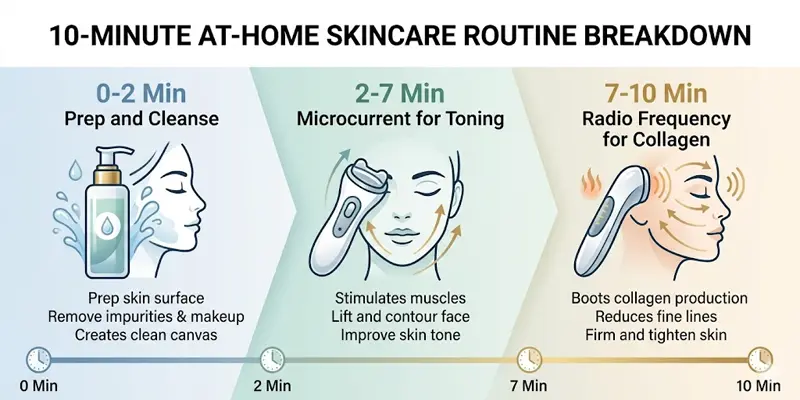
The 10-Minute At-home Beauty Device Using Routine: Minute-by-Minute Breakdown
Minutes 0–2: Prep and Cleanse
Use an oil-free, water-based cleanser only. Residual SPF, heavy moisturizer, or facial oil acts as an insulating barrier, and even a thin oily film can reduce microcurrent conductivity by over 30% based on conductivity testing of common skincare bases. Follow with a peptide-rich, water-based serum (not oil-based) to create slip without blocking current.
Minutes 2–7: Microcurrent or EMS for Muscle Toning
Apply a generous, even layer of water-based conductive gel—this is non-negotiable; running these devices dry or with insufficient gel is the top cause of skin irritation and inconsistent results.
Device choice matters here. Microcurrent (e.g., NuFACE Trinity+, Foreo BEAR) delivers a low-level current (typically under 500 μA) that mimics natural bioelectric signals to re-educate facial muscles over time—gradual, cumulative lifting. EMS delivers a stronger pulse to trigger visible, immediate muscle contraction, better for an instant “event-ready” lift but less suited to daily long-term toning.
A failure mode I see often: budget devices without biphasic current or auto shut-off causing muscle fatigue and, paradoxically, looser-looking skin after 2–3 months of overuse. Look for FDA Class II clearance and a stated μA range before buying—it’s the clearest signal the waveform has been safety-tested. For a full breakdown of which devices meet this bar, see our guide to the Best At-Home Anti-Aging Devices of 2026.
Glide upward and outward along the jawline, cheekbones, and forehead. Hold 2–3 seconds at each lift point. Never drag quickly—speed reduces muscle stimulation time per area.
Minutes 7–10: Radio Frequency for Collagen Building
Wipe off all microcurrent gel completely, then apply manufacturer-approved RF gel. RF devices (like Silk’n) heat the dermis to roughly 42–45°C, the threshold clinically associated with triggering fibroblast activity and new collagen/elastin synthesis—without causing the tissue damage that occurs above 45°C. This is why monitored, FDA-cleared devices with auto temperature regulation matter far more in this category than in microcurrent.
Move the device in continuous circular motions—never hold it stationary—across the mouth area, jawline, and forehead. Three minutes is enough; longer sessions don’t add benefit and increase the risk of localized overheating, especially over thin-skinned areas like under the eyes.
Choosing One Device Over Three: The Multi-Action Shortcut
Not everyone wants three separate tools cluttering a bathroom shelf, and switching between devices mid-routine is exactly where most people lose consistency. This is where combination devices earn their place: a single handpiece that delivers microcurrent, RF, and LED in sequence removes the gel-switching friction entirely.
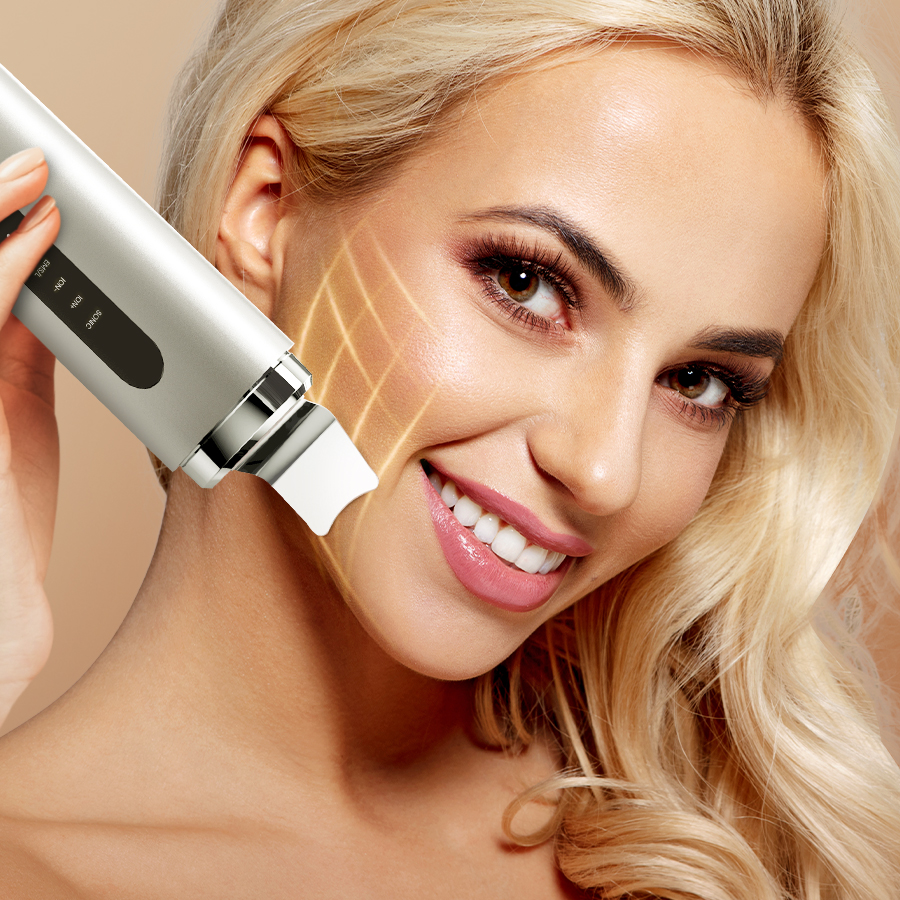
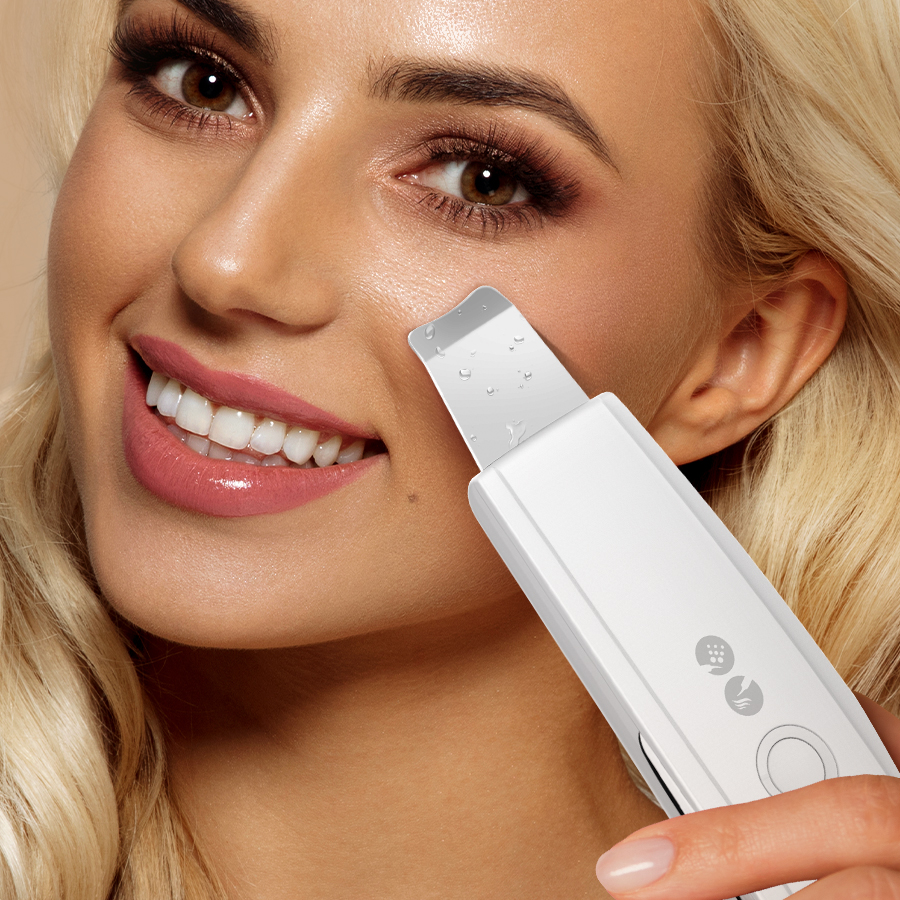
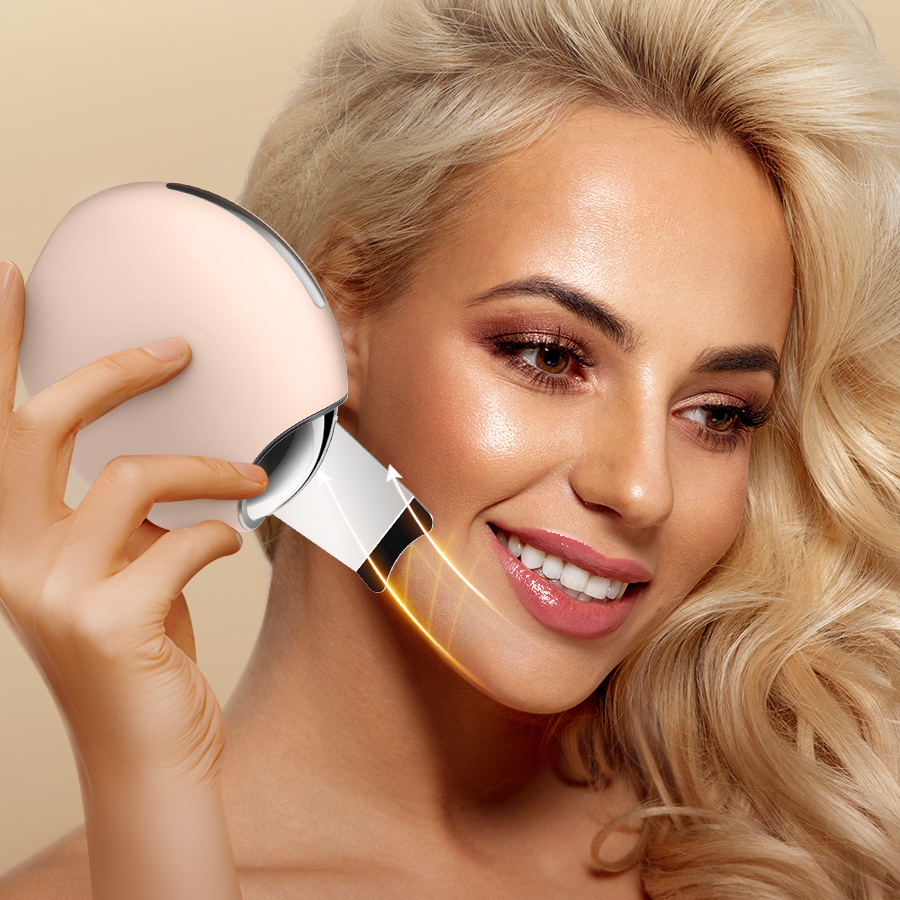
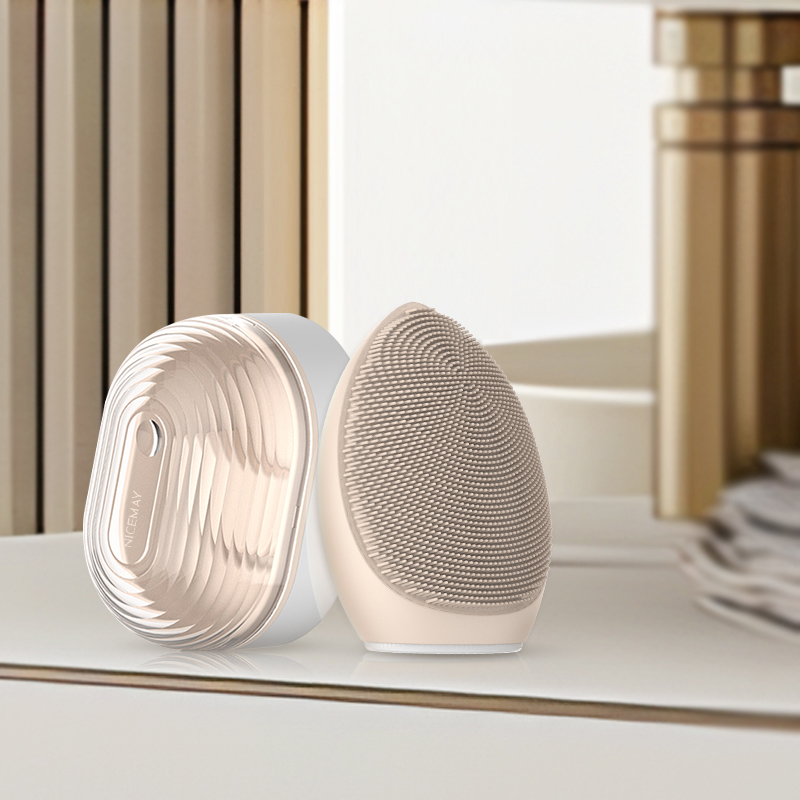
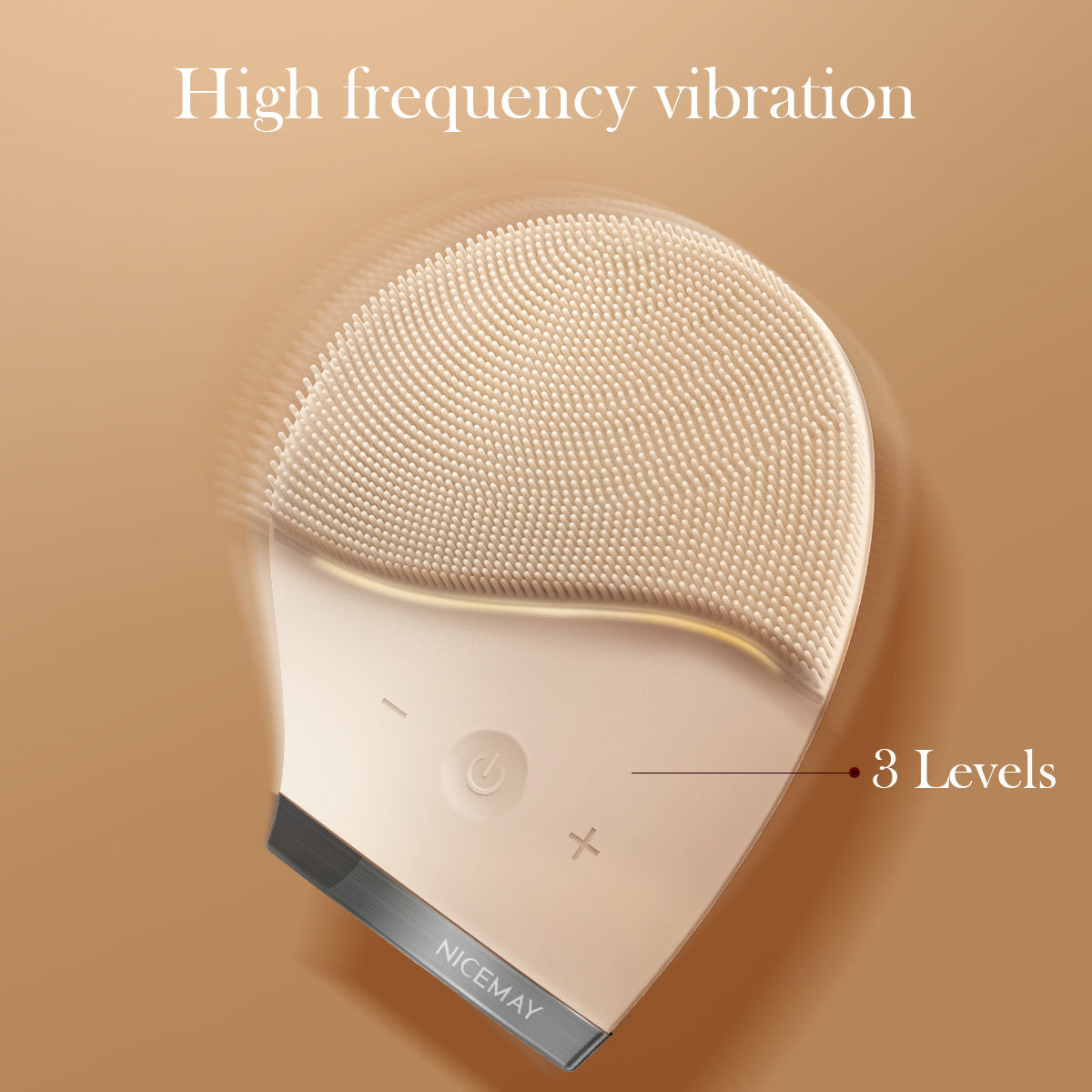
The NICEMAY MR-2590 LumiLift Pro Multi-Action Facial Device is built around this exact problem—it integrates microcurrent toning, RF heating, and LED light therapy into one device, so the “switch modalities” step in this routine becomes a single setting change rather than picking up a new tool. For readers who found the gel-removal step above tedious, a multi-action device like this is the practical fix; you can see the full specs on the NICEMAY MR-2590 LumiLift Pro product page.
Whichever path you choose—single-purpose tools or a combination device—the underlying physics (conductivity, temperature thresholds, wavelength penetration) doesn’t change, so the sequence above still applies.
Realistic Results Timeline by Age and Skin Concern
Setting honest expectations prevents people from abandoning a working routine too early or overusing a device chasing instant results.
Mid-20s to early 30s (early fine lines, prevention): Visible “glow” and tightness immediately post-session; structural collagen changes typically appear around week 6–8 with daily use.
Mid-30s to 40s (moderate sagging, nasolabial folds): Microcurrent lift is visible same-day but temporary (12–24 hours) for the first 3–4 weeks; cumulative muscle toning and RF-driven collagen remodeling become noticeable around week 8–12.
50+ (significant laxity, deeper wrinkles): At-home devices meaningfully soften texture and provide a temporary lift, but expect a longer runway—12–16 weeks—and understand that at-home RF/microcurrent intensities are calibrated lower than in-office devices for safety, so results will be more gradual than a professional treatment.
A mistake I see across age groups: stopping after 2–3 weeks because results “plateaued.” Collagen remodeling is a 6–12 week biological process regardless of device power—consistency matters more than intensity.
What This At-home Beauty Device Using Routine Costs You Long-Term
Beyond the device price, factor in replacement conductive gel (roughly $10–20/month with daily use), occasional applicator head replacements for EMS devices, and the time cost itself. A genuinely effective 10-minute routine, done daily, is a far better investment than an expensive device used twice a month—consistency, not device price, is the strongest predictor of visible results in every clinical protocol I’ve reviewed.
Safety Notes Before You Start
Avoid RF and microcurrent over active acne, broken capillaries, or recent fillers/Botox (wait per your injector’s guidance, typically 2 weeks).
Don’t combine same-night use with strong retinoids or acids the first few weeks—both increase skin sensitivity, and the combination can heighten irritation risk.
FAQs About How to Build a 10-Minute At-Home Anti-Aging Device Routine
Can I do this 10-minute routine every day?
Microcurrent and RF are generally safe for daily use when devices are FDA Class II cleared with auto shut-off features. LED is typically fine daily too, but always confirm with your specific device’s manual since power output varies by model.
Do I need to use conductive gel, or can I use my regular moisturizer?
Use conductive gel for microcurrent/EMS and RF-specific gel for radio frequency. Regular moisturizers, especially oil-based ones, don’t conduct current properly and can reduce device effectiveness significantly.
Which should I buy first if I can only afford one device?
For visible, fast results, microcurrent gives the most immediate lifting effect. For long-term structural improvement (fine lines, skin laxity), RF builds collagen more directly. A multi-action device that combines both, like the NICEMAY MR-2590 LumiLift Pro, solves this either/or decision.
Why does my skin look more lifted right after using microcurrent but flat by the next morning
That’s the expected pattern in the first 3–4 weeks—early lift is mostly temporary muscle stimulation, not yet structural change. Cumulative toning that holds longer develops around week 8 with consistent daily use.
Is it safe to use an at-home RF device near my eyes?
Most manufacturers explicitly exclude the orbital area from RF treatment due to thin skin and proximity to the eye. Stick to the forehead, cheeks, jawline, and around (not directly on) the mouth area.