


How to Combine EMS and Red Light Therapy in One Routine?

EMS and red light therapy are two of the most clinically backed technologies in at-home beauty devices — but most people use them separately and leave real results on the table. Combining them in the right sequence amplifies both: EMS contracts and sculpts, while red light repairs and rebuilds at the cellular level. Get the order wrong, though, and you’re working against yourself. Here’s exactly how to stack them for maximum results.

Why EMS and Red Light Therapy Combination Works — The Science Behind the Synergy
EMS (Electrical Muscle Stimulation) delivers low-frequency electrical pulses — typically 1–120 Hz — that cause involuntary muscle contractions. On the face, this translates to improved muscle tone, lifted contours, and increased lymphatic drainage. For the body, it relieves tension and stimulates circulation.
Red light therapy (RLT), also called photobiomodulation, uses wavelengths of 630–660 nm (visible red) and 830–850 nm (near-infrared) to penetrate the dermis at depths of 1–5 mm. At these depths, light energy stimulates mitochondrial activity in fibroblasts, boosting ATP production and triggering collagen synthesis. A 2014 study published in Photomedicine and Laser Surgery found that participants receiving red light therapy showed a statistically significant improvement in skin complexion and collagen density after just 30 sessions.
The synergy is physiological: EMS creates micro-stress in muscle tissue — a necessary stimulus for toning — while red light directly accelerates the cellular repair process that follows. Think of EMS as the workout and red light as the recovery protocol. Running them in this order isn’t a preference; it’s biology.
Key rule: Always do EMS first, red light second. Reversing this sequence reduces the therapeutic benefit of red light, which is most effective on post-stimulation tissue.
The Correct Sequence: Facial Toning & Skincare Routine

This protocol is designed for facial use — targeting the jawline, cheekbones, nasolabial folds, and forehead.
Step 1 — Cleanse Thoroughly
Remove all makeup, SPF, and oil-based products. Residue creates an uneven surface that disrupts EMS conductivity, causing pinching or inconsistent stimulation. Use a gentle, non-residue cleanser.
Step 2 — Apply Conductive Gel or Water-Based Serum
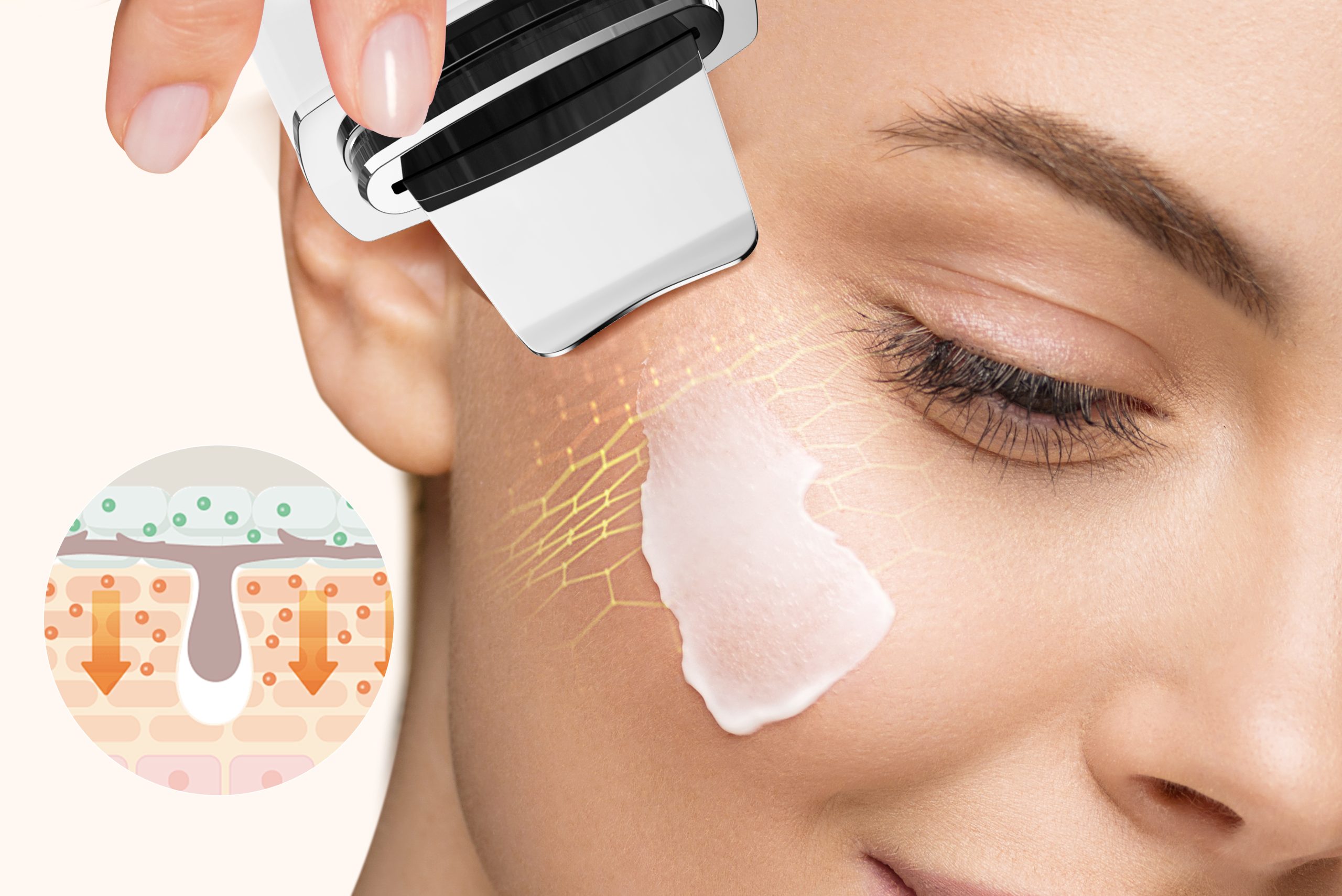
EMS requires a conductive medium between the device and skin. A water-based serum (hyaluronic acid serums work well) or purpose-made conductive gel reduces impedance and allows the current — typically 50–350 µA for microcurrent devices or up to 10 mA for stronger EMS tools — to glide smoothly. Never use oil-based products under EMS; they block conductivity entirely.
Step 3 — EMS Session (3–5 Minutes)
Set your device to a low or moderate intensity. Use upward and outward strokes along the jawline, cheekbones, and forehead. Most clinical protocols recommend 3–5 minutes per zone. Avoid lingering on one spot for more than 5 seconds to prevent overstimulation.
Step 4 — Remove the Gel
Lightly wipe off the conductive gel with a damp cloth. Don’t leave it on — the residue can scatter and absorb LED wavelengths, reducing red light penetration by up to 30% in some tests.
Step 5 — Red Light Therapy (10–15 Minutes)
Apply your RLT panel or LED mask. For collagen stimulation, look for a device delivering at least 30–50 mW/cm² of irradiance, targeting the 630–660 nm range. Near-infrared (830 nm+) adds deeper tissue repair. Relax and let the device work — this phase addresses any mild erythema caused by EMS while actively stimulating cellular recovery.
Step 6 — Moisturize
Apply a hydrating moisturizer or peptide cream. Post-RLT skin has elevated cellular receptivity, making this the optimal window for active ingredient absorption.
The Correct Sequence: Body Muscle Recovery & Pain Relief

For larger muscle groups — lower back, thighs, shoulders — the protocol shifts slightly:
Step 1 — Prep the Skin
Ensure the treatment area is completely dry and free of lotions. EMS pads require maximum skin contact; even light moisturizer can reduce adherence and current delivery.
Step 2 — EMS Session (10–15 Minutes)
Place adhesive EMS pads or a handheld device on the targeted muscle group. Use a gentle program — typically 30–50 Hz for muscle relaxation or 80–120 Hz for toning. Run for 10–15 minutes. Post-session, muscles will feel fatigued — this is normal micro-stimulation.
Step 3 — Red Light Therapy Session (15–20 Minutes)
Remove pads and position your RLT device directly over the treated area, ideally within 1–5 cm of the skin for optimal irradiance delivery. At 850 nm near-infrared, photons penetrate 3–5 mm into soft tissue, accelerating the clearance of lactic acid and reducing inflammatory markers like PGE2. This is why professional sports recovery clinics commonly stack EMS and red light within the same session.
Choosing the Right Device: What the Specs Actually Mean
| Feature | What to Look For | What to Avoid |
|---|---|---|
| EMS frequency range | 1-120 Hz adjustable | Single-frequency devices |
| Microcurrent range | 50-350 µA for face | Devices without µA specs listed |
| Red light wavelength | 630-660 nm + 830-850 nm | Vague “LED” claims without nm data |
| RLT irradiance | ≥30 mW/cm² | <10 mW/cm² (underpowered) |
| Safety certifications | CE, FDA-cleared, or equivalent | No certifications listed |
A common mistake: choosing a cheap combination device that delivers EMS and red light simultaneously rather than sequentially. Simultaneous delivery doesn’t allow the tissue to respond appropriately to either stimulus. Look for devices with distinct, programmable modes.
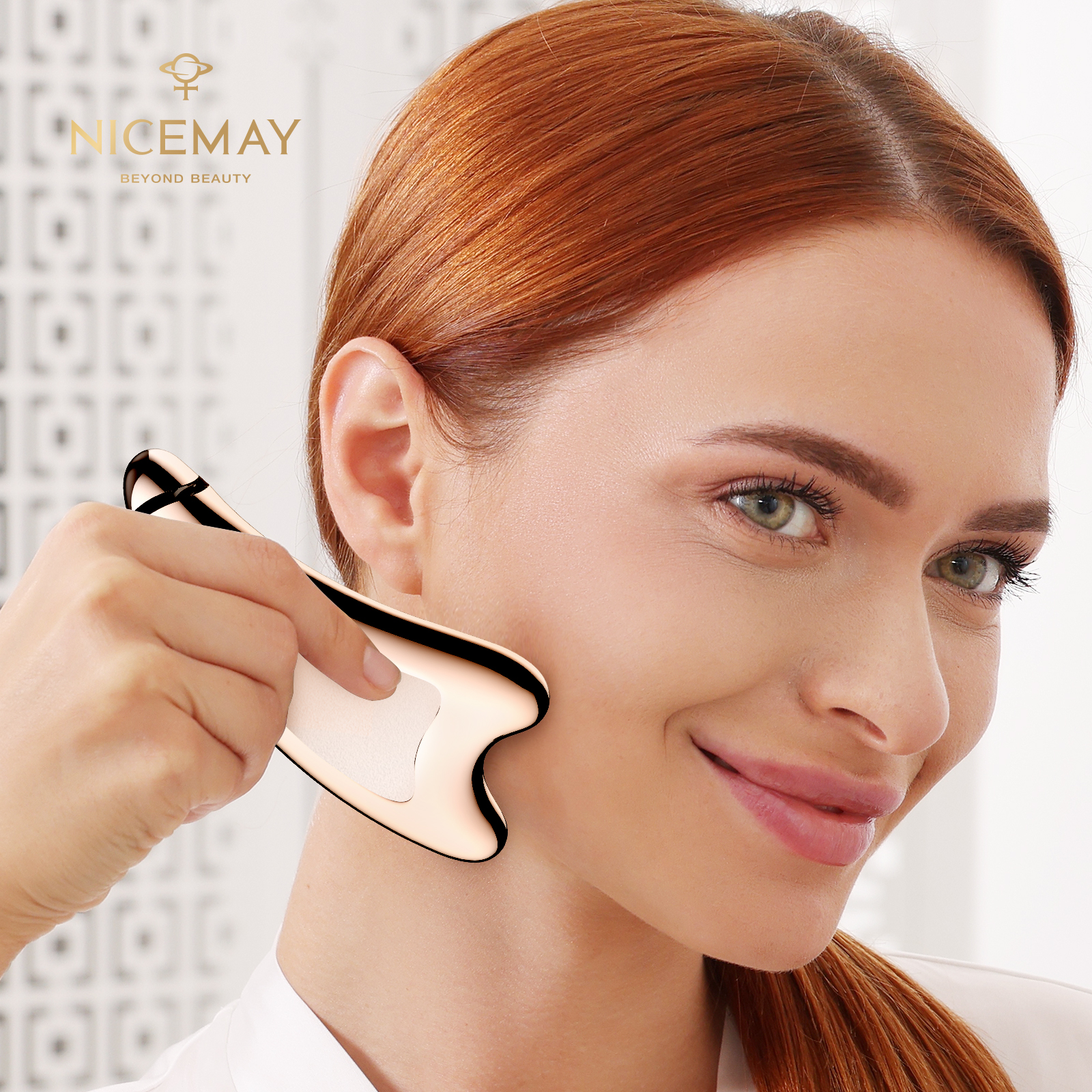
One device worth considering is the NICEMAY MR-2121 Photon Therapy RF Skin Rejuvenating Device, which combines photon therapy with RF (radiofrequency) energy for skin rejuvenation. RF and red light work synergistically similarly to EMS and RLT — RF heats the dermis to 42–45°C to trigger collagen remodeling, while photon therapy accelerates cellular repair. It’s a compact, well-specified option for those who prefer a single-device routine that targets both tissue firmness and skin quality.
For users considering whether EMS or red light is better suited to specific concerns like dark circles, this breakdown of EMS vs. Red Light Therapy: Which Works Better for Dark Circles? is worth reading before building your routine.
Frequency, Timing, and Avoiding Overuse
The most overlooked variable in combined routines is recovery time. Overuse is where most people fail — not underuse.
Recommended frequency: 3–4 sessions per week for facial protocols; 4–5 times per week for body recovery. Daily use of EMS on the face, especially without proper microcurrent calibration, can cause muscle fatigue and — in documented cases with incorrect waveform devices — paradoxical facial loosening due to muscle exhaustion. Biphasic waveform EMS devices reduce this risk significantly compared to monophasic designs.
Session spacing: Allow at least 24 hours between facial EMS sessions. Red light can be used daily if irradiance stays below 60 J/cm² cumulative dose per session.
Timeline for results:
- Improved skin tone and radiance: 2–4 weeks
- Visible facial contouring: 6–8 weeks of consistent use
- Collagen density improvement (measurable via ultrasound): 12+ weeks
Safety Considerations and Contraindications
Understanding the boundaries of these technologies prevents harm and protects your results.
Do not use EMS if you:
- Are pregnant
- Have an implanted pacemaker or any electronic medical device
- Have a history of epilepsy or seizure disorders
- Have metal implants in the treatment area
Avoid both technologies on:
- Broken, blistered, or actively inflamed skin
- Open wounds or active acne lesions (EMS only — gentle RLT can support healing around minor acne)
- Sunburned skin
Red light safety note: RLT is generally very safe, but avoid direct eye exposure. Use protective goggles for high-irradiance panel devices (>50 mW/cm²). Most LED masks have integrated eye protection.
If you’re trying to understand the technical differences between device types before committing to a purchase, the comparison of EMS vs TENS for Facial Toning – Understanding the Difference provides a clear breakdown that clarifies which technology fits which goal.
Pairing with Skincare Actives: What's Compatible
Active ingredients interact with both technologies in ways most guides don’t address.
Compatible with this routine:
- Hyaluronic acid — ideal as conductive gel; also absorbs better post-RLT
- Vitamin C serum — apply after red light to leverage enhanced absorption
- Peptides — particularly effective in the post-treatment window
- Niacinamide — no contraindications with either technology
Avoid during EMS/RLT sessions:
- Retinol or retinoids — increases photosensitivity; apply on non-treatment evenings
- AHAs/BHAs — compromised skin barrier increases risk of irritation under EMS current
- Benzoyl peroxide — avoid direct contact with EMS electrodes
FAQs About How to Combine EMS and Red Light Therapy in One Routine
Can I use EMS and red light therapy on the same day
How long before I see results from combining EMS and red light therapy?
Most users notice improved skin tone and a more rested appearance within 2–4 weeks. Visible contouring and lift typically emerge at 6–8 weeks. Measurable collagen improvement in clinical studies generally requires 12+ weeks of consistent use at appropriate parameters.
Is it safe to use a combination device every day?
What's the difference between red light (630–660 nm) and near-infrared (830–850 nm) for this routine?
Can I use this routine if I have sensitive skin?
Please fill in your email in the form and we’ll get back to assist you soon!