Pregnancy, menopause, and hormonal shifts don’t just change your mood — they fundamentally rewire your skin’s sensitivity, pigmentation response, and barrier function. The real risk? Most home beauty device guides were never written with you in mind. This article gives you the dermatologist-backed framework to know exactly which devices to stop, which are conditionally safe, and how to use them without putting yourself — or your baby — at risk.
Why Hormonal Changes Make Beauty Devices Riskier Than Usual?
Hormonal fluctuations — whether from pregnancy, postpartum recovery, perimenopause, or contraceptive changes — trigger measurable shifts in skin physiology. Estrogen and progesterone surges increase melanocyte sensitivity, making skin 40–60% more prone to hyperpigmentation triggers. Skin barrier function weakens, transepidermal water loss increases, and microvascular reactivity heightens.
What this means practically: devices that were perfectly safe 6 months ago may now cause burns, pigmentation flares, or capillary damage on sensitized skin — even at the same settings.
The clinical reality: Most home beauty device manufacturers test their products on healthy, non-pregnant adults. There are virtually zero peer-reviewed safety studies on device use during pregnancy. That absence of evidence is itself the warning.
Key decision rule: If a device generates heat, electrical current, or electromagnetic frequency above visible light — pause it during pregnancy, and consult your OB-GYN before resuming postpartum.
Beauty Devices to Avoid Completely During Pregnancy
RF (Radio Frequency) Devices
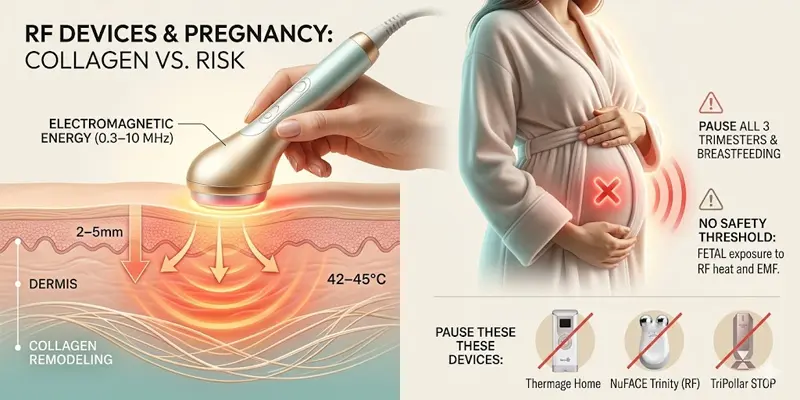
RF devices work by delivering electromagnetic energy at frequencies of 0.3–10 MHz into the dermis, heating tissue to 42–45°C to stimulate collagen remodeling. That thermal effect is what makes them effective — and what makes them off-limits during pregnancy.
The concern isn’t superficial skin irritation. RF energy penetrates 2–5mm into the dermis, and at higher power settings, significantly deeper. No safety threshold has been established for fetal exposure to RF-generated heat and electromagnetic fields. Dermatologists advise a complete pause throughout all three trimesters and during breastfeeding.
Common at-home RF devices to pause: Thermage Home, NuFACE Trinity with RF attachment, TriPollar STOP.
Microcurrent and EMS (Electrical Muscle Stimulation) Devices
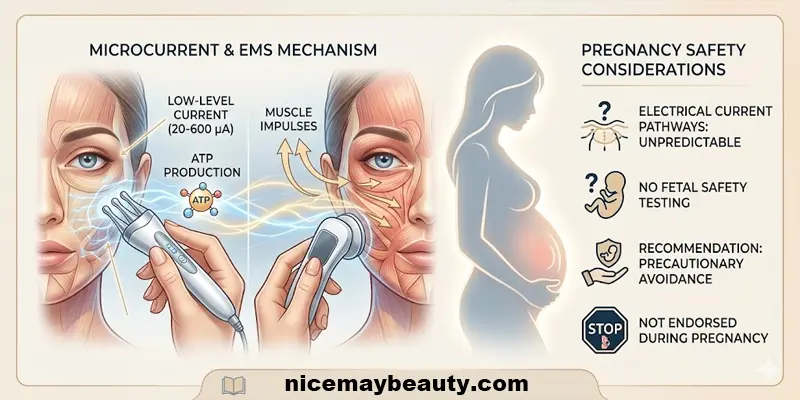
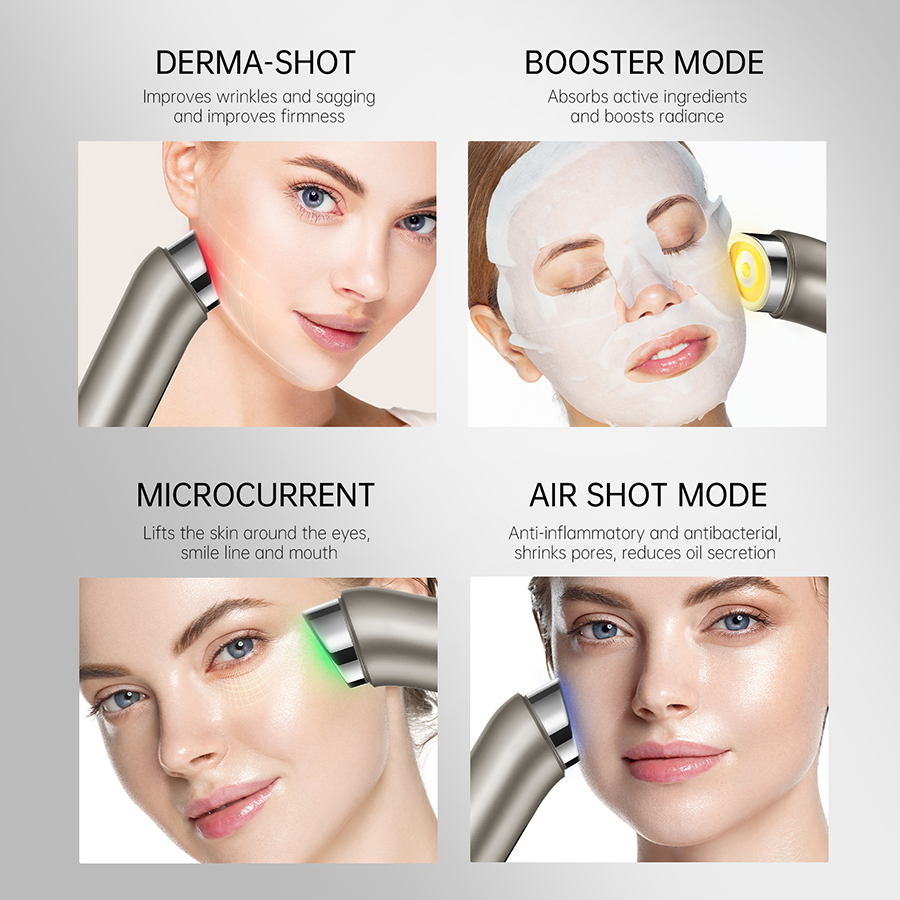
Microcurrent delivers low-level current (typically 20–600 μA) to stimulate ATP production and facial muscle tone. EMS devices use higher-frequency electrical impulses for muscle contraction. Both involve passing electrical current through facial tissue.
The specific risk: Electrical current pathways in the body are unpredictable. While facial microcurrent is unlikely to directly reach a developing fetus, the absence of fetal safety testing makes this a precautionary avoidance — not a calculated risk. No professional dermatology board currently endorses microcurrent use during pregnancy.
For a detailed look at how microcurrent and RF work post-pregnancy, see our guide to [At-Home RF and Microcurrent for Menopausal Skin Changes].
Laser and IPL (Intense Pulsed Light) Devices
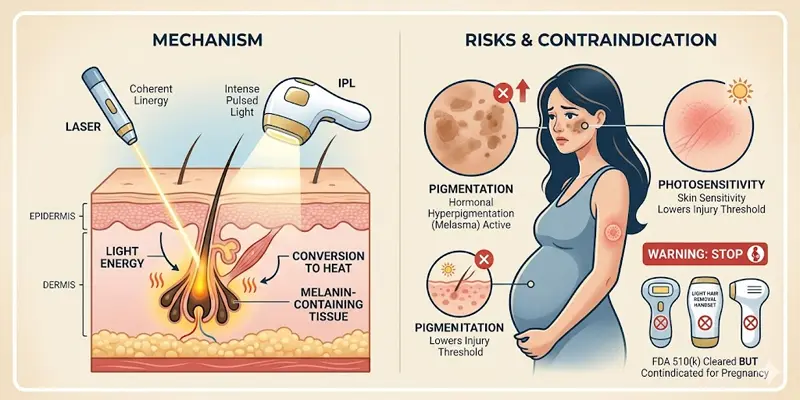
At-home laser and IPL devices for hair removal and skin rejuvenation emit light energy that converts to heat within melanin-containing tissue. During pregnancy, two compounding risks apply:
Pigmentation worsening: Hormonal hyperpigmentation (melasma) is already active. Light-based heat can trigger or worsen it dramatically.
Photosensitivity: Pregnancy-related skin sensitivity lowers the threshold for photothermal injury.
Even devices cleared for general consumer use (FDA 510(k)) carry explicit pregnancy contraindication language in their manuals. This includes Tria Beauty 4X, Braun Silk-Expert Pro, and similar at-home IPL handsets.
Ultrasound Cavitation and HIFU (High-Intensity Focused Ultrasound) Devices
Consumer-grade HIFU devices deliver focused ultrasound energy at depths of 1.5–4.5mm to trigger collagen contraction. While energy levels are lower than clinical systems, focused ultrasound is explicitly contraindicated during pregnancy. Diagnostic ultrasound used medically is carefully controlled and limited; therapeutic ultrasound for cosmetic use has no pregnancy safety data at all.
Beauty Devices That Are Conditionally Safe (With Doctor Approval)
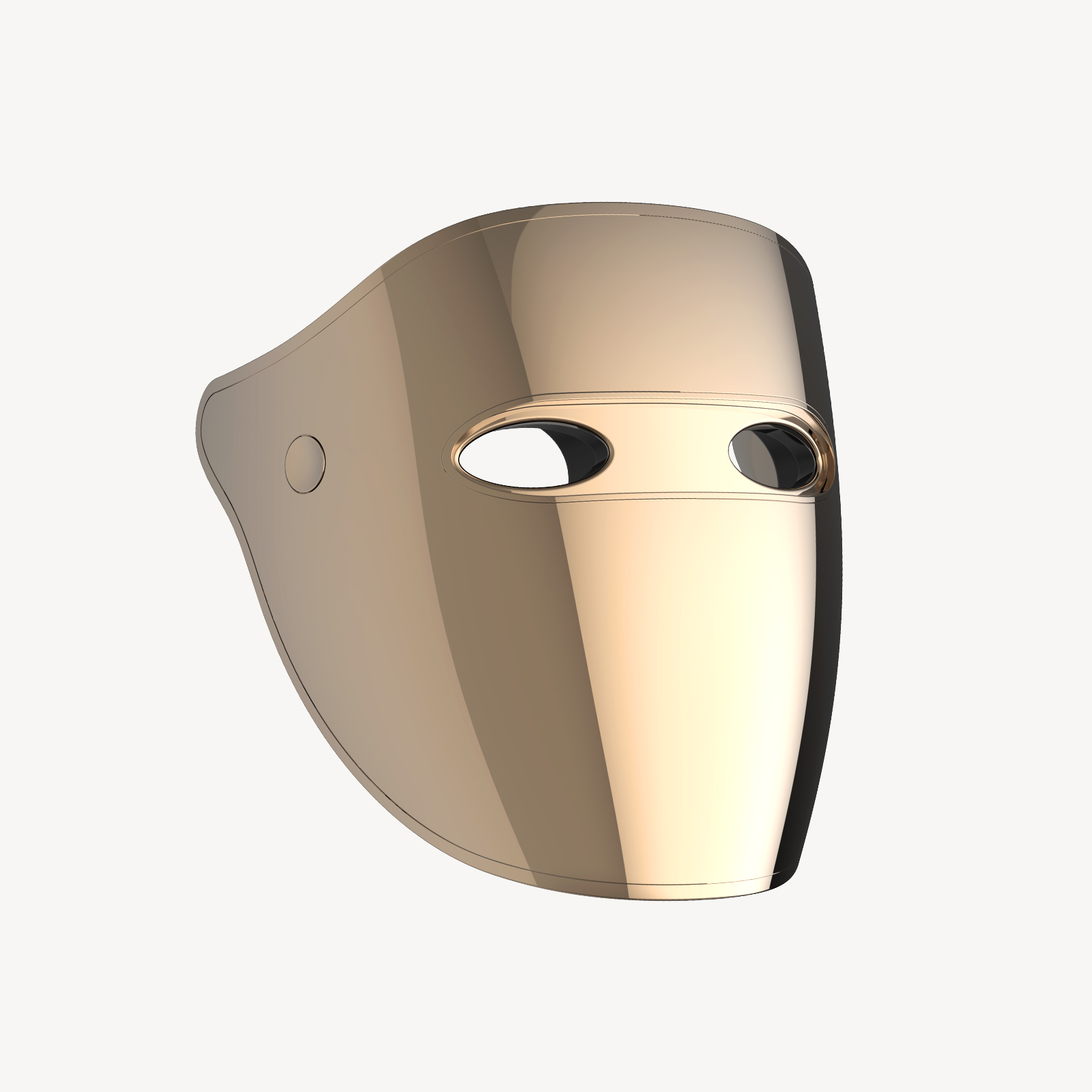
LED Light Therapy Masks
LED therapy — specifically red light (630–660nm) and near-infrared (830nm) — is the most studied non-thermal beauty device modality. Unlike RF or laser, LED does not generate heat; it delivers photonic energy that cells absorb and convert via mitochondrial photoreception (the cytochrome c oxidase pathway).
What the research shows: Red light at 630–660nm penetrates 2–3mm and has been shown in multiple peer-reviewed trials to reduce inflammation and support collagen synthesis without thermal damage. Near-infrared at 830nm penetrates deeper (5–7mm) and has a stronger anti-inflammatory profile but lower collagen stimulation effect at surface level.
For pregnancy use: Red and blue LED light therapy (blue = 415–450nm, targets P. acnes bacteria for hormonal acne) are considered low-risk because they are non-thermal and non-ionizing. However, “low-risk” is not the same as “proven safe” — always obtain your OB-GYN’s clearance before starting.
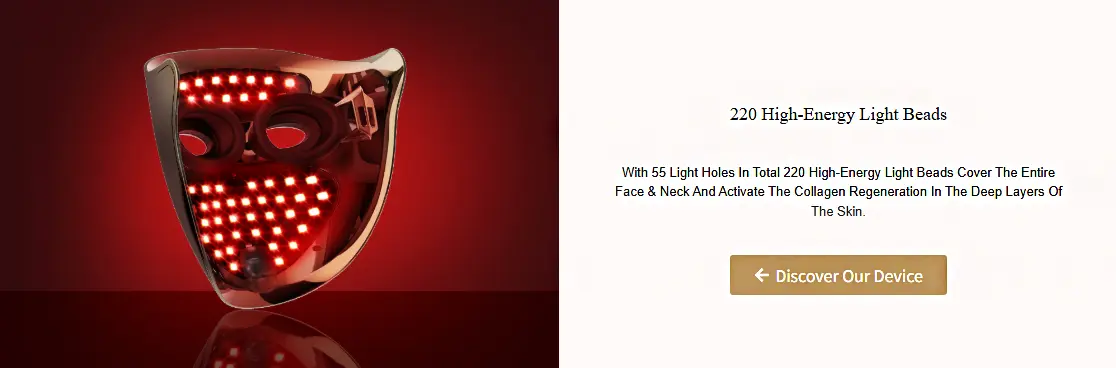
Our recommended product: TheNICEMAY MR-2308 4-Color LED Light Therapy Rejuvenating Beauty Maskoffers four clinically relevant wavelengths — red (630nm), blue (415nm), green (520nm for hyperpigmentation calming), and yellow (590nm for redness reduction) — in a hands-free mask format. It operates at low energy output with no thermal component, making it one of the most appropriate beauty tools to discuss with your healthcare provider during pregnancy or hormonal transition periods.
Session protocol during pregnancy: 10 minutes maximum per session, 3–4 times per week, on clean, product-free skin. Do not use over the abdomen.
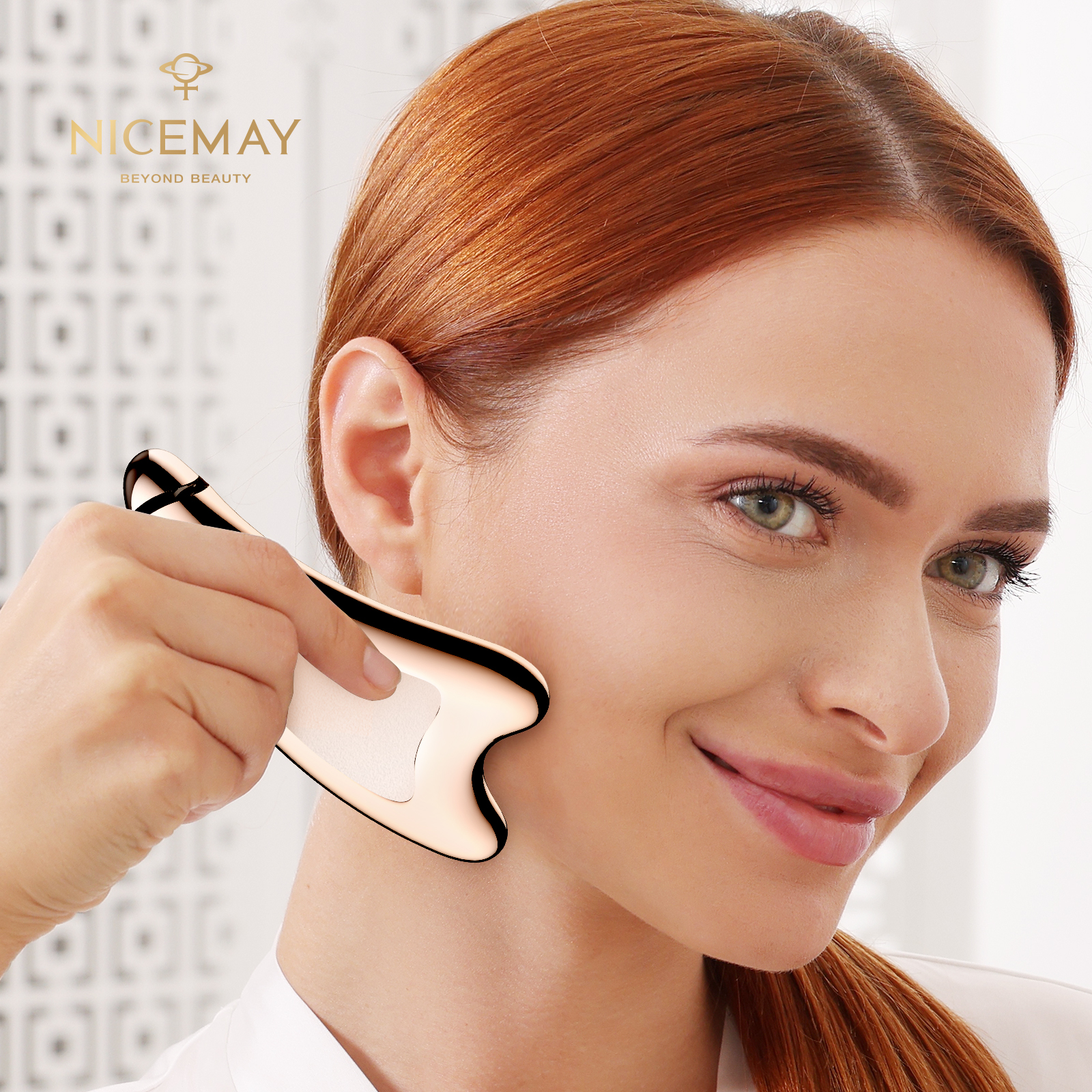
Jade Rollers and Gua Sha
Non-powered physical tools carry zero electromagnetic, thermal, or electrical risk. Jade rollers and gua sha stones support lymphatic drainage, reduce facial puffiness (common in pregnancy), and improve product absorption — all without any energy-based mechanism.
Technique note for pregnancy: Use gentle, upward strokes with very light pressure. Avoid prolonged pressure on facial capillaries, which are more fragile during pregnancy due to increased blood volume and vascular sensitivity.
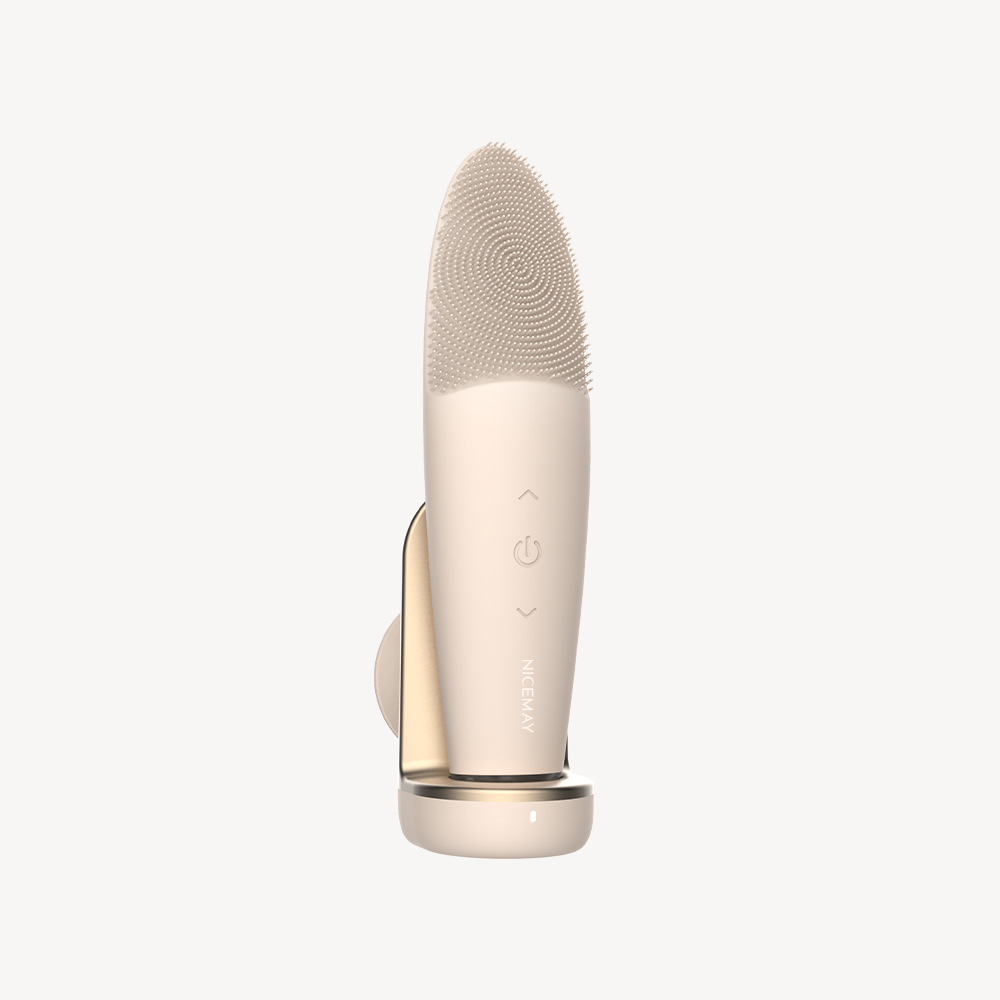
Gentle Sonic Facial Cleansers
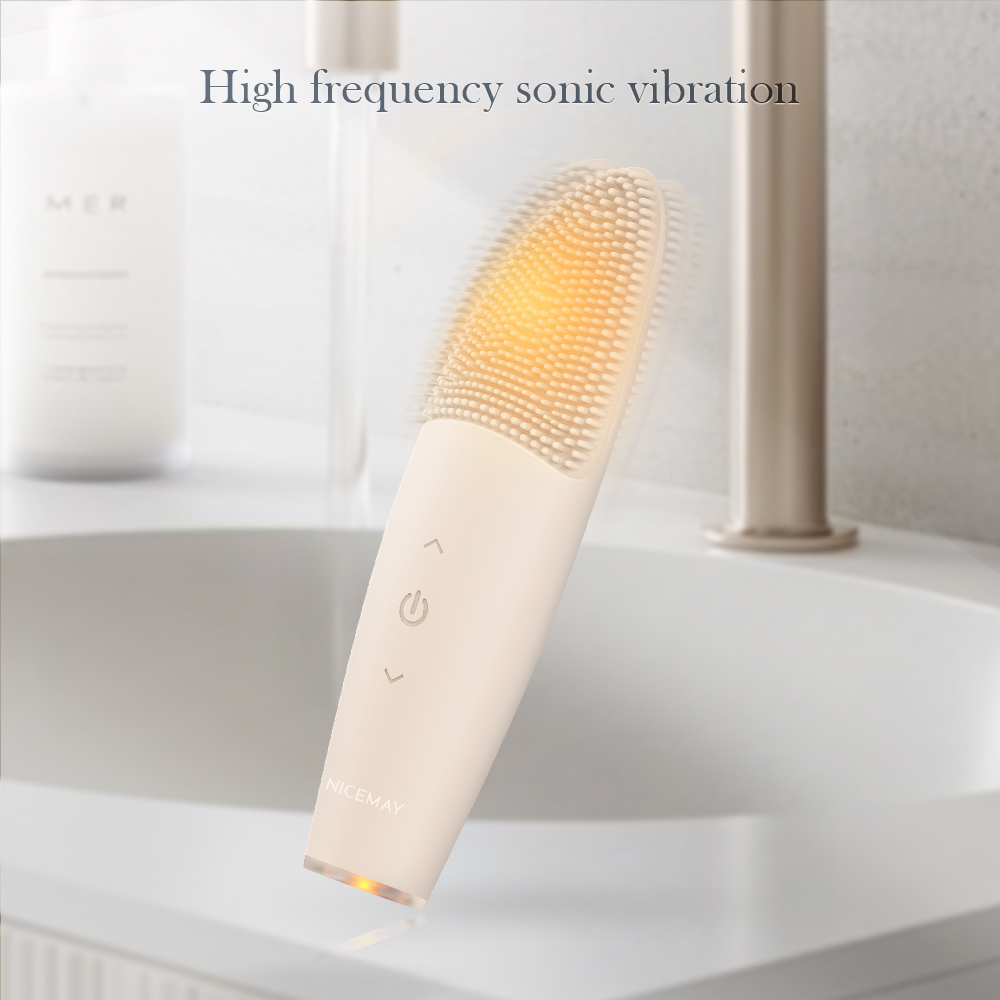
Low-frequency sonic cleansers (operating below 300Hz) are generally tolerated during pregnancy for cleansing purposes. The critical specification: look for devices with a maximum vibration amplitude of less than 1mm and frequency below 200Hz (e.g., Foreo Luna Go Sensitive, not higher-power models like Clarisonic Mia Smart, which was discontinued but is representative of the higher-end power range).
Avoid: Cleansing devices marketed for “deep exfoliation” or “microdermabrasion” — these typically operate at higher frequencies or use abrasive elements that compromise a sensitized skin barrier.
Safe Beauty Device Protocols: Step-by-Step for Hormonal Skin
Regardless of which conditionally safe device you use, these protocols apply universally:
Before each session:
Cleanse skin thoroughly; remove all makeup and SPF
Check for any active breakouts, open wounds, or new hyperpigmentation patches — avoid those areas
Do not apply active ingredients (retinoids, AHAs, BHAs, vitamin C) before device use
During each session:
Limit total session time to 10–15 minutes
Never apply any device directly over the abdomen, lower back, or thyroid area
Keep intensity at the lowest effective setting — this is not a situation for “more is more”
After each session:
Apply a fragrance-free, pregnancy-safe hydrating serum or moisturizer (e.g., ceramide-based, hyaluronic acid)
Apply broad-spectrum SPF 30+ if it’s daytime — LED-treated skin is not photosensitized, but melanocyte sensitivity during pregnancy makes SPF non-negotiable
Choosing Safe Devices: What Certifications Actually Mean
Not all beauty devices sold online carry meaningful safety validation. Here’s how to read the certifications:
Certification
What It Means
What It Doesn’t Mean
FDA 510(k) Clearance
Device is substantially equivalent to a legally marketed predicate
Meets EU safety, health, and environmental standards
Minimum standard; not a clinical efficacy claim
ISO 13485
Manufacturer has a medical device quality management system
Applies to process, not the specific device’s clinical safety
FDA Class II
Moderate-risk medical device category
Not a blanket endorsement of all use cases
Practical rule: If a device has no FDA clearance or CE mark and is priced under $30, the safety testing is almost certainly insufficient. For use during pregnancy or hormonal transition, only use devices with documented FDA 510(k) clearance or CE certification — and still obtain medical advice.
For those with concurrent inflammatory skin conditions, our guide on [Are Beauty Devices Safe for Rosacea-Prone Skin?] covers how sensitivity thresholds overlap between rosacea, hormonal skin, and device energy levels.
Active Ingredients to Avoid Pairing With Devices During Pregnancy
Even with a safe device, the wrong serum can amplify risk. During pregnancy, the following active ingredients are generally contraindicated — and they’re also problematic in combination with any device that increases skin penetration:
Retinoids (retinol, tretinoin, retinaldehyde): Associated with teratogenic risk; also increase photosensitivity
Hydroquinone: Systemic absorption potential is higher than commonly assumed; avoid with any device
Salicylic acid (above 2%): Avoid high-concentration use, especially combined with sonic or RF devices that increase penetration depth
Chemical exfoliants (AHAs/BHAs): Disrupt barrier function, increasing risk of device-induced irritation
Safe pairings: Hyaluronic acid, niacinamide (up to 5%), ceramides, aloe vera, centella asiatica. These support barrier function without contraindication concerns during pregnancy.
Postpartum and Menopause: When Can You Restart?
The postpartum window is not an automatic green light for all devices. Hormonal levels remain unstable during breastfeeding, and melanocyte sensitivity can persist 3–6 months postpartum, especially in women who experienced melasma during pregnancy.
General restart timeline (discuss with your dermatologist):
LED therapy: Can often resume immediately postpartum if desired, with medical clearance
Microcurrent: Most practitioners suggest waiting until 3 months postpartum, with full medical clearance
RF devices: Typically safe to resume 3–6 months postpartum when hormones are stabilizing; confirm with OB-GYN or dermatologist
Laser/IPL: Recommend waiting until melasma has resolved or stabilized, usually 6+ months postpartum
For menopausal skin, where collagen loss accelerates at approximately 2% per year in the first 5 years, RF and microcurrent become highly relevant again. Read our detailed guide on [At-Home RF and Microcurrent for Menopausal Skin Changes] for device-specific protocols and product comparisons.
FAQs About How to Use a Beauty Device Safely During Pregnancy or Hormonal Changes
Can I use a red light therapy mask every day during pregnancy?
Daily LED use is generally considered low-risk due to the non-thermal mechanism, but this does not mean it’s clinically proven safe. Most practitioners recommend 3–4 sessions per week, not daily, to maintain a conservative approach. Always secure your OB-GYN’s approval before starting any device routine during pregnancy.
Is a vibrating face massager safe in the first trimester?
Low-intensity, non-electrical facial massagers (jade rollers, manual gua sha) are generally safe. High-frequency vibrating devices, particularly those marketed for deep tissue stimulation, are not recommended in the first trimester when the risk threshold is most conservative. The first trimester is the period of organogenesis — when fetal organ development is most sensitive.
My at-home RF device says "safe for all skin types" — does that include pregnancy?
No. “Safe for all skin types” refers to Fitzpatrick skin phototype (I–VI) compatibility for energy-based treatment. It makes no claim about pregnancy safety. Read the device’s full manual — almost every RF device on the market includes explicit pregnancy contraindication language in the safety section.
Can hormonal changes from the pill or IUD affect how my skin responds to beauty devices?
Yes. Hormonal contraceptives alter estrogen and progesterone levels, which can increase melanocyte sensitivity — similar in mechanism (though typically lower in magnitude) to pregnancy. Women on hormonal contraceptives have a statistically higher risk of melasma triggered by light-based devices (IPL/laser). If you’re starting hormonal contraception, reassess your IPL or laser device settings and frequency with your dermatologist.
Are there any postpartum-specific device protocols for recovering hormonal skin?
The most effective postpartum skin recovery approach combines LED therapy (red 630nm for collagen support and inflammation reduction) with barrier-focused skincare (ceramides, peptides). Avoid RF and microcurrent until hormones stabilize. If postpartum melasma is present, avoid all light-based heat devices until the pigmentation has stabilized — and always layer SPF 50+ daily regardless of device use.