


Is an FDA-Cleared LED Mask for Face Better Than Non-Certified Devices?

Quick Answer: Yes. An FDA-cleared LED mask is generally safer and more reliable because it undergoes 510(k) review to verify safety, performance, and intended use. Non-certified devices may lack verified wavelengths, irradiance consistency, and regulatory oversight.
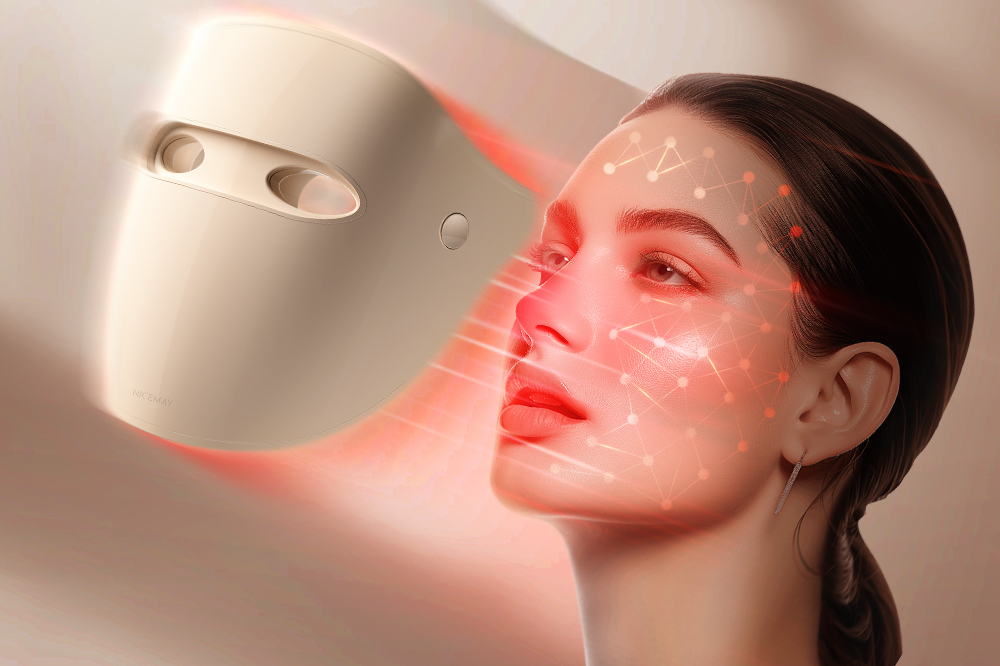
510(k)-cleared light therapy masks provide a trustworthy option in the growing world of at-home photobiomodulation, helping with concerns like fine lines, acne, and uneven tone through targeted light. While non-regulated alternatives flood the market, clearance offers verifiable standards that reduce uncertainty. This guide explores the real differences, safety implications, performance realities, and key considerations—backed by official sources and reviews—to help you decide with confidence.

FDA-Cleared vs. FDA-Registered vs. FDA-Approved: What’s the Difference?
| Term | What It Means | Applies to LED Masks? | Trust Level & Implications |
|---|---|---|---|
| FDA-Approved | Intensive premarket approval (PMA) with clinical trials for high-risk Class III devices (e.g., implants). | No—LED masks are Class II. "FDA-approved" claims are often misleading or incorrect. | Low trust; signals potential misinformation. |
| FDA-Cleared | 510(k) process: Demonstrates substantial equivalence to a predicate device in safety, efficacy, and use (e.g., wrinkle reduction or acne treatment). | Yes—for red, blue, NIR modes making medical claims. | High: Includes safety testing, consistent specs, and backed indications—provides peace of mind. |
| FDA-Registered | Basic listing of company/device—no review of performance, safety, or claims. | Possible, but insufficient alone. | Minimal: Many non-certified masks use this; offers little assurance. |
Don’t be fooled by “FDA-approved” on a home LED mask—if a brand uses this term, they’re likely misunderstanding or misrepresenting regulations, which erodes overall credibility.
Safety Advantages of Medically Reviewed LED Devices
Reduced Risks and Built-In Safeguards
- Devices are assessed for consistent output, low overheating potential, and material biocompatibility.
- Many include features like auto-timers and eye contours to limit exposure risks.
- Non-certified options may vary in quality, increasing chances of mild issues like uneven results or irritation.
A 2018 systematic review published in Lasers in Surgery and Medicine concluded that LED photobiomodulation is safe for skin rejuvenation with no long-term adverse effects in healthy individuals, supporting the low-risk profile of cleared devices when used properly.
Sources: Jagdeo et al. systematic review in Lasers in Surgery and Medicine (PMC6099480); FDA guidance on photobiomodulation devices (including eye safety recommendations like eyewear or sensors when needed).
Does FDA Clearance Cover Eye Safety?
Yes, partially—clearance includes photobiological safety assessments (e.g., IEC 62471 standards) to evaluate risks like ocular exposure.
Many cleared masks feature built-in eye protection, removable shields, or design cutouts to block direct light—especially important for blue modes with higher energy. However, clearance doesn’t eliminate all precautions: Follow instructions (e.g., close eyes or use provided shields), and be extra cautious with blue light to avoid temporary strain or rare spillover concerns.
Sources: FDA 510(k) guidance for PBM devices (recommending eye safety measures); examples from cleared submissions emphasizing photobiological compliance.

Performance: Does Clearance Guarantee Better Results?
FDA clearance confirms equivalence to established devices—not necessarily superior performance—so device quality, design, and user adherence still matter.
- Cleared masks provide accurate wavelengths (e.g., 633 nm red for collagen) and irradiance for reliable penetration.
- Non-certified may deliver inconsistent dosing, leading to underwhelming or variable outcomes.
- Clearance ensures claims are substantiated, but optimal results depend on specs, consistency, and skin type.
FDA clearance confirms equivalence—not superiority—so always cross-check detailed parameters.
For irradiance specifics, see: ” How Important Is Irradiance in an LED Mask for Face? “.
Why Some Brands Skip FDA Clearance ?
The process demands significant investment: lab testing, fees, documentation, and 6-12+ months of review—plus ongoing responsibility for accurate claims.
- Some skip it for faster, cheaper launches in less-regulated spaces.
- Others limit to “cosmetic” marketing (no medical claims) to avoid scrutiny.
- This enables affordable options but introduces uncertainty around real-world safety and efficacy.
Opting for clinically vetted LED systems avoids these gray areas and prioritizes transparent, reviewed standards.

Cost vs. Value: Cleared vs. Non-Certified
FDA-cleared LED masks often range $300–$500+ (reflecting tested components, LEDs, and validation), as seen in 2026 expert picks.
Non-certified typically cost $80–$200, tempting for entry-level trials—but may compromise on LED quality, durability, or accurate output, potentially requiring replacement sooner or yielding minimal benefits.
Long-term value leans toward cleared: Greater reliability, consistent sessions, and reduced risk make them a smarter investment for sustained skin health.
Sources: 2026 reviews from Forbes, CNET, and Women’s Health on cleared models and pricing.
For buying guidance, check: ” What Should You Look for When Buying an LED Mask for Face? “.
What Clearance Does NOT Cover ?
- No guarantee of dramatic or universal results—efficacy varies by individual skin, consistency, and expectations.
- Not a promise for every skin type or concern—some may see subtler changes.
- Not equivalent to professional clinical-grade equipment—at-home devices are designed for safe, moderate use.
Clearance focuses on safety and basic equivalence, not outperforming all alternatives.
Practical Tips for Choosing LED Mask for face and Using
- Search FDA’s 510(k) database to confirm clearance.
- Review transparent specs and user instructions.
- Start gradually; monitor for any sensitivity.
- Prioritize eye safeguards per guidelines.
- Consult a dermatologist for tailored advice.
FAQ: Common Questions About Using an LED Mask for Acne
Can I still get good skin results from a non-FDA-cleared LED mask if it’s much cheaper?
Do dermatologists usually recommend FDA-cleared masks over cheaper alternatives?
What happens if I buy a non-cleared mask and later regret it—can I return it easily?
Is it worth paying extra for a cleared mask if I only plan to use it 2–3 times a week?
How do I know if a brand is being honest about “FDA clearance” without searching the database myself?
Final Thoughts
If you’re investing in long-term skin health, choosing a 510(k)-cleared light therapy mask reduces uncertainty, sidesteps misleading claims, and aligns your routine with regulatory-reviewed safety and performance—not just hype. While non-certified devices offer lower entry costs, clearance brings genuine reassurance and more dependable results for clearer, healthier skin.
Please fill in your email in the form and we’ll get back to assist you soon!