


What Should You Look for When Buying the Best LED Mask for Face?

Is an LED Mask for Face Effective for Hyperpigmentation? Yes, LED masks for face can be effective for hyperpigmentation—especially models featuring red light therapy (around 630-660nm) and near-infrared light (around 830nm)—by reducing inflammation, stimulating collagen production, and promoting an even skin tone, as supported by clinical studies from sources like the American Academy of Dermatology and Photodermatology journals. However, individual results depend on skin type, device quality, consistent use, and pairing with a targeted skincare routine; they’re best as a complementary treatment rather than a standalone solution for conditions like melasma.
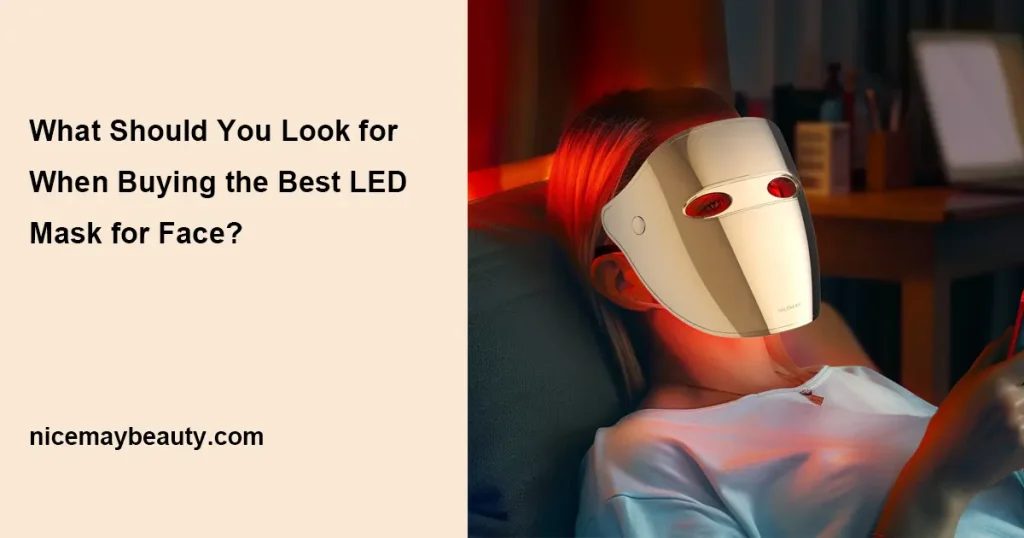
Clinically Proven Wavelengths: The Foundation of Effective LED Masks for face
Why 630–660nm Red Light Is the Gold Standard for Anti-Aging
Red light in the 630–660nm range penetrates 2–3mm into the dermis, stimulating fibroblasts for collagen stimulation and elastin production. This makes it ideal for red light therapy for wrinkles, improving elasticity and reducing fine lines. Studies show consistent use enhances firmness and texture significantly. Perfect if you want to combat sagging or tired-looking skin with a collagen stimulation device.
Near-Infrared (830–850nm): Ideal for Deeper Repair and Tired-Looking Skin
Near-infrared reaches 5–10mm deep, boosting circulation, cellular regeneration, and reducing inflammation. It’s excellent for mature skin or post-long-day fatigue, often combined with red for synergistic anti-aging effects in at-home photobiomodulation.
Blue Light (415–460nm): Targeted for Acne-Prone Skin
Blue light at 415–460nm targets the epidermis to kill acne-causing bacteria and regulate oil. Clinical evidence shows substantial lesion reduction. Combine with red for healing in blue light therapy for acne without over-drying.
Limit extra colors to avoid diluting power—focus on these proven ones for your non-invasive skin treatment.

Number of LEDs and Full Facial Coverage: Avoid Gaps in Treatment
200+ densely packed LEDs ensure even distribution across contours like cheeks, nose, and eyes. A high-LED mask (e.g., 500–600) provides far more uniform energy than sparse ones (<100), minimizing untreated areas for consistent photobiomodulation results.
Irradiance Levels: The Power That Drives Results
Irradiance (mW/cm²) measures energy per second—30–50 mW/cm² is the therapeutic sweet spot
optimal dosing (around 20–40 J/cm²)
for home use, enabling deep penetration without irritation. Lower levels demand longer sessions; higher may overstimulate. Learn more in our guide: How Important Is Irradiance in an LED Mask for Face?
Treatment Duration, Frequency, and Realistic Expectations
Seek 10–20 minute sessions, 3–5 times weekly, for optimal dosing. Higher irradiance shortens times for busy routines. Expect calmer skin in 2–4 weeks and firmer, clearer results in 4–8 weeks with consistent at-home LED light therapy mask use.
Safety First: Certifications and Materials You Need when choosing LED MASK for face
Is an FDA-Cleared LED Mask Necessary?
Yes—FDA-cleared (Class II, 510(k)) devices verify safety and basic efficacy, offering peace of mind over unregistered ones. Many top home masks carry this for reliable non-invasive skin treatment. Compare in: Is an FDA-Cleared LED Mask for Face Better Than Non-Certified Devices?
Comfort, Fit, and Eye Protection
Flexible medical-grade silicone ensures a snug, irritation-free fit. Built-in shields protect eyes—choose lightweight, adjustable designs for daily consistency in your photobiomodulation routine.
Cheap vs High-Quality LED Face Masks: What’s the Difference?
Many budget masks under $100 promise results but fall short due to poor specs. High-quality ones ($200–500+) deliver clinical-grade performance. Here’s a clear comparison:
| Feature | Low-Quality/Cheap Mask | High-Quality/Premium Mask |
|---|---|---|
| LEDs | <100, sparse coverage | 200–600+, densely packed for full face |
| Irradiance | <20 mW/cm² (weak output) | 30–50 mW/cm² (therapeutic & effective) |
| Wavelength Precision | Unspecified or off-range | Clinically proven (e.g., 630–660nm red, 830–850nm NIR) |
| Certification | None or basic registration | FDA-cleared (Class II) |
| Build & Comfort | Rigid plastic, poor fit | Medical-grade silicone, eye protection |
| Results Expectation | Minimal or inconsistent | Visible improvements in 4–12 weeks |
Quick Buying Checklist for the Best LED Face Mask
- ✔ Clinically proven wavelengths: 630–660nm red + 830–850nm near-infrared (add 415–460nm blue for acne)
- ✔ Irradiance: 30–50 mW/cm²
- ✔ LEDs: 200+ for full facial coverage
- ✔ FDA-cleared safety
- ✔ Medical-grade silicone with eye protection
- ✔ Convenient 10–20 minute sessions, 3–5x/week
FAQs when buying best LED mask for face
How often should I use an LED face mask?
3–5 times per week suits most routines, balancing effectiveness with skin recovery.
How long until I see visible improvements from an LED mask?
Subtle glow and reduced redness in 4–6 weeks; firmer skin and fewer lines in 8–12 weeks with steady use.
Is higher irradiance always better in an LED face mask?
No—30–50 mW/cm² optimizes benefits safely; excessive levels risk discomfort without extra gains.
Can I combine LED therapy with other skincare routines?
Yes—use after cleansing, before moisturizers or serums, to boost absorption in your non-invasive skin treatment.
What if my skin feels sensitive during treatments?
Begin with shorter sessions and monitor; mild warmth is normal, but pause and consult a pro if irritation lingers.
Final Thoughts on Choosing Your LED Mask for Face
The best LED mask for face prioritizes science: precise wavelengths for red light therapy for wrinkles or blue light therapy for acne, solid irradiance, ample LEDs, and FDA clearance for safe at-home photobiomodulation. Match it to your needs—collagen stimulation, acne control, or overall glow—and stay consistent for radiant, healthier skin without salon costs.
Please fill in your email in the form and we’ll get back to assist you soon!