


RF(ラジオ波)とHIFU(高密度焦点式超音波)はどちらも「リフトアップ」治療です。肌を引き締めることができ、アンチエイジング効果があると主張していますが、働き方は非常に異なり、効果や感覚、適している人、持続時間も大きく異なることがあります。.
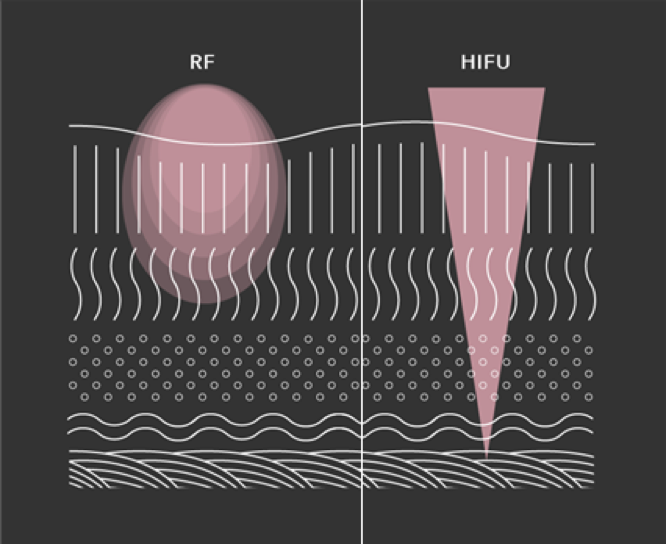
RFとHIFUが実際に行うこと
RF(ラジオ波)
RF 真皮層と皮下層に熱を送る。.
この熱により次のような効果が生じる:
- コラーゲン繊維が即座に収縮する
- 線維芽細胞が新しいコラーゲンとエラスチンの生成を開始する
- 数週間かけて徐々に引き締まり、滑らかになる
RFは次のようなものと考えてください:
肌の下の支持層を温めて強化すること。.
効果的な対象:
- 軽度から中程度のたるみ
- 鈍いまたはたるんだ肌
- 長期的な引き締め

HIFU
HIFUは焦点を絞った超音波波を使用し、特定の肌の深さ(フェイスリフトで外科医が治療するSMAS層も含む)をターゲットにします。.
次のような効果をもたらす:
- より深い引き締め
- 構造的なリフトアップ
- より長持ちする変化
HIFUを次のように考えてください:
RFが通常到達しない深い層での正確な内部引き締め。.

家庭用RF – 仕組みと対象者
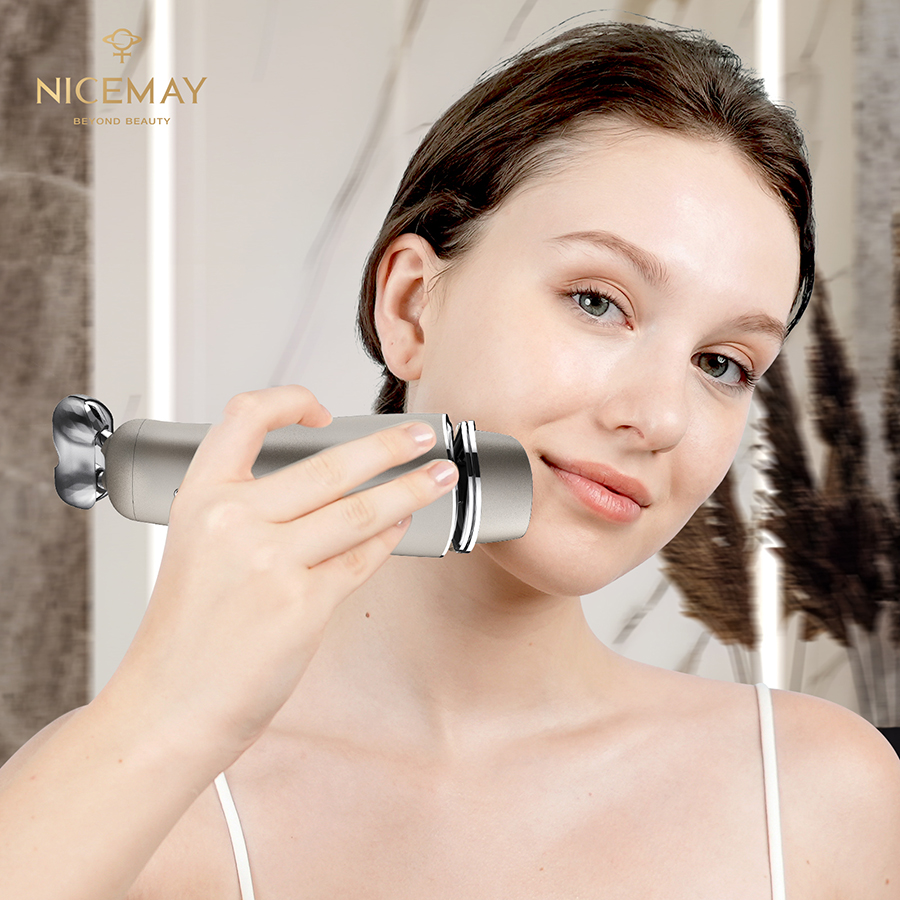
家庭用RFデバイスの仕組み
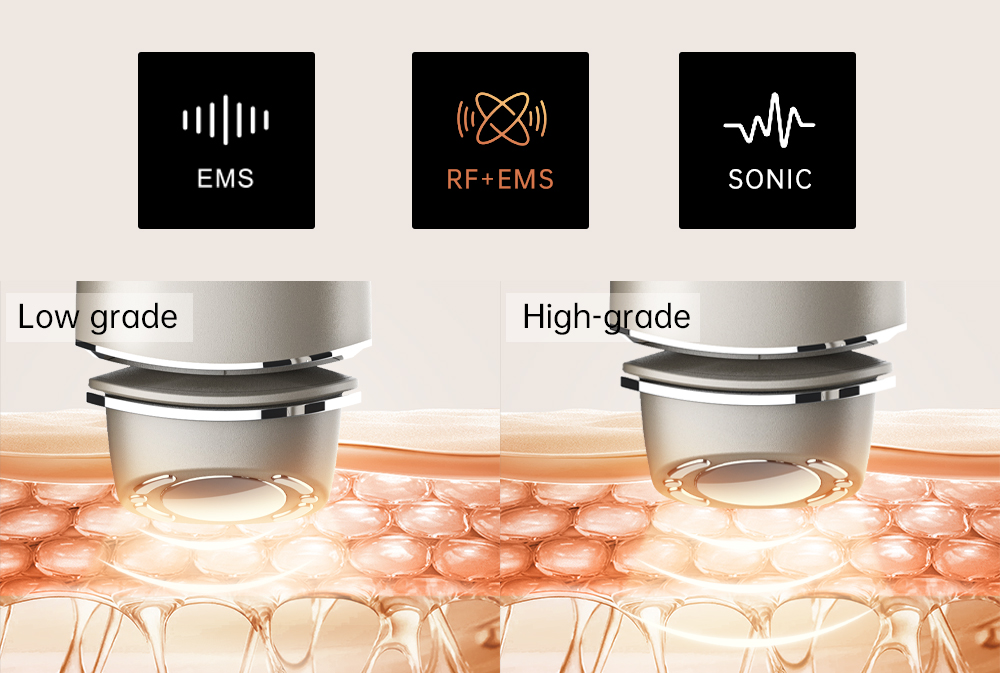
家庭用RFデバイスは通常、組織を次の温度に加熱します:
〜42°C–50°C
この温度は:
- 安全かどうか
- 非侵襲的
- 十分に高くて コラーゲンのリモデリングを促進し
一般的な使用方法:
- 週に2〜5回のセッション
- 1セッションあたり10〜20分
- 4〜12週間で目に見える改善
RFが最も適している人
RFは次のような人に理想的です:
- 軽度から中程度の引き締め
- トーンと弾力の改善
- ラインを柔らかく
- 快適でルーチンに優しい体験
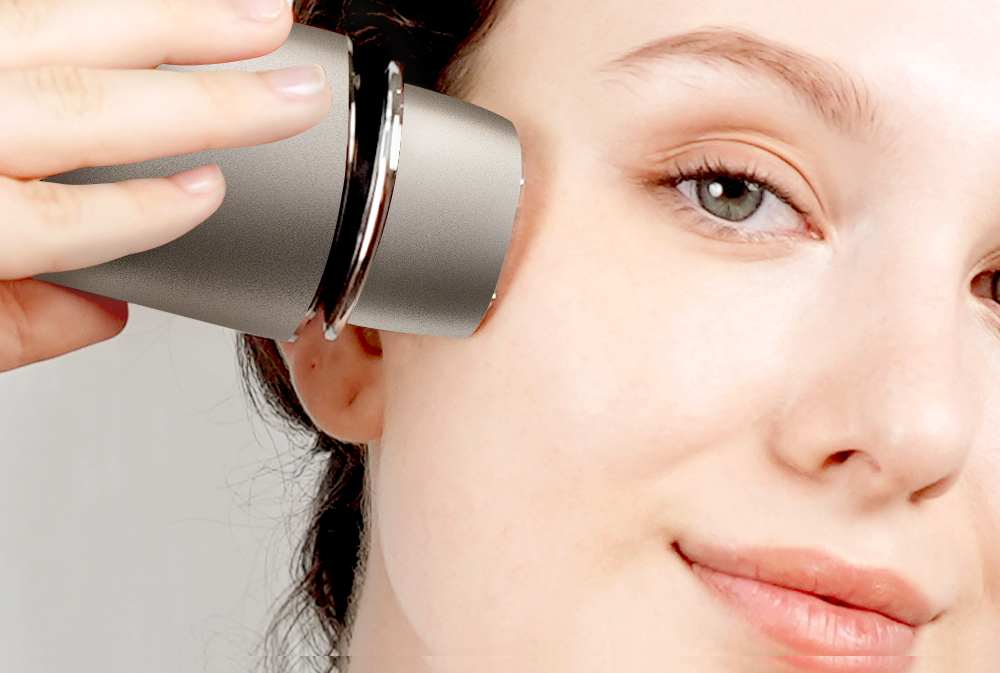
使用感
- 暖かい
- リラックスできる
- 心地よい
- 通常ゼロダウンタイム
最適な治療エリア
- 顎のライン
- 頬
- 額
- 首
- 適切な技術を用いれば目の下でも安全
👉 読者がより深いRF比較を望む場合は、次のようなリンクを参照してください 顔用RFと体用RF
HIFU – そして家庭用HIFUが稀な理由
HIFUの仕組み
プロフェッショナルなHIFUデバイスは超音波を使用し、エネルギーをSMAS層の3.0mm、4.5mm、またはそれ以上に集中させます。.
結果には通常次のようなものがあります:
- より深い引き締め
- 下顎の支えの改善
- 治療頻度の減少
- より明確に引き上げられた輪郭
しかし、現実的な消費者の真実は次の通りです:

本物のHIFUは家庭用デバイスでは稀にしか見られません。.
なぜ?
1. 電力規制
家庭用デバイスは消費者の電気安全基準を満たす必要があります。.
高出力超音波:
- 痛みを伴うことがあります
- 内部にあざを引き起こすことがあります
- 誤った使用方法では神経を損傷する可能性があります
したがって、ほとんどの家庭用「HIFUデバイス」は次のいずれかです:
- はるかに低い出力を使用する
- または、実際にはマイクロ超音波または超音波振動であり、真のHIFUではありません
2. 臨床用デバイスには専門知識が必要
医師やエステティシャンは次のことを行わなければなりません:
- 治療グリッドをマッピングする
- 特定の深さをターゲットにする
- 神経、骨、甲状腺、または薄い組織のある部分を避ける
これは浴室の鏡に座っている初心者には使いやすくありません。.
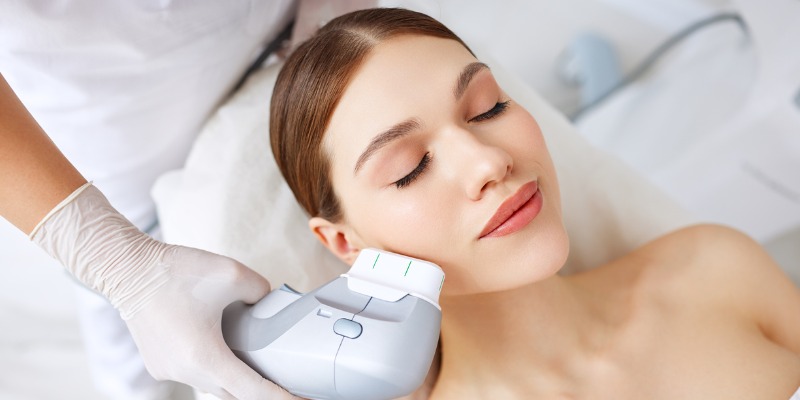
3. コストとサイズ
医療用HIFUデバイスの価格は:
- USD $5,000–$50,000+
ベッドサイドでの使用を目的としていません。.
クリニックを訪れる場合:
HIFUはRFよりも強力で深いリフティング効果をもたらす可能性があります。.
自宅にいる場合は:
RFはよりアクセスしやすく、より快適で、現実的には平均的な消費者にとってより効果的です。.
RFとHIFUの比較 – 簡単な比較
| 特徴 | RF(ラジオ波) | HIFU(高密度焦点式超音波) |
|---|---|---|
| 仕組み | 真皮と皮下組織を加熱 | 焦点を合わせた超音波で深部組織をターゲット |
| 深さ | 浅いから中程度 | SMASに到達可能 |
| 感覚 | 温かく快適 | 鋭いまたは深い感覚を感じることができる |
| 効果が現れる | 徐々に(4週間以上) | クリニック治療後はより早く |
| 対象者 | 全体的な引き締めと質感の改善 | より深いたるみと構造的リフト |
| 頻度 | 週2〜5回、自宅で | 3〜6ヶ月ごとに1回のクリニックセッション |
| 自宅での利用可能 | 広く利用可能で安全 | まれまたは低出力バージョンのみ |
| ダウンタイム | なし | 48〜72時間の可能な圧痛 |

どちらがより効果的か…
顎ラインのたるみ
-
クリニックHIFU より深い組織の収縮を促す
-
ホームRF トーンを維持しコラーゲン減少を防ぐのに役立つ
上方および後方、耳に向かって
-
より深いたるみ → 臨床HIFUの方が優れている
-
長期的なルーチンRFは時間とともに線を緩和できる
推奨方向
-
RFは弾力性と表面の質感を改善する
-
HIFUはより深い構造部分をリフトアップ
目の下のエリア
-
RFは安全で一般的に使用されている
-
薄い骨や神経の近接のためHIFUは通常避けられる
溝に沿って外側および上方へ向かって
-
RFは理想的—快適で安全な継続使用が可能
-
HIFUは効果的だが通常はクリニック専用

家庭用デバイスは十分な効果があるのか?
はい—期待値が現実的であれば。.
家庭用RFは消費者の安全基準内に留める必要がある:
-
温度管理
-
深さ管理
-
遅い累積結果
良い点:
-
重大なリスクなし
-
ダウンタイムなし
-
定期的な使用で増加する結果
安全のヒント(RF&HIFU)
RFの安全性
次の条件ではRFを使用しないでください:
-
活動性の嚢胞性ニキビ
-
最近充填された部分(24~72時間ルール)
-
治療ゾーン付近の金属インプラント
HIFUの安全性
次の場合はHIFUを避けてください:
-
専門的な訓練を受けていない場合
-
その部分の感覚が鈍くなっている場合
-
制御不能な甲状腺の問題がある場合
-
皮膚が開いているか、非常に反応性が高い場合
一般的なベストプラクティス
-
導電ジェルを使用する
-
温かい熱は問題ありませんが、鋭い熱は良くありません
-
より多くのパワーが必ずしも良い結果をもたらすわけではありません
RFとHIFUは組み合わせられるのでしょうか?
専門クリニックでは:
- HIFU → より深い構造の引き締め
- RF → コラーゲンの継続的な維持
一般的な臨床ルーチン:
- HIFUを一度
- RFを週1回または隔週で
家庭で、ほとんどのユーザーがRFのみを持っているため:
- 継続的なRFは過去のクリニックでのHIFUセッションの結果を維持できる
- そして、次の予約の必要を遅らせることもできる
どちらを選ぶべきですか?
選択する もしあなたが望むなら:
-
現実的な家庭での結果
-
ルーチンに基づく改善
-
より柔らかいラインとより良い弾力性
-
快適で初心者に優しいもの
HIFUを選ぶ理由:
-
あなたの懸念がより構造的なものである場合
-
クリニックへの通院を気にしない場合
-
より長持ちする組織の引き締めを望む場合
両方(多くの30人以上のユーザー向けのパス):
-
クリニックで数ヶ月ごとにHIFU
-
自宅で毎週RF
最後に、もしあなたが:
- スキンケアブランド
- ラインを構築するビューティーインフルエンサー
- フェイシャルデバイス市場に参入するスタートアップ
…そして、自宅用RFリフティングデバイスを開発したい場合、当社の工場は次のサポートを提供します:
- RFと RF + EMS消費者向けデバイス
- カスタム産業デザイン(金型、カラー、仕上げ)
- パッケージングとマニュアル開発
- アプリ接続オプション
- 安全認証サポート(CE、FCCなど)
- 新ブランド向けの低MOQ開発
- 完全OEM&ODMサービス

私たちは次のようなデバイスの作成を支援します:
- 一貫した性能
- 高級感のある外観
- 実際の消費者ユーザーに安全です
📩 クリックして お問い合わせください サンプル、カタログ、またはRF開発提案のために。.