


여드름 피부에 적합한 뷰티 디바이스인가요?

네, 뷰티 디바이스는 2026년에 콜드 레이저와 같은 최첨단 재생 기술을 활용하여 사후 여드름 흉터에 안전할 뿐만 아니라 혁신적입니다. AI 기반 전기천공법 으로 색소 침착(PIH)과 홍조(PIE)를 빠르게 완화하고 콜라겐 생성을 촉진하여 자극 없이 더 부드럽고 탄력 있는 피부를 만들어 줍니다.

사후 여드름 흉터 이해하기: 표적 치료를 위한 PIE와 PIH 구분
여드름이 사라진 후에도 많은 사람들이 자신감과 피부 건강에 영향을 미칠 수 있는 완고한 흔적을 남깁니다. 사후 여드름 흉터는 일반적으로 두 가지 주요 범주로 나뉩니다. 염증 후 홍반(PIE), 염증이 있는 혈관으로 인해 붉거나 분홍색 자국으로 나타나는 증상과 염증 후 색소 침착(PIH), characterized by brown or darker spots due to melanin buildup. Recognizing these differences is essential because they respond to different device technologies, allowing for more personalized and effective at-home treatments. This understanding sets the foundation for choosing the right tools to restore your skin’s natural glow.
PIE와 PIH의 주요 차이점 및 일반적인 피부 문제 탐색
- PIE (붉거나 분홍색 자국)확장된 모세혈관과 지속적인 염증으로 인해 발생하며, PIE는 밝은 피부톤(피츠패트릭 타입 )에서 더 눈에 띄며 해결되지 않으면 몇 달 동안 지속될 수 있습니다. 열 노출이나 공격적인 문지르기와 같은 요인이 악화시켜 지속적인 홍조를 유발할 수 있습니다.
- PIH (갈색 또는 어두운 반점)치유 과정에서 과도한 멜라닌 생성으로 인해 유발되는 PIH는 중간에서 깊은 피부톤(피츠패트릭 타입 IV-VI)에서 흔하며 햇빛 노출이나 호르몬 변화로 인해 악화됩니다. PIE보다 천천히 사라지는 경우가 많지만 색소 표적 디바이스로 가속화할 수 있습니다.
- 중첩되는 문제 및 광범위한 과제색상 변화 외에도 사후 여드름 피부에는 위축성 흉터(콜라겐 손실로 인한 함몰 부위), 비대성 흉터(튀어나온 융기), 민감성 증가 및 손상된 피부 장벽이 포함될 수 있습니다. 이러한 문제로 인해 피부는 자극, 건조 또는 새로운 발진에 취약해지므로 강력한 개입보다는 부드럽고 재생적인 접근 방식이 필요합니다.
이 분류부터 시작하면 특정 문제에 더 적합한 디바이스를 선택하고 2026년 뷰티 기술의 진화하는 환경에서 이러한 도구가 제공하는 이점을 원활하게 전환할 수 있습니다.
2026년 사후 여드름 흉터에 뷰티 디바이스를 사용하는 주요 이점: 염증 감소부터 장기적인 치유까지
In 2026, beauty devices have evolved far beyond basic LED lights, incorporating regenerative elements that work synergistically with your skin’s biology. These tools provide targeted relief by reducing inflammation, promoting cellular turnover, and enhancing the absorption of healing actives like PDRN (연어 DNA에서 유래한 폴리데옥시리보뉴클레오타이드) 의 기준을 높입니다. 엑소좀 (수복 신호를 전달하는 작은 소포). Unlike earlier generations that focused on surface-level fixes, today’s devices emphasize sustainable healing, helping fade scars while preventing recurrence—making them a staple in post-acne recovery routines.
뷰티 디바이스가 PIE와 PIH를 어떻게 구체적으로 타깃팅하여 더 빠르고 더 가시적인 결과를 내는지
- 진정 기술로 PIE에 대응하기: 붉은 자국에는 노란색 또는 빨간색 LED를 사용하는 기기들, 또는 심지어 펄스 냉각 요법, 혈관을 수축시키고 열을 발생시켜 문제를 악화시킬 수 있는 영향을 주지 않으면서 염증을 진정시킵니다. 예를 들어, 최근 사용자 시험에 따르면 일관된 사용으로 단 4-6주 만에 홍조를 최대 50%까지 감소시킬 수 있습니다.
- 색소 분산을 통한 PIH 해결하기: 적색 및 근적외선 파장은 break down melanin clusters gently, while electroporation boosts the delivery of brightening serums. This is particularly effective for darker spots, with many devices now featuring AI sensors that adjust intensity based on your skin’s real-time response.
- 전반적인 재생 이점: 기기를 PDRN 또는 엑소좀 함유 제품과 함께 사용하면 피부에 분자 수준에서 자가 수복 신호를 보내 콜라겐을 20-30%까지 증가시키고 피부 결을 개선합니다. 이 전체론적 접근법은 자국을 옅게 할 뿐만 아니라 향후 여드름에 대한 장벽도 강화합니다.
피부 톤의 변화가 루틴을 복잡하게 만든다면, 저희 관련 기사 “ 뷰티 디바이스가 다양한 피부 톤에 효과가 있는가? “ 최적의 호환성과 결과를 보장하기 위한 통찰을 제공합니다.
기술 매칭 표: 최적의 여드름 흉터 치료를 위한 기기 유형 비교
최적의 선택을 시각화하는 데 도움이 되도록 주요 기술, PIE 및 PIH에 대한 강점, 실제 사례를 정리한 상세 비교 표입니다. 이 가이드는 재생 뷰티의 2026년 트렌드를 바탕으로 작성되어 피부의 필요에 맞는 도구를 선택하도록 돕습니다.
| 기술 유형 | 어떤 흉터 유형에 이상적인가? | 2026년의 주요 이점 및 작용 메커니즘 | 예시 기기 및 돋보이는 이유 | PIE와 PIH에 대한 적합성 |
|---|---|---|---|---|
| 저출력 레이저 (저준위 레이저 치료) | 깊은 흉터 및 난치성 색소 침착 (PIH) | 과열 위험 없이 세포 재생을 촉진하기 위해 비열 에너지를 전달하며, 개인 맞춤형 깊이 제어를 위한 AI 통합 | Lyma Laser Pro: 특허받은 안전하고 열 없는 색소 침착 완화 기술 | 둘 다에 탁월하며, 특히 멜라닌 타겟팅으로 인한 색소 침착 (PIH)에 효과적 |
| 다중 LED 시스템 (적색/청색/황색 조합) | 지속적인 붉은 기 및 박테리아 잔여물 (PIE) | 염증 감소, 여드름균 사멸, 치유 촉진을 위해 파장을 결합하며, 이제 적응형 세션을 위한 바이오피드백 센서 탑재 | Dr. Dennis Gross DRx SpectraLite FaceWare Pro: 빠른 피부결 개선을 위해 임상 시험 완료 | 주로 홍조 (PIE)에 효과적이며, 색소 침착 (PIH)에도 중간 정도의 효과 |
| 전기천공법과 미세전류 | 피부결 및 전반적인 치유를 위한 성분 전달 강화 | 피부 채널을 열어 PDRN/엑소좀 흡수를 5배 증진시키는 부드러운 전기 펄스 사용; AI 개인 맞춤화로 진행 상황 추적 | Medicube Age-R Booster Pro: 최소한의 자극으로 집에서 스파와 같은 결과를 얻을 수 있는 다용도 기기 | 맞춤형 활성 성분을 통해 홍조 (PIE)와 색소 침착 (PIH) 모두에 균형 잡힌 효과 |
| 고주파 (RF) + LED 하이브리드 | 붉은 기 감소와 함께 울퉁불퉁한 흉터 개선 | 콜라겐 재구축을 위해 더 깊은 조직을 부드럽게 가열하는 동안 LED는 표면을 진정시키며; 2026년 모델에는 민감한 피부 보호를 위한 냉각 팁 포함 | NuFace 또는 Foreo와 같은 하이브리드 기기: 회복 시간 없이 탄력 개선에 집중 | PIE 우세, 복합성 흉터에 추가적인 질감 개선 효과 |
이 표는 위험 평가를 위한 실용적인 다리 역할을 하여 정보에 입각한 주의를 기울여 기기 사용에 접근하도록 보장합니다.
여드름 후 피부에 뷰티 디바이스 사용 시 잠재적 위험 및 중요 고려 사항
이점은 매력적이지만 피부 건강을 유지하기 위해 잠재적인 단점을 신중하게 고려하는 것이 중요합니다. 뷰티 디바이스는 특히 장벽이 이미 약해진 여드름 후 단계에서 피부 민감도 수준과 일치하지 않으면 일시적인 붉어짐이나 건조함을 유발할 수 있습니다. 낮은 설정으로 시작하고 반응을 모니터링하면 이러한 문제를 완화하여 안전하고 효과적인 루틴 통합을 위한 길을 열 수 있습니다.
추가 주의가 필요하거나 전문가와 상담해야 하는 대상 식별
- 활성 여드름 또는 최근 치료를 받은 경우: 박테리아 확산 또는 치유 지연을 방지하기 위해 염증 부위에 디바이스 사용을 피하십시오. 피부가 안정될 때까지 기다리십시오.
- 민감성이 높거나 특정 질환이 있는 개인: 주사비, 습진 또는 켈로이드 병력이 있는 경우 전문가의 조언이 중요합니다. 디바이스가 이러한 증상을 악화시킬 수 있습니다.
- 특정 약물을 복용 중인 사용자: 광과민성 약물(레티노이드 등)은 자극 위험을 증가시킬 수 있습니다. 항상 피부과 의사와 교차 확인하십시오.
이러한 고려 사항을 사전에 해결하면 2026년 혁신적인 환경에 맞춰진 최고의 디바이스를 자신 있게 탐색할 수 있습니다.
2026년 여드름 후 흉터 치료를 위한 최고의 뷰티 디바이스: 상세 기능 포함 전문가 추천
2026년 디바이스 배열에서 선택하는 것은 재생 능력과 입증된 효능을 우선시하는 것을 의미합니다. 아래에서는 사용자 피드백과 임상 통찰력을 바탕으로 고유한 기술과 여드름 후 회복에 이상적인 이유를 설명하면서 뛰어난 옵션을 자세히 살펴봅니다.
- 라이마 레이저 프로: 이 플래그십 디바이스는 특허받은 콜드 레이저 기술(500mW의 근적외선)을 사용하여 열 없이 진피층에 도달하므로 PIH 악화 위험이 없습니다. 깊은 색소 침착을 희미하게 하고 함몰된 흉터를 매끄럽게 하는 데 완벽하며, 피부의 일일 상태를 스캔하고 조정하는 내장 AI가 있어 사용자는 8주 만에 30-50%의 흉터 감소를 보고합니다.
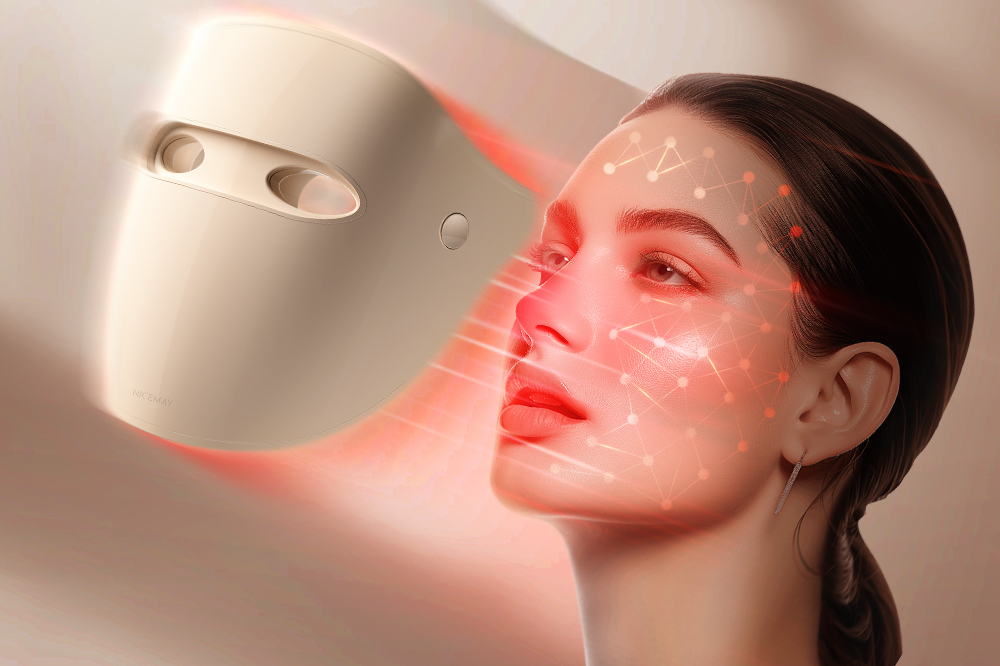
- 닥터 데니스 그로스 DRx 스펙트라라이트 페이스웨어 프로: 콜라겐 및 PIE 진정을 위한 레드(100개 이상의 다이오드)와 박테리아 제어를 위한 블루(100개 이상의 다이오드)를 특징으로 하는 핸즈프리 LED 마스크로, FDA 승인을 받았으며 이제 진행 상황 추적을 위한 앱 통합이 포함됩니다. 초보자에게 이상적이며 다운타임 없이 톤과 질감을 개선하며 특히 혼합 PIE/PIH에 효과적입니다.
- 메디큐브 에이지알 부스터 프로: 전기천공법, 미세전류, LED를 결합한 이 멀티태스커는 일시적인 미세 채널을 생성하여 세럼 침투(PDRN 제형 등)를 향상시킵니다. 2026년 업그레이드에는 과사용을 방지하기 위한 AI 기반 장벽 모니터링이 추가되어 탄력과 광채를 향상시킵니다. 포괄적인 여드름 후 복구에 탁월합니다.
잔여 효과로 넓어진 모공으로 고생하는 분들을 위해, “ 뷰티 기기가 모공 확대에 도움이 되나요? “.
2026년 재생 뷰티의 부상: 지속 가능한 피부 회복을 위해 전통적 방법에서 바이오 시그널링으로의 전환
As we move deeper into 2026, the beauty industry is pivoting toward regenerative approaches that mimic the body’s natural healing processes. Unlike older devices that relied on controlled damage to stimulate repair, modern ones use bio-signals—such as those from PDRN and exosomes—to gently instruct cells to regenerate collagen, reduce inflammation, and restore balance. This not only accelerates fading of PIE and PIH but also builds long-term resilience, reducing the need for invasive procedures and marking a new era in at-home skincare innovation.
단계별 가이드: 여드름 이후 민감한 피부에서 뷰티 기기를 안전하고 효과적으로 사용하는 방법
Safe usage is the cornerstone of success with beauty devices, particularly for post-acne skin that’s still recovering. Begin with a patch test on a small area, and incorporate hydrating serums to support the barrier. Sessions should be short (3-10 minutes) and infrequent at first (2-4 times weekly), gradually increasing as your skin adapts—this ensures benefits without setbacks.
최적의 결과와 최소한의 자극을 위한 상세 단계별 지침
- 피부 준비: 순한 pH 균형 클렌저로 부드럽게 세안하여 수분을 빼앗지 않고 노폐물을 제거하고 완전히 두드려 말립니다.
- 전도성 또는 재생 세럼 바르기: Use a PDRN or exosome-based formula to enhance conductivity and healing; this step maximizes the device’s efficacy.
- 기기 작동: Glide or hold it over targeted areas, focusing on scars while avoiding eyes or open wounds; follow the manufacturer’s timer for precision.
- 사후 관리: 즉시 세라마이드가 함유된 진정 보습제를 발라 수분을 잠그고, 낮에는 항상 SPF 50+ 광범위 자외선 차단제를 사용하여 UV로 인한 PIH 악화를 방지합니다.
- 모니터링 및 조정: 사진이나 앱으로 매주 변화를 추적하세요. 자극이 발생하면 중단하고 빈도를 줄이세요.
여드름 흉터 및 색소 침착 개선 뷰티 디바이스 FAQ
뷰티 디바이스가 염증을 더 유발하지 않으면서 붉은 여드름 흉터(PIE)를 효과적으로 줄일 수 있나요?
물론입니다. 노란색 또는 빨간색 LED 조명이 있는 기기는 혈관 염증을 부드럽게 진정시키도록 설계되었으며, 꾸준히 저강도로 사용하면 4-8주 내에 눈에 띄는 붉은 기 감소를 보이는 경우가 많습니다.
가정용 미용 기기를 사용하여 과다색소침착(PIH)이 옅어지는 데 보통 얼마나 걸리나요?
결과는 다양하지만, 매일 또는 격주 세션을 통해 3-6개월 내에 20-40%의 색소 침착 감소를 보는 경우가 많습니다. 저온 레이저 및 전기 천공법은 색소 분산 및 세럼 흡수를 향상시켜 이를 가속화합니다.
피부 톤이 어두운 경우 여드름 후 과다색소침착 치료에 가장 적합한 뷰티 기기는 무엇인가요?
Lyma Laser Pro와 같은 저온 레이저 기기는 멜라닌을 안전하게 분해하여 추가적인 색소 침착 위험 없이 멜라닌을 분해하는 비열 방식이 특징이며, 필츠패트릭 타입 IV-VI에 이상적입니다.
PIE(염증 후 홍반)와 PIH(염증 후 과다색소침착)를 동시에 개선할 수 있는 뷰티 기기가 있나요?
네, Medicube Age-R Booster Pro와 같은 멀티 LED 및 전기 천공법 하이브리드 기기는 항염증 조명과 성분 전달을 결합하여 혼합된 흉터 유형에 대한 다용도 치료를 제공합니다.
여드름 흉터 개선 결과를 위해 뷰티 기기와 외용 치료제를 함께 사용해야 할까요?
확실히, 활성 성분과 기기를 함께 사용하면 비타민 C (PIH 개선) or 나이아신아마이드 (PIE 개선) 효과를 증폭시킵니다. 항상 기기 사용 전에 국소 제품을 바르면 침투력과 전반적인 효능을 높일 수 있습니다.
결론
2026년, 뷰티 디바이스는 재생 기술과 사용자 친화적인 디자인을 결합하여 PIE와 PIH를 빠르게 개선하고 지속적인 피부 건강을 촉진함으로써 여드름 후 흉터를 극복하는 안전하고 혁신적인 경로를 대표합니다. 올바른 도구를 선택하고, 안전한 관행을 따르고, 전체적인 루틴에 통합함으로써 더 맑고 자신감 있는 피부를 얻을 수 있습니다. 변화를 시작할 준비가 되셨나요? 이러한 권장 사항을 살펴보고 필요한 경우 전문가와 상담하여 개인적인 성공을 거두세요.
양식에 이메일을 입력해 주시면 곧 도움을 드리겠습니다!