


초음파 피부 스크러버 대 음이온 브러쉬: 더 부드러운 딥 클렌징

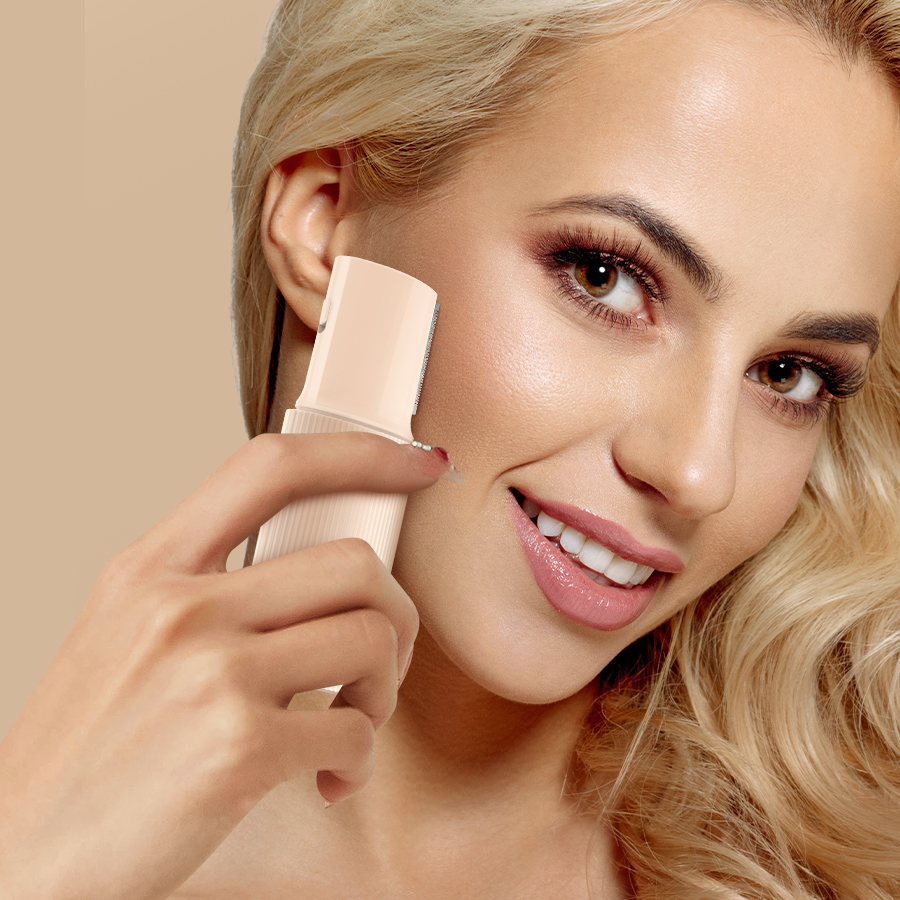
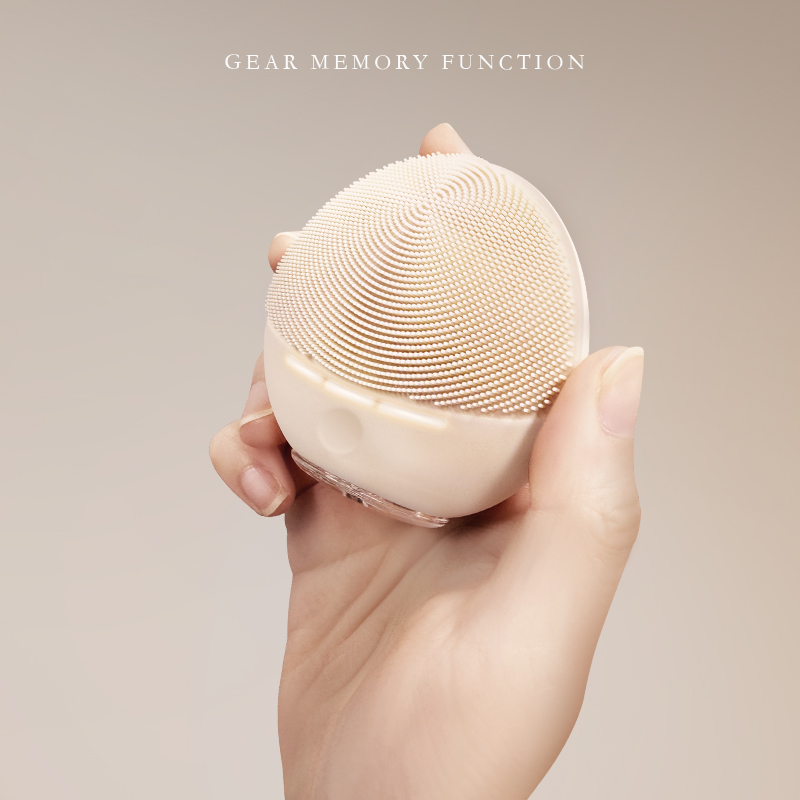
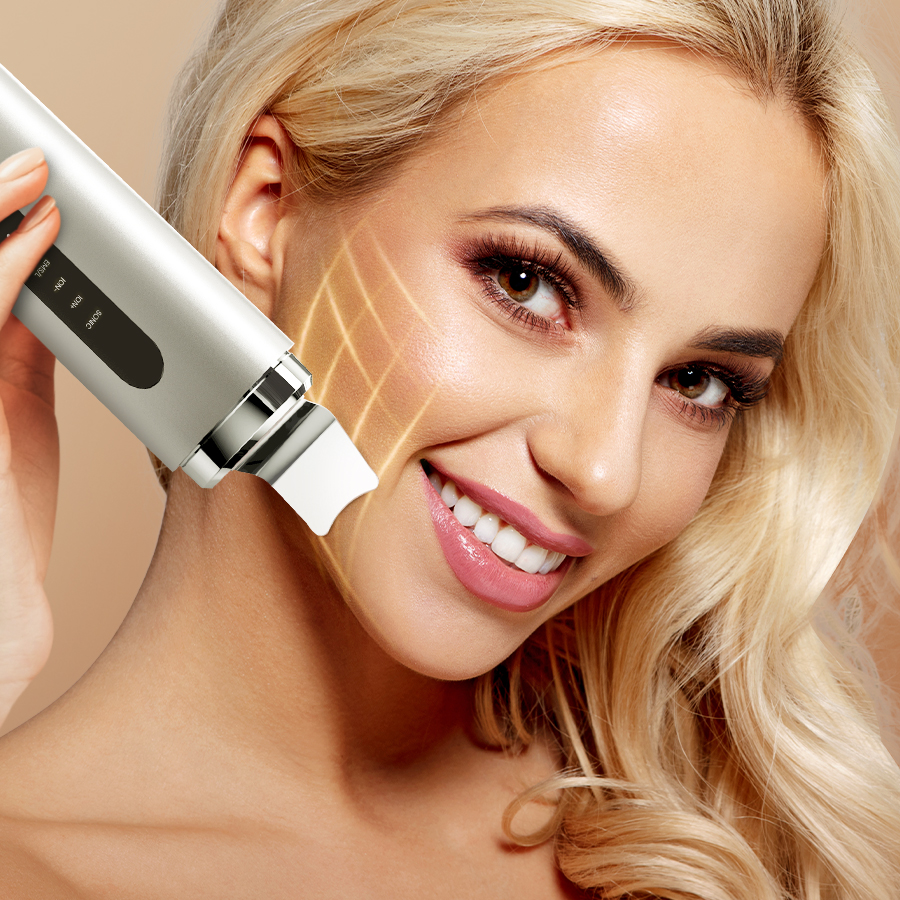
Ultrasonic skin scrubbers often provide gentler yet more effective deep cleansing than anion brushes for most skin types. These devices use high-frequency vibrations (typically 24,000–33,000 Hz) on damp skin to loosen and lift sebum, dead cells, and debris from pores without abrasive scrubbing. Anion brushes, which rely on softer sonic vibrations combined with ionized technology and gentle bristles, excel at daily surface-level cleansing while helping maintain the skin barrier. The choice depends on whether you need intensive pore unclogging or consistent, low-effort maintenance
In short, the ultrasonic skin scrubber delivers a deeper, more intensive pore-clearing action suited to weekly use, while the anion brush excels as a gentler, daily cleanse that supports the skin barrier over time. Choosing between them—or deciding how to combine them—comes down to your skin type, concerns, and cleansing goals.

How Ultrasonic Skin Scrubber & Anion Brush Actually Works?
The Ultrasonic Skin Scrubber: Cavitation-Driven Deep Cleansing
Why This Frequency Range Matters for Pores?

The Anion Cleansing Brush: Ionic Attraction and Barrier-Conscious Cleansing
The Role of Negative Ions in Skin Cleansing

비제이-1903

BJ-1809

MR-2369
Ultrasonic Scrubber vs Anion Brush: A Skin-Type Breakdown
기름지고 여드름이 잘 나는 피부
For skin that produces excess sebum and is prone to comedones, the ultrasonic scrubber delivers the most targeted benefit. Its ability to mechanically dislodge and emulsify pore contents—particularly when used in the “cleanse” mode with the blade angled at approximately 45 degrees on water-saturated skin—makes it a clinical-level intervention for blackheads and clogged pores. Used two to three times weekly, it can substantially reduce visible congestion without the post-inflammatory hyperpigmentation risk associated with manual extraction.
The anion brush, used daily, complements this by maintaining a cleaner surface between scrubber sessions and ensuring makeup and environmental pollutants are removed more completely than a manual cleanse allows.
Sensitive, Rosacea-Prone, or Reactive Skin
Here the anion brush holds the clear advantage. For skin that flushes easily, experiences transient redness, or is classified as rosacea-prone, the vibrational intensity of an ultrasonic scrubber—even at lower settings—may provoke vasodilation and temporary barrier disruption. The anion brush, by contrast, applies no significant mechanical pressure, generates no heat, and does not require vigorous motion to be effective. Used with a fragrance-free, pH-balanced cleanser, it represents one of the safest cleansing technologies currently available for reactive skin phenotypes.
If deeper cleansing is still desired on sensitive skin, it’s worth reading our analysis of [초음파 대 열 진동 클렌저: 민감한 피부 대결], which examines how ultrasonic frequencies compare to thermal-vibration technology specifically in the context of reactive skin—an important distinction before committing to any high-frequency device.
Dry and Dehydrated Skin
Dry skin requires particular caution with the ultrasonic scrubber. Used too frequently or on insufficiently moistened skin, the cavitation effect can compromise the lipid barrier and exacerbate transepidermal water loss (TEWL). On dry skin, limiting ultrasonic scrubber use to once per week—always following immediately with a humectant serum and occlusive moisturizer—is essential to preserving barrier integrity.
The anion brush, used daily with a cream or oil-based cleanser, is the more appropriate primary tool for dry skin types. Its ionic mechanism adds a cleansing enhancement without stripping the sebum and ceramides that dry skin already lacks.
Combination and Normal Skin

Deep Cleansing Efficacy: Where Each Device Has the Edge
Blackhead and Comedone Extraction
On this metric, the ultrasonic scrubber is the unambiguous leader. Its ability to soften and dislodge the keratin-sebum plugs that form comedones—particularly when the skin has been steamed or soaked—gives it a capability the anion brush simply was not designed to replicate. Studies on ultrasonic facial devices consistently demonstrate measurable improvement in pore size appearance and surface sebum levels following a course of regular use, outcomes that are not reliably reproduced by brush-based cleansers.
For a broader comparison of ultrasonic technology applied to blackhead removal specifically, our deep dive on [Deep Cleansing Brush vs Ultrasonic Cleanser: Better for Blackheads?] provides an evidence-based look at how ultrasonic cleansers stack up against all brush-type devices—including where rotating bristle technology still holds a performance edge.
Surface-Level Cleansing Completeness
Product Penetration Enhancement
How to Build a Routine Using Both Beauty Devices?
The most effective approach for most skin types is not an either/or choice but a structured protocol that leverages both devices for what each does best:
Daily (anion brush): Apply cleanser, activate the anion brush, and cleanse the full face for 60–90 seconds using gentle, circular motions. Follow with toner and any targeted serums.
2–3× weekly (ultrasonic scrubber, on cleanse days): After the anion brush cleanse, dampen the skin and use the ultrasonic scrubber in cleanse mode, gliding the spatula at 45 degrees across congested zones. Follow immediately with hydrating serum and moisturizer.
Always use the anion brush before the ultrasonic scrubber in the same session—never after. The brush cleanses the surface and softens superficial debris, which allows the scrubber’s cavitation to work more efficiently on the material remaining in the pore. Using them in reverse order risks driving surface contaminants deeper or working the scrubber against excessive product residue that reduces conductivity.
Avoid using the ultrasonic scrubber on the same day you use chemical exfoliants (AHAs, BHAs, retinoids). The barrier disruption from overlapping active treatments can cause cumulative irritation even on resilient skin types.

Common Mistakes That Reduce Efficacy—and Risk Irritation
1. Using the Ultrasonic Scrubber on Dry Skin
This is the single most common error and the most consequential. The cavitation mechanism requires an aqueous medium to function correctly. On dry skin, the vibrations become purely frictional rather than cavitational, delivering heat and mechanical abrasion rather than the gentle emulsification the device is designed for. Always mist the skin thoroughly—or use a hydrating toner as the working medium—before every ultrasonic scrubber pass.
2. Over-Relying on the Anion Brush for Deep Pore Work
The anion brush is a maintenance tool, not an extraction tool. Using it more frequently or pressing more firmly in an attempt to address deep congestion will not deliver ultrasonic-level results—and may cause unnecessary friction on the skin surface. If congestion is not responding to the anion brush after two to three weeks of consistent use, that is a reliable signal to introduce the ultrasonic scrubber rather than intensify brush pressure or frequency.
3. Neglecting Device Hygiene
Both devices require diligent cleaning between uses. The silicone head of the anion brush should be washed with warm water and mild soap after every session and air-dried fully before storage. The ultrasonic scrubber’s metal spatula should be wiped with 70% isopropyl alcohol after each use. Biofilm accumulation on cleansing devices is a well-documented source of secondary breakouts, particularly in acne-prone individuals.
자주 묻는 질문
Can I use an ultrasonic skin scrubber and an anion brush on the same day?
Are ultrasonic skin scrubbers safe for acne-prone skin?
How do I clean and maintain my anion brush and ultrasonic skin scrubber?
What skin types should avoid using an ultrasonic skin scrubber?
Does an anion brush help with product absorption like an ultrasonic scrubber?
The answer depends precisely on how “gentle” is defined. If gentleness means minimal mechanical disruption to the skin surface, the anion brush wins categorically—it applies no significant friction, generates no heat, and is designed for daily use even on reactive skin. If gentleness means achieving deep pore cleansing without the trauma of manual extraction, squeezing, or abrasive scrubs, the ultrasonic scrubber is the gentler option relative to those alternatives, even if it is the more intensive of the two devices compared here.
For most people, both devices earn a place in the same routine, not in competition with each other. The anion brush forms the foundation of a consistent, daily cleanse that maintains skin health at the surface; the ultrasonic scrubber provides the periodic, deeper intervention that prevents congestion from accumulating into visible blemishes. Used together, they represent a genuinely complete—and genuinely gentle—approach to deep skin cleansing.
양식에 이메일을 입력해 주시면 곧 도움을 드리겠습니다!