


Metal Beauty Tools vs Electric Beauty Devices: Which Belongs in Your Skincare Routine?

When choosing between metal beauty tools and electric beauty devices, the right answer depends on your skin goals, lifestyle, and budget — not on which category sounds more advanced. Both approaches are scientifically supported, professionally endorsed, and capable of delivering real, visible results. The key is understanding precisely what each one does, and when.
Whether you’re drawn to the cool-touch elegance of a stainless steel gua sha stone or the precision of a microcurrent wand, this guide breaks down every dimension that matters — from mechanism and efficacy to safety, cost, and long-term skin health.
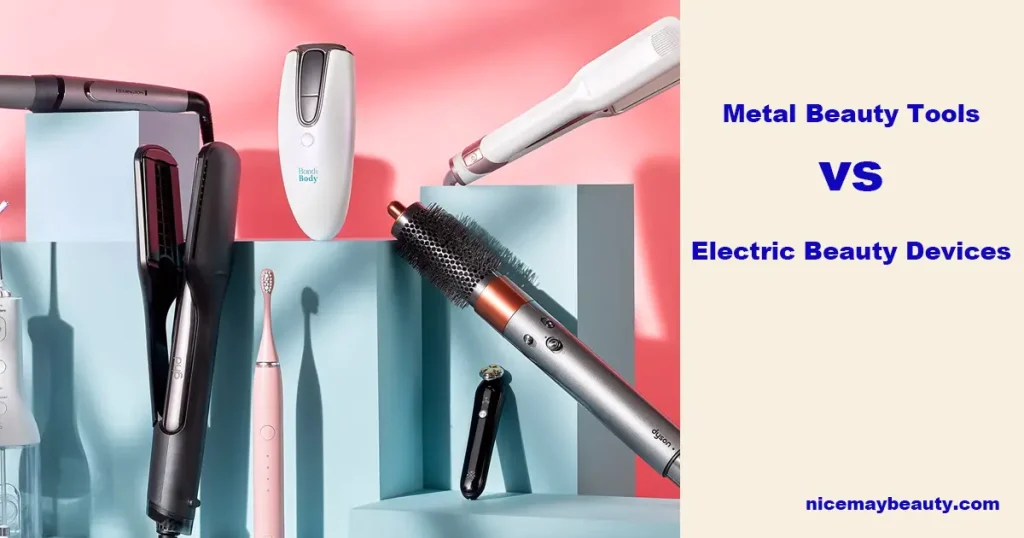
What Are Metal Beauty Tools?
Metal beauty tools are manually operated instruments, typically crafted from stainless steel, rose quartz set in metal, surgical-grade titanium, or similar materials. They apply physical pressure, temperature contrast, and strategic friction to the skin’s surface and underlying fascia. Classic examples include:
- Stainless steel gua sha tools — for facial sculpting and lymphatic stimulation
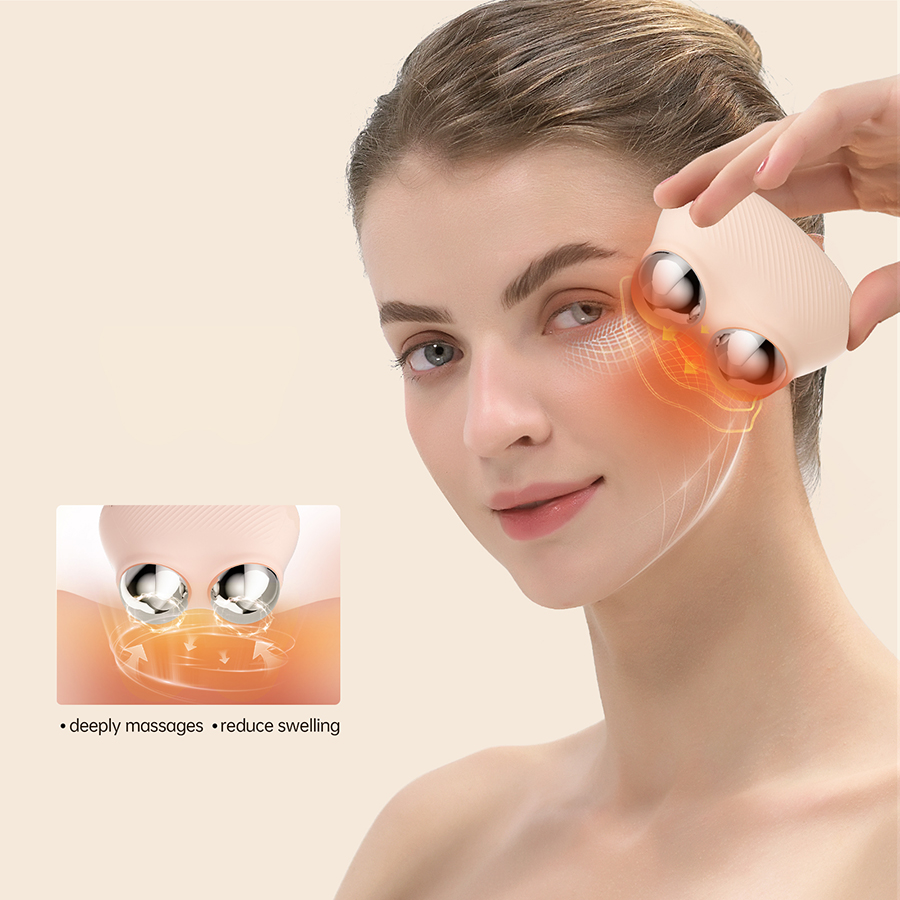
- Metal facial rollers — for de-puffing and serum absorption
- Derma stamps and titanium microneedle rollers — for collagen induction
- Cryo globes and chilled steel wands — for inflammation reduction and pore tightening
- Tweezers, lash curlers, and nail tools — for precision grooming

MR-2317

MR-2338

MR-2389
What Are Electric Beauty Devices?
Electric beauty devices use electromagnetic energy, vibration, heat, or light to interact with the skin at a cellular level. They are powered by batteries or USB charging and often replicate clinical-grade treatments at home. Key examples include:
- Microcurrent devices — deliver low-level electrical currents to stimulate facial muscles
- LED light therapy masks — use red, blue, and near-infrared light to target collagen, acne, and inflammation
- Radio-frequency (RF) wands — generate heat in the dermis to promote collagen synthesis
- Ultrasonic facial devices — use sound wave vibrations for deep cleansing and product infusion
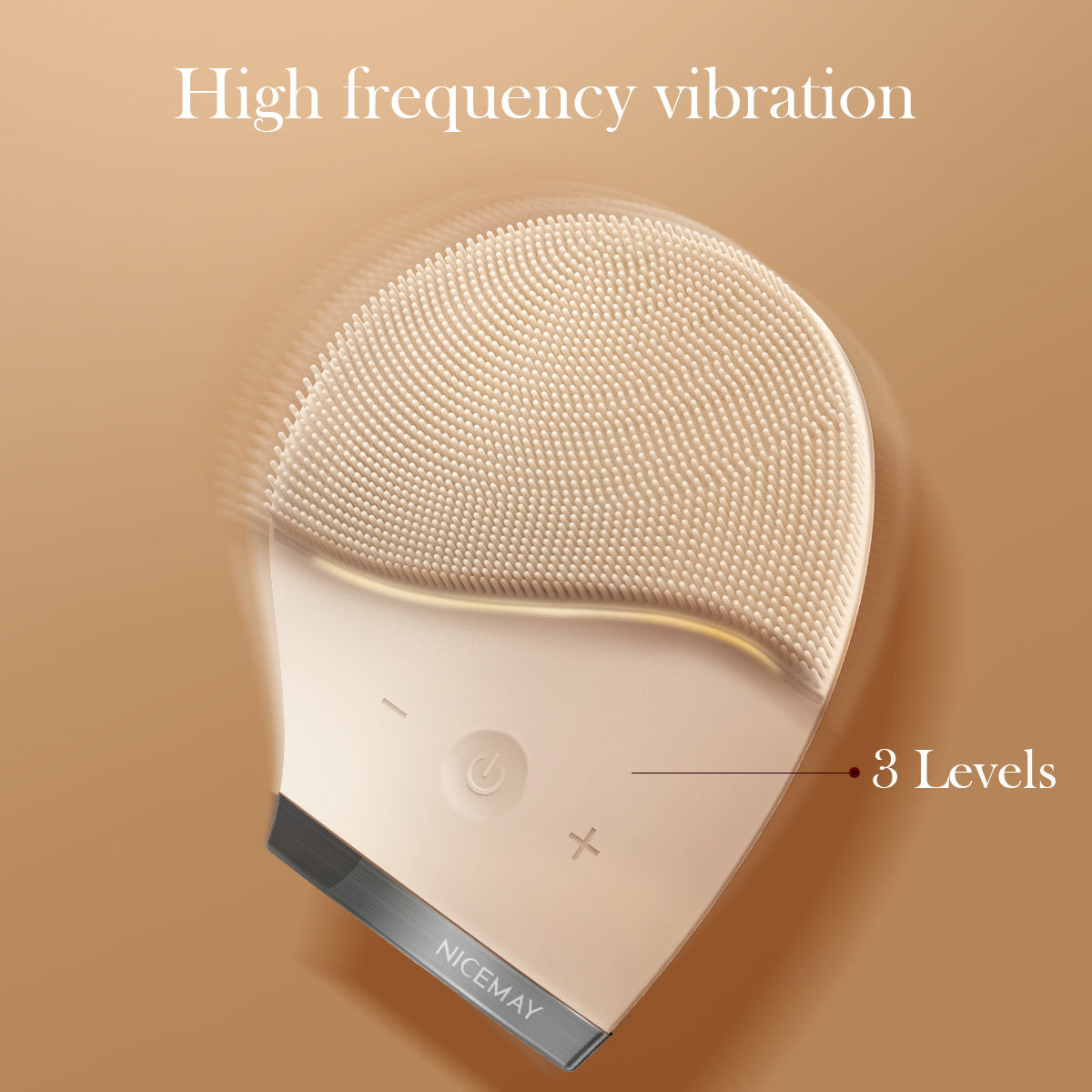
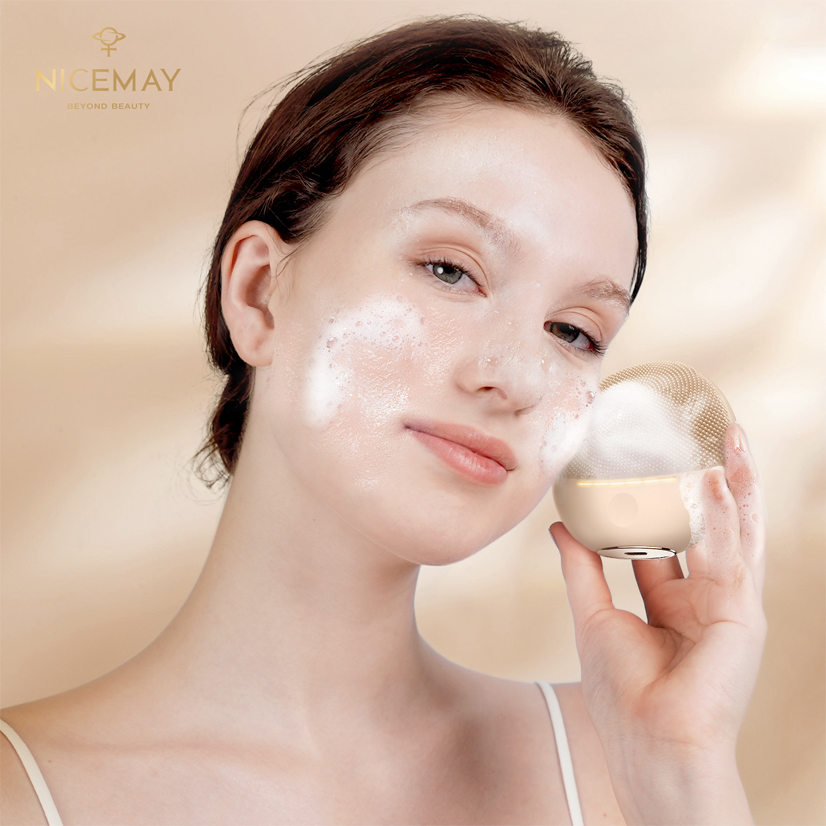
- Electric cleansing brushes — oscillate or rotate to remove impurities more effectively than manual cleansing
Metal Beauty Tools vs Electric Beauty Devices: A Side-by-Side Comparison
| METAL TOOLS (Manual Precision) | ELECTRIC DEVICES (Technology-Driven Results) |
|---|---|
|
Tags: No power needed, Travel-friendly, Beginner-safe
|
Tags: Cellular stimulation, Targeted therapy, Clinical-grade
|

MR-2370

MR-2319

MR-2121
Effectiveness by Skin Concern: Which Tool Actually Wins?
The most accurate way to evaluate metal tools versus electric devices is not overall, but by specific skin concern. Here’s how the two categories compare across the most common goals.
Lymphatic Drainage and De-Puffing
Manual metal tools have a genuine, research-supported advantage here. The strategic directional strokes used in gua sha and facial rolling follow the lymphatic pathways beneath the skin, physically encouraging fluid movement toward the lymph nodes along the neck and jaw. The chilling effect of refrigerated metal tools additionally causes vasoconstriction, reducing surface-level swelling rapidly.
Electric devices such as vibrating rollers can support lymphatic flow, but they lack the anatomically guided manual pressure that makes traditional metal tools so effective for this purpose. For a deeper look at how metal sculpting tools compare for lymphatic work, Gua Sha vs Beauty Roller: Which is More Effective for Lymphatic Drainage? provides an in-depth breakdown of both approaches.
Anti-Aging, Lifting, and Collagen Stimulation
This is where electric devices demonstrate a clear, scientifically documented advantage. Radio-frequency wands deliver controlled thermal energy into the dermis and subdermis, triggering a wound-healing response that contracts existing collagen fibers and stimulates the production of new ones. Microcurrent devices work by retraining the facial muscles to hold a more lifted, toned position — the same mechanism used in clinical NuFace and spa-level CACI treatments.
Metal tools, by contrast, work at the surface. They improve circulation and temporarily reduce puffiness, but they cannot stimulate fibroblast activity or induce the structural changes that electric energy can achieve.
Deep Cleansing and Pore Refinement
For thorough daily cleansing, electric cleansing brushes outperform manual washing and metal tools in removing residual makeup, sebum, and pollutants. Ultrasonic spatulas further loosen impurities using high-frequency vibrations that break down debris at the pore level. Metal tools have little role in this category unless used as part of an extraction process.
However, for those who are new to active skincare devices and want to understand how electric cleansing brushes compare with the simplicity of manual tools at entry level, Gua Sha vs Electric Facial Brush: Manual or Electric for Beginners? walks through the practical tradeoffs.
Acne Control and Inflammation Reduction
LED therapy — specifically blue light (415–445 nm) — directly targets the Cutibacterium acnes bacteria responsible for inflammatory breakouts. Red and near-infrared LED wavelengths additionally reduce cytokine-driven skin inflammation. This is clinically proven, FDA-cleared technology unavailable in any manual metal tool.
Metal cryo tools (chilled globes, steel rollers) can temporarily calm active redness by constricting surface capillaries, but this is a symptomatic intervention rather than a therapeutic one. For acne-prone skin as a primary concern, electric LED therapy represents a meaningfully superior option.
Safety Profile and Skin Type Suitability
Metal Beauty Tools
Metal tools are among the safest beauty instruments available when used correctly. Their primary risks are mechanical: excessive pressure can cause bruising or broken capillaries, and using a contaminated tool can transfer bacteria to broken skin. For sensitive, reactive, or rosacea-prone skin, metal tools — especially when chilled — are often preferable to any thermal or electrically active device, since they carry zero risk of heat-related irritation.
Electric Beauty Devices
Electric devices carry a more nuanced safety profile. Heated devices (RF wands, thermotherapy tools) are contraindicated for individuals with rosacea, active eczema, or impaired skin barrier function. Microcurrent devices should not be used by those with pacemakers, epilepsy, or who are pregnant. Any electrically active device requires careful adherence to manufacturer guidelines — overuse can cause skin fatigue rather than improvement.
How to Choose Between Metal Beauty Tools and Electric Beauty Devices?
Metal Beauty Tools Are the Right Choice If You…
- Are new to active skincare and want to build technique before investing in devices
- Have sensitive, reactive, or rosacea-prone skin that does not respond well to heat or electrical stimulation
- Prioritize lymphatic drainage, morning de-puffing, or a mindful, ritualistic skincare practice
- Travel frequently and need a portable, no-charge-required routine
- Are working with a limited budget and want lasting tools that deliver daily maintenance results
Electric Beauty Devices Are the Right Choice If You…
- Have specific, measurable anti-aging goals (lifting, firming, wrinkle reduction)
- Are dealing with persistent acne that does not respond to topical treatments alone
- Want clinical-grade results at home without recurring spa appointments
- Have the consistency and commitment to use a device on a regular schedule
- Are comfortable investing in professional-quality technology for long-term skin health
The Expert-Recommended Approach: Combining Both in One Routine
The most effective skincare routines do not treat metal tools and electric devices as competing choices — they treat them as complementary technologies that operate at different depths and address different needs. Dermatologists and licensed aestheticians increasingly recommend a layered approach: use manual metal tools daily for maintenance and lymphatic health, and reserve electric devices for targeted, scheduled treatment sessions.
A practical combined routine might look like this: a chilled stainless steel roller or gua sha tool in the morning to reduce overnight puffiness and encourage product absorption, followed by an LED session or microcurrent treatment two to three evenings per week for deeper structural work. This prevents overuse of either technology while maximizing the distinct benefits of each.
FAQs About Metal Beauty Tools vs Electric Beauty Devices
Can I use metal beauty tools and electric devices on the same day?
Which is better for beginners — metal tools or electric devices?
Are electric beauty devices worth the investment for home use?
Do metal tools or electric devices work better for mature skin?

Please fill in your email in the form and we’ll get back to assist you soon!