


Microcurrent vs EMS Beauty Device: Which Gives Longer-Lasting At-Home Contouring?

Many users searching “microcurrent vs EMS which is better” or “EMS vs microcurrent face results” want clear answers on at-home facial contouring. Microcurrent devices use ultra-low currents (typically under 1 mA) to mimic the body’s natural bioelectric signals, boosting ATP production for enhanced cellular repair, collagen synthesis, and gradual skin firming. EMS (Electrical Muscle Stimulation) devices apply stronger currents (1–100 mA) to trigger visible muscle contractions, delivering quicker sculpting and toning, especially around the jawline and cheeks.
For longer-lasting at-home contouring, microcurrent often provides more sustained improvements. It rebuilds skin structure from the cellular level, with results that compound over weeks and hold better with maintenance. EMS excels at immediate muscle definition but may require more frequent sessions to maintain. Many achieve optimal, enduring results by combining both—treating the face like skincare (microcurrent) plus a workout (EMS).

How Microcurrent Devices Work for Long-Term Facial Contouring?
Microcurrent gently stimulates mitochondria to increase ATP (adenosine triphosphate) production—up to 500% in some studies—fueling cellular energy, collagen, and elastin formation without causing contractions. This leads to improved skin texture, reduced fine lines, better circulation, and subtle lifting that builds progressively.
Users often notice a temporary glow and firmness within hours, but consistent use (5–15 minutes daily for 4–8 weeks) yields longer-lasting contouring as skin cells adapt and “remember” enhanced function. It’s especially effective for delicate areas like the eyes and forehead.
How EMS Devices Work for At-Home Contouring?
EMS sends stronger impulses that force facial muscles to contract and relax, acting as passive exercise. This strengthens muscle fibers, improves endurance, and provides faster visible sculpting and lift in sagging areas like the jawline and cheeks.
A 12-week study on neuromuscular electrical stimulation showed increased zygomatic major muscle thickness (about 18.6%) and subjective improvements in firmness and lift. Results appear quicker—sometimes in days—but can fade faster without regular maintenance, as it focuses more on muscle tone than deep cellular repair.
Interestingly, stronger stimulation (EMS) does not always mean longer-lasting results. Overuse can lead to muscle fatigue, reducing effectiveness over time.
Microcurrent vs EMS Beauty Device: Quick Comparison Table
| Feature | Microcurrent | EMS |
|---|---|---|
| Current Level | <1 mA (gentle) | 1–100 mA (stronger) |
| Primary Target | Skin cells & cellular repair | Facial muscles |
| Sensation | Mild tingle or none | Visible/pulsating contractions |
| Results Speed | Gradual (weeks for noticeable change) | Faster (days to weeks) |
| Longevity | Longer-term with cellular changes | Shorter-term; needs frequent maintenance |
| Best For | Anti-aging, texture, subtle lifting | Sculpting, jawline definition, toning |
| Ideal Use Frequency | Daily or near-daily | 2–4 times per week |
This table highlights why many ask “Is EMS or microcurrent better for the face?“—it depends on priorities: foundational rejuvenation (microcurrent) or quick muscle sculpting (EMS).

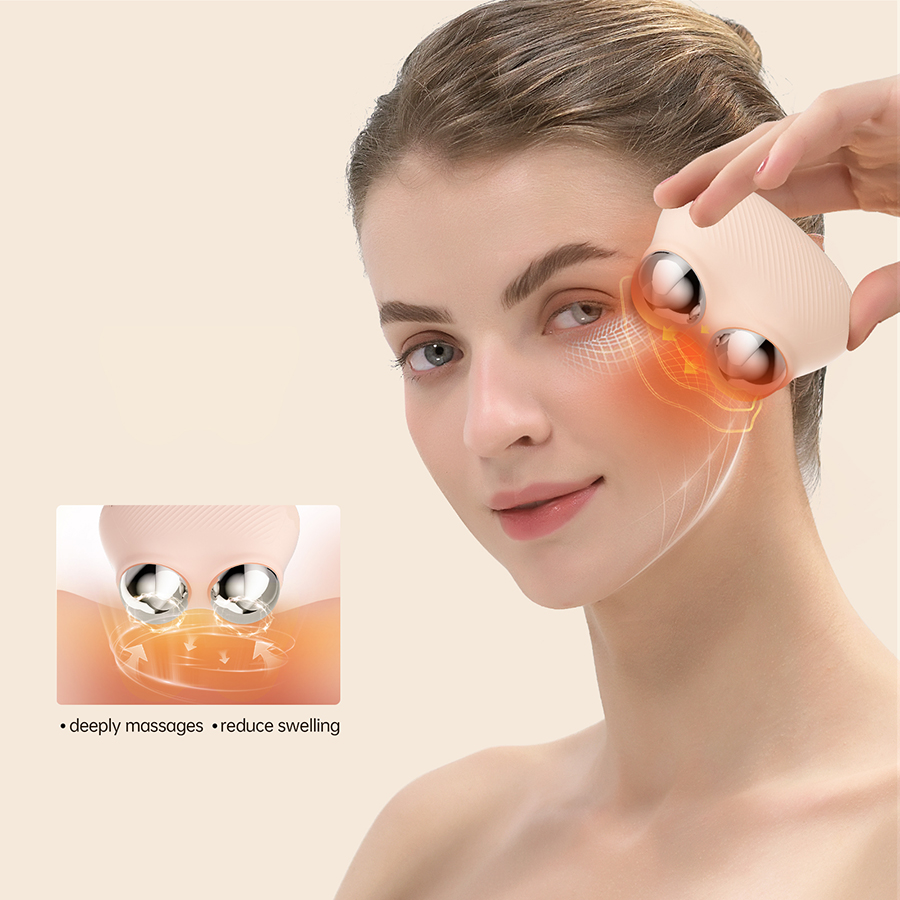
MR-2319

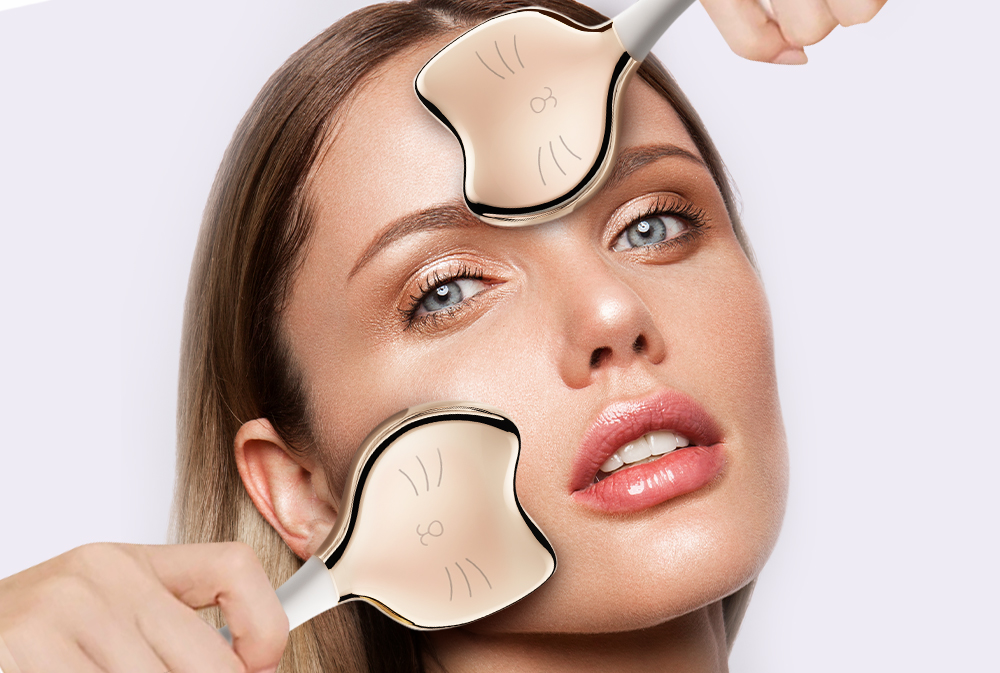
MR-2121

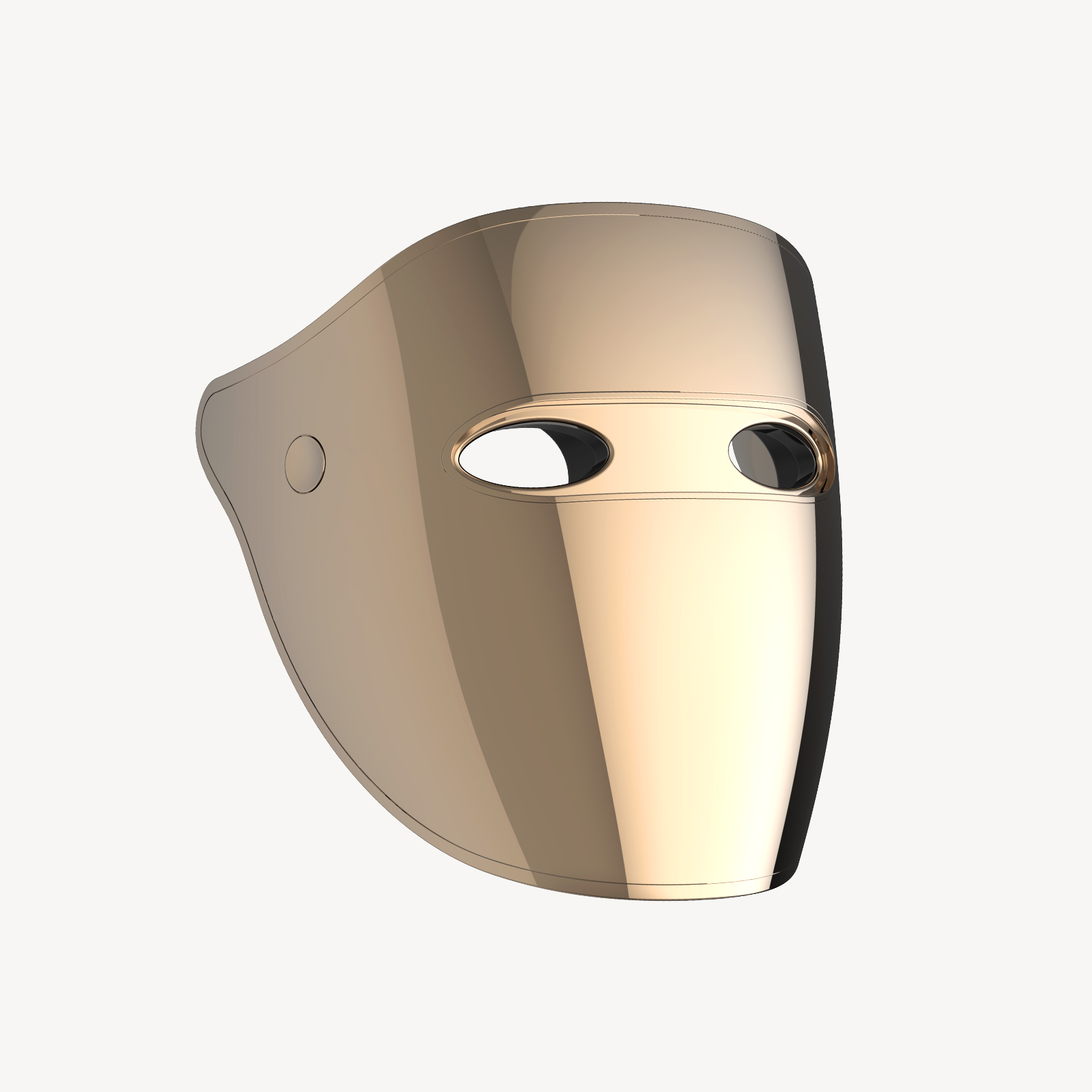
MR-2537
Key Differences and Real-User Insights
- Mechanism: Microcurrent energizes cells at a bioelectric level. EMS induces muscle contractions for a “workout” effect.
- Feeling and Suitability: Microcurrent is virtually painless and ideal for sensitive skin. EMS feels like a mini facial gym and targets deeper muscles.
- Before and After Results: Many users report visible jawline sharpening and cheek lifting with EMS within 2–4 weeks, while microcurrent users often see smoother texture, reduced puffiness, and cumulative firmness after 4–8 weeks of daily use. Real-world testing (e.g., with NuFACE devices) shows tighter skin and better definition persisting with ongoing routines.
Common mistake: Using EMS daily can actually reduce effectiveness due to muscle fatigue. Microcurrent, by contrast, supports daily use without diminishing returns.
Which Gives Longer-Lasting Results? Microcurrent vs EMS for Facial Lifting
Microcurrent generally delivers longer-lasting at-home contouring because it addresses root causes—declining cellular energy and collagen—creating structural improvements that endure. EMS provides excellent short-term sculpting by building muscle, but without skin-level support, tone can soften if sessions lapse.
Dermatologists and aestheticians often recommend microcurrent for ongoing maintenance and EMS for targeted toning. The best outcomes come when you treat your face like both skincare and a workout: microcurrent rebuilds the foundation, while EMS adds definition.
A Korean study on at-home devices with both technologies confirmed improvements in elasticity (microcurrent mode) and lifting/cheek contour (EMS mode), supporting combined use for comprehensive results.
Many users searching “microcurrent vs EMS before and after” or “EMS facial device does it work” find that alternating delivers the most satisfying, enduring contour.
For deeper comparison with heat-based tech, read RF vs Microcurrent Beauty Device: Which is Better for At-Home Tightening in 2026?
If you’re weighing full-body benefits against focused facial work, check Body Microcurrent vs Multi-Functional Facial Device: Full Body or Targeted?
When You Should to Choose Microcurrent Beauty Devices?
Select microcurrent if you want:
- Gradual, natural-looking firmness and improved skin quality.
- Gentle daily treatments suitable for eyes and sensitive areas.
- Longer-term anti-aging benefits through cellular repair.
Popular, highly rated options include NuFACE Trinity+ (great for beginners with app guidance and visible lifting) and Nicemay (customizable waveforms for personalized results).
When You Should to Choose EMS Beauty Devices?
Go for EMS when seeking:
- Faster jawline sculpting and muscle definition.
- Pronounced toning in sagging-prone zones.
Many hybrid devices now blend EMS with microcurrent for balanced benefits.
FAQs
Is EMS or microcurrent beauty device better for the face?
Does EMS beauty device build facial muscle?
How long do microcurrent beauty device results last?
Can you use EMS and microcurrent beauty device together?
Does microcurrent facial device work?

Please fill in your email in the form and we’ll get back to assist you soon!