


Red Light Therapy Mask vs Blue Light Acne Device: Which Is Better for Acne?

If you’ve tried countless acne treatments and still battle recurring breakouts, stubborn redness, or post-acne marks, red light therapy mask vs blue light acne device is a common dilemma. Both deliver non-invasive LED acne treatment at home, but they work differently: blue light acne devices kill acne-causing bacteria quickly for active pimples, while red light therapy masks reduce inflammation acne, support healing, and help with light therapy for acne scars. For most people dealing with both active breakouts and lingering damage, a combination red and blue light device often provides the best, evidence-based results—backed by clinical studies showing superior reductions in lesions.
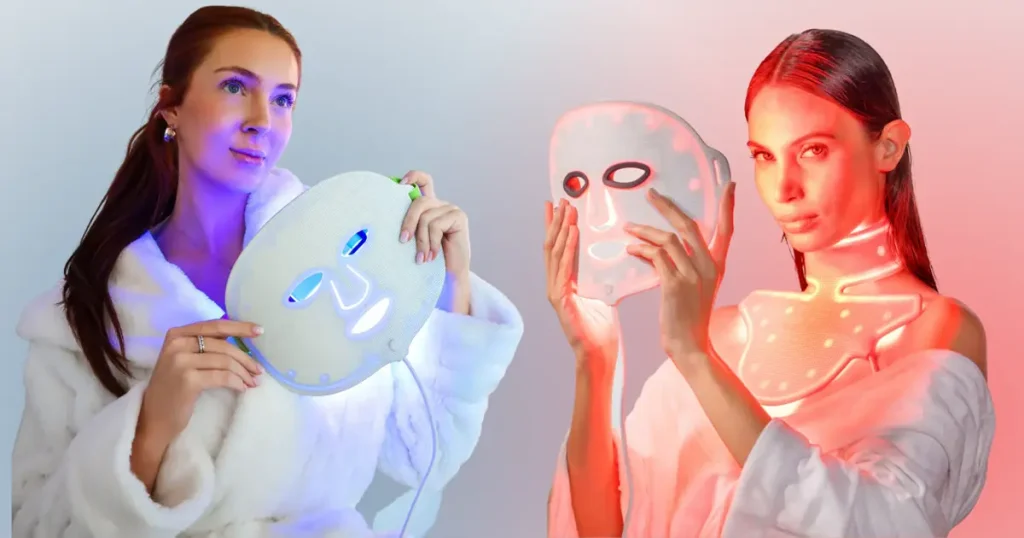
Red Light Therapy Mask vs Blue Light Acne Device: Quick Answer
- Blue light acne devices: Best for killing acne-causing bacteria (blue light kills acne bacteria) and reducing active breakouts quickly—ideal for inflammatory pimples and frequent flare-ups.
- Red light therapy masks: Best for reducing inflammation acne, calming redness, speeding skin repair, and fading acne marks—perfect for post-breakout recovery and overall skin health.
- Combination devices: The most effective option for most people, targeting both bacteria and inflammation for comprehensive LED acne treatment.
What Does a Red Light Therapy Mask Do for Acne?
Red light therapy masks (typically 630–670 nm) penetrate deeper into the dermis to promote cellular repair and anti-inflammatory effects.
They help by:
- Reducing inflammation acne through lowered cytokine activity and better circulation.
- Boosting collagen to improve texture and fade post-acne marks.
- Supporting faster healing of irritated skin without harsh side effects.
Clinical studies, including comparisons of red and blue light, show red light offers similar or better results for inflammatory lesions with fewer adverse reactions—often around 50% improvement in targeted areas.
How Does a Blue Light Acne Device Work?
Blue light acne devices (405–420 nm) act mainly on the skin’s surface and upper pores for direct antibacterial action.
Key mechanisms:
- Blue light kills acne bacteria by activating porphyrins in Cutibacterium acnes, producing reactive oxygen to destroy them.
- It helps regulate sebum and quickly reduces active inflammatory lesions like papules and pustules.
Research, including systematic reviews, confirms blue light’s efficacy for mild-to-moderate acne, particularly in lowering bacterial load—though it may cause more temporary dryness than red light.
Red Light Therapy Mask vs Blue Light Acne Device Comparison Table
| Feature | Red Light Therapy Mask | Blue Light Acne Device |
|---|---|---|
| Typical Wavelength | 630–670 nm (deeper reach) | 405–420 nm (surface-focused) |
| Primary Benefit | Reduces inflammation acne, heals scars, boosts repair | Blue light kills acne bacteria, clears active breakouts |
| Best For | Redness, post-acne marks, slow healing, anti-aging | Frequent pimples, oily skin, inflammatory lesions |
| Penetration Depth | Dermis (deeper layers) | Epidermis/upper pores |
| Side Effects | Minimal (rare warmth) | Possible dryness or mild irritation |
| Typical Device | Full-face flexible masks | Handheld spots or smaller/combined units |
Which Should You Choose: Red Light Therapy Mask or Blue Light Acne Device?
Match it to your needs:
- Active inflamed pimples or bacterial-driven breakouts → Start with a blue light acne device for faster bacterial control.
- Persistent redness, acne scars, or irritation → Red light therapy masks excel at reducing inflammation acne and supporting recovery.
- Mixed concerns (the most common case) → A combined red and blue light device is usually the smartest choice—studies show enhanced results from addressing both pathways.
Consistent use over 4–12 weeks typically brings noticeable changes.
Can You Use Red and Blue Light Therapy Together For Acne?
Yes—it’s not only safe but often more powerful. According to systematic reviews and clinical trials indexed on PubMed, combined blue and red light therapy significantly reduces acne lesions compared to single-wavelength treatments, with many showing superior outcomes for both inflammatory and non-inflammatory types. Most modern at-home masks offer modes for blue-only, red-only, or combined sessions.
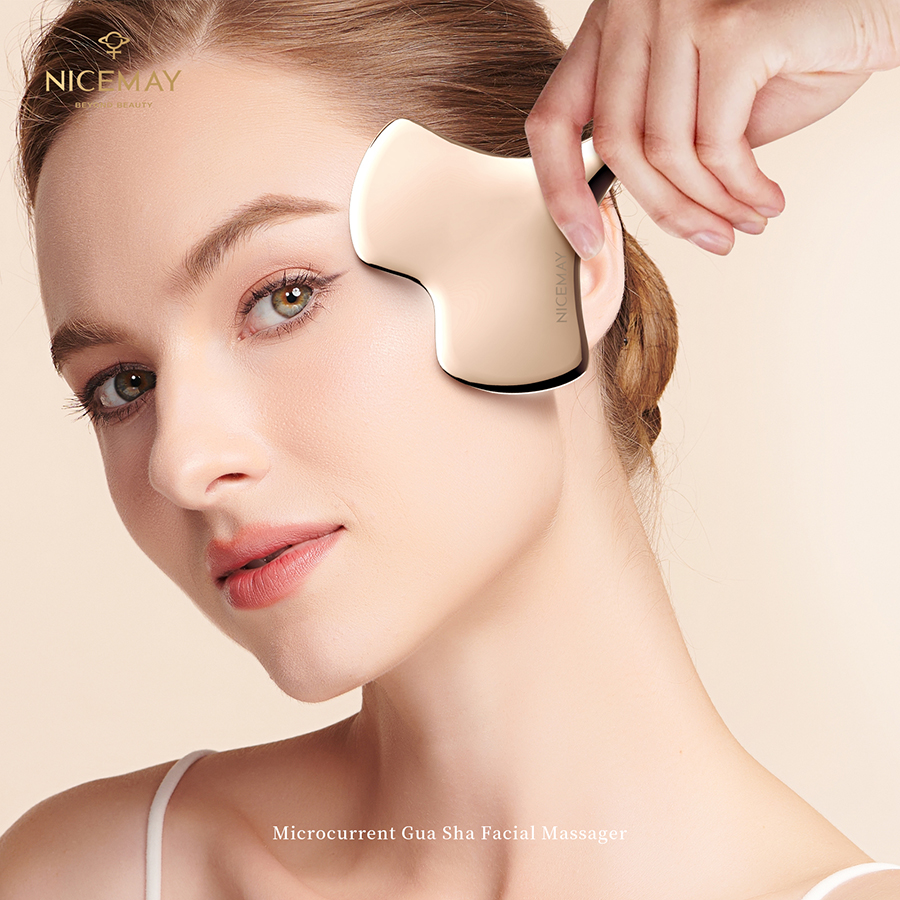
For more on red light’s penetration benefits, check How Deep Red Light Therapy Penetrates Facial Skin. Explore similar tech comparisons in Red Light Therapy Masks Compared With Microcurrent Facial Devices.
Common Mistakes When Using Light Therapy for Acne
Maximize results by avoiding these:
- Relying on blue light only when inflammation or scars are the main issue.
- Inconsistent routines—regular sessions are key for gradual improvement.
- Expecting instant overnight fixes—LED acne treatment builds over weeks.
- Overusing the device, which can lead to dryness.
- Skipping skin prep—always cleanse first and avoid makeup during use.
How to Use Red and Blue Light Therapy Mask at Home
- Cleanse and dry your face.
- Follow device instructions: usually 3–10 minutes per session/mode, 3–5 times weekly.
- Start shorter if skin is sensitive.
- Follow with gentle skincare.
- See a dermatologist for severe acne or if layering treatments.
Best Red and Blue Light Therapy Devices for Acne
Prioritize FDA-cleared at-home LED masks with accurate wavelengths (e.g., 415–420 nm blue, 630–660 nm red) and even output. Combined devices shine for versatility—offering modes to target active acne with blue light kills acne bacteria or healing with red light reduces inflammation acne. They’re often the top pick for balanced, non-invasive acne treatment. We recommend the NICEMAY MR-2308 Nude Beauty Pro LED Mask, which features multiple LED light modes and is very effective in treating acne.
FAQs about red light and blue light therapy mask
Red light therapy mask vs blue light acne device: which works faster?
Red light therapy mask vs blue light acne device: which is better for acne scars?
Is combination LED acne treatment at home effective?
Can you use red light therapy mask and blue light acne device on the same day?
How long until results from red light therapy mask vs blue light acne device?
Is LED light therapy for acne scars safe?
Conclusion
Choosing between red and blue light therapy depends on your skin’s current stage. Blue light acts as the “fire extinguisher” for active breakouts, targeting surface-level bacteria to clear pimples fast. Meanwhile, red light functions as the “repair crew,” penetrating deeper to calm inflammation, fade stubborn post-acne marks, and boost collagen. For the most effective at-home treatment, combination therapy is the gold standard—simultaneously neutralizing bacteria while accelerating the healing process for a clearer, more resilient complexion.
Whether you prioritize clearing breakouts or smoothing wrinkles, the hardware’s irradiance and spectral accuracy are what determine your success. To see how these technologies have evolved and which specs matter most this year, explore our Ultimate Guide to Red Light Therapy Masks (2026 Edition).
Please fill in your email in the form and we’ll get back to assist you soon!