


Are Beauty Devices Safe for Daily Home Use? Expert Safety Guide

Yes, most at-home beauty devices are safe for daily or regular use when you choose FDA-cleared models, follow instructions, and listen to your skin—but overuse, improper technique, or certain health conditions can lead to mild irritation or risks. This evidence-based guide explores at-home beauty devices safety for daily use, covering popular types, potential side effects, contraindications, and expert tips to help you incorporate them confidently.
Backed by dermatologists and clinical studies, these tools offer low-risk convenience for most users. Reputable brands like NICEMAY design gentle, user-friendly devices—such as our LED Facial Mask and Microcurrent Toner—to prioritize safety while delivering real results in everyday routines.

Why At-Home Beauty Devices Are Safe and Popular for Regular Use?
The surge in at-home beauty devices comes from their accessibility, lower intensity compared to professional versions, and proven safety profiles. Home models are engineered for consumer use with built-in safeguards, making them suitable for frequent application without downtime.
Key reasons for safety and popularity:
- Gentler power levels reduce risks.
- Convenience for customized, consistent routines.
- Growing clinical backing for home efficacy and safety.
- Affordability compared to ongoing salon visits.
Research shows high safety when used correctly, with rare adverse effects in trials (source: PMC/NIH review on home beauty devices for facial rejuvenation, 2024; Journal of Cosmetic Dermatology, 2023-2025).
Safety Profiles of Popular At-Home Beauty Devices for Daily Use
LED Light Therapy Devices: Safest for Daily Use
LED masks use non-thermal, non-UV light—ideal for everyday sessions.
Safety notes: Minimal side effects; eye protection advised. Одобрено FDA models are proven safe for regular use (source: Harvard Health Publishing; Журнал клинической и эстетической дерматологии).
Pro Tips: 10-20 minutes daily, wear goggles if recommended, start with shorter sessions.
Microcurrent Devices: Safe with Moderation
Low-level currents tone muscles but require conductive gel to avoid tingling.
Safety notes: Avoid with pacemakers, epilepsy, pregnancy, or active acne. Dermatologists recommend 3-5 times weekly to prevent fatigue (source: PubMed reviews on microcurrent therapy, 2024).
Pro Tips: Always use gel, begin low intensity, patch test first.
Radiofrequency (RF) Devices: Safe but Frequency-Limited
Controlled heat stimulates collagen—effective yet daily use may cause temporary redness.
Safety notes: High satisfaction in studies with proper protocols (source: PMC/NIH trials on at-home RF, 90.4% reported safe improvements).
Pro Tips: Move continuously, use gel, limit sessions.
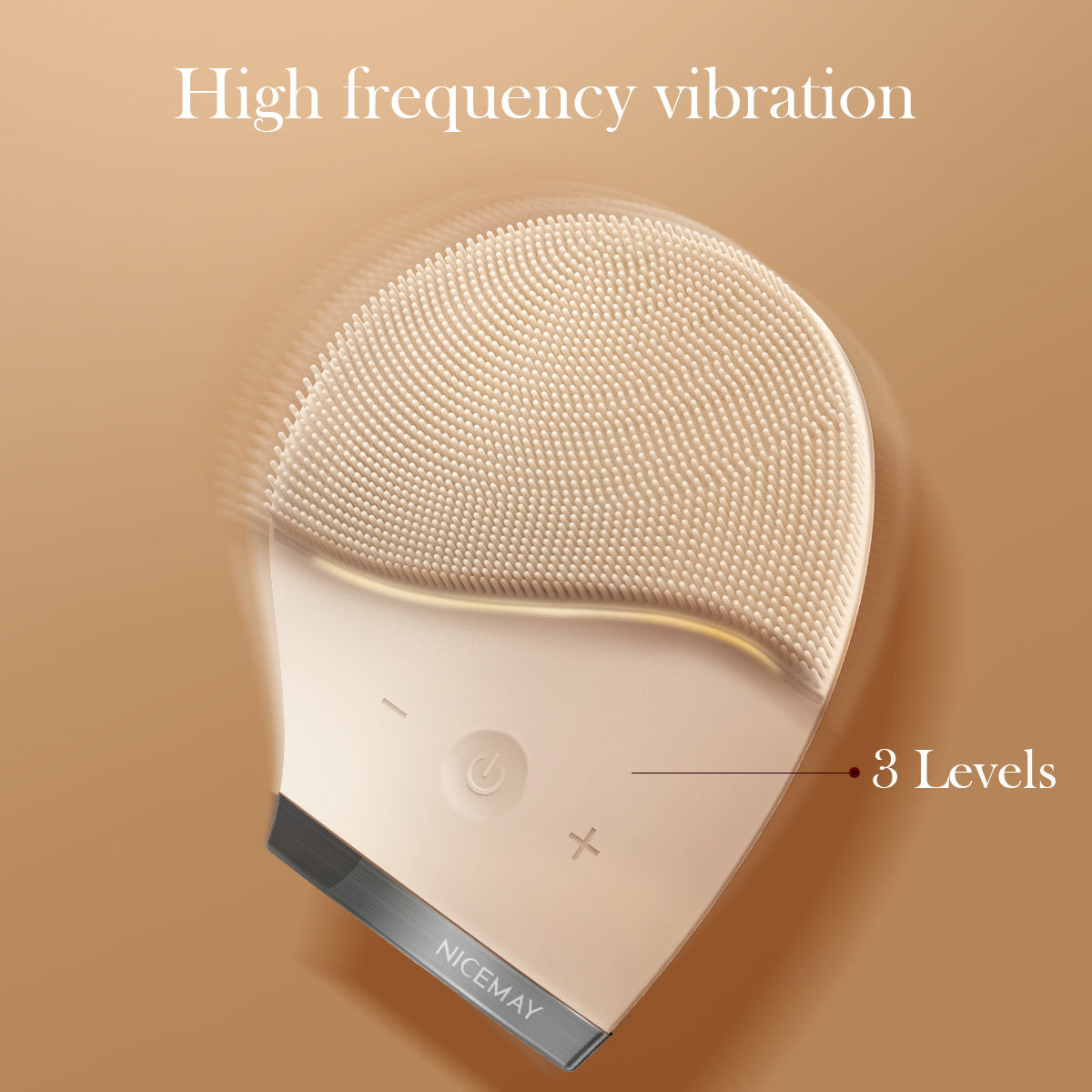
Ultrasonic Cleansing Brushes: Low-Risk Daily Option
Vibrations deeply cleanse gently.
Safety notes: Preserves skin barrier; rare irritation (source: PubMed literature reviews on sonic tools).
Pro Tips: Soft bristles/silicone, clean regularly, low settings for sensitive skin.
At-Home Facial Steamers and Other Tools
Steam opens pores safely 1-2 times weekly; avoid daily if sensitive.
Safety notes: Increases circulation without harm when moderated (source: Международном журнале дерматологии).
Pro Tips: 5-10 minutes max, maintain distance.
| Тип устройства | Safe for Daily Use? | Common Side Effects | Key Contraindications | Pro Tips & Best Practices | Поддержано источниками |
|---|---|---|---|---|---|
| Светотерапия на основе LED | Да | Rare eye strain/irritation | Photosensitivity, certain medications | Protect eyes, 10-20 min sessions | Журнал здоровья Гарварда; Журнал клинической и эстетической дерматологии |
| Микроток | Limited (3-5x/week) | Tingling, muscle fatigue | Pacemakers, epilepsy, pregnancy, implants | Use conductive gel, start low | Обзоры PubMed 2024 |
| Радиочастотный (RF) | Occasionally | Temporary redness/warmth | Heat sensitivity, active infections | Continuous motion, gel required | PMC/NIH clinical trials |
| Ultrasonic Cleansing | Да | Минимальное | Open wounds, severe rosacea | Clean device, soft settings | Обзоры литературы PubMed |
| Паровые устройства для лица | Limited (1-2x/week) | Over-drying if overused | Very sensitive/dry skin | Short sessions, follow with hydration | Международном журнале дерматологии |
Potential Risks and Contraindications for At-Home Beauty Devices
Common risks (rare with proper use): Redness, dryness, tingling. Serious issues arise from contraindications like pregnancy, heart conditions, recent procedures, or photosensitizing medications (source: Dermatologist guidelines, 2025; PMC reviews).
Not every skin type responds identically—explore “Работают ли косметические устройства на всех типах кожи?” for tailored insights. New to tech? Check “Подходят ли косметические устройства для начинающих?” for safe starting strategies.
Best Practices for Safe Daily Use of At-Home Beauty Devices
- Select FDA-cleared devices from trusted brands.
- Patch test and read instructions thoroughly.
- Maintain hygiene: Clean tools after each use, store dry.
- Limit frequency/intensity; build tolerance gradually.
- Consult a dermatologist for health conditions or persistent issues.
- Track progress and adjust seasonally.
Real-user trials confirm safe, effective outcomes with these habits (source: RealSelf reviews; PMC efficacy studies, 2024-2025).
Final Verdict: Safe Daily Use Is Possible with Smart Habits
At-home beauty devices are generally safe for daily or frequent use, empowering convenient skincare with minimal risks when chosen and used wisely—especially gentler options like LED and ultrasonic tools. Balance them with a solid routine for optimal, lasting results.
Ready to enjoy safe, effective at-home treatments? Discover НИСЕМАЙ‘s premium lineup of gentle beauty devices, crafted for everyday confidence and visible glow. Explore our collection today—your safer skincare journey starts now!

Пожалуйста, заполните вашу электронную почту в форме, и мы скоро свяжемся с вами для помощи!