


The 10 Best At-Home LED Face Masks for Hyperpigmentation in 2026

Hyperpigmentation — whether it shows up as post-acne marks, sun damage, or melasma — is one of the most stubborn skin concerns to treat at home. The good news: clinical research increasingly supports LED light therapy as a safe, non-invasive tool for suppressing melanin overproduction, accelerating cellular turnover, and calming the chronic low-grade inflammation that drives uneven tone. The challenge is knowing which mask, and which wavelengths, will actually move the needle for your specific type of discoloration.
After analyzing clinical literature, independent lab testing data, and real-world user outcomes across dozens of devices, we have identified the 10 best at-home LED face masks for hyperpigmentation available in 2026. Each pick is evaluated on wavelength accuracy, irradiance output, build quality, regulatory clearance, and long-term value — so you can invest with confidence.
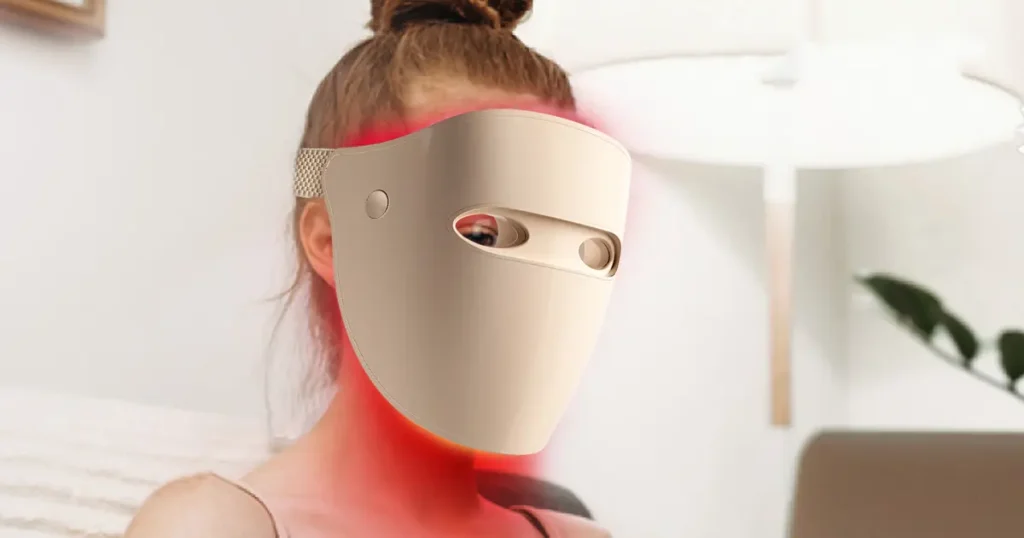
The Science Behind LED Light Therapy for Hyperpigmentation
LED photobiomodulation works by delivering specific wavelengths of light into the skin, where they are absorbed by chromophores in target cells, triggering a cascade of biological responses. For hyperpigmentation specifically, three wavelength categories do the heavy lifting.
Green Light (520–560 nm): The Melanin Suppressor
Green light is the most direct tool for addressing excess pigment. At these wavelengths, light energy is absorbed by melanin granules within melanocytes, disrupting the tyrosinase enzyme activity that drives melanin synthesis. Multiple peer-reviewed studies have demonstrated measurable reductions in melanin index following consistent green LED therapy — particularly for post-inflammatory hyperpigmentation (PIH) and melasma in lighter skin tones. Green light also helps normalize melanocyte distribution, which reduces patchiness in uneven skin tone.
Red Light (630–660 nm): Inflammation Control and Cell Renewal
Chronic low-grade inflammation is one of the primary upstream triggers of hyperpigmentation. Red light at 630–660 nm penetrates into the dermis, where it is absorbed by cytochrome c oxidase in mitochondria, boosting ATP production and reducing pro-inflammatory cytokine levels. This anti-inflammatory effect helps interrupt the inflammation-to-pigmentation feedback loop. Simultaneously, red light stimulates fibroblast activity and accelerates cellular turnover, helping shed pigmented epidermal cells more efficiently.
Near-Infrared Light (830–1072 nm): Deep Repair and Sun Damage Reversal
Near-infrared (NIR) wavelengths penetrate beyond the epidermis into the deeper dermis and underlying tissue layers. This deeper reach makes NIR particularly effective for UV-induced sun damage, where oxidative stress has disrupted both pigment regulation and collagen architecture. By reducing reactive oxygen species and stimulating dermal remodeling, NIR light helps address pigmentation that has a structural, UV-damage component rather than purely a surface-level melanin excess.
Clinical Insight
A 2023 review published in the Journal of Cosmetic Dermatology found that multi-wavelength LED protocols combining green, red, and near-infrared light produced superior pigment reduction outcomes compared to single-wavelength treatments alone — supporting the value of masks with multiple LED color channels.
The 10 Best At-Home LED Face Masks for Hyperpigmentation in 2026
1. Omnilux Contour FACE
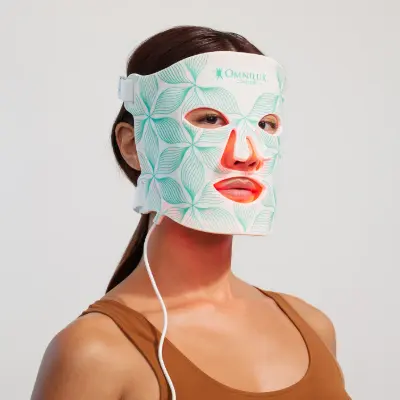
Omnilux has built its reputation on transparent, clinical-grade LED technology, and the Contour FACE delivers that in a flexible, wearable form. The 633 nm red wavelength sits in the phototherapy sweet spot for reducing post-inflammatory erythema and interrupting the inflammation-to-pigmentation cycle, while 830 nm NIR reaches the deeper dermis to repair UV-induced structural damage. The flexible silicone construction — with 132 LEDs distributed across a conforming panel — ensures consistent irradiance across the entire face, including the often-neglected jaw and temple zones. Omnilux publishes clinical trial data, and the device holds FDA clearance for the treatment of fine lines and wrinkles (with off-label use for PIH widely reported among dermatologists).
Wavelengths
633 nm, 830 nm
Total LEDs
132
Form Factor
Flexible silicone
Session Time
10 minutes
FDA Cleared
Yes
App Control
No
Best For
- Post-inflammatory hyperpigmentation and PIE (post-inflammatory erythema)
- Sun-damaged skin with diffuse uneven tone
- Rosacea-driven redness that triggers secondary pigmentation
2. Foreo FAQ 202 Targeted Spectrum LED Mask
Among the few consumer masks to include a clinically-relevant green light channel, the Foreo FAQ 202 positions itself as the most direct tool for melanin suppression on the market. The full-spectrum array — spanning blue through near-infrared — allows users to select targeted protocols: green for dark spots, red for inflammation, or a combined sequence for comprehensive pigmentation treatment. The mask uses 600 ultra-thin silicone LEDs across a lightweight flexible structure, and pairs with the Foreo app for guided session protocols. For users dealing with melasma, sun spots, or post-acne discoloration where direct melanocyte disruption is the priority, this is the strongest available option at the consumer level.

Wavelengths
415, 520, 630, 830 nm
Total LEDs
600
Form Factor
Ultra-thin silicone
Session Time
3–20 min (protocol)
FDA Cleared
Yes
App Control
Yes
Best For
- Melasma and hormonally-driven hyperpigmentation
- Sun spots and lentigines requiring direct melanocyte intervention
- Users who want guided, protocol-based treatment via smartphone
3. CurrentBody Skin LED Light Therapy Face Mask Series 2
The Series 2 is the first consumer LED mask to incorporate a third near-infrared channel at 1072 nm — a wavelength that penetrates to the hypodermis and targets oxidative stress at a cellular level that shallower NIR devices cannot reach. For deeply-rooted sun damage or long-standing pigmentation with a structural dermal component, this additional depth is clinically meaningful. The mask lacks a green light channel, which is a genuine limitation for users targeting active melanin overproduction — but for repairing the UV-induced damage that underlies stubborn existing discoloration, the multi-depth NIR approach is uniquely effective. The flexible panel construction also earns consistently high marks for full-face coverage conformity.

Wavelengths
633, 830, 1072 nm
Form Factor
Flexible silicone panel
Session Time
10 minutes
Unique Feature
1072 nm deep NIR
FDA Cleared
Yes
Best For
- Chronic sun damage with textural as well as pigment concerns
- Stubborn, long-standing dark spots that have not responded to red-only devices
- Post-procedure skin recovery with secondary pigmentation risk
4. Dr. Dennis Gross DRx SpectraLite FaceWare Pro
Named repeatedly by board-certified dermatologists as the benchmark consumer LED device, the SpectraLite FaceWare Pro earns its reputation through simplicity and consistency. The three-minute automated treatment cycle — designed by Dr. Dennis Gross, a NYC-based dermatologist — removes the guesswork that causes inconsistent user compliance with other devices. For hyperpigmentation arising from acne (PIH and dark acne scars), the combination of blue light to control bacterial load and red/NIR to reduce inflammation and accelerate turnover is particularly well-suited. The rigid hard-shell design is its primary limitation, as it creates coverage gaps on irregular facial contours, but the wavelength quality and brand clinical backing remain class-leading.

Wavelengths
415, 630, 830 nm
Form Factor
Rigid hard-shell
Session Time
3 minutes (auto-cycle)
LEDs
162 total
FDA Cleared
Yes
Best For
- Post-acne dark marks and hyperpigmentation from breakouts
- Users who want a fast, no-fuss protocol with dermatologist pedigree
- Combination skin with concurrent acne and pigmentation concerns
5. Solawave 4-in-1 Radiant Renewal Facial Wand (Mask Attachment)
Treating hyperpigmentation in deeper skin tones (Fitzpatrick IV–VI) requires particular caution — heat-generating devices carry a real risk of triggering post-inflammatory hyperpigmentation rather than resolving it. The Solawave system’s red-only 660 nm LED output operates without thermal energy, making it one of the safer options for melanin-rich skin. While the wavelength breadth is narrower than multi-channel competitors, the focused 660 nm delivery is clinically supported for reducing inflammation and improving circulation in darker complexions, and the combined use with the device’s microcurrent and facial massage features enhances lymphatic drainage that supports pigment clearance. This is one case where restraint in wavelength selection is a feature, not a limitation.

Wavelengths
660 nm Red
Additional Tech
Microcurrent, massage
Heat Output
Minimal / controlled
Skin Tone Safety
Fitzpatrick I–VI
Best For
- Medium to deep skin tones (Fitzpatrick IV–VI) where heat-based devices are contraindicated
- Post-inflammatory hyperpigmentation following breakouts or skin trauma
- Users seeking a hybrid LED + microcurrent solution
6. Trophy Skin RejuvaliteMD Red Light Anti-Aging & Pigmentation Panel
The RejuvaliteMD takes a panel rather than mask approach, which introduces amber and yellow light channels not commonly found in face mask form factors. Amber (590 nm) has demonstrated efficacy in reducing redness and promoting superficial skin healing, while yellow (560 nm) sits adjacent to the green spectrum with partial melanin-targeting properties. The combination makes this device an interesting middle ground between pure anti-aging and pigmentation-focused therapy. It lacks the convenience of a wearable mask but delivers higher irradiance per session than most consumer mask alternatives, which may accelerate treatment timelines for stubborn hyperpigmentation.

Wavelengths
560, 590, 630, 880 nm
Form Factor
Tabletop panel
Session Time
5 minutes
Best Use Case
Stubborn diffuse pigment
Best For
- Users willing to trade wearability for higher irradiance output
- Diffuse, widespread hyperpigmentation rather than isolated dark spots
- Those who want amber and yellow wavelengths alongside red and NIR
7. Project E Beauty LumaMask Pro 7-Color LED Therapy Mask
At its price point, no consumer LED mask offers a more complete wavelength selection than the LumaMask Pro. Seven independently selectable color channels — including green for melanin targeting and red for inflammation — allow users to build multi-step protocols that approximate what more expensive single-purpose devices deliver in isolation. The primary trade-offs versus premium options are irradiance consistency (LED specifications are not third-party verified) and build quality (rigid hard-shell with moderate conformity). For users beginning their LED therapy journey or working within a constrained budget, this is a legitimate entry point — provided expectations are calibrated around gradual, maintenance-level improvement rather than rapid clinical correction.

Color Channels
7 selectable
Includes Green
Yes
Form Factor
Rigid hard-shell
FDA Cleared
No
Price Tier
Budget
Best For
- Budget-conscious users wanting multi-wavelength access
- Maintaining results achieved with a clinical device
- Supplementary use alongside topical brightening actives
8. Lightstim for Wrinkles — Pigmentation Edition (Spot Wand)
Full-face masks are efficient for diffuse, widespread hyperpigmentation, but for isolated dark spots — a single melasma patch, a persistent post-acne mark, or a localized sun spot — a targeted wand delivers higher irradiance density directly to the problem area. Lightstim’s multi-wave technology stacks two red and two NIR wavelengths in a single panel, creating a compounding photobiomodulation effect that clinical literature suggests outperforms single-frequency devices. The 940 nm deep NIR channel is particularly valuable for established pigmentation with a dermal component. This is the ideal complement to a full-face mask in a comprehensive hyperpigmentation protocol.

Wavelengths
630, 660, 855, 940 nm
Form Factor
Handheld wand/panel
FDA Cleared
No
Coverage
Spot / targeted
Best For
- Isolated dark spots requiring concentrated treatment
- Users who own a full-face mask and want targeted supplementation
- Post-procedure marks following peels or laser treatments
9. Celluma RESTORE LED Light Therapy Panel
Celluma’s panels are used in professional aesthetics and dermatology clinics worldwide, and the RESTORE represents the closest most consumers can come to that clinical-grade experience at home. The flexible BIOPHOTONIC panel conforms dramatically to body and face contours, maintaining the critical 0–1 inch distance from the skin surface that irradiance calculations require to remain therapeutically effective. For hormonal melasma — which often has both inflammatory and structural components — the combination of 640 nm anti-inflammatory red light and 880 nm deep-penetrating NIR addresses both the surface pigment and the underlying vascular inflammation that perpetuates the condition. Celluma is FDA cleared for multiple dermatological indications.

Wavelengths
640 nm, 880 nm
Form Factor
Flexible BIOPHOTONIC
Clinical Use
Pro-grade technology
FDA Cleared
Yes (multiple indications)
Best For
- Isolated dark spots requiring concentrated treatment
- Users who own a full-face mask and want targeted supplementation
- Post-procedure marks following peels or laser treatments
10. NICEMAY MR-2308 Nude Beauty Pro Led Mask, Light Therapy Beauty Masks
MR-2308 Light Therapy Rejuvenating Beauty Mask that combines a four matrix light waves: deep red light, red light, near-infrared light, and golden amber light. With 220 high-energy light beads cover the entire face and activate the collagen regeneration in the deep layers of the skin. It offers three functional modes: Soothing, Brightening, Anti-aging, which can be selected according to different stages of the skin. The device operates with a one-touch operation and provides voice prompts. Each mode runs for 10 minutes and automatically shuts down, providing deep repair to the skin over a 28-day period. The device features a mask-like design, making it lightweight and comfortable to wear.

Wavelengths
850nm, 660nm, 630nm, 605nm
Form Factor
187.5×177.5×119mm
Charging Time
≤ 3 hours
Material
ABS, Silicone
LED Lights
220 High-Energy LED Beads
Power
Type-C Charging
Best For
- Users addressing pigmentation and premature aging simultaneously
- Wellness-oriented individuals integrating LED into a broader self-care routine
- Beginners who want a reputable, well-supported entry into LED therapy
Related Reading
If acne is contributing to your hyperpigmentation through post-inflammatory marks, the wavelength you choose matters at the source — not just the aftermath. Our guide on whether red light or blue light is better for acne breaks down the clinical evidence to help you choose a mask that treats both conditions simultaneously.
Side-by-Side Comparison: Best LED Masks for Hyperpigmentation 2026
| MASK | GREEN LIGHT | RED LIGHT | NIR | FDA CLEARED | FORM FACTOR | BEST PIGMENTATION TYPE |
|---|---|---|---|---|---|---|
| Omnilux Contour FACE | — | ✓ 633 nm | ✓ 830 nm | ✓ | Flexible silicone | PIH, PIE, sun damage |
| Foreo FAQ 202 | ✓ 520 nm | ✓ 630 nm | ✓ 830 nm | ✓ | Ultra-thin silicone | Melasma, sun spots |
| CurrentBody Series 2 | — | ✓ 633 nm | ✓ 830+1072 nm | ✓ | Flexible silicone | Deep UV damage |
| Dr. Dennis Gross FaceWare Pro | — | ✓ 630 nm | ✓ 830 nm | ✓ | Rigid shell | Post-acne PIH |
| Solawave (for darker tones) | — | ✓ 660 nm | — | ✓ | Wand/handheld | All tones, safe for IV–VI |
| Trophy Skin RejuvaliteMD | — | ✓ 630 nm | ✓ 880 nm | ✓ | Tabletop panel | Diffuse, widespread pigment |
| Project E LumaMask Pro | ✓ | ✓ | ✓ | — | Rigid shell | Budget multi-wavelength |
| Lightstim Spot Wand | — | ✓ 630+660 nm | ✓ 855+940 nm | ✓ | Handheld wand | Isolated dark spots |
| Celluma RESTORE | — | ✓ 640 nm | ✓ 880 nm | ✓ | Flexible panel | Hormonal melasma |
| NICEMAY LED Face Mask | — | ✓ 630 nm | ✓ 850 nm | ✓ | Silicone wearable | Aging + brightening combo |
How to Use Your LED Face Mask for Maximum Hyperpigmentation Results?
Establishing an Effective Treatment Protocol
Consistency is the most important variable in LED therapy outcomes — not intensity. Most clinical studies demonstrating measurable pigmentation reduction used treatment protocols of three to five sessions per week over a minimum of eight to twelve weeks. Sporadic use, even at high irradiance, does not produce the cumulative photobiomodulation effect that drives lasting change. Build your LED sessions into a regular skincare routine rather than treating them as an occasional add-on.
Skin Preparation: Clean, Dry, and Unobstructed
LED light interacts with tissue, not with topical products. Applying your mask over serums, sunscreens, or moisturizers does not enhance treatment — it simply adds an absorptive layer that may slightly scatter or reduce photon delivery. Cleanse thoroughly before each session and pat skin dry. Post-session is the ideal time to apply active brightening ingredients (niacinamide, tranexamic acid, vitamin C), as light therapy temporarily increases cellular permeability, which may enhance active ingredient absorption.
Pairing LED Therapy with Topical Brightening Actives
LED light therapy and evidence-based topical actives work through complementary — not competing — mechanisms. Used together, they can produce outcomes that neither achieves alone. Niacinamide inhibits melanosome transfer from melanocytes to keratinocytes; vitamin C scavenges the free radicals that trigger melanin overproduction; tranexamic acid blocks the plasminogen-to-plasmin pathway that activates melanocytes. Layer these actives around (not during) your LED sessions for a synergistic brightening protocol.
Important: Sun Protection Is Non-Negotiable
LED light therapy stimulates cell turnover and can temporarily increase photosensitivity. Using any LED device without daily broad-spectrum SPF 30–50 application will directly counteract your treatment. UV exposure is the single largest driver of continued melanin overproduction — no amount of LED therapy will overcome unprotected sun exposure in terms of pigmentation outcomes.
Frequently Asked Questions: LED Masks and Hyperpigmentation
Can at-home LED face masks really fade dark spots?
Which LED color is most effective for hyperpigmentation?
Is LED light therapy safe for melasma?
How many times per week should I use my LED mask for dark spots?
Are LED masks safe for darker skin tones?
Do I need a green light specifically, or will red light alone improve pigmentation?
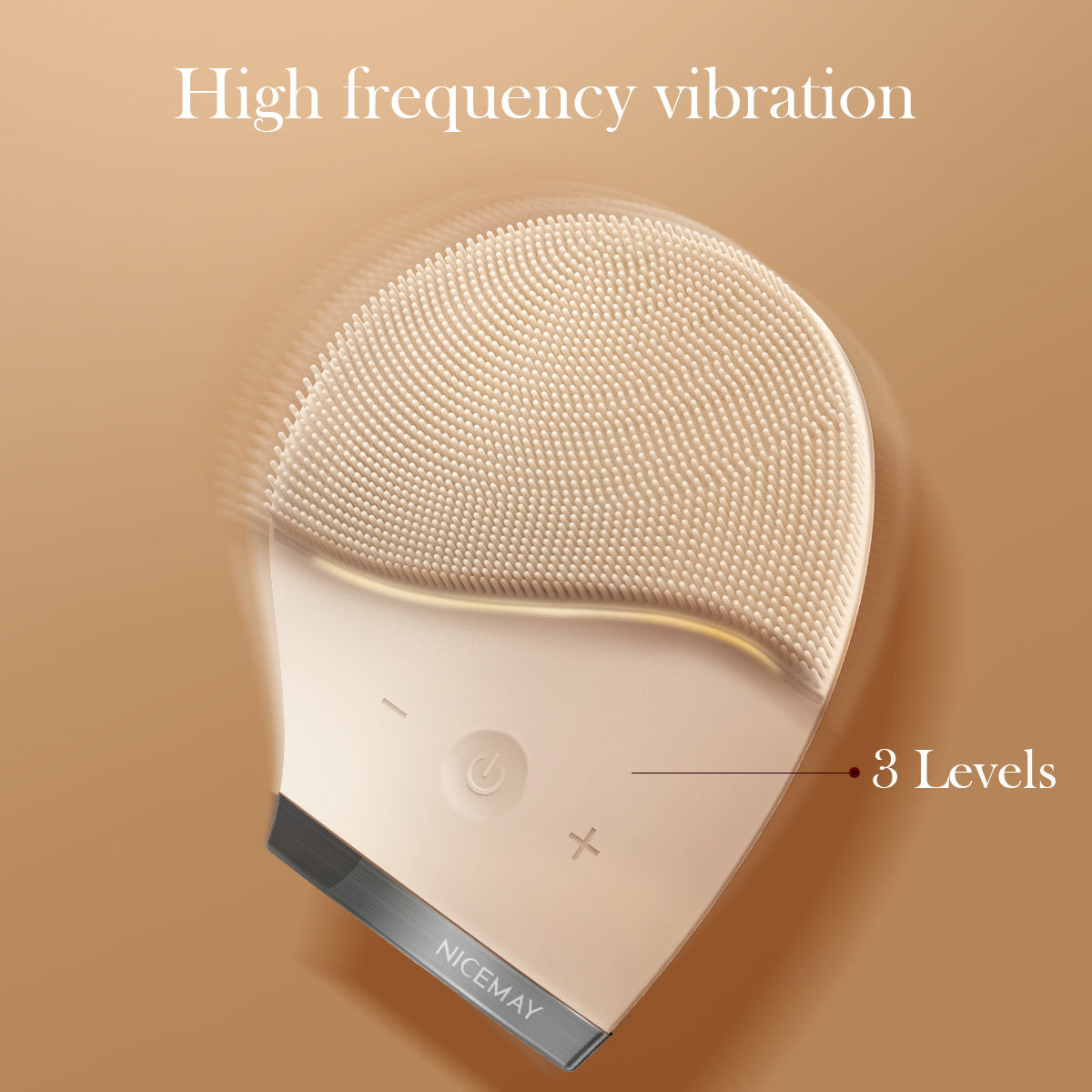
For most people with an established exfoliation routine, a cleansing brush is not a necessary purchase. Your skin doesn’t require it, and introducing it carelessly is more likely to create problems than solve them.
Where a brush legitimately earns its place: if you wear heavy SPF or full-coverage makeup regularly, have oily/congested skin that chemical exfoliation isn’t fully addressing, or you’re looking to replace a physical scrub with something more controlled and less abrasive. In those cases, a soft-bristle or silicone brush—used no more than twice a week, on non-exfoliant evenings—is a reasonable addition.
The smarter approach in most situations is to audit what your current routine is actually doing before adding another step to it. More often than not, the issue isn’t that you’re missing a tool—it’s that an existing product could be used more strategically.
Please fill in your email in the form and we’ll get back to assist you soon!