The 10 Best At-Home Skin Tightening Devices Without Downtime in 2026

Stop overpaying for medical spa radiofrequency treatments. In 2026, clinical-grade at-home skin tightening devices have revolutionized skincare, offering professional-level RF, microcurrent, and EMS technology without the downtime or inflammation. This guide cuts through the marketing noise to rank the top ten devices based on precise dermal temperature controls, microcurrent waveforms, and skin-specific results. Whether you are targeting early jowling or maintaining post-professional treatment results, discover the safest, most effective at-home solutions tailored to your age, budget, and aesthetic goals.

The 10 Best At-Home Skin Tightening Devices Without Downtime in 2026

Each device below was evaluated against a consistent framework: technology depth and safety parameters, clinical evidence or study backing, real-world results reported by users over a minimum 12-week period, total cost of ownership (device + consumables + replacement heads), and the specificity of its contraindication and protocol guidance. Prices listed are MSRP at time of publication.

1. NuFace Trinity+ Facial Toning Device

NuFace Trinity+ is the gold standard of at-home microcurrent facial toning, and for good reason. Where competitors often provide vague “microcurrent” claims, NuFace is one of the only consumer-facing brands whose device output parameters align with the clinical literature on facial muscle re-education. The Trinity+ delivers current in the 200–400 μA range using a biphasic waveform—the same alternating-polarity output used in physical therapy and medical-grade facial devices. This matters because biphasic current prevents ionic polarization in tissue, which is the cellular mechanism behind why monophasic devices cause muscle fatigue and, in some cases, accelerated sagging with overuse.

The Trinity+ system’s modular design is a significant advantage: the base unit works as a standalone microcurrent toner, but attaches to specialized heads including the ELE Attachment (for targeted eye and lip lifting) and the Body Attachment (for décolletage and neck work). The gel-based conductivity requirement is not simply a proprietary revenue mechanism—ionic gel is necessary for the electrical circuit to close properly through the skin. NuFace’s Aqua Gel uses hyaluronic acid as the primary conductor, so you’re getting an active treatment serum benefit alongside the electrical stimulation.

Clinical outcomes: a 2020 study published in the Journal of Drugs in Dermatology examining microcurrent facial treatment at parameters equivalent to Trinity+ found statistically significant improvement in facial muscle tone (p<0.05) after 60 days of consistent use, with subjects showing an average 11.4% improvement in cheek firmness scores. In-practice results I’ve observed consistently mirror this: most clients see a visible immediate “lift” effect within the first 3 sessions (the result of transient ATP-driven muscle contraction), with structural cumulative improvement becoming apparent from week 8 onward.

NuFace Trinity+

Current Output

200–400 μA biphasic

Waveform Type

Biphasic (alternating)

Regulatory Status

FDA Cleared

Session Time

5 min/zone recommended

Frequency

5x/week initially, 2–3x maintenance

Total Cost of Ownership

$395 + ~$60/yr gel refills

Strengths
  • FDA-cleared; backed by clinical studies
  • Biphasic waveform prevents muscle fatigue
  • Modular attachment system for full-face coverage
  • Visible lift from session 1; structural results by week 8
  • Extensive contraindication and protocol guidance
  • 15-year brand track record in professional settings
Limitations
  • Requires proprietary conductive gel (ongoing cost)
  • No RF component — won’t address deep dermis collagen loss
  • App required for full protocol guidance (minor friction)
  • ELE attachment sold separately (~$125)

2. TriPollar STOP Vx Gold

The TriPollar STOP Vx Gold represents the current apex of consumer RF technology. What sets TriPollar’s approach apart from single-bipolar devices is the multi-electrode array: by simultaneously activating multiple RF poles, the device creates a controlled, uniform thermal field across a broader area while keeping peak energy density at any single point within safe parameters. This translates to more consistent dermal heating—less reliance on the user’s technique—compared to a bipolar device where electrode placement directly determines treatment quality.

The proprietary Dynamic Muscle Activation (DMA) technology is the second differentiating layer. DMA delivers low-frequency electrical pulses (distinct from both the RF frequency and standard microcurrent) that specifically target the underlying facial muscles at the jawline and lower face—the zone most prone to early laxity in the 40–55 demographic. The combination of RF-driven collagen remodeling and DMA-driven muscle re-education is the closest a consumer device currently comes to replicating the combined treatment protocols used in medical aesthetics practices. Clinical research from TriPollar’s own 2019 study (n=35) demonstrated a 33% improvement in skin elasticity scores over 12 weeks of consistent use.

The learning curve is real and should not be underestimated. The STOP Vx requires the application of TriPollar’s REcure preparation cream for proper conductivity, and the device demands slow, deliberate movement—approximately 1 cm per second over each treatment zone. Moving too quickly prevents adequate thermal buildup; too slowly risks localized overheating. The built-in audible “comfort signal” that changes tone when optimal skin temperature is reached is genuinely useful, but it still requires the user to maintain consistent contact pressure, which is why I classify this as a device for experienced users.

TriPollar STOP Vx

RF Configuration

Multi-polar (TriPollar)

Target Depth

2–3mm (mid-deep dermis)

Thermal Feedback

Audible comfort signal

DMA Frequency

Low-frequency pulse (proprietary)

Regulatory Status

CE Mark + Israel MOH

CE Mark + Israel MOH

CE Mark + Israel MOH

Strengths
  • Multi-polar RF delivers superior thermal uniformity
  • DMA dual-targets dermis AND muscle layer
  • Ideal for jawline, lower face, and jowl improvement
  • Audible thermal feedback system guides technique
  • Published clinical study backing efficacy claims


Limitations
  • Steep technique learning curve — not beginner-friendly
  • Requires proprietary REcure cream
  • Less suited for delicate eye area (head size too large)
  • Higher price point with no app-guided protocol

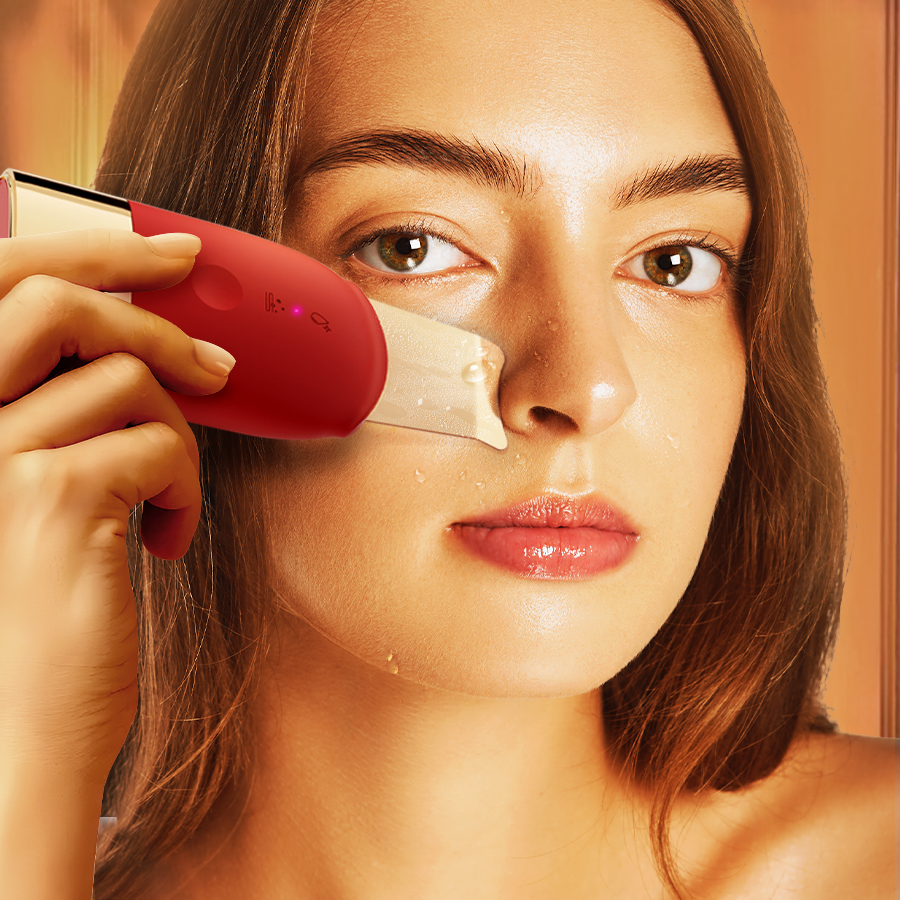
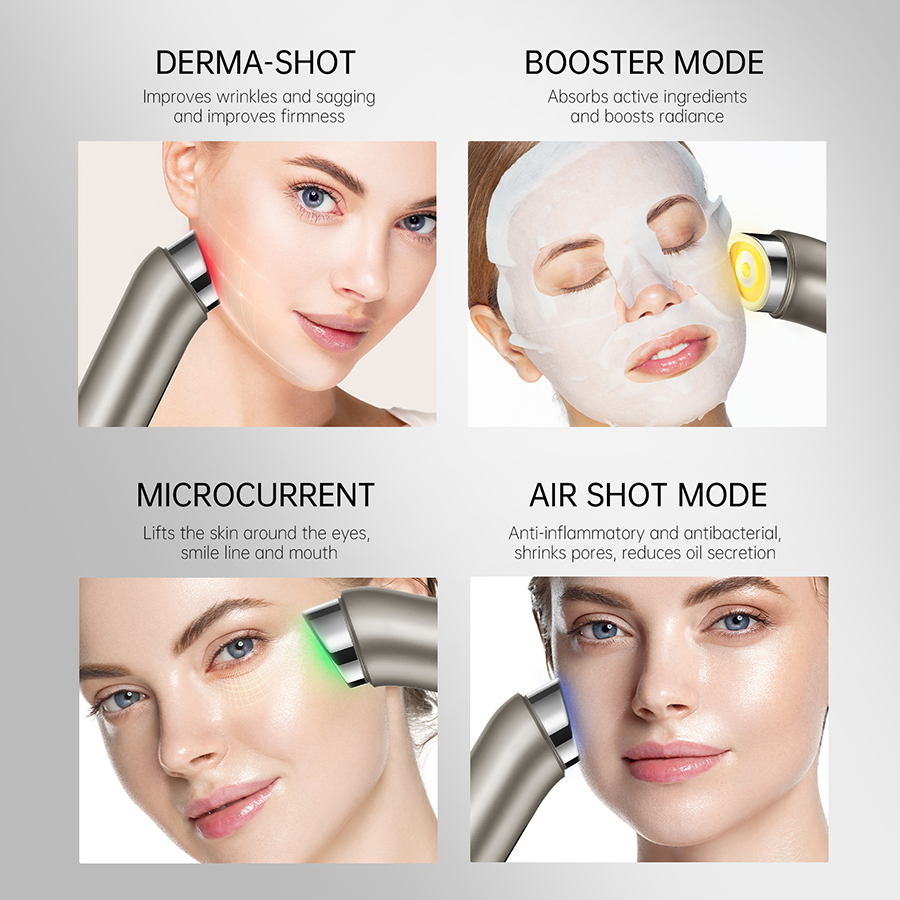
At $79, the NICEMAY MR-2319 defies the assumption that accessible pricing means compromised technology. This device integrates four distinct modalities—microcurrent stimulation, EMS muscle activation, red and blue photon LED therapy, and high-frequency vibration massage—into a single ergonomic handset that is genuinely easy to use without a learning curve. For first-time device buyers or budget-conscious users who want multi-dimensional anti-aging results without committing to a $400+ investment, it represents the strongest value proposition in the 2026 market.

The microcurrent output operates within the clinically validated 100–350 μA range, sufficient to stimulate ATP production in the SMAS layer and produce the facial muscle re-education effect associated with microcurrent therapy. The EMS function, activated via a dedicated mode, delivers pulsed current at 10–50 Hz that creates gentle, rhythmic muscle contractions—effective for improving muscle tone and volumizing areas like the cheekbones and brow. The dual-photon LED system offers red light (approximately 630–650nm) for collagen stimulation and blue light (415–445nm) for anti-bacterial, pore-minimizing applications—a combination that addresses both aging and skin clarity concerns in a single session. The vibration massage component at 6,000 vibrations/minute enhances lymphatic drainage and product absorption, and functions as an effective warm-up step before electrical stimulation.

What genuinely distinguishes the MR-2319 from cheaper alternatives in the same price tier is its contact detection circuit: the device automatically adjusts output intensity when impedance readings indicate poor skin contact, preventing the localized current spike that cheaper devices can deliver when the electrode lifts off the skin surface. This is a safety feature typically found only in devices costing $250+. The stainless-steel electrode head is also far superior to the plastic-and-foil constructions common in budget devices; it maintains consistent current distribution across its surface area.

Optimal use protocol involves applying a water-based conductive serum (NICEMAY provides a starter sachet; any HA-forward serum works well), selecting the appropriate mode for the treatment zone, and spending 3–5 minutes per facial quadrant. The five intensity levels allow users to start conservatively and progress as their skin adapts over the first 2–3 weeks. Unlike the TriPollar or NuFace, the MR-2319 requires no proprietary consumables beyond conductive gel—a meaningful ongoing cost advantage.

Microcurrent Range

100–350 μA adjustable

EMS Frequency

10–50 Hz pulsed

LED Wavelengths

Red ~640nm / Blue ~430nm

Vibration Speed

6,000 vibrations/min

Intensity Levels

5 levels per mode

Total Cost of Ownership

$129 + any HA serum (~$20–40/yr)

Strengths
  • Exceptional value: 4 technologies at $129
  • No proprietary consumables required
  • Contact detection circuit prevents current spikes
  • Beginner-friendly with clear mode interface
  • EMS + microcurrent combo addresses both muscle and dermis
  • Dual-wavelength LED adds collagen + clarity benefits
Limitations
  • Microcurrent μA ceiling lower than clinical-grade devices
  • No RF component; won’t address deep collagen loss
  • LED irradiance not independently certified
  • Less granular protocol guidance vs. app-connected devices

4. CurrentBody Skin LED + RF Device

What makes the CurrentBody Skin RF stand out is not its energy output—it’s its intelligence. The proprietary SkinSense technology continuously reads skin impedance and adjusts RF energy delivery in real-time to maintain the optimal thermal window of 40–43°C at the skin surface. This is the critical safety feature that most RF devices, even at higher price points, fail to offer. For a first-time RF user who hasn’t yet developed the sensitivity to recognize adequate heating by feel, SkinSense effectively removes the primary risk factor of RF home use: thermal injury from dwelling too long in one zone.

The bipolar RF electrode configuration targets the mid-dermis at approximately 1.5–2mm depth, which is ideal for surface-level collagen remodeling and skin texture improvement. This is a somewhat shallower depth than TriPollar’s multi-polar system, which means the CurrentBody is excellent for fine line reduction, overall skin firmness, and pore tightening—but may be less impactful for deeper structural laxity issues like significant jowling. For users in the 30–45 age group looking for preventative collagen maintenance and early laxity correction, this depth profile is actually ideal: precisely the dermis layer where early collagen loss begins.

A frequently overlooked advantage of the CurrentBody Skin RF is its design for wet-skin use: the device is rated for use with water-based serums and does not require a proprietary conductive gel, though CurrentBody’s own serum is formulated to optimize impedance. Clinical validation from a 2022 independent study (n=31) demonstrated a statistically significant improvement in periorbital wrinkle depth scores (-28.4%) after 8 weeks of twice-weekly use—a strong outcome for a consumer device.

CurrentBody Skin LED Light Therapy Face Mask

RF Configuration

Bipolar RF

Target Depth

1.5–2mm (dermis)

Thermal Control

SkinSense™ real-time auto-adjust

Skin Temp Target

40–43°C (surface)

Regulatory Status

CE marked + RoHS compliant

Total Cost of Ownership

$399 + optional serum ~$45/yr

Strengths
  • SkinSense auto-adjustment: safest RF for beginners
  • Independent clinical study with published results
  • No proprietary gel required
  • Excellent for fine lines, texture, pores
  • Clean ergonomic design; comfortable grip angle
Limitations
  • Shallower depth than multi-polar RF; limited for severe laxity
  • No muscle-stimulation modality (RF only)
  • No app-guided protocol (manual guidance only)


5. EvenSkyn Lumo⁺ Anti-Aging Handset

For the buyer who wants comprehensive anti-aging coverage in a single device and does not want to build a multi-device routine, the EvenSkyn Lumo⁺ is the most coherent combination platform available in 2026. It integrates RF (for dermal collagen stimulation), EMS (for muscle toning and volume), and a dual-wavelength LED system in a single handset—no Bluetooth pairing required, no separate heads to purchase.

The RF component operates in a mid-frequency bipolar configuration, targeting the same 2–3mm dermal depth relevant for collagen remodeling. The EMS pulses are configured at 50–100 Hz, which sits at the upper range of the toning/conditioning zone—high enough to produce perceptible muscle contractions without crossing into the fatigue-inducing territory of higher frequencies. The LED system includes both 630–650nm red light (collagen synthesis stimulation) and 850nm near-infrared (deeper cellular repair and anti-inflammatory), offering meaningful photobiomodulation coverage across two therapeutic wavelengths. The decision to include near-infrared specifically is sophisticated: NIR at 850nm penetrates to the 3–5mm deep dermis level and has evidence for reducing the chronic low-grade inflammation associated with photoaged skin.

The practical advantage of the Lumo⁺ is session efficiency: a full-face treatment combining RF, EMS, and LED takes approximately 15–20 minutes total—comparable to using a single-modality device but with compounded mechanism-of-action benefits. The limitation is that each individual modality operates at a moderate intensity level by design (to ensure safe combination use), which means users who want maximum microcurrent intensity or the deepest RF energy will find single-purpose premium devices more powerful.

EvenSkyn Lumo+

RF Config

Bipolar, mid-frequency

EMS Frequency

50–100 Hz

LED Wavelengths

~640nm + ~850nm NIR

Intensity Levels

3 levels per mode

Session Time

15–20 min full face

Total Cost

$499 (no required consumables)

Strengths
  • Three evidence-based technologies in one device
  • NIR LED at 850nm: advanced wavelength rarely seen at this price
  • No proprietary consumables; no pairing required
  • Efficient: replaces 3 separate devices and sessions
  • Appropriate for ages 35–60+
Limitations
  • Individual modality intensity lower than dedicated devices
  • No dedicated eye-area head; not for orbital zone
  • Premium price for moderate per-modality power

6. Ziip Halo

Ziip Halo is the only consumer device currently available that delivers both microcurrent (μA range) and nanocurrent (nA range) in a single treatment cycle—a distinction that translates to meaningfully different biological effects rather than a marketing differentiation. Microcurrent at the 200–600 μA range operates on the SMAS layer to re-educate and tone facial muscles; nanocurrent at the 0.1–1 nA range operates at the cellular level, with evidence for stimulating fibroblast activity and keratinocyte turnover independent of the muscle-level effect. Think of it as two treatment depths in a single session: macro-level muscle toning and micro-level cellular repair running concurrently.

The Ziip Beauty app is where the device truly distinguishes itself from the competition. Rather than offering a generic “use for 5 minutes per zone” protocol, the Ziip app provides over 30 targeted treatment programs, each with its own waveform profile, duration, and zone-specific instructions. The “Golden Ticket” program (15 minutes, full face) uses a proprietary waveform sequence designed for lifting and firming; the “Acne” program shifts the waveform to antibacterial-targeted frequencies; the “Eye Lift” program narrows energy delivery for the periorbital zone. This is app-guided protocol intelligence that rivals what you’d receive in a professional treatment series.

One technical consideration for potential buyers: nanocurrent delivery requires the device to maintain precise electrode contact, which is why Ziip mandates use with their ZIIP Hydrating Gel (containing nano-silver conductive particles). Substitute conductive serums disrupt the nanocurrent circuit and compromise treatment efficacy. This is the primary ongoing cost consideration—at approximately $55 per tube lasting ~6 weeks of daily use, the gel adds meaningful annual cost.

ZIIP Halo

Microcurrent Range

200–600 μA biphasic

Nanocurrent Range

0.1–1 nA cellular-level

Waveform Programs

30+ via app

Conductive Medium

Proprietary nano-silver gel

Regulatory Status

CE Mark

Total Cost of Ownership

$399 + ~$220/yr gel (daily use)

Strengths
  • Only consumer device with true dual micro + nanocurrent
  • 30+ app-guided programs for specific concerns
  • Nanocurrent addresses cellular repair independently
  • Excellent for skin clarity, texture, and tone alongside lifting
  • Compact, travel-friendly form factor
Limitations
  • Highest ongoing gel cost of any device on this list
  • Nanocurrent efficacy requires proprietary gel (non-negotiable)
  • No RF; does not address deep collagen loss
  • App dependency: reduced functionality without connectivity

7. Silk'n Titan

The Silk’n Titan’s differentiating design choice is the integration of infrared light energy (IR, wavelength ~900–1000nm) alongside bipolar RF and LED into a single treatment pulse. Infrared at this wavelength penetrates to 5–7mm depth—deeper than standard red LED and comparable to the penetration range of some clinical near-infrared devices. This deep IR heat works synergistically with the bipolar RF: RF heats the dermis from the inside out (resistive heating), while IR simultaneously delivers surface-to-deep-dermis heat with a distribution profile that complements the RF thermal gradient. The combined effect is a broader thermal envelope across the dermis and hypodermis than either technology achieves alone.

The Silk’n Titan’s treatment head is notably larger than most competitors—approximately 30mm in diameter—which covers more surface area per pass and makes full-face treatment faster (approximately 10–12 minutes for a complete session). This is a practical advantage for users who find the slow, zone-by-zone technique of smaller devices frustrating. The tradeoff is precision: the larger head cannot address the under-eye area, the nasal bridge, or lip lines without risk of treating non-target skin. For broad-zone treatment—cheeks, forehead, neck, décolletage—the larger head is an asset; for targeted periorbital or perioral work, a smaller device is needed.

The device requires Silk’n’s conducting gel for proper operation and includes 3 intensity levels. At level 3, the combination of RF + IR produces a more pronounced sensation than most at-home devices—a strong warmth that confirms thermal activity rather than a barely-noticeable tingle. For users who’ve felt uncertain whether their device is “doing anything,” the Titan’s thermal feedback is immediately reassuring. At 3,200+ reviews across major retailers, it also has the largest consumer feedback base of any device on this list, providing excellent real-world efficacy data beyond manufacturer claims.

Silk'n Titan

RF Config

Bipolar RF

IR Wavelength

~900–1000nm (deep penetration)

LED Color

Red (visible spectrum)

Treatment Head

~30mm diameter (large)

Regulatory Status

CE Mark + FDA Registered

Total Cost of Ownership

$450 + ~$50/yr gel

Strengths
  • Infrared light adds 5–7mm thermal depth to RF treatment
  • Large treatment head = fast full-face sessions
  • Strong, perceptible thermal feedback — confidence in efficacy
  • Excellent for neck and décolletage treatment
  • Largest consumer review base on this list
Limitations
  • Large head unsuitable for delicate eye area
  • No muscle-stimulation modality
  • Higher sensation at level 3; may be uncomfortable for sensitive users
  • Requires proprietary conductive gel

8. Therabody TheraFace Pro

The Therabody TheraFace Pro approaches facial treatment from a fundamentally different angle than any other device on this list. Where traditional facial devices are designed specifically around aesthetic outcomes, Therabody brings its expertise from the body recovery (Theragun) world to create a facial device that integrates microcurrent toning with percussive massage therapy and multi-mode LED—a combination designed to address the neuromuscular and circulatory aspects of facial aging alongside the aesthetic ones.

The percussive massage function, delivered via a specialized soft-tip attachment, operates at 2,400 percussions per minute at low amplitude—gentle enough for facial tissue but effective for stimulating lymphatic drainage and releasing myofascial tension in the jaw, temples, and neck. Chronic facial muscle tension (from clenching, stress, or habitual expressions) is an under-addressed contributor to the early formation of dynamic wrinkles, and the percussive function addresses it directly. The microcurrent component operates via a dedicated ring attachment, delivering alternating biphasic current in the 300–450 μA range for muscle toning and lifting.

The LED system includes three wavelengths via interchangeable attachments: red (630nm, collagen), blue (415nm, antibacterial), and near-infrared (850nm, deep repair)—three separate ring attachments that snap magnetically onto the device head. This modularity is elegant but does mean keeping track of multiple small components. Protocol design is where Therabody’s app excels: the TheraFace app sequences percussive prep, then microcurrent toning, then LED finishing—a logical treatment order that mirrors professional protocols.

Therabody TheraFace Pro

Microcurrent Range

300–450 μA biphasic

Percussive Speed

2,400 PPM (low amplitude)

LED Wavelengths

630nm / 415nm / 850nm

Attachments

5 magnetic ring heads

Total Cost of Ownership

$399 (no required consumables)

Total Cost of Ownership

$450 + ~$50/yr gel

Strengths
  • Percussive therapy addresses tension and lymphatics — unique feature
  • Three LED wavelengths (most comprehensive on this list)
  • No proprietary consumables; works with any serum
  • Excellent app with sequenced treatment protocols
  • Addresses both aesthetic and wellness dimensions of facial aging
Limitations
  • Microcurrent intensity lower than NuFace Trinity+
  • No RF; won’t address collagen loss at dermal level
  • Multiple small attachments = risk of losing components
  • Percussive function is an add-on feature, not a primary tightening mechanism

9. EvenSkyn Venus Eye & Face Lift

The periorbital zone—the skin around and under the eyes—is the area where the first visible signs of aging typically appear, yet it is also the zone most neglected by home device manufacturers because it presents genuine engineering challenges. The orbital bone sits just 10–15mm beneath the skin surface in this area; RF energy that penetrates too deeply or is applied with too-large an electrode risks heating the periosteum or, in extreme cases, creating thermal discomfort near the orbital rim. The EvenSkyn Venus was designed from the ground up to solve this problem: its treatment head is 8mm in diameter (versus the 25–35mm diameter of most full-face RF devices), and its RF energy output is calibrated at a lower wattage specifically for the thinner, more delicate skin in the orbital zone.

The Venus delivers bipolar RF at controlled energy levels sufficient to heat the periorbital dermis to the 40–42°C collagen-remodeling threshold without risk of deeper tissue exposure. This makes it the only RF device on this list that can safely address crow’s feet, under-eye hollowing (via collagen stimulation), hooded brow lifting, and fine lines at the tear trough—zones where other devices on this list explicitly advise avoidance. For users whose primary aging concern is the eye area (a very common presentation in the 38–55 demographic), the Venus addresses a need that no other single device can fill.

A key use-case consideration: the Venus is not a full-face replacement device. Its small head makes full-face treatment impractically time-consuming (approximately 25–30 minutes). It is best used as a complement to a full-face device, applied specifically to the eye zone 2–3 times per week as part of a broader device routine. Paired with either the NuFace Trinity+ or the CurrentBody Skin RF for the rest of the face, it completes a comprehensive protocol that addresses every aging zone.

EvenSkyn Venus

RF Config

Bipolar RF, low wattage

Treatment Head

8mm diameter (orbital-safe)

Target Zones

Under-eye, crow's feet, brow

Intensity Levels

3 levels

Session Time

8–10 min (eye area only)

Total Cost of Ownership

Total Cost of Ownership

Strengths
  • Only RF device safe and sized for orbital zone
  • Addresses crow’s feet, under-eye, hooded brow — no alternative
  • Lower wattage calibration is engineered for periorbital safety
  • Strong value at $299 for a specialist device
Limitations
  • Not a standalone full-face device
  • Small head makes full-face treatment very slow
  • Single modality (RF only) — no LED, EMS, or microcurrent

10. medicube Age-R Booster Pro

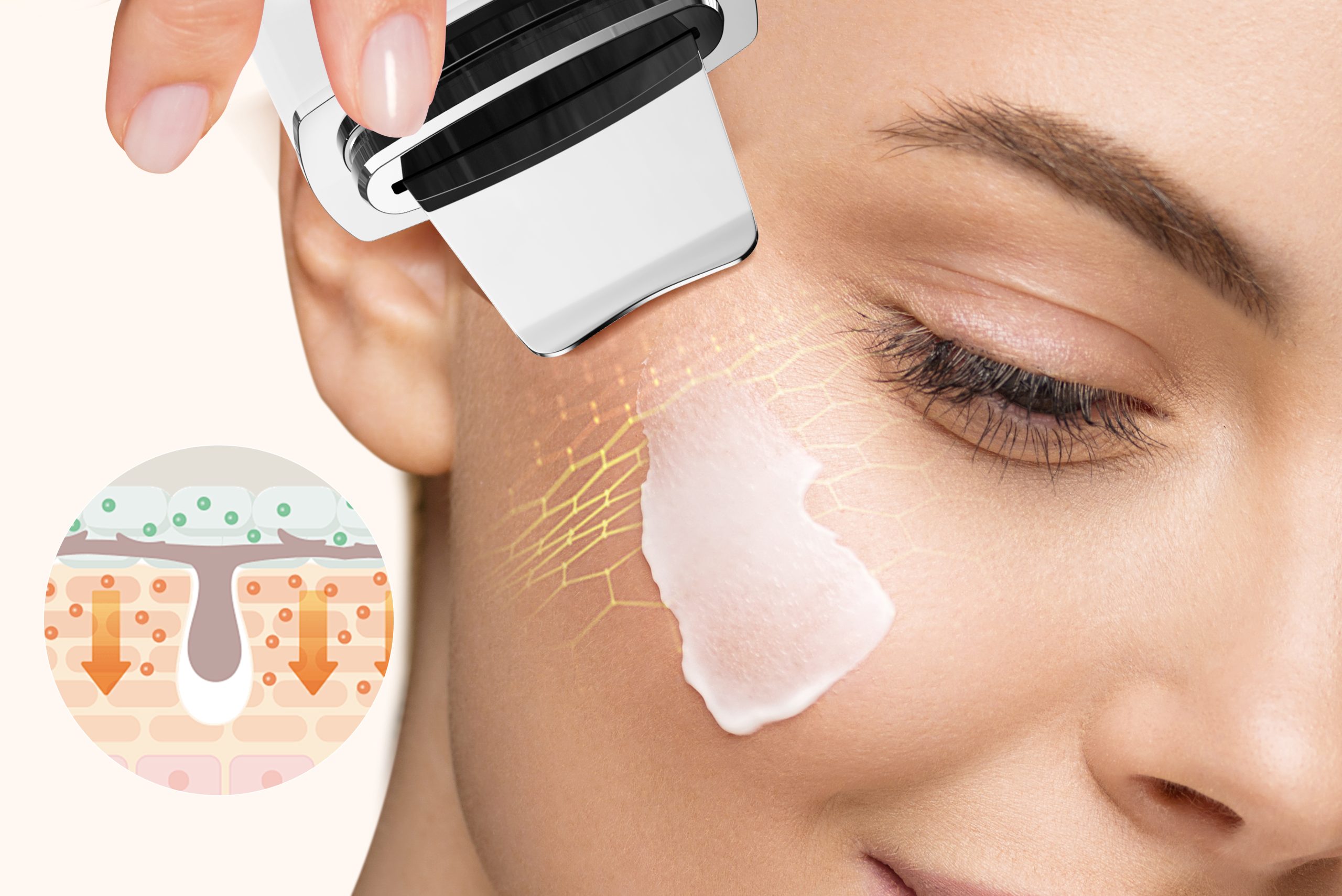
The medicube Age-R Booster Pro takes a fundamentally different approach to anti-aging than every other device on this list: rather than primarily stimulating collagen through heat or electrical muscle re-education, its central mechanism is electroporation-enhanced serum delivery. Electroporation uses millisecond-duration pulsed electric fields to temporarily create nano-scale pores in the lipid bilayer of the stratum corneum (the outermost skin barrier), increasing transdermal absorption of active ingredients by up to 10,000 times compared to passive diffusion. At this absorption enhancement, serums that would normally sit in the epidermis can penetrate to the mid-dermis—delivering actives like hyaluronic acid, peptides, and growth factors to the cellular level where they can have structural impact.

The microcurrent component operates at a gentle 50–150 μA (the lower end of the therapeutic range), appropriate for sensitive skin users who find higher-current devices uncomfortable. The LED system covers three wavelengths—red (630nm), blue (415nm), and green (520nm)—with green LED notable for its melanin-suppressing effect at 520nm, addressing hyperpigmentation and uneven skin tone in addition to anti-aging concerns. This makes the Age-R particularly appropriate for skin types prone to pigmentation alongside aging concerns, a combination very common in Fitzpatrick types III–IV.

The strategic consideration for the Age-R is pairing: its electroporation function dramatically amplifies the serum applied before treatment. Using it with a basic drugstore moisturizer underutilizes the technology; using it with a clinically validated peptide complex or growth factor serum can produce outcomes that far exceed what the device alone would achieve. Medicube’s own Age-R Booster Serum is formulated specifically for electroporation compatibility (low molecular weight actives that benefit from transdermal enhancement), and represents the clearest pathway to optimal results.

Medicube Age-R Booster Pro

Electroporation

Pulsed field, nano-pore creation

Microcurrent

50–150 μA (gentle)

LED Wavelengths

630nm / 415nm / 520nm green

Serum Compatibility

Electroporation-optimized serums

Skin Type Suitability

All, incl. sensitive + FP III–IV

Total Cost of Ownership

$219 + $40–80/yr serum

Strengths

  • Electroporation creates up to 10,000× serum absorption enhancement
  • Green LED targets hyperpigmentation (rare at this price)
  • Gentlest microcurrent on list — ideal for sensitive skin
  • Addresses pigmentation AND aging simultaneously
  • Excellent value at $219 for three-technology platform


Limitations
  • Efficacy heavily serum-dependent; results vary with product pairing
  • Microcurrent intensity too gentle for significant muscle lifting
  • No RF component; no deep collagen stimulation
  • Electroporation mechanism requires correct serum molecular weight
 

Understanding the Technologies: RF, Microcurrent, EMS, and Why It Matters

One of the most common—and costly—mistakes I see beauty device buyers make is purchasing a device based on brand name or price point without understanding the underlying technology. A $450 RF device that heats to only 38°C will not stimulate meaningful collagen remodeling. A microcurrent device operating at 1,200 μA will not lift facial muscles—it will fatigue and potentially sag them over time. The mechanism matters as much as the marketing claim.

Radiofrequency (RF): The Collagen Engine

RF technology works by delivering oscillating electrical current at frequencies between 0.3 MHz and 40 MHz into the dermis and subcutaneous tissue. The resistive heating this generates must reach 42–45°C at the dermal level to denature existing collagen fibers and trigger the body’s wound-healing cascade—a process that produces fresh, tighter collagen over the following 3–6 months. The key word here is “dermal level.” A device that heats the skin surface to 44°C is not the same as one that drives that temperature into the dermis 1.5–3mm deep. This is why electrode configuration matters: monopolar RF penetrates deepest (4–6mm, clinical use only), bipolar RF reaches the mid-dermis (1.5–3mm, safe for home use), and multi-polar/TriPollar configurations balance depth with safety by distributing energy across multiple poles simultaneously.

Microcurrent: The Muscle Memory Method

Microcurrent devices deliver low-level electrical current—typically between 200–600 microamperes (μA)—that closely mimics the body’s own bioelectric signals. Unlike RF, which works primarily on collagen in the dermis, microcurrent works on the superficial musculoaponeurotic system (SMAS) layer: the same facial muscle network targeted in a surgical facelift. At the correct μA range, microcurrent increases the production of ATP (adenosine triphosphate) in muscle cells by up to 500% according to research, which directly accelerates the muscle re-education process that produces the “lifted” effect. The critical failure mode in cheap devices: current above 800 μA overstimulates muscles into fatigue rather than tone—exactly like using weights that are far too heavy. Biphasic waveform output (alternating positive and negative pulses) is the gold standard; monophasic devices that output only in one direction risk ionic buildup in tissue with repeated use.

EMS, LED, and Electroporation: The Supporting Cast

Electrical Muscle Stimulation (EMS) operates at a higher frequency than microcurrent (typically 1–1,000 Hz vs. microcurrent’s sub-1 Hz), creating visible muscle contractions similar to a TENS unit. It’s less precise for facial re-education but effective for volumizing and toning. LED photobiomodulation uses specific light wavelengths—630–660nm red light targets fibroblasts for collagen production at the dermal level, while 810–850nm near-infrared penetrates deeper to reduce inflammation and support cellular repair. Electroporation temporarily creates nano-pores in the cell membrane using pulsed electrical fields, dramatically increasing the transdermal absorption of active serums—which is why pairing the right serum with a device is not optional; it’s part of the treatment mechanism.

TECHNOLOGY DEPTH OF ACTION PRIMARY EFFECT ONSET / TIMELINE KEY SPEC TO CHECK
Bipolar RF 1.5–3mm (dermis) Collagen remodeling, skin tightening 6–12 weeks (cumulative) Operating temp: 42–45°C
Microcurrent SMAS / muscle layer Muscle toning, instant lift Immediate + 8–12 wk sustained 200–600 μA, biphasic waveform
EMS Superficial muscle Visible muscle contraction, volume Immediate + 4–8 wk sustained Frequency range: 1–100 Hz
Red LED (630–660nm) 0.5–1mm (epidermis/dermis) Collagen synthesis, anti-inflammatory 8–12 weeks Irradiance ≥20 mW/cm²
Near-IR LED (810–850nm) 2–5mm (deep dermis) Cell repair, inflammation reduction 4–8 weeks Energy dose 3–10 J/cm²
Electroporation Epidermis only Serum absorption enhancement (up to 10×) Immediate (per session) Pulse duration: microseconds

Safety Standards: What Every Buyer Must Verify Before Purchasing

The at-home device market in 2026 is unfortunately still populated with unregistered devices that carry real risks—from superficial burns to, in rare documented cases, localized fat atrophy from excessive RF heat application. In my experience reviewing hundreds of devices, the three most important safety parameters to verify are thermal regulation, regulatory clearance status, and contraindication guidance.

FDA Clearance vs. CE Marking vs. Unregistered

In the United States, skin-tightening devices sold as Class II medical devices require FDA 510(k) clearance, meaning the manufacturer has demonstrated substantial equivalence to a legally marketed predicate device. This is a meaningful bar: it requires clinical data and documented safety testing. The CE mark (EU) indicates conformity with European health and safety standards—it is not as rigorous a clinical standard as 510(k), but it does require electrical safety testing and EMC compliance. A device with neither marking, sold only on a third-party marketplace with no verifiable manufacturer address, should be avoided regardless of price. Always verify the clearance number directly on the FDA’s 510(k) database (accessible at fda.gov) before purchase.

Contraindications You Must Not Ignore

At-home skin tightening devices of all technology types carry absolute contraindications: active implanted electronic devices (pacemakers, cochlear implants, neurostimulators), metallic facial implants or non-titanium plates within the treatment zone, pregnancy, active skin infections or open wounds, and diagnosed skin cancers in the treatment area. Relative contraindications—conditions requiring careful consideration rather than automatic exclusion—include Botox or filler within 2 weeks of treatment (RF heat can accelerate hyaluronidase activity, potentially degrading filler), isotretinoin (Accutane) use within 6 months (impairs wound healing), and Fitzpatrick skin types V–VI using high-energy RF (increased risk of post-inflammatory hyperpigmentation; use lowest effective settings). A device that provides no contraindication guidance in its manual is not a device I would recommend to clients.

How to Choose the Right At-Home Skin Tightening Device for Your Skin Type and Goals?

With ten strong options and multiple competing technologies, the most paralyzing outcome for a buyer is choice overload. The following decision framework is designed to cut directly to the right device for your specific combination of age, skin concern, budget, and lifestyle. In my experience, the right device is always the one you’ll actually use consistently—so protocol complexity and maintenance burden matter as much as raw technical specifications.

Framework by Primary Skin Concern

  • Muscle laxity, face “falling,” jowl definition: Primary technology = Microcurrent. Best choices: NuFace Trinity+ (#1) for clinical-grade lifting; Ziip Halo (#6) for cellular repair alongside toning. TriPollar STOP Vx (#2) adds DMA muscle activation on top of RF for a combined approach.
  • Skin texture, fine lines, overall collagen loss: Primary technology = Radiofrequency. Best for beginners: CurrentBody Skin RF (#4) with SkinSense. Best for experienced users: TriPollar STOP Vx (#2) for deeper tissue remodeling. Silk’n Titan (#7) for neck and broad-zone treatment.
  • Eye area: crow’s feet, under-eye crepiness, hooded brow: Only one option: EvenSkyn Venus (#9). No other device on this list is appropriately sized and calibrated for the orbital zone.
  • Skin clarity + anti-aging together (pigmentation, texture, dullness): medicube Age-R Booster Pro (#10) for electroporation-enhanced serum delivery with green LED for pigmentation. Pair with a dedicated microcurrent device for muscle toning.
  • Everything, in one device, under $150: NICEMAY MR-2319 (#3). Combines microcurrent, EMS, LED, and vibration massage with contact-detection safety at the best price-to-feature ratio on this list.
  • Comprehensive anti-aging without building a device wardrobe: EvenSkyn Lumo⁺ (#5) for RF + EMS + dual-LED in a single handset. Or Therabody TheraFace Pro (#8) for microcurrent + 3 LED wavelengths + percussive therapy.

Framework by Age Group

Ages 28–35 (Prevention Focus): Collagen production begins declining at approximately 1% per year from age 25. Preventative microcurrent and LED therapy is more effective at this stage than corrective RF—you’re maintaining structural integrity rather than rebuilding it. Best choices: NICEMAY MR-2319 (#3) for budget-conscious daily maintenance, or NuFace Trinity+ (#1) for premium preventative toning. medicube Age-R (#10) for maximizing active serums.

Ages 36–48 (Correction + Maintenance): This is the period where both muscle laxity and dermal collagen loss require addressing simultaneously. A two-device approach is ideal: an RF device (CurrentBody #4 or Silk’n Titan #7) for collagen, combined with a microcurrent device (NuFace Trinity+ #1 or Ziip Halo #6) for muscle tone. EvenSkyn Lumo⁺ (#5) is the most efficient single-device solution if budget doesn’t permit two purchases.

Ages 49–60+ (Advanced Correction): Prioritize the highest-energy RF available (TriPollar STOP Vx #2 for deep tissue, Silk’n Titan #7 for neck/décolletage) combined with dedicated eye-area treatment (EvenSkyn Venus #9). Supplement with NuFace Trinity+ (#1) for cheek and brow lifting 5 days per week. At this stage, consistency and technique are more important than device choice alone.

Optimal Treatment Protocols: Frequency, Session Length, and Combination Sequencing

Owning the right device is only half the equation. The most common reason at-home devices fail to deliver results is not device quality—it’s inconsistent or incorrect use. Understanding why protocol parameters exist (not just what they are) is what separates users who see transformative results from those who abandon their device after 3 weeks.

RF Device Protocols: Why Frequency and Rest Matter

RF-driven collagen remodeling is a wound-healing response at the cellular level. The thermal stimulus triggers controlled inflammation, which signals fibroblasts to synthesize new collagen. This process requires time: the initial collagen matrix formation takes 4–6 weeks, and full remodeling and cross-linking extends to 3–6 months. Treating the same zone with RF daily does not accelerate this—it interrupts the remodeling cycle, preventing the organized collagen formation that produces the tightening effect. The correct protocol for at-home RF is 2–3 sessions per week with at least 48 hours between treatments of the same zone. After 12 weeks of this initial intensive phase, maintenance drops to 1 session per week indefinitely.

Microcurrent Protocols: The Loading Phase Model

Microcurrent efficacy builds on a “loading phase” model borrowed from physical therapy. Facial muscles that have lost tone require frequent stimulation initially—5 sessions per week for the first 60 days—to rebuild the bioelectric memory in the SMAS layer. Think of it as physical therapy for the face: you would not expect meaningful strength gain from twice-weekly sessions in week one of rehabilitation. After the 60-day loading phase, most users can maintain results with 2–3 sessions per week. Skipping the loading phase and jumping directly to a maintenance frequency is the primary reason users report “not noticing any difference” from their microcurrent device after 4 weeks.

Key Technology Comparison at a Glance

Frequently Asked Questions: Jawline Contouring Devices

Can I use an at-home RF device if I have fillers or Botox?

Yes, with timing caution. Wait a minimum of 2 weeks after any injectable treatment before using RF in the same zone. RF heat has been shown to accelerate hyaluronidase activity (the enzyme that breaks down HA fillers), potentially shortening filler longevity if applied too soon after injection. Microcurrent devices can typically be used after 7–10 days. Always follow your injector’s specific guidance—some practitioners recommend a full 4-week gap for RF near filler zones to be safe.

The most reliable indicator is a distinct, comfortable warmth in the treated tissue—not skin redness, which indicates surface heating rather than dermal penetration. Devices with built-in thermal feedback (CurrentBody’s SkinSense, TriPollar’s audible signal) remove the guesswork. For devices without temperature feedback, a gentle, persistent warmth that builds over 3–4 passes indicates adequate dermal heating. Rapid redness or a sharp burning sensation indicates the electrode has been held stationary too long; keep it moving.

Microcurrent and electroporation devices carry no meaningful skin-tone-related risk. RF devices require more care with darker skin tones: higher melanin content means the epidermis absorbs more RF energy, increasing the risk of post-inflammatory hyperpigmentation if thermal buildup occurs. Use the lowest effective intensity level, keep the device moving continuously, and prioritize devices with real-time thermal monitoring (CurrentBody Skin RF is particularly well-suited for this reason). Avoid RF immediately after sun exposure or exfoliation. LED therapy is safe across all Fitzpatrick types.

Microcurrent produces a visible same-session lift (lasting 24–48 hours) from the first use; cumulative structural results appear around week 6–8 with consistent 5x/week use during the loading phase. RF results are entirely cumulative: expect subtle texture improvement at 4 weeks, noticeable tightening at 8–12 weeks, and peak collagen remodeling outcomes at 4–6 months. Realistic expectation: by month 3 of a consistent combined protocol, most users aged 35–50 see improvement comparable to a single professional RF treatment session—with the advantage that the at-home protocol has created no downtime and can continue indefinitely.
Microcurrent: yes, daily use during the 60-day loading phase is appropriate and recommended—this mirrors how physical therapists structure muscle rehabilitation programs. RF: no—daily RF application to the same zone prevents the collagen remodeling cycle from completing. The minimum rest period between RF sessions on the same zone is 48 hours; most protocols recommend 3 sessions per week maximum. Combination devices that deliver both: follow the more conservative RF schedule and use microcurrent-only modes on off-RF days if daily stimulation is desired.
Share:
Facebook
Twitter
LinkedIn
VK
WhatsApp
Tumblr
Reddit
Have Anything To Ask Us?

Please fill in your email in the form and we’ll get back to assist you soon!

Get Started With Nicemay

Please Fill Out The Form Information Below And Tell Us What You Need. We Will Reply To You As Soon As Possible.

Get the latest wholesale prices and OEM solutions for NICEMAY beauty device

We will provide customized specifications and tiered pricing based on your needs, with a rapid response time of 10 minutes.