


The Top 10 Cryo Sticks and Cold Facial Tools of 2026

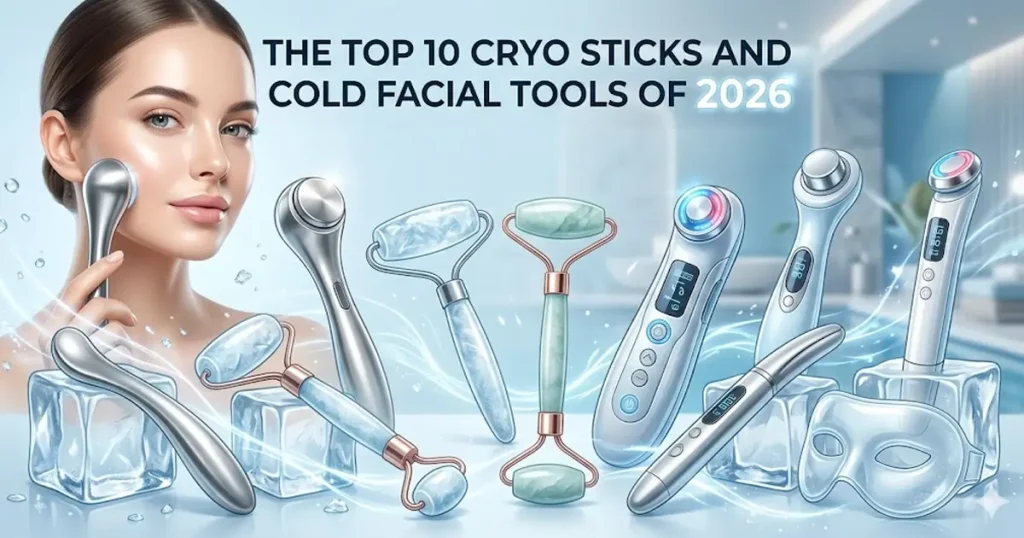
What Cold Facial Tools Actually Do — The Science in Brief
Before buying, it helps to understand why cold therapy works. When temperatures between 10°C–15°C (50°F–59°F) are applied to facial skin, several measurable effects occur:
- Vasoconstriction — Blood vessels temporarily narrow, reducing the volume of fluid pooling under the eyes and in facial tissue. This is why a cold tool used for 60–90 seconds at the inner corner of the eye can visibly reduce under-eye bags within minutes.
- Lymphatic stimulation — Unlike the cardiovascular system, the lymphatic system has no pump. Manual pressure combined with cold temperature encourages lymph fluid movement toward drainage nodes near the jaw and collarbone. Consistent upward-and-outward strokes matter more than the tool’s temperature alone.
- Reduced inflammatory cytokine activity — Multiple dermatology studies confirm that controlled cold exposure lowers pro-inflammatory cytokine expression (specifically IL-1β and TNF-α) at the application site — which is why cryo tools are particularly effective after aggressive skincare treatments like chemical peels or microneedling.
- Temperature range that’s safe and effective: Most dermatologists recommend 5°C–15°C (41°F–59°F) for at-home facial tools. Anything below 0°C risks ice burns, particularly on thin periorbital skin. Anything above 20°C provides negligible vasoconstriction benefit.
A common mistake I see clients make is freezing their glass ice globes solid and applying them directly to the under-eye area. Glass globes chilled to -5°C can cause capillary damage within 30 seconds. The correct method is to chill them in the fridge (not the freezer) or to use tools specifically engineered with temperature-limiting technology.
The Top 10 Cryo Sticks and Cold Facial Tools of 2026
1. Best Overall: Therabody TheraFace Depuffing Wand ($170)
The TheraFace Depuffing Wand is the most versatile cold facial tool on the market in 2026 — and the only one in this price tier that offers both cooling and heating in a single device, no freezer required.
The wand reaches its cooling setting (approximately 5°C) in under 15 seconds via thermoelectric Peltier technology — the same principle used in high-end beverage coolers. The heat setting climbs to around 40°C, which is useful for boosting serum absorption and relieving jaw tension. Crucially, 40°C sits just below the threshold (42°C) where sustained heat application begins to break down dermal collagen in sensitive skin.
The shape is purpose-built: a rounded, elongated head that nestles into the orbital bone and tracks the contour of the jawline without awkward repositioning. Unlike ice globes or flat rollers, there’s no cold-handle penalty — your fingers stay warm throughout the session.
Who it’s for: Skincare enthusiasts who want a multi-function tool that eliminates the freezer dependency and offers legitimate heating benefits. An investment, but one of the most rational ones in the category.
One trade-off: At 170g, it’s slightly heavier than a standard cryo stick. Not fatiguing for a 5-minute session, but worth noting for users with grip sensitivities.

2. Best Luxury Cryo Sticks: Georgia Louise Cryo Freeze Tools ($130)
Georgia Louise is a celebrity facialist with a roster that includes Kate Winslet and Maggie Gyllenhaal, and these stainless steel cryo tools reflect that pedigree. The set includes egg-shaped massage orbs and elongated wands, all made from medical-grade stainless steel — the same material specification used in surgical instruments.
Medical-grade (316L) stainless steel has two practical advantages over standard 304 steel for facial tools: superior corrosion resistance (important if you’re storing near bathroom humidity) and a smoother surface finish that glides without micro-friction on the skin barrier. The ergonomic handles feature a thermally insulating plastic grip so the metal’s chill stays on your face, not your fingers.
After 20 minutes in the refrigerator, the egg tools hold their working temperature (around 8°C–12°C) for approximately 8–10 minutes of continuous use — adequate for a full depuffing session.
What I consistently see: Clients who use these alongside a gua sha protocol twice weekly report visible improvement in jawline definition after 6–8 weeks — not from the cold alone, but from the combination of targeted pressure and temperature stimulus encouraging lymphatic clearance.
Who it’s for: The serious skincare enthusiast who wants professional-caliber tools and a brand story grounded in real esthetics practice.
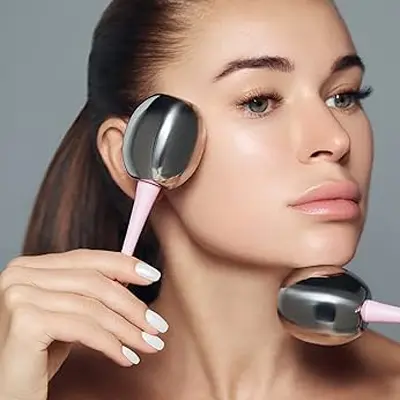
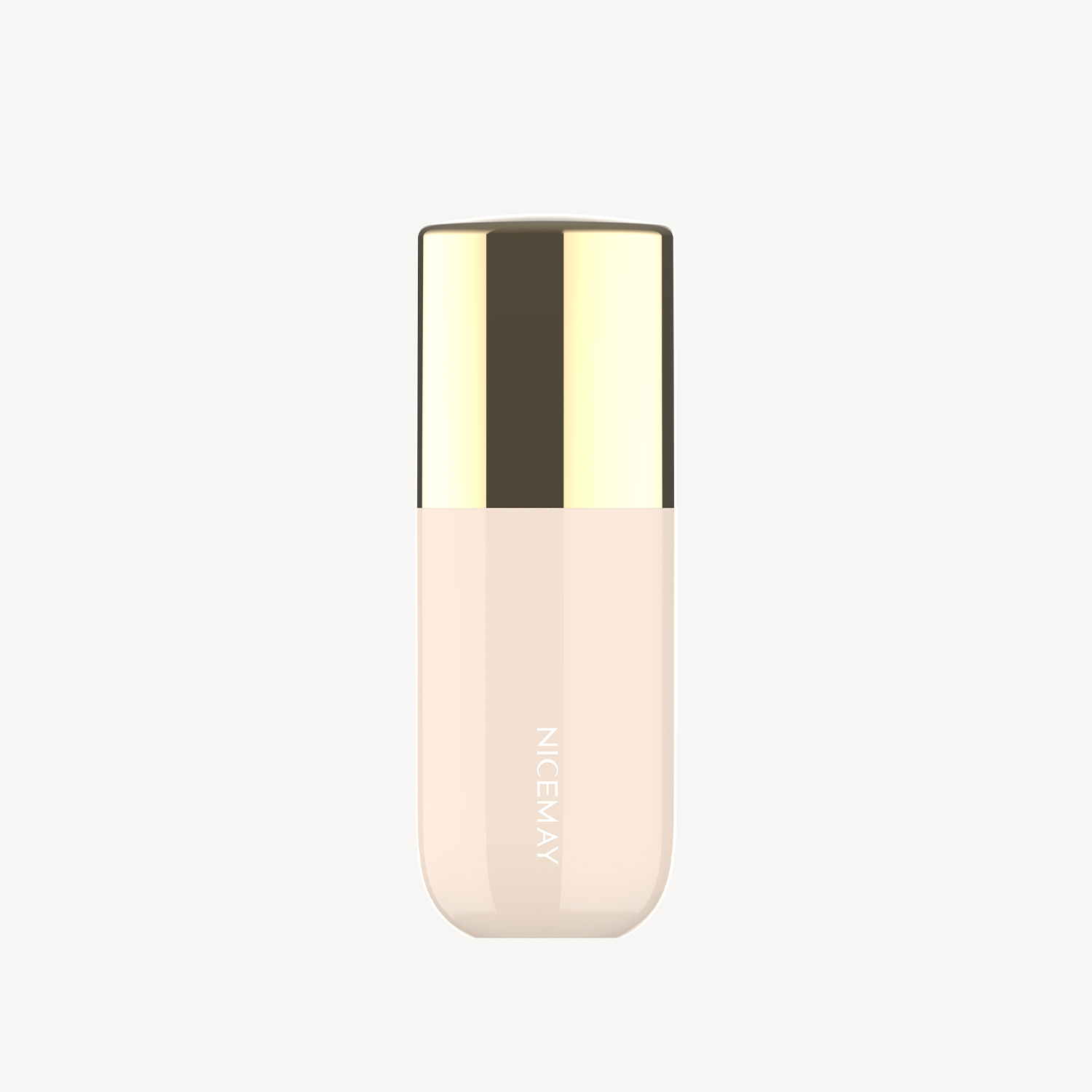
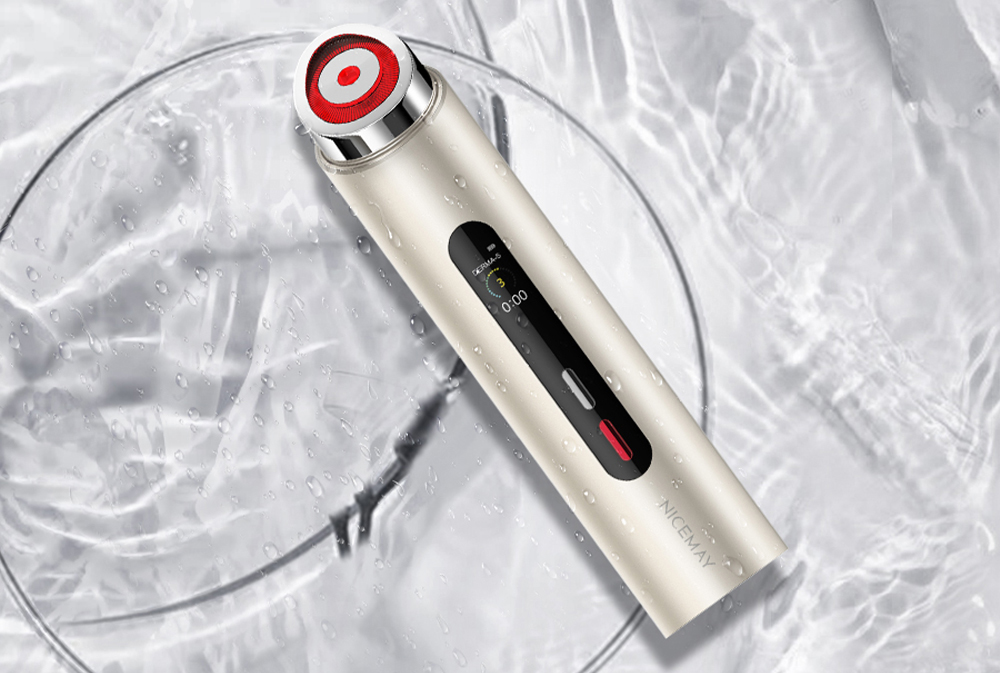
3. Best Tech-Integrated Cryo Stick: NICEMAY Cryo Ice Facial Massager
The NICEMAY Cryo Ice Facial Massager earns its place near the top of this list by solving the most persistent frustration with cryo tools: the re-freeze cycle. Most stainless steel and glass tools lose their working temperature within 5–8 minutes, forcing you to pause, return the tool to the fridge, and wait before continuing — which completely breaks the flow of a skincare routine.
The NICEMAY uses an integrated cooling core that maintains a consistent temperature through its ceramic-coated applicator head without requiring a freezer. The flat, dual-sided head is thoughtfully angled — one side contoured for the under-eye and cheekbone, the other flat for broad-surface gliding across the forehead and neck. The handle is designed for a natural grip that reduces wrist fatigue during upward lymphatic drainage strokes.
The ceramic coating matters: ceramic distributes cold temperature more evenly across the applicator surface than bare metal, preventing the uneven “cold spot” sensation that cheap metal sticks produce when applied at an angle.
Clinical-style application tip: Apply 2–3 drops of a peptide serum (look for Argireline or Matrixyl 3000 concentrations above 5%), let it absorb for 60 seconds, then use the NICEMAY in 15-second firm passes from the center of the face outward. The combination of vasoconstriction and peptide delivery after cold application takes advantage of the brief rebound vasodilation (around the 2-minute mark) that follows cold stimulus — this is when active ingredients penetrate most efficiently.
Who it’s for: Anyone who wants a consistent, maintenance-free cryo experience that integrates seamlessly into a daily routine. Excellent for beginners and experienced users alike.

4. Best Overall Ice Globes: Aceology The Original Blue Ice Globe Facial Massager ($64)
The Aceology Blue Ice Globes are the standard against which all other ice globes are measured. The borosilicate glass construction with a liquid-gel interior is the critical design decision here — it means the globes hold their temperature through a phase-change process rather than simple thermal mass, staying in the therapeutic range (8°C–14°C) for 12–15 minutes after refrigeration. Cheaper hollow glass globes lose their chill in 4–6 minutes.
The spherical head excels at two things: sinus pressure relief (rolling across the cheekbones with moderate pressure is genuinely decompressing) and muscle tension release along the jaw. The round shape isn’t ideal for precise under-eye targeting — the curved surface distributes pressure broadly rather than concentrating it at the orbital hollow. For pinpoint precision, a cryo stick is a better choice.
Fragility is the real conversation: At $64, replacement cost matters. Keep these on a padded tray, not rolling around a bathroom shelf. A 1.2m drop onto tile will shatter them. If you want the ice globe experience without breakage risk, see the Pfefe stainless steel option below.
Who it’s for: Users who prioritize sinus relief and general facial massage over targeted depuffing, and who can commit to careful storage.

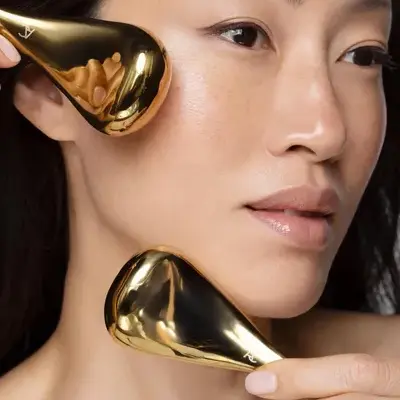
5. Best Splurge: Angela Caglia Gold Cryo Facial Set ($125)
Angela Caglia’s gold-dipped cryo tools occupy a specific niche: skincare as ritual. The 24K gold plating over stainless steel isn’t functional from a temperature-delivery standpoint — gold is a thermal conductor, not an insulator, so it doesn’t extend chill time versus bare steel. What it does deliver is significant tactile weight (each piece weighs approximately 180–200g), which translates to more consistent skin contact pressure during massage strokes without active effort.
That density matters. In gua sha and facial massage research, tools above 150g consistently produce better lymph-stimulating outcomes than lighter alternatives because gravity-assisted pressure requires less conscious force from the user — reducing the risk of over-dragging, which can stretch delicate facial skin over time.
The aesthetic experience is genuinely premium — these tools look and feel expensive, which turns a 5-minute skincare step into a sensory ritual. For many users, that psychological component improves consistency, and consistency is what produces results.
Who it’s for: The luxury beauty consumer for whom the experience of self-care is as important as the outcome, or anyone looking for a high-impact gift in the beauty space.
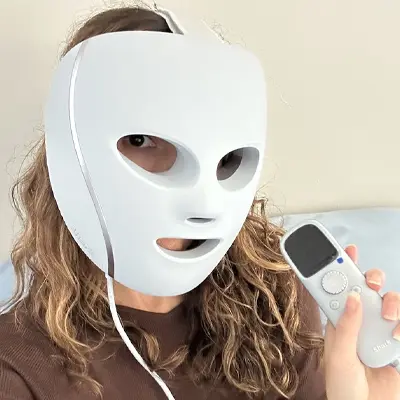
6. Best Cryo & LED Mask: Shark Beauty CryoGlow Cooling & LED Face Mask ($349)
The CryoGlow represents the highest level of at-home technology convergence in this list. It combines LED light therapy panels (red light at 630nm for surface collagen stimulation, near-infrared at 830nm for deeper dermal penetration up to 5–8mm) with targeted cooling panels across the under-eye zone.
Why does combining cold and red light matter? Cold temperature temporarily increases capillary permeability in a controlled way, which may enhance the uptake of photons by chromophores in the dermis. Whether this translates to meaningfully superior outcomes versus sequential treatments hasn’t been definitively proven in independent clinical trials, but Shark’s internal data shows measurable improvements in periorbital puffiness scores after 8 weeks of consistent use.
At $349, this is a significant investment. The break-even math versus professional LED facials (typically $75–$150 per session) reaches profitability around session 4–5. For anyone doing LED therapy more than once per week, the device pays for itself within two months.
Important safety note: The cooling panels in this mask are designed to maintain 15°C — safe for the thin periorbital skin. Do not modify or tamper with the cooling mechanism; the thermal management is calibrated for the mask’s contact geometry.
Who it’s for: The efficiency-maximizer who wants to complete two proven treatments simultaneously. Not for users who want a focused massage experience.
7. Best Cryo Ball: Nurse Jamie Super-Cryo Massaging Orb ($50)
The CryoGlow represents the highest level of at-home technology convergence in this list. It combines LED light therapy panels (red light at 630nm for surface collagen stimulation, near-infrared at 830nm for deeper dermal penetration up to 5–8mm) with targeted cooling panels across the under-eye zone.
Why does combining cold and red light matter? Cold temperature temporarily increases capillary permeability in a controlled way, which may enhance the uptake of photons by chromophores in the dermis. Whether this translates to meaningfully superior outcomes versus sequential treatments hasn’t been definitively proven in independent clinical trials, but Shark’s internal data shows measurable improvements in periorbital puffiness scores after 8 weeks of consistent use.
At $349, this is a significant investment. The break-even math versus professional LED facials (typically $75–$150 per session) reaches profitability around session 4–5. For anyone doing LED therapy more than once per week, the device pays for itself within two months.
Important safety note: The cooling panels in this mask are designed to maintain 15°C — safe for the thin periorbital skin. Do not modify or tamper with the cooling mechanism; the thermal management is calibrated for the mask’s contact geometry.
Who it’s for: The efficiency-maximizer who wants to complete two proven treatments simultaneously. Not for users who want a focused massage experience.

8. Best Value Rollers: Maange Ice Roller ($10)
Every category needs an honest budget option, and the Maange Ice Roller earns its place on this list because it genuinely works within its limitations. The polypropylene gel-filled roller holds a working temperature (in the 10°C–15°C range) for 6–8 minutes after 30 minutes in the freezer — sufficient for a quick morning depuff pass.
What you sacrifice at $10: the rolling mechanism is not precision-engineered (expect slight friction variation across the roll), the handle is lightweight plastic, and the gel core will eventually develop micro-fractures after 12–18 months of freeze-thaw cycling. It’s also less precise than a stick — the roller format is excellent for the forehead and cheeks but awkward along the jawline and orbital hollow.
The honest use case: This is the perfect entry point for someone who isn’t sure if cold facial tools will work for their skin, or a backup tool to keep at the office. At $10, the risk is negligible.

9. Best Targeted Tool: Skin Gym Cryo-Ice Massage Sticks ($40)
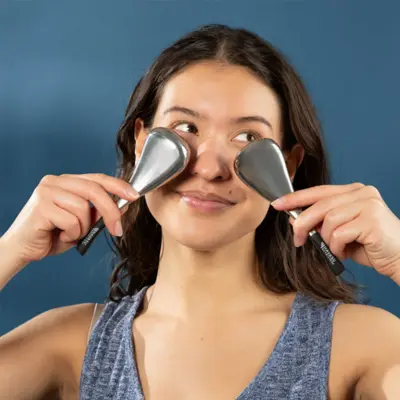
The Skin Gym Cryo-Ice Sticks are designed with one priority: precise contact with anatomically challenging zones. The angled stainless steel tips — offset approximately 20° from the handle axis — allow the tool to follow the curve of the orbital bone and cheekbone without the user having to contort their wrist.
The set includes two sticks with different tip geometries: one with a rounded point for the under-eye channel, one with a flat edge for broader strokes. This dual-format approach makes it genuinely versatile across the full face.
After 15 minutes in the refrigerator, the stainless steel maintains working temperature for approximately 7–8 minutes. For targeted under-eye work (which typically takes 2–3 minutes per side), this is more than adequate.
Who it’s for: Users with persistent under-eye puffiness or dark circles who want a purpose-built precision tool rather than a multi-use massager.
10. Best Frozen Toner Alternative: Sofie Pavitt Face Nice Ice Frozen Toner Pods ($68)
Sofie Pavitt’s Frozen Toner Pods approach cold therapy from a completely different angle. Rather than a reusable tool, these are pre-portioned pods containing active toner (formulated with niacinamide, hyaluronic acid, and a 5% glycolic acid concentration) that you freeze into solid pods using the included mold.
What you’re getting is cryotherapy and actives delivery in one step: the cold tightens pores and reduces inflammation while the glycolic acid exfoliates and hyaluronic acid draws moisture to the surface. The 5% glycolic concentration is low enough to be safe on most skin types when applied cold (lower temperatures reduce the acid’s potential for irritation), but those with rosacea or extremely reactive skin should patch test first.
The per-pod cost works out to approximately $2.80 each when you factor in the included toner. For once-weekly use, that’s well under $15/month — reasonable for an active-ingredient treatment.
Who it’s for: The skincare minimalist who wants cold therapy and an active treatment in one step, or anyone who already uses Sofie Pavitt’s toner formulation.

How We Ranked These Cryo Sticks and Cold Facial Tools
Every tool on this list was evaluated against five criteria:
- Effective temperature range — Does it stay in the therapeutic 5°C–15°C window, or drop dangerously low?
- Ergonomic design — Can it reach the under-eye hollow, jawline, and nasolabial fold without strain?
- Material safety — Medical-grade stainless steel and food-grade glass > cheap alloys and hollow plastic
- Durability and maintenance — Does it require constant re-freezing, replacement parts, or careful handling?
- Value against results — Is the price justified by meaningful performance advantages?
How to Use Cryo Tools for Maximum Results?
Step 1 — Cleanse and prep correctly. Apply your targeted serum (vitamin C, peptides, or niacinamide work well with cold tools) and allow 60–90 seconds of absorption before picking up the cryo tool. Do not apply retinol or high-percentage acids (above 10% glycolic) before cold tool use — vasoconstriction slows the clearance of these actives and can lead to localized irritation.
Step 2 — Work systematically, not randomly. The most effective sequence for lymphatic drainage: start at the center of the face and work outward and downward toward the lymph nodes at the jaw, behind the ears, and along the collarbone. Each stroke should be 5–7 seconds long with gentle-to-moderate pressure. Aggressive dragging stretches facial fascia over time — let the tool’s weight and temperature do the work.
Step 3 — Finish with a barrier product. Cold constricts temporarily, but it also mildly disrupts the skin’s surface barrier if used without follow-up. Apply a ceramide or squalane-based moisturizer after each session. In cold, dry climates, this step is non-negotiable.
Frequency: 5–7 days per week for depuffing. 3 days per week if combining with active treatments (retinol, exfoliants). Allow the skin to fully normalize before overlapping aggressive routines.
The Cryo Tool Mistakes That Undermine Results
Mistake 1: Over-freezing your tools. Cryo tools chilled below -2°C can cause superficial ice crystal formation on the skin surface, damaging the stratum corneum. Keep glass globes and gel rollers in the refrigerator (4°C–8°C) unless the manufacturer’s instructions specifically indicate freezer use.
Mistake 2: Using tools on broken skin or active breakouts. Cold restricts blood flow, which slows the immune response and can delay healing of active inflammatory acne. Use cryo tools in the prevention and recovery phases, not over active lesions.
Mistake 3: Skipping the serum. A cryo stick used on dry skin with no product underneath creates unnecessary friction on the skin barrier. Always use a water-based serum or facial oil as a slip medium.
Mistake 4: Expecting results in one session. Lymphatic drainage benefits are cumulative. Most users see a sustained reduction in morning puffiness after 2–3 weeks of consistent daily use — the first session’s results reflect temporary vasoconstriction only.
For readers deciding between tool formats, our companion guide Cryo Sticks vs Ice Rollers – Which Cold Tool Reduces Puffiness Faster? provides a head-to-head technical comparison including temperature retention data and lymphatic efficacy by tool shape.
If you already own a cold facial tool and want to optimize your technique, see How to Reduce Puffiness Fast with Cold Facial Tools and Cryo Sticks? — a step-by-step protocol guide with morning, evening, and post-treatment variants.
FAQ: Cryo Sticks and Cold Facial Tools
How cold should a cryo stick be before I use it?
Can I use a cryo stick every day?
Do cryo tools actually reduce dark circles, or just puffiness?
What's the difference between a cryo stick and an ice roller?
Can I use a cryo stick after botox or filler?
For Botox: Wait at least 24 hours before using any cold facial tool in the treatment area. Pressure and temperature changes can theoretically affect toxin diffusion in the first 24 hours, though clinical evidence is limited. Most injectors recommend a 24-hour “no touching” protocol as a precaution. For dermal fillers: Wait a minimum of 2 weeks. Cold vasoconstriction after filler injection can contribute to vascular irregularity in rare cases. Always follow your injector’s specific post-care instructions.

Please fill in your email in the form and we’ll get back to assist you soon!