


What Makes a Beauty Device Effective for Skin Care?

A beauty device is truly effective for skin care when proven technology, precise engineering, and consistent user adoption work together. Unlike topical skincare that acts mainly on the surface, high-quality beauty devices deliver controlled energy into targeted skin layers—stimulating collagen remodeling, muscle activation, or cellular repair for visible and repeatable results.
This article explains what makes a beauty device effective for skin care, from a professional manufacturing and clinical performance perspective.

Beauty Device Effectiveness Is About Biological Change, Not Sensation
Many devices feel warm, vibrate, or tingle—but sensation alone does not equal efficacy.
From an engineering and dermatological standpoint, a beauty device is effective only when it creates measurable biological responses, such as:
- Collagen fiber contraction and regeneration
- Muscle fiber activation and toning
- Improved cellular metabolism and circulation
This distinction directly addresses a common buyer question:
👉 ” Do Beauty Devices Actually Change the Skin or Just the Surface? “.
Closely related to this question is another concern frequently raised by professional buyers:
👉 ” Do Beauty Devices Work Better Than Manual Facial Massage? “.
From a clinical and engineering perspective, the answer depends on consistency, intensity, and biological targeting. While manual massage can temporarily improve circulation, it cannot reliably deliver controlled thermal energy, stable electrical stimulation, or precise wavelengths required to trigger repeatable biological responses in deeper skin or muscle layers.
What are some beauty device technologies that have been proven effective in practice?
Radio Frequency (RF): Controlled Thermal Remodeling
RF technology works by delivering stable electromagnetic energy into the dermis.
- Effective temperature range: ~40–52 °C
- Biological effect: Collagen denaturation → contraction → gradual thickening
- Key requirement: Stable energy density (J/cm²) without overheating
Without precise thermal control, RF devices either underperform or pose safety risks—making engineering accuracy central to effectiveness.
Electrical Muscle Stimulation (EMS / Microcurrent): Precision Matters
EMS mimics the body’s natural bioelectric signals to activate facial muscles.
- Effective outcome: Visible lifting and contour definition
- Engineering challenge: Pulse width, frequency, and amplitude must remain stable
Poorly calibrated devices often cause discomfort without meaningful muscle engagement, reinforcing why manufacturing precision directly affects results.
LED therapy effectiveness depends almost entirely on wavelength accuracy.
- Red (≈630–660 nm): Collagen synthesis and skin repair
- Blue (≈415 nm): Acne-causing bacteria reduction
Devices that lack wavelength consistency fail to trigger photobiomodulation, reducing results to superficial exposure rather than cellular stimulation.
Procurement-Level Technology Comparison: RF vs EMS vs LED
The table below compares Radio Frequency (RF), Electrical Muscle Stimulation (EMS), and LED Light Therapy from a performance, engineering, and purchasing perspective, helping you select the right technology for their target market.
| Technology | Primary Target Layer | Core Biological Effect | Key Engineering Parameters Buyers Should Check | Main Advantages | Typical Limitations | Best Use Cases |
|---|---|---|---|---|---|---|
| Radio Frequency (RF) | Dermis | Collagen denaturation, contraction, long-term remodeling |
• Stable energy density (J/cm³) • Accurate temperature control (40-52°C) • Real-time thermal or impedance sensors |
• Visible skin tightening • Long-term anti-aging results • Strong perceived value |
• Higher engineering cost • Requires strict safety control |
Skin tightening, wrinkle reduction, premium anti-aging devices |
| EMS / Microcurrent | Muscle layer | Muscle fiber activation and toning |
• Pulse frequency & amplitude stability • Comfortable waveform design • Consistent output across skin resistance |
• Instant lifting effect • Clear contour improvement • High user feedback |
• Results depend on correct intensity • Less impact on skin texture alone |
Facial lifting, jawline definition, quick-result beauty devices |
| LED Light Therapy | Epidermis & upper dermis | Cellular metabolism, inflammation control, antibacterial action |
• Precise wavelength accuracy (e.g. 630–660 nm, 415 nm) • Uniform light distribution • Verified optical output |
• Non-invasive • High safety profile • Easy daily use |
• Slower visible results • Limited lifting effect |
Acne care, skin tone improvement, post-treatment recovery |
Beauty device materials and efficacy: How to ensure whitening effects
The materials and efficacy of skin rejuvenation devices directly affect their effectiveness, especially in whitening. Understanding the working principles and material properties of different devices can help you choose the most suitable whitening device for your skin type, thereby achieving the best results.
Energy Stability and Output Consistency
Professional-grade devices maintain constant energy delivery throughout each session.
- Prevents uneven treatment results
- Reduces thermal and nerve irritation
- Enables cumulative, predictable improvement
This is a key reason why professional devices consistently outperform low-cost consumer alternatives.
Medical-Grade Contact Materials
The treatment head is the interface between technology and skin.
- 316 medical-grade stainless steel or gold-plated electrodes
- Higher conductivity
- Reduced oxidation and irritation
Material selection directly affects both comfort and energy transfer efficiency.
Intelligent Safety and Temperature Control
Effectiveness and safety are inseparable.
- Integrated temperature or impedance sensors
- Real-time adjustment during treatment
- Automatic cut-off when thresholds are exceeded
If a device is uncomfortable or unsafe, users stop using it—eliminating long-term effectiveness entirely.
Usage Consistency: The Hidden Multiplier of Effectiveness
Even the best-designed device fails without proper adoption.
Effective devices are designed to encourage:
- Comfortable daily or weekly use
- Intuitive controls and ergonomics
- Clear treatment protocols
Consistency transforms short-term sensations into cumulative biological change, which is why user-centric industrial design is a core performance factor.
Conclusion: What Truly Makes a Beauty Device Effective for Skin Care
A beauty device becomes effective for skincare when science-backed technology, precise engineering, and real-world usability converge. Stable energy delivery, accurate wavelengths, medical-grade materials, and intelligent safety systems transform devices from cosmetic accessories into performance-driven skincare tools.
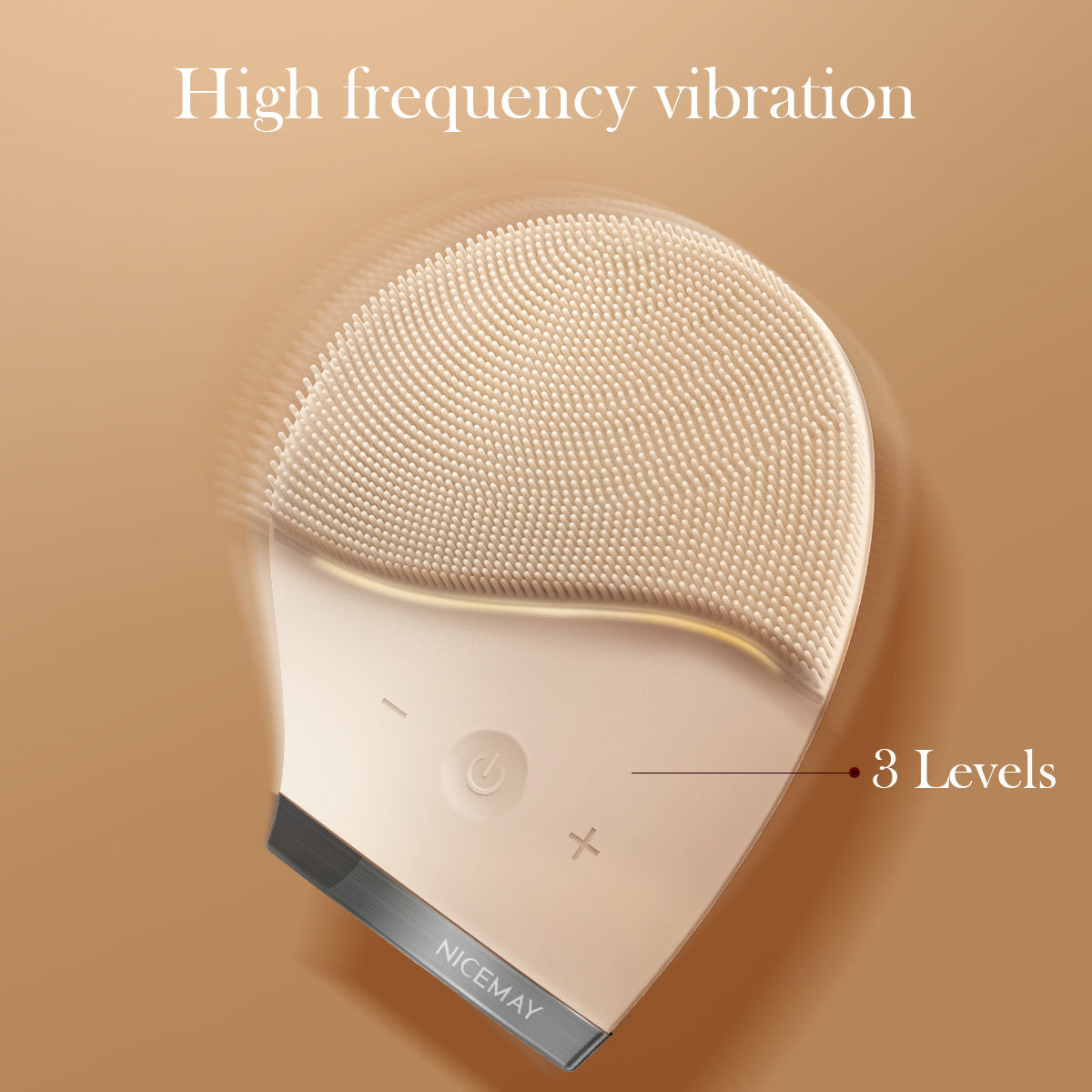
Learn more about NICEMAY’s professional personal beauty devices; we are committed to providing you with professional beauty and skincare products.

Please fill in your email in the form and we’ll get back to assist you soon!