


Best Wavelength for Red Light Therapy Masks: 630 nm vs 660 nm vs 850 nm (Science-Backed Guide)

The best wavelengths for red light therapy masks are 630–660 nm (red light) and 830–850 nm (near-infrared). These ranges deliver optimal photobiomodulation: stimulating collagen production, improving circulation, reducing inflammation, and visibly reducing wrinkles and fine lines. Clinical studies consistently show these specific bands provide the most effective results for facial anti-aging and skin rejuvenation.
Many users search for the best wavelength for red light therapy or wonder about 630 nm vs 660 nm—this guide compares them head-to-head, explains red vs near-infrared differences, and shows you exactly what to look for in an LED mask.
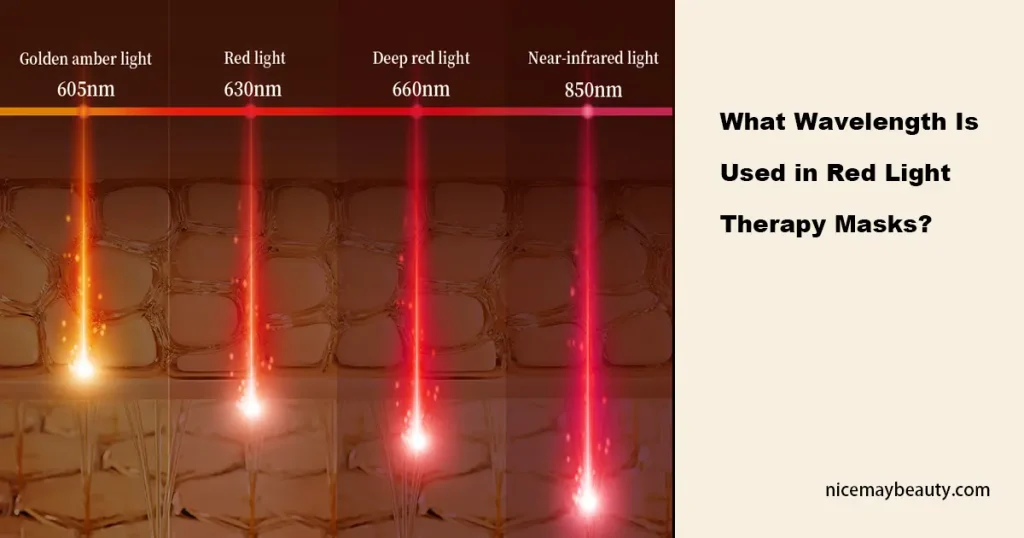
What Are the Best Wavelengths for Red Light Therapy Masks?
Top-performing LED masks target two clinically validated ranges in the biological optical window (600–900 nm), where light penetrates skin deeply with minimal scattering or absorption:
- Red light: 630–660 nm
- Near-infrared (NIR): 830–850 nm
Many dermatologists consider 630–660 nm LED light therapy wavelength the most effective range for collagen stimulation, while 830–850 nm adds deeper structural benefits. These wavelengths outperform broader or off-range options for red light therapy wavelength for skin and LED mask wavelength.
Choosing the right wavelengths is the foundation of photobiomodulation. For a complete breakdown of how these technologies integrate into modern devices, refer to our definitive guide on the Red Light Therapy Mask 2026.
Why 630–660 nm Red Light Excels for Anti-Aging?
Visible red light (630–660 nm) focuses on the epidermis and superficial dermis—ideal for visible signs of aging.
Benefits of 630–660 nm
- Directly activates fibroblasts to ramp up collagen and elastin production.
- Improves skin texture, tone, and radiance—users often notice a brighter, smoother “post-facial” glow.
- Softens fine lines and reduces redness with excellent surface-level absorption.
630 nm shines for quick tone and brightness improvements, while 660 nm penetrates slightly deeper for stronger red light therapy for wrinkles wavelength effects. Both are widely regarded as gold-standard for photorejuvenation.
How 830–850 nm Near-Infrared Boosts Deeper Results?
Near-infrared (830–850 nm) reaches mid-to-deep dermis and subcutaneous tissue—perfect for long-term firmness.
Advantages of 830–850 nm
- Enhances microcirculation and calms chronic inflammation.
- Supports deeper collagen remodeling and skin tightening.
- Complements red light for layered anti-aging: surface glow + internal structure.
To understand exactly how these wavelengths travel through facial layers, see: How Deep Red Light Therapy Penetrates Facial Skin?.
Red Light Therapy Wavelength Penetration Depth
| Wavelength | Approximate Depth | Primary Target Layers | Key Benefits |
|---|---|---|---|
| 630 nm (Red) | 1.8–2 mm | Epidermis + superficial dermis | Tone, glow, fine lines |
| 660 nm (Red) | 2–3 mm | Deeper dermis | Collagen boost, wrinkle reduction |
| 830–850 nm (NIR) | 4–5 mm | Mid-to-deep dermis + subcutaneous | Firmness, circulation, tissue repair |
Red Light Therapy vs Other LED Colors
Different LED colors target different concerns—here’s how red stacks up:
- Red light (630–660 nm): Stimulates collagen, improves texture, reduces wrinkles—core for anti-aging.
- Near-infrared (830–850 nm): Deeper penetration for repair, circulation, and elasticity.
- Blue light (~415 nm): Kills acne bacteria but offers zero collagen stimulation or anti-aging benefits.
This is why effective anti-aging LED masks prioritize red and near-infrared wavelengths over shorter visible colors like blue or green.

Clinical Evidence Supporting These Wavelengths
Multiple peer-reviewed studies validate best wavelength red light therapy choices:
- Wunsch & Matuschka (2014, Photomedicine and Laser Surgery) reported significant collagen density increases, reduced wrinkle depth, and improved skin roughness using red and near-infrared LEDs.
- Russell et al. (2005, Journal of Cosmetic and Laser Therapy) demonstrated dramatic improvements in facial elasticity and wrinkle reduction with 633 nm red + 830 nm NIR combination.
- Barolet & Boucher (2010, Lasers in Surgery and Medicine) showed red and near-infrared wavelengths stimulate fibroblast proliferation and collagen synthesis in aging skin.
These findings confirm why precise LED light therapy wavelength selection matters for real results.
Does Wavelength Matter in Red Light Therapy?
Yes—wavelength determines depth, cellular absorption, and therapeutic outcome. Wavelengths outside 630–660 nm red + 830–850 nm NIR (e.g., 700 nm or blue light) deliver minimal collagen or anti-aging benefits. Accuracy ensures energy reaches fibroblasts effectively.
Red Light Therapy Mask Wavelength Comparison Table
| Wavelength | Penetration Depth | Primary Benefits | Best For | Typical LED Device Use |
|---|---|---|---|---|
| 630 nm (Red) | ~1.8–2 mm | Collagen boost, tone, glow, fine lines | Brightness, early anti-aging | Entry-level & multi-color masks |
| 660 nm (Red) | ~2–3 mm | Deeper collagen, wrinkle reduction, texture | Wrinkles, firmness | Mid-to-high-end anti-aging masks |
| 830–850 nm (NIR) | ~4–5 mm | Circulation, inflammation reduction, tightening | Structural support, elasticity | Professional-grade & combo devices |
| <620 nm or >900 nm | Too shallow/absorbed | Limited therapeutic value | Not recommended | Avoid in quality anti-aging masks |
How to Choose a Red Light Mask with the Right Wavelengths?
Focus on:
- Precise bands: 630–660 nm red + 830–850 nm NIR.
- Irradiance ≥30 mW/cm² for therapeutic delivery.
- Transparent specs and FDA clearance.
Many inexpensive LED masks do not disclose their exact wavelengths, which often means they cannot deliver true therapeutic photobiomodulation. Match wavelengths to your goals and pair with proper frequency. For usage guidance, read: How Often You Should Use a Red Light Therapy Mask?.
For the collagen mechanism behind these wavelengths, see: How Red Light Therapy Masks Stimulate Collagen Production?
Safety Notes
630–660 nm and 830–850 nm are non-thermal, non-UV, and safe for most skin types. Mild warmth is common; irritation is rare. Consult a dermatologist if photosensitive or on light-sensitizing medications.
FAQs About Red Light Therapy Mask Wavelength
What wavelength is best for anti-aging?
Which wavelength produces the most collagen: 660 nm vs 850 nm?
630 nm vs 660 nm red light therapy: Which is better for wrinkles?
Does wavelength matter in red light therapy?
Red light therapy masks deliver transformative results when powered by the best wavelengths: 630–660 nm red for surface rejuvenation and 830–850 nm near-infrared for deeper firmness. Backed by decades of research, these ranges produce real collagen gains, wrinkle softening, and radiant skin. Choose a quality mask with transparent, clinical-grade specs, commit to consistent use, and watch science turn into visible glow.
Please fill in your email in the form and we’ll get back to assist you soon!