


Why Different Beauty Technologies Target Different Skin Concerns?

Different beauty technologies target different skin concerns because each technology interacts with specific skin layers, cell types, and biological processes. In short, wrinkles, acne, sagging, pigmentation, and sensitivity do not share the same root causes—so effective devices must use different energy forms to trigger the right skin response.

Understanding Why Different Beauty Technologies Target Different Skin Concerns
To understand why different beauty technologies target different skin concerns, you first need to understand how skin problems originate.
The skin is a multi-layered organ composed of the epidermis, dermis, and subcutaneous structures, each responsible for different functions such as barrier protection, collagen support, muscle tone, and circulation. Clinical dermatology research consistently shows that treatments are only effective when energy reaches the layer where the problem begins (Journal of Clinical and Aesthetic Dermatology, 2023–2025).
This is why no single beauty technology can effectively treat every concern.
How Skin Concerns Are Biologically Different?
Skin Concerns Are Not All Surface-Level Problems. Some issues originate on the surface, while others begin deeper.
- Acne and barrier damage primarily affect the epidermis
- Fine lines and texture relate to dermal collagen
- Sagging and laxity involve deep dermal structures and facial muscles
- Puffiness and dullness are linked to circulation and lymphatic flow
Because these concerns involve different biological mechanisms, beauty devices must use different forms of energy to address them safely and effectively (American Academy of Dermatology clinical guidelines, 2024).
Why Different Beauty Technologies Target Different Skin Concerns by Design?
Energy Type Determines Skin Interaction. Each beauty technology delivers energy in a specific form—light, heat, sound waves, or electrical current—and the skin responds differently to each.
This principle is widely supported in biomedical engineering studies, which show that energy modality determines penetration depth, cellular response, and safety profile (PubMed biomedical energy delivery reviews, 2024).
How LED Light Therapy Targets Specific Skin Concerns?

LED therapy uses specific light wavelengths that penetrate the skin without heat or physical disruption.
How it targets skin concerns:
- Red and near-infrared light stimulate mitochondrial activity, increasing ATP production and collagen synthesis
- Blue light targets acne-causing bacteria at the epidermal level
Clinical studies confirm that LED therapy reduces inflammation and improves skin tone while preserving the skin barrier, making it ideal for sensitive or acne-prone skin (Harvard Health Publishing; Journal of Cosmetic Dermatology, 2024).
👉 For a deeper technical breakdown, see “How Ultrasonic Beauty Devices Work on the Skin? “ .
How Radio Frequency (RF) Targets Skin Laxity and Wrinkles?

Why RF Targets Deeper Structural Skin Concerns? RF technology converts electrical energy into controlled heat within the dermis.
How RF targets skin concerns:
- Raises dermal temperature to 40–43°C, triggering collagen contraction
- Activates fibroblasts to stimulate long-term collagen remodeling
Histological studies show that RF-induced heat shock proteins initiate neocollagenesis over weeks to months, improving firmness rather than surface texture alone (PMC/NIH RF histology studies, 2023–2025).
RF is therefore best suited for:
- Skin laxity
- Loss of firmness
- Deeper wrinkles
👉 To understand how RF differs from light-based treatments, see “ What Is the Difference Between LED and RF Beauty Devices? “.
How Ultrasonic Technology Targets Circulation and Product Absorption?

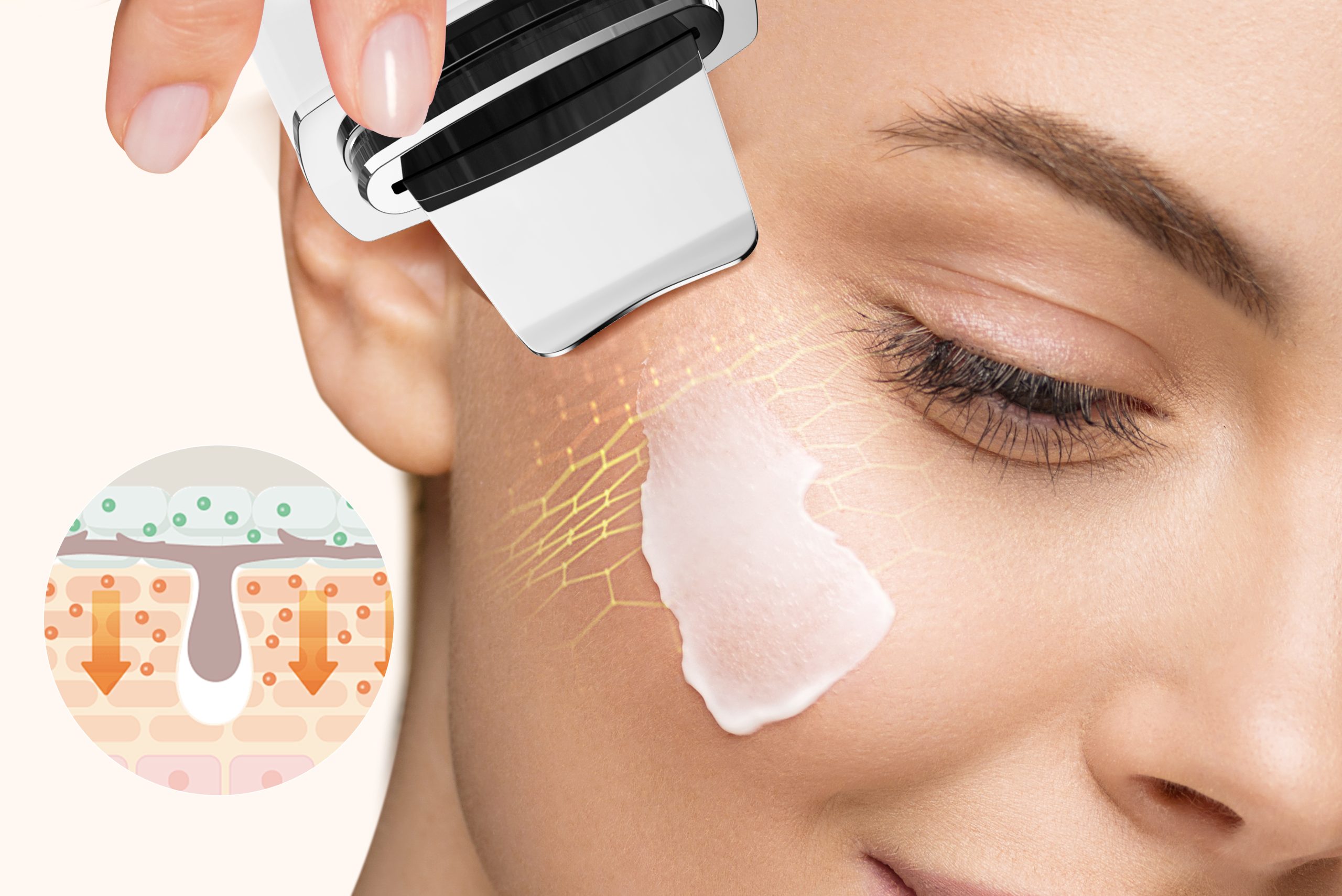
Why Sound Waves Work Differently on Skin? Ultrasonic beauty devices use high-frequency sound vibrations rather than heat or light.
How ultrasound targets skin concerns:
- Creates micro-vibrations that enhance circulation
- Temporarily increases skin permeability
- Improves serum absorption without damaging the barrier
Dermatological studies show ultrasound increases hydration and nutrient delivery while maintaining epidermal integrity, making it ideal for dull skin and dehydration (International Journal of Dermatology, 2024).
How Microcurrent Targets Facial Muscle Tone Rather Than Skin Texture?

Why Electrical Stimulation Works on Muscle-Related Concerns? Microcurrent devices deliver very low-level electrical currents that mimic the body’s natural bioelectric signals.
How microcurrent targets skin concerns:
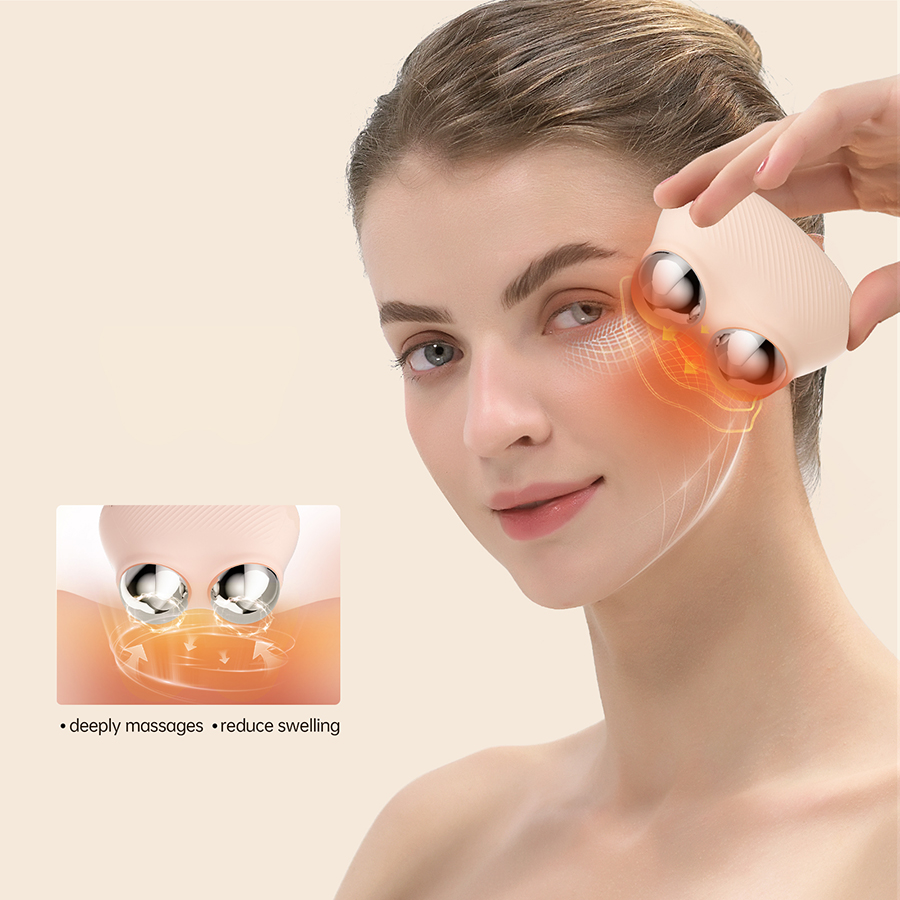
- Stimulates facial muscles rather than surface skin
- Improves muscle tone, indirectly supporting skin firmness
- Enhances circulation and lymphatic drainage
Clinical trials show consistent low-level microcurrent improves facial contour and muscle endurance without causing inflammation or barrier disruption (Journal of Cosmetic and Laser Therapy, 2024).
This makes microcurrent ideal for:
- Facial sagging
- Loss of contour
- Puffiness related to poor circulation
Why No Single Beauty Technology Can Solve All Skin Concerns
Because skin concerns originate at different depths and involve different biological systems, combining technologies often produces better results than relying on one alone.
Dermatology consensus statements emphasize that multi-modal approaches—such as LED for inflammation plus RF for laxity—deliver superior outcomes compared to single-technology treatments (Journal of Clinical and Aesthetic Dermatology, 2025).
Choosing the Right Technology for Your Skin Concern
| Skin Concern | Best-Suited Technology | Why It Works |
|---|---|---|
| Acne & redness | LED | Targets bacteria and inflammation |
| Fine lines | RF, LED | Stimulates collagen |
| Sagging | RF, microcurrent | Supports deep structures |
| Puffiness | Microcurrent, ultrasound | Improves circulation |
| Dehydration | Ultrasound | Enhances absorption |
Final Verdict: Different Skin Concerns Require Different Beauty Technologies
Different beauty technologies target different skin concerns because skin problems are biologically diverse, and effective treatment depends on delivering the right energy to the right layer. Understanding this allows users to choose devices based on science—not hype—and achieve safer, more predictable results.


Please fill in your email in the form and we’ll get back to assist you soon!