


6-in-1 Multi Beaty Device vs Single RF/LED Beauty Device: Is All-in-One Worth It?

Choosing between a 6-in-1 multi beauty device and a single-function RF or LED tool is one of the most common dilemmas in home beauty tech today. The short answer: multi-device platforms deliver unmatched versatility and long-term value, while single-function devices shine for focused, clinical-grade treatments. Which one wins for you depends on your skin goals, budget, and how you approach your skincare routine.

What Is a 6-in-1 Multi Beauty Device? Understanding the Technology
A 6-in-1 multi beauty device combines several proven skin technologies into a single handheld unit. Instead of buying separate tools for each concern, you get a complete skin treatment system in one device.
Core Technologies Found in 6-in-1 Multi Beauty Devices
- RF (Radiofrequency) – Stimulates collagen by heating the dermis layer
- LED Light Therapy – Red, blue, and near-infrared wavelengths for anti-aging and acne
- EMS (Electrical Muscle Stimulation) – Firms and lifts facial muscles
- Microcurrent – Low-level current that re-educates facial muscles and improves tone
- Ultrasonic Vibration – Boosts product absorption and exfoliates gently
- Cryotherapy or Hot/Cold Therapy – Reduces puffiness and seals in treatments
How Multi Beauty Devices Deliver Results Across Multiple Skin Concerns?
The power of a 6-in-1 device lies in its ability to address anti-aging, tone, texture, and clarity in a single session. By layering technologies — for example, using EMS before RF, or LED after microcurrent — you replicate the sequencing used in professional facial treatments.
Single RF Beaty Device vs Single LED Beaty Device — What Each Does Best
Before comparing both to multi devices, it’s worth understanding what standalone RF and LED tools are engineered to do.
Single RF Devices — Precision Collagen Stimulation
Dedicated RF devices direct 100% of their engineering into radiofrequency delivery. This means they often feature:
- Higher energy output than multi-device RF modes
- Bipolar or multipolar configurations for deeper dermal penetration
- More precise temperature control for consistent results
Single RF tools are ideal for users targeting sagging skin, jowls, and deep wrinkle reduction. Popular examples include clinical-grade home devices from brands like Tripollar and NuFace Trinity’s RF attachment.
Single LED Devices — Therapeutic Light Panels with Maximum Coverage
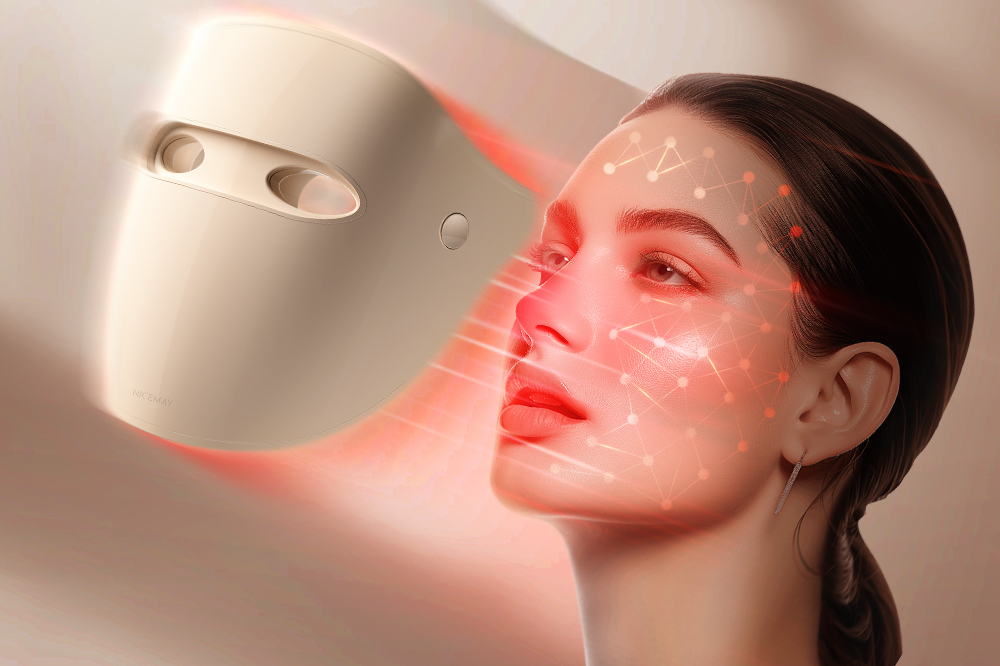
Standalone LED masks and panels offer a distinct advantage: full-face or large surface area coverage in a single session. A dedicated LED mask delivers consistent photons across every zone simultaneously — something a handheld multi-device simply cannot replicate.
- Red light (630–700nm): Collagen production, anti-aging
- Blue light (415–445nm): Acne-fighting, sebum regulation
- Near-infrared (800–1000nm): Deep tissue healing and inflammation reduction
LED Dosing — Why Dedicated Panels Have the Edge
Joules per cm² (energy dose) matters significantly in LED therapy. Dedicated LED panels and masks are calibrated to deliver therapeutic doses efficiently. Most multi-device LED modes use smaller emitters and shorter sessions, meaning the cumulative light energy delivered per treatment is lower than a full-panel device.

6-in-1 Multi Beauty Device vs Single RF — A Head-to-Head Comparison
| Feature | 6-in-1 Multi Device | Single RF Device |
|---|---|---|
| RF Energy Output | Moderate (shared power budget) | High (dedicated) |
| Treatment Depth | Surface to mid-dermis | Mid to deep dermis |
| Session Efficiency | Combined with other modes | RF-focused only |
| Price Range | $200–$600 | $150–$500+ |
| Versatility | High | Low |
Single RF tools edge out multi devices on raw RF performance — especially for users with significant laxity concerns. However, the gap is narrowing as multi-device engineering improves.
When a 6-in-1 Multi Beaty Device Outperforms Single RF?
The 6-in-1 platform wins decisively in several scenarios:
You have multiple skin concerns. If you’re dealing with both acne and fine lines, or both dullness and sagging, no single-function RF tool can address all of these. A multi device can work through your entire skin concern list in one routine.
You’re building a long-term home beauty practice. Over 12–24 months, a multi device pays for itself by replacing the need for multiple single-function purchases.
You want a skincare tool that evolves with your skin. As your skin changes with seasons or age, a 6-in-1 lets you shift focus between technologies without buying new equipment.
6-in-1 Multi Beaty Device vs Single LED Beauty Device— Key Differences That Matter
Coverage Area and Session Time
The most significant practical difference between a multi-device LED mode and a dedicated LED mask comes down to coverage and convenience.
- A dedicated LED mask covers the entire face in 10–20 minutes with zero manual movement
- A 6-in-1 handheld device requires you to move the LED head across each zone manually
For busy routines, the multi-device wins on flexibility. For deep LED therapy sessions, the mask wins on efficiency.
Wavelength Variety in Multi Devices vs Single LED Tools
High-quality 6-in-1 devices now include two to four LED wavelengths. Dedicated LED panels often offer five to seven wavelengths, including yellow light (590nm) and cyan (500nm) — wavelengths rarely included in multi-device LED modes.
Is Multi-Wavelength LED Actually Necessary at Home?
For most users, red and near-infrared LED are the two highest-evidence wavelengths for anti-aging. Blue is well-supported for acne. Yellow and cyan have emerging research but are not yet considered essential. This means a multi device’s LED mode is functionally sufficient for the majority of home users — you’re not missing critical wavelengths.

Cost Analysis — Multi Beaty Device vs Multiple Singles Over Time
Here’s a realistic breakdown if you were to build a single-device collection:
- Single RF device: $250–$400
- LED mask or panel: $200–$500
- Microcurrent device: $200–$350
- EMS device: $100–$250
- Total: $750–$1,500+
A quality 6-in-1 multi device costs $250–$600 and covers all of the above. The math strongly favors the multi device for users who want comprehensive skin tech at home.
Where Single Devices Justify the Extra Investment
Single-function devices make sense when:
- You have a single targeted concern (e.g., active acne only → single blue LED panel)
- You’re already committed to a specific clinical protocol from a dermatologist
- You want professional-grade output that consumer multi devices cannot match
Who Should Choose a 6-in-1 Multi Beauty Device?
A 6-in-1 multi beauty device is the right choice if you:
- Have multiple skin concerns across different categories (aging, texture, tone, acne)
- Want to minimize the number of devices cluttering your bathroom shelf
- Are new to home beauty devices and want to explore what works for your skin
- Value versatility and future-proofing your skincare investment
For users exploring how microcurrent compares to a full multi-functional platform, Body Microcurrent vs Multi-Functional Facial Device: Full Body or Targeted? breaks down exactly how these two approaches differ in terms of body coverage, treatment goals, and which delivers more value for full-body lifting versus facial-specific firming.

MR-2590

MR-2121

MR-2370
Who Should Choose a Single RF or LED Beauty Device?
A single RF or LED device is the better choice if you:
- Have one clear, dominant skin concern you want to treat intensively
- Want the highest possible energy output for a specific technology
- Prefer mask-style LED for hands-free, full-face coverage in every session
- Already own a multi device and want to supplement with clinical-grade RF
What to Look for in a 6-in-1 Multi Device in 2026?
Not all 6-in-1 devices are equal. When comparing options, prioritize:
- FDA clearance or equivalent regulatory approval for each technology included
- Adjustable intensity levels for all modes (especially RF and EMS)
- Smart skin sensing that adjusts energy based on contact and skin impedance
- App connectivity for guided protocols and session tracking
- Treatment head quality — metal electrodes for RF/EMS, medical-grade optical for LED
Red Flags to Avoid in Multi Beauty Devices
Watch out for devices that list many features but use low-grade components — a common issue with ultra-budget multi-device options. Underpowered RF that never reaches therapeutic dermal temperatures, or LED emitters too weak to deliver meaningful photonic energy, are common in sub-$80 devices. Research the brand’s clinical data and third-party testing before purchasing.
For a comprehensive look at how leading multi-function platforms stack up against specialized alternatives across the full home beauty device landscape, Multi-Functional Home Beauty Devices vs Single Function: All-in-One or Specialized in 2026? offers an in-depth comparison of top devices by category, price tier, and skin concern — a useful resource whether you’re a first-time buyer or upgrading your existing toolkit.
FAQsAbout 6-in-1 Multi Beauty Device vs Single RF/LED Beauty Device
Can I use a 6-in-1 multi device every day, or is there a risk of over-treating my skin?
Does skin tone or skin type affect how well RF and LED technologies perform in a multi device?
How long does it realistically take to see visible results from a 6-in-1 multi device compared to a single RF device?
Are there any medical conditions or skincare ingredients that make RF or LED devices unsafe to use?
If I already own a standalone LED mask, does adding a 6-in-1 multi device still make sense, or would I be paying for redundancy?
Please fill in your email in the form and we’ll get back to assist you soon!