


Multi-Functional Home Beauty Devices vs Single Function

When choosing a home beauty device, one of the biggest decisions you’ll face is whether to invest in a multi-functional device that handles several treatments at once or stick with a single-function device built for one specific purpose. The short answer: multi-functional devices offer excellent value and convenience for most users, while single-function devices can deliver more focused, clinical-grade results for those targeting a specific concern. Understanding the difference could save you hundreds of dollars and months of frustration.

What Are Multi-Functional Home Beauty Devices?
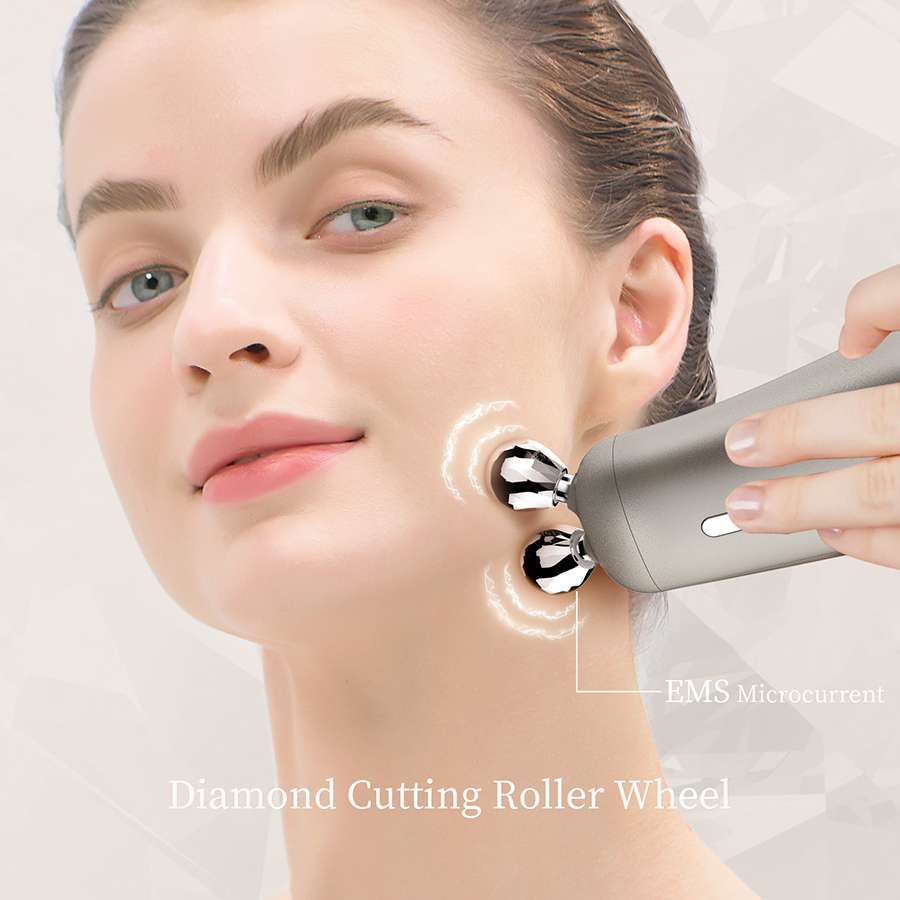
Multi-functional home beauty devices combine two or more treatment technologies into a single handset. Instead of owning separate tools for LED therapy, radio frequency (RF), microcurrent, EMS, and ultrasonic infusion, you get them all in one device — often at a fraction of the combined cost.
Popular multi-functional devices on the market today may include any combination of:
- RF (Radio Frequency) – for skin tightening and collagen stimulation
- LED light therapy – red, blue, or near-infrared light for anti-aging and acne
- EMS (Electrical Muscle Stimulation) – for facial lifting and contouring
- Microcurrent – for muscle re-education and facial sculpting
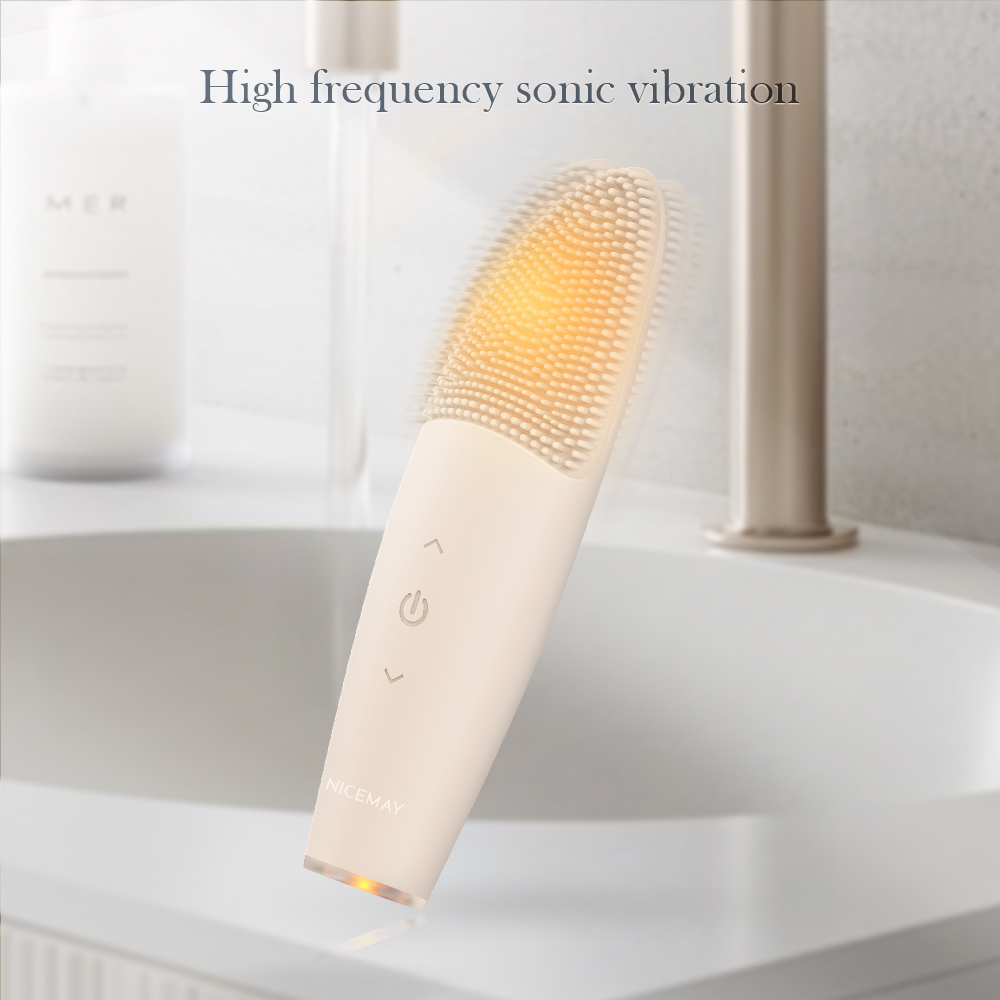
- Ultrasonic vibration – for product absorption and gentle exfoliation
- Cryotherapy or heat modes – for pore tightening and circulation
Why Multi-Functional Devices Have Become So Popular?
The rise of at-home aesthetics has made consumers smarter and more demanding. People want salon-quality results without the recurring cost of professional appointments. Multi-functional devices directly answer that demand by compressing an entire skincare treatment routine into one step.
If you’ve ever wondered whether professional treatments are truly worth the price premium compared to at-home alternatives, our in-depth breakdown of At-Home Beauty Devices vs Salon Treatments: Cost vs Results 2026 walks through the real numbers side by side, so you can make a fully informed choice before spending.
The Convenience Factor in Multi-Function Beauty Tech
Convenience isn’t just a luxury — for most people, it’s the difference between actually using a device consistently and letting it collect dust. Multi-functional devices reduce setup time, eliminate device-switching mid-routine, and simplify storage. For busy lifestyles, this alone can make them the smarter long-term choice.

What Are Single-Function Home Beauty Devices?
Single-function devices are engineered around one specific technology or treatment goal. Think of a standalone red light therapy panel, a dedicated RF skin-tightening wand, or a professional-grade microcurrent device — each designed to do one thing exceptionally well.
Where Single-Function Devices Outperform Multi-Function Options
Single-function devices often have an edge in the following areas:
Treatment Intensity Because all engineering focus goes into one technology, single-function devices typically deliver higher energy outputs, larger treatment surface areas, and more refined waveforms. A dedicated RF device, for example, can reach deeper dermal layers than an RF mode bundled into a 6-in-1 handset.
Clinical Credibility Many single-function devices are FDA-cleared for a specific indication. While multi-functional devices are catching up in regulatory approvals, single-function tools have a longer track record in clinical research settings.
User Precision If you have one specific skin concern — persistent acne, significant skin laxity, or post-procedure recovery — a single-function device lets you dial in your treatment protocol without navigating multiple modes or worrying about using the wrong one.
Single-Function Devices and Targeted Skin Concerns
Dermatologists and aestheticians often recommend single-function devices for clients with targeted, complex concerns. For example, someone managing active breakouts alongside hyperpigmentation might benefit more from a dedicated blue + red LED panel than from an LED mode embedded in a multi-function wand, simply because panel coverage and energy delivery tend to be greater.

Multi-Functional vs Single-Function: Head-to-Head Comparison
Here’s how both device types stack up across the most important buying criteria:
Price and Long-Term Value
Multi-functional devices typically range from $150 to $600 for consumer-grade models, while high-end options with professional technology can reach $800–$1,200. However, when you factor in the cost of buying separate devices — a quality RF wand, an LED mask, a microcurrent device — the combined price can easily exceed $1,500 to $3,000.
Single-function devices vary widely. Entry-level options start around $50–$100, while clinical-grade single-function tools (like medical-grade LED panels or professional RF handsets) can run $500–$2,000+ for one modality alone.
Verdict: For users who want to address multiple skin concerns simultaneously, multi-functional devices almost always offer better value per treatment type.
Efficacy and Clinical Results
This is where the debate gets nuanced. Multi-functional devices have improved dramatically in the past few years, with brands like NuFACE, Therabody, and TriPollar closing the gap on single-function performance. However, for very specific, medically-focused treatments, dedicated devices still hold a slight advantage in raw efficacy.
For a more detailed breakdown of whether an all-in-one device can truly replace individual tools — particularly in the RF and LED categories — 6-in-1 Multi Device vs Single RF/LED: Is All-in-One Worth It? provides a comprehensive, technology-by-technology comparison that will help you determine exactly which approach fits your skin goals.
Treatment Frequency and Protocol Flexibility
Multi-functional devices allow you to combine or sequence treatments in a single session — for example, running microcurrent to lift and tone, followed immediately by RF to stimulate collagen, then finishing with LED to calm inflammation. This stacking approach mirrors what professional aestheticians do in a single facial appointment and is one of the most compelling arguments for going multi-functional.
Single-function devices, on the other hand, require you to either purchase additional tools or schedule separate sessions, which many users simply don’t follow through with over time.
Ease of Use and Learning Curve
Multi-functional devices can feel overwhelming at first. With multiple modes, intensity levels, and treatment heads, new users sometimes struggle to build a consistent routine. Better brands address this with guided apps, preset programs, and simple mode-switching.
Single-function devices are more intuitive by design. Fewer settings mean less decision fatigue, which is why they tend to have strong adherence among beginners.
App Integration and Smart Guidance in Modern Beauty Devices
Many newer multi-functional home beauty devices now pair with smartphone apps that walk users through customized treatment protocols, track session history, and send reminders. This technology narrows the ease-of-use gap considerably, making multi-functional devices far more accessible than they were even three years ago.

Who Should Choose a Multi-Functional Home Beauty Device?
A multi-functional device is the right choice if:
- You want to address multiple skin concerns (laxity, dullness, acne, fine lines) without buying several devices
- You have a moderate-to-high budget but want maximum return on investment
- You’re committed to a consistent skincare routine and will use various modes regularly
- You’re new to device-based skincare and want to explore different technologies before committing to a single modality
- Storage and simplicity are priorities — one device, one charging cable, one routine
Who Should Choose a Single-Function Home Beauty Device?
A single-function device is the right choice if:
- You have one specific, well-defined skin concern you want to treat
- You already own some devices and just need to add one targeted treatment
- You’re a power user who values maximum clinical intensity over convenience
- You’re following a dermatologist-directed protocol that specifies a particular technology
- Budget is tight and you want the best performance in one area rather than average performance across several

MR-2590

MR-2121

MR-2370
Key Features to Look for in a Multi-Functional Home Beauty Device
If you’ve decided that a multi-functional device is the right fit, here’s what separates the best from the rest:
Technology Combination Quality
Not all multi-functional devices combine technologies effectively. Look for devices where each mode has independent energy output controls, not just watered-down versions of each technology bundled together to inflate the feature list. Reputable brands publish clinical data on each individual modality.
Build Quality and Ergonomics
You’ll be holding this device for 10–20 minutes per session, multiple times a week. Ergonomics matter enormously. Look for lightweight designs, non-slip grips, and treatment heads that can maneuver around the jawline, under the eyes, and along the neck without causing hand fatigue.
Regulatory Clearances and Safety Certifications
Prioritize devices with FDA clearance (in the US), CE marking (in Europe), or equivalent certifications from recognized regulatory bodies. Clearances are often issued per modality, so check that the specific technologies you plan to use have appropriate approvals — not just the device as a whole.
Warranty, Customer Support, and Replacement Parts
Premium multi-functional devices are investments. Look for a minimum 1-year warranty, ideally 2 years, along with accessible customer support and the availability of replacement treatment heads or attachments. Brands that disappear post-sale leave you with an expensive paperweight if anything goes wrong.
Common Mistakes to Avoid When Buying a Home Beauty Device
Regardless of whether you go multi-functional or single-function, these are the most frequent pitfalls shoppers fall into:
Chasing too many features without a clear goal. More modes don’t equal better results. Define your top one or two skin concerns before shopping and let those drive your decision.
Ignoring skin type compatibility. Some technologies, including certain RF settings and chemical-light combinations, are not recommended for very sensitive skin, darker skin tones, or active inflammatory conditions. Always check the manufacturer’s contraindications.
Underestimating treatment time commitment. Multi-functional devices can require 15–30 minutes of total treatment time per session when multiple modes are used. Factor this into your lifestyle realistically.
Buying on price alone. Both the cheapest and most expensive options can disappoint. Mid-range devices from established brands with published clinical evidence often deliver the best balance of safety, efficacy, and durability.
Final Verdict: Multi-Functional or Single-Function?
For the majority of home users, multi-functional home beauty devices represent the stronger overall investment — they cover more skin concerns, reduce total spending over time, and simplify your routine into a single, consistent habit. The best multi-functional devices on today’s market have narrowed the performance gap with dedicated single-function tools to the point where most users will not notice a meaningful difference in results.
That said, if you’re laser-focused on one treatment type and willing to invest in clinical-grade intensity, a single-function device can still be the right tool for the job.
The most important thing is to match the device to your skin concerns, your lifestyle, and your commitment level — not to the marketing claims on the packaging. Start with clarity about what you want to achieve, and the right device category will become obvious.
Who Should Choose a Single RF or LED Beauty Device?
A single RF or LED device is the better choice if you:
- Have one clear, dominant skin concern you want to treat intensively
- Want the highest possible energy output for a specific technology
- Prefer mask-style LED for hands-free, full-face coverage in every session
- Already own a multi device and want to supplement with clinical-grade RF
What to Look for in a 6-in-1 Multi Device in 2026?
Not all 6-in-1 devices are equal. When comparing options, prioritize:
- FDA clearance or equivalent regulatory approval for each technology included
- Adjustable intensity levels for all modes (especially RF and EMS)
- Smart skin sensing that adjusts energy based on contact and skin impedance
- App connectivity for guided protocols and session tracking
- Treatment head quality — metal electrodes for RF/EMS, medical-grade optical for LED
Red Flags to Avoid in Multi Beauty Devices
Watch out for devices that list many features but use low-grade components — a common issue with ultra-budget multi-device options. Underpowered RF that never reaches therapeutic dermal temperatures, or LED emitters too weak to deliver meaningful photonic energy, are common in sub-$80 devices. Research the brand’s clinical data and third-party testing before purchasing.
For a comprehensive look at how leading multi-function platforms stack up against specialized alternatives across the full home beauty device landscape, Multi-Functional Home Beauty Devices vs Single Function: All-in-One or Specialized in 2026? offers an in-depth comparison of top devices by category, price tier, and skin concern — a useful resource whether you’re a first-time buyer or upgrading your existing toolkit.
FAQsAbout 6-in-1 Multi Beauty Device vs Single RF/LED Beauty Device
How long does it take to see results from a multi-functional home beauty device?
Can you use a multi-functional beauty device every day?
Are multi-functional home beauty devices safe for sensitive skin?
Is it worth buying a multi-functional device, or should I buy separate devices for each treatment?
What is the difference between RF and microcurrent in a multi-functional beauty device?
Please fill in your email in the form and we’ll get back to assist you soon!