


Kann ich eine LED-Gesichtsmaske verwenden, wenn ich empfindliche Haut habe?

Die meisten Menschen mit empfindlicher Haut können eine LED-Gesichtsmaske sicher verwenden, wenn sie auf niedrig-irradiierende rote oder nah-infrarote Einstellungen achten und mit kurzen Sitzungen beginnen. Klinische Studien berichten von minimaler Reizung (<5%), aber Personen mit Rosazea, Ekzemen oder Lichtempfindlichkeit sollten vorher einen Dermatologen konsultieren.
Eine LED-Gesichtsmaske kann eine sanfte, barrierschützende Ergänzung für reaktive, leicht irritierte Haut sein—hilft Rötungen zu beruhigen und die Reparatur zu unterstützen, ohne den Brennen oder die Trockenheit, die viele Wirkstoffe verursachen. Wenn Ihre Haut leicht brennt oder die meisten Produkte zu aggressiv erscheinen, ist Lichttherapie oft eine der besser verträglichen Optionen, wenn sie bedacht eingesetzt wird. Dieser Leitfaden, basierend auf klinischen Bewertungen und dermatologischer Beratung, erklärt Sicherheit, Vorteile, Geräteauswahl und praktische Schritte für die sichere Anwendung einer LED-Gesichtsmaske.

Ist Rotlichttherapie sicher bei Rosazea oder Ekzemen?
Rotlichttherapie-Masken werden häufig für diese Zustände empfohlen aufgrund ihrer entzündungshemmenden Eigenschaften.
Rosazea (insbesondere Erythematotelangiektatische Unterart)
Rote und nah-infrarote Wellenlängen helfen, Flush, Brennen und sichtbare Rötungen zu reduzieren, indem sie entzündliche Wege modulieren und die Gefäße stabilisieren. Kleine klinische Serien und dermatologische Erfahrungen zeigen eine deutliche Verbesserung bei Erythem und Unwohlsein nach konsequenter Anwendung.
Blaues Licht sollte mit Vorsicht verwendet werden—obwohl sie in einigen Fällen Papeln/Pusteln gezielt behandeln kann, kann sie während aktiver Schübe vorübergehend die Empfindlichkeit erhöhen.
Quellen: Fallserie 2020 in Dermatologische Therapie (PMC6988247) über kombinierte Blau/Rot-LED bei papulopustulöser Rosazea; AAD zur Sicherheit der Rotlichttherapie und Rosazea-Management.
Ekzeme (Atopisches Ekzem)
Rotlicht unterstützt die Wiederherstellung der Barriere und reduziert Juckreiz/Entzündung; aufkommende Studien berichten über eine Verbesserung der Symptome bei mild-moderaten Fällen ohne signifikante Nebenwirkungen.
Blaues Licht zeigt begrenzte entzündungshemmende Effekte, ist aber weniger erforscht und wird bei aktiven, nässenden Ekzemen im Allgemeinen vermieden.
Quellen: Leitfaden der National Eczema Association zur LED-Lichttherapie; Systematische Übersichtsarbeit 2018 in Laser in Chirurgie und Medizin (PMC6099480) zur Photobiomodulation bei entzündlichen Hauterkrankungen.
Vorteile der sanften LED-Lichttherapie für empfindliche Haut
Niedrigintensive Rotlichttherapie zielt auf Entzündungen ab, während die Hautbarriere respektiert wird.
- Messbare Reduktionen von Rötungen und Entzündungsmarkern nach 4–6 Wochen (laut systematischen Übersichten).
- Unterstützt die Kollagenproduktion und eine glattere Textur, ohne fragile Barrieren zu stören.
- Hilft bei empfindlicher Haut, die zu Akne neigt, durch sanfte Bakterienkontrolle und Beruhigung.
Die individuelle Verträglichkeit variiert, insbesondere bei hochreaktiver Haut – immer langsam einführen.
Quellen: Systematische Übersichtsarbeit 2018 in Laser in Chirurgie und Medizin (PMC6099480); RCT von 2019 zur Sicherheit von LED bei verschiedenen Hauttönen (PMC8887049).
Sicherheitsprofil: Eine risikoarme Option für empfindliche Haut
LED-Masken für empfindliche Haut zeigen eine ausgezeichnete Verträglichkeit – vorübergehende leichte Erytheme bei <5% der Nutzer, keine langfristigen Nebenwirkungen in klinischen Studien berichtet.
Fachärzte für Dermatologie empfehlen häufig rote Geräte bei Rosazea und Ekzemen, wenn auf energiereiche blaue Modi verzichtet wird. Dunklere Hauttöne (Fitzpatrick IV–VI) zeigen ein geringes Risiko für postinflammatorische Hyperpigmentierung bei moderaten Fluenzwerten.
Quellen: American Academy of Dermatology (AAD) zur kurzfristigen Sicherheit der Rotlichttherapie; Cleveland Clinic zu LED-Mechanismen und risikoarmem Profil.
Für umfassendere Sicherheitsüberlegungen siehe:” Wer sollte die Verwendung einer LED-Gesichtsmaske vermeiden?“.
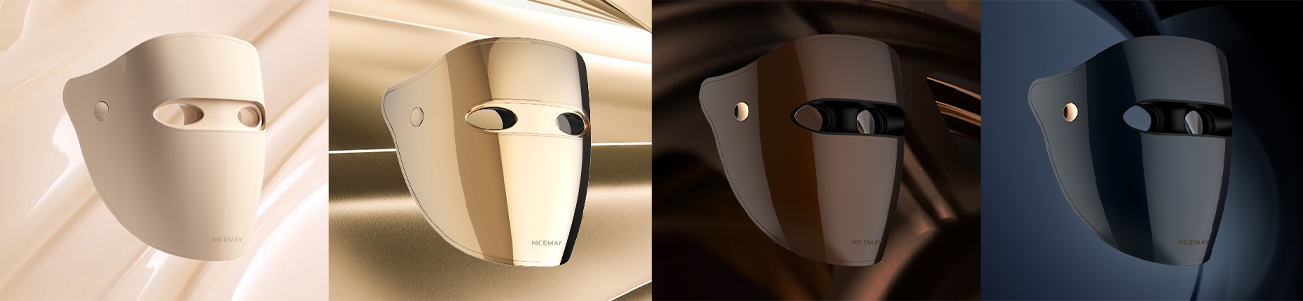
Wer sollte bei einer LED-Gesichtsmaske besonders vorsichtig sein?
Auch bei empfindlicher Haut erfordern bestimmte Situationen zusätzliche Vorsicht oder vorübergehende Vermeidung:
- Aktueller Rosazea-Schub (Rötung, Brennen, Pusteln) – auf Stabilisierung warten, bevor begonnen wird
- Stark beeinträchtigte Hautbarriere (roh, nässend oder äußerst trocken/rissig)
- Sofort nach der Behandlung der Haut (Laser, Peelings, Microneedling) — vollständige Erholung zuerst zulassen
- Gleichzeitige Isotretinoin-Anwendung — hohes Risiko für Lichtempfindlichkeit; LED bis zum Ende der Behandlung pausieren
- Bekannte Lichtempfindlichkeitsstörungen (z.B. Lupus, polymorphe Lichtdermatose) — professionelle Freigabe erforderlich
Falls zutreffend, vor dem Ausprobieren einen Dermatologen konsultieren eine LED-Maske für das Gesicht, die für empfindliche Haut entwickelt wurde.
Quellen: AAD- und Cleveland Clinic-Kontraindikationslisten; Konsens der Dermatologen zu lichtempfindlich machenden Perioden.
LED-Maske Rotes Licht vs Blaues Licht für empfindliche Haut
| Lichttyp | Eignung für empfindliche Haut | Hauptvorteile | Vorsichtsmaßnahmen & Energiehinweise |
|---|---|---|---|
| Rot/NIR (630–850 nm) | Ausgezeichnete erste Wahl | Beruhigt Entzündungen, reduziert Rötungen, unterstützt die Barriere | Niedrige Energie; tiefere, sanftere Penetration |
| Blau (415–470 nm) | Vorsichtig verwenden; bei Schüben begrenzen | Zielt auf Akne-Bakterien ab; einige entzündungshemmende Effekte | Höhere Energie; kann aktive Rosazea/Ekzeme reizen |
Dermatologen bevorzugen oft rote dominierende Masken für reaktive Haut; Blau ist besser für kontrolliertes Akne-Management reserviert.
Quellen: Nationale Ekzem-Vereinigung zu den Effekten von blauem Licht; AAD-Wellenlängenführung.
Wie wählt man die richtige LED-Maske für das Gesicht aus?
Fokus auf von Fachärzten für Dermatologie empfohlene, FDA-geprüfte Optionen mit einstellbarer Intensität.
- Rot/NIR-Hauptwellenlängen
- Niedrige bis mäßige Bestrahlungsstärke (20–50 mW/cm²)
- Weiche Silikon-Konstruktion, Augenschutz, automatische Timer
Häufig empfohlene Modelle für reaktive Haut sind die Omnilux Contour Face, CurrentBody Skin LED-Maske und Dr. Dennis Gross DRx SpectraLite.
Beste Praktiken für die sichere Anwendung einer LED-Maske für das Gesicht
- Patch-Test am inneren Unterarm 24 Stunden vorher.
- Sanft reinigen; Peelings/aktive Substanzen vor/nach der Anwendung überspringen.
- Anschließend Barrierecreme oder Feuchtigkeitscreme auftragen.
- Bei Unwohlsein sofort stoppen; gut hydratisieren.
- Mit beruhigenden, parfümfreien Topika kombinieren.
Quellen: Mayo Clinic und WebMD zur sicheren LED-Anwendung; Tipps von Dermatologen für reaktive Haut.
Für tägliche Anwendungsempfehlungen siehe:” Ist eine LED-Maske für das Gesicht sicher für den täglichen Gebrauch? “
Abschließende Gedanken
Eine LED-Maske für das Gesicht kann eine sanfte, risikoarme Option für empfindliche Haut sein—klinische Belege unterstützen Rötungsreduktion und Beruhigungsvorteile für die meisten, insbesondere mit Fokus auf Rot/Nahinfrarot. Beginnen Sie vorsichtig, hören Sie auf Ihre Haut und konsultieren Sie einen Dermatologen, wenn Sie Rosazea, Ekzeme oder erhöhte Reaktivität haben. Mit der richtigen Herangehensweise kann Lichttherapie zu einem beruhigenden Bestandteil Ihrer Routine werden—ruhige, klare Haut ist erreichbar.
FAQ: Häufige Fragen zur Verwendung einer LED-Maske bei Akne
Wie lange sollte ich nach der Anwendung von Retinol oder Peelings warten, bevor ich eine LED-Gesichtsmaske ausprobiere?
Die meisten Dermatologen empfehlen, 24–48 Stunden nach starken Wirkstoffen (Retinol, AHA, BHA) zu warten, um Reizungen zu vermeiden. Wenn sich Ihre Haut am nächsten Tag ruhig und nicht reaktiv anfühlt, können Sie in der Regel eine kurze, niedrig dosierte Sitzung durchführen—aber immer einen Patch-Test machen und vorsichtig beginnen.
Wird die Verwendung einer LED-Maske meine empfindliche Haut langfristig reaktiver gegenüber anderen Produkten machen?
Nein — korrekt angewandte LED-Therapie (insbesondere Rot-/Nahinfrarot) unterstützt in der Regel die Hautbarriere und erhöht nicht die Langzeitempfindlichkeit. Viele Anwender berichten, dass ihre Haut im Laufe der Zeit gegenüber anderer Hautpflege toleranter wird, aber wenn Sie eine Verschlechterung der Reaktivität bemerken, pausieren Sie und konsultieren Sie Ihren Dermatologen.
Kann ich eine LED-Maske direkt nach einer Sitzung mit beruhigenden Tuchmasken oder Seren kombinieren?
Ja—die meisten Menschen mit empfindlicher Haut finden es hilfreich, unmittelbar nach der Behandlung beruhigende, parfümfreie Produkte (Hyaluronsäure, Centella oder Ceramid-basierte Seren) aufzutragen, um die Feuchtigkeit zu bewahren und die Barriere zu stärken. Vermeiden Sie unmittelbar nach der Sitzung alles mit Alkohol, Duftstoffen oder starken Wirkstoffen.
Was soll ich tun, wenn sich meine Haut während der ersten paar Sitzungen leicht warm oder prickelnd anfühlt?
Ein leichtes Wärme- oder Kribbelgefühl ist zu Beginn häufig, besonders bei rotem Licht. Reduzieren Sie die Sitzungsdauer auf 5 Minuten, halten Sie bei verstellbaren Geräten ausreichend Abstand zu den LEDs und tragen Sie anschließend eine reichhaltigere Feuchtigkeitscreme auf. Wenn es anhält oder in Brennen oder Rötungen übergeht, brechen Sie die Anwendung ab und konsultieren Sie einen Dermatologen.
Ist es in Ordnung, an Tagen, an denen meine Haut besonders reaktiv oder “gereizt” ist, eine LED-Maske zu verwenden?
An Tagen mit hoher Reaktivität (Schuppen, Stechen oder sichtbare Reizung) ist es meist besser, die Sitzung ganz auszulassen und sich auf Erholung mit sanfter Reinigung und intensiver Barriere-Reparatur zu konzentrieren. Beginnen Sie erst wieder, wenn sich Ihre Haut stabil anfühlt—durchdrücken kann manchmal die Verbesserung verzögern.
Bitte füllen Sie Ihre E-Mail im Formular aus, und wir werden uns bald bei Ihnen melden, um Ihnen zu helfen!