


Deep Cleansing Brush vs Ultrasonic Cleanser: Which Is Better for Blackheads in 2026?

Struggling with stubborn blackheads, clogged pores, or sebum plugs? The choice between a deep cleansing brush and an ultrasonic cleanser (also known as an ultrasonic skin scrubber or skin spatula) can significantly impact your results.
Ultrasonic cleansers are generally the best device for blackheads when it comes to deep extraction. They use high-frequency vibrations (often 24,000–30,000 Hz) to create a cavitation effect that loosens oxidized sebum, dead skin accumulation, and debris trapped deep in pores—lifting visible comedones without harsh manual squeezing.
Deep cleansing brushes (sonic or rotating) shine for daily prevention by removing surface-level oil buildup and dead skin cells that contribute to pore congestion and enlarged pores. However, they rarely address deeply embedded blackheads as effectively. For most people dealing with persistent blackheads, an ultrasonic skin scrubber for blackheads offers superior targeted results while supporting skin barrier health when used properly.
Can a Deep Cleansing Brush Actually Remove Deep Blackheads?
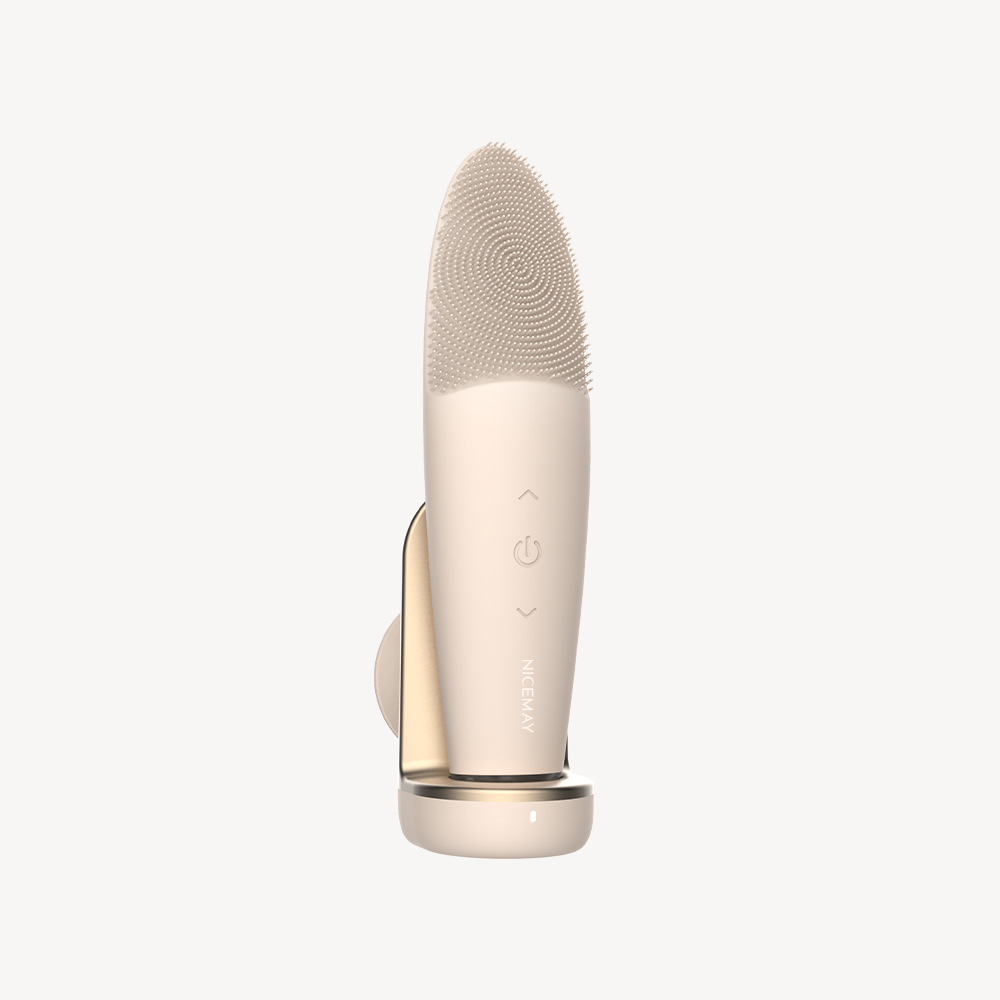
Deep cleansing brushes, whether with nylon bristles or hygienic silicone heads, rely on rapid vibrations or oscillations—sometimes thousands of movements per minute—to mechanically agitate the skin surface. This action helps dislodge surface impurities, enhances cleanser penetration, and improves overall skin texture.
- Strengths for blackhead management: Excellent as a facial cleansing brush for clogged pores and daily prevention. They effectively clear oil buildup and makeup residue, reducing the likelihood of new comedones forming. Silicone versions are particularly popular for gentle exfoliation and are often recommended for best cleansing brush for oily skin.
- Limitations: Their effect remains mostly superficial. While they can help with mild surface-level issues, they struggle with deep sebum plugs or oxidized blackheads. Overuse risks skin barrier damage, irritation, or over-exfoliation, especially on acne-prone skin or with stiff bristles.
Dermatologists note that sonic brushes can support acne maintenance routines when used gently, but they are better suited for prevention than extraction.
How Does an Ultrasonic Cleanser Work for Blackheads? (Ultrasonic Skin Scrubber Explained)
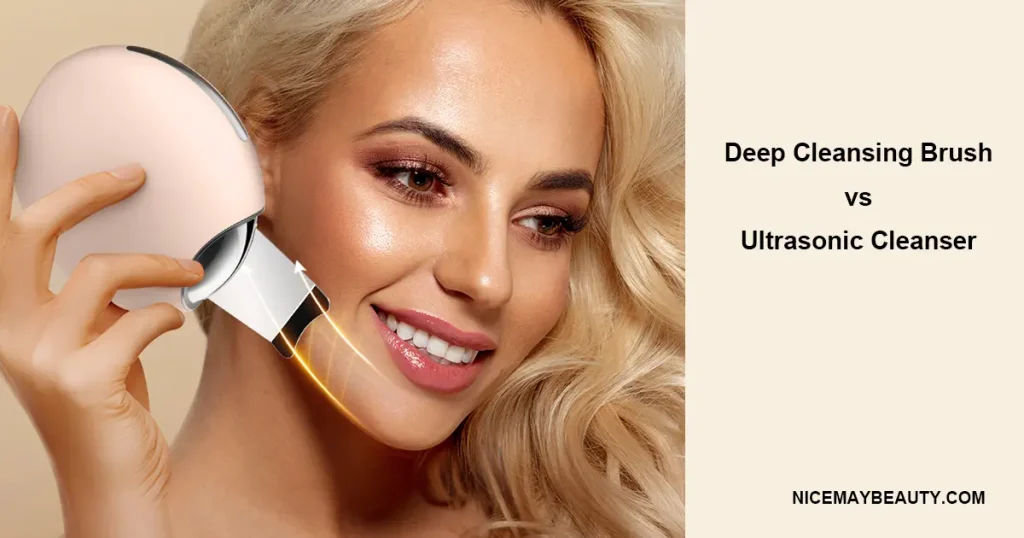
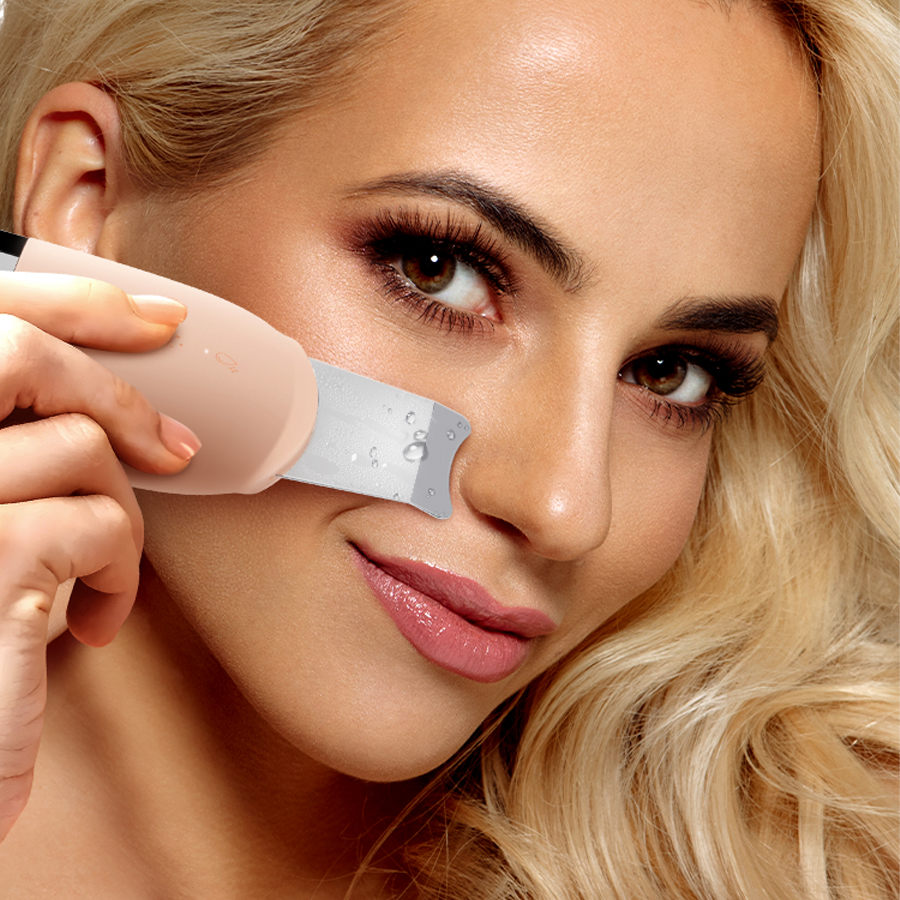
Ultrasonic cleansers feature a flat metal spatula that emits high-frequency sound waves. These waves generate microscopic bubbles in the presence of water or serum through the cavitation effect, which gently implodes to dislodge impurities from within pores. The spatula then glides across the skin, visibly collecting loosened debris.
According to board-certified dermatologists, this process helps loosen sebum plugs, dead skin cells, and debris, making ultrasonic tools a popular pore extractor tool at home and blackhead remover tool.
- Key advantages: Superior for deep-rooted blackheads and does ultrasonic cleanser remove blackheads effectively. It provides non-invasive extraction with minimal abrasion, often including ion modes for better results.
- Additional benefits: Promotes smoother texture, reduces the appearance of enlarged pores, and supports better absorption of subsequent skincare products in an at-home facial routine.
Many experts highlight that ultrasonic scrubber vs sonic brush comparisons favor the spatula for visible debris removal from deeper layers.

BJ-1903

MR-2385

BJ-1810
Deep Cleansing Brush vs Ultrasonic Cleanser for Blackheads: Head-to-Head Comparison
| Aspect | Deep Cleansing Brush | Ultrasonic Cleanser (Skin Spatula) |
|---|---|---|
| Best For | Daily prevention, surface cleansing, makeup removal | Deep extraction of sebum plugs and stubborn blackheads |
| Mechanism | Mechanical vibration/rotation of bristles or silicone | High-frequency vibrations + cavitation + spatula glide |
| Blackhead Effectiveness | Strong for prevention; moderate for mild surface ones | Superior for deep, embedded comedones and pore congestion |
| Skin Sensitivity | Can irritate if overused; silicone heads gentler | Generally gentler with less risk of skin barrier damage |
| Recommended Frequency | Daily (with proper technique) | 1–3 times per week |
| Key Long-Tail Fit | Facial cleansing brush for clogged pores, best cleansing brush for oily skin | Ultrasonic skin scrubber for blackheads, best ultrasonic spatula for blackheads |
Editor’s Note on Testing Methodology: Conclusions in this blackhead removal device comparison draw from dermatologist insights, user-reported outcomes across popular devices (e.g., sonic brushes like Foreo-style vs. ultrasonic spatulas), and observed real-world performance on oily, combination, and sensitive skin types over multi-week use. Results emphasize skin type-specific guidance and prioritizing gentle exfoliation.

Which Is the Best Device for Blackheads? Recommendations by Skin Type?
For stubborn blackheads and visible pore congestion, an ultrasonic cleanser is typically the stronger choice due to its deeper action—making it one of the best pore cleaning device options for at-home use.
- Oily or congested skin: Prioritize ultrasonic scrubber for blackheads to target oil buildup and dead skin accumulation.
- Sensitive or dry skin: A silicone deep cleansing brush used 2–3 times weekly may be safer to avoid irritation or over-exfoliation.
- Combination skin with T-zone blackheads: Combine both—daily gentle brush for surface care and weekly ultrasonic for deeper extraction.
- Heavy makeup users: A cleansing brush helps prevent clogged pores from daily residue.
Many skincare enthusiasts use both tools strategically for comprehensive beauty device for clogged pores routines.
Who Should Avoid These Devices? Important Safety Considerations
Not everyone should use these tools. Who should avoid deep cleansing brushes or ultrasonic spatulas includes:
- Severe cystic acne or active inflamed breakouts (risk of spreading bacteria or worsening irritation).
- Broken skin, open wounds, recent chemical peels, or post-laser treatments.
- Active eczema, rosacea flare-ups, or extreme sensitivity.
- Skin irritated by retinoids or strong actives without proper buffering.
- Very dry or compromised skin barrier—wait until restored.
Dermatologists often advise caution with are cleansing brushes bad for sensitive skin or acne-prone types, recommending patch testing and professional guidance.

Real User Scenarios: Choosing the Right Tool for Your Routine
- Daily heavy makeup wearer — A deep cleansing brush (especially silicone) can effectively prevent clogged pores from oil and residue buildup.
- Persistent blackheads on the nose — An ultrasonic skin scrubber often delivers more noticeable extraction and refinement.
- Sensitive skin with occasional congestion — Opt for a gentle sonic brush 2–3 times weekly to minimize skin barrier damage.
- Oily skin with enlarged pores — Combining both tools, plus targeted actives like salicylic acid (BHA), can provide balanced gentle exfoliation and maintenance.
Always prepare skin with a warm compress, use light pressure, and follow with hydrating products to support skin barrier health.
Exploring More Gentle Deep Cleansing Options
If you seek even milder alternatives for daily care, explore Ultrasonic Skin Scrubber vs Anion Brush: Gentler Deep Cleansing? for insights into ion-assisted technologies that may reduce irritation further.
For temperature-based pore refinement that pairs well with these devices, check Hot Pore Cleansing vs Cold Tightening: Pore Care Comparison 2026.
Deep Cleansing Brush vs Ultrasonic Cleanser for Blackheads
Can ultrasonic cleansers remove deep blackheads?
Are cleansing brushes bad for acne-prone skin?
How often should you use an ultrasonic skin scrubber?
Can a cleansing brush make blackheads worse?
Which is better for sensitive skin: sonic brush or ultrasonic cleanser?
Do dermatologists recommend ultrasonic skin scrubbers?
Can you use salicylic acid with an ultrasonic cleanser?
Is a silicone cleansing brush better than bristles?
In the deep cleansing brush vs ultrasonic cleanser debate, the ultrasonic cleanser generally emerges as the best device for blackheads due to its superior deep extraction capabilities via cavitation. A quality sonic brush remains an excellent daily partner for prevention and surface clarity, especially in a well-rounded at-home facial routine.
The most effective strategy combines the right tool with consistent gentle care, salicylic acid where appropriate, and attention to skin barrier health. If blackheads remain stubborn, professional extractions or dermatologist-recommended treatments may be needed.

Please fill in your email in the form and we’ll get back to assist you soon!