


Hot Pore Cleansing vs Cold Tightening: Pore Care Comparison 2026

Are you still steaming your face hoping to “open” your pores, or splashing cold water to “shrink” them? In 2026, science has moved past these common myths. Pores do not open and close—they lack muscles and stay fixed in size.
What actually changes their appearance is how you manage excess sebum, pore congestion, inflammation, and skin elasticity. Hot (warm) pore cleansing softens hardened oil and debris for deeper cleaning, while cold tightening uses vasoconstriction to temporarily calm redness, reduce puffiness, and make pores look smaller.
Understanding hot vs cold for pores helps you build a smarter routine that respects your skin barrier and delivers real, visible results—especially for enlarged pores on nose treatment or best pore routine for oily skin
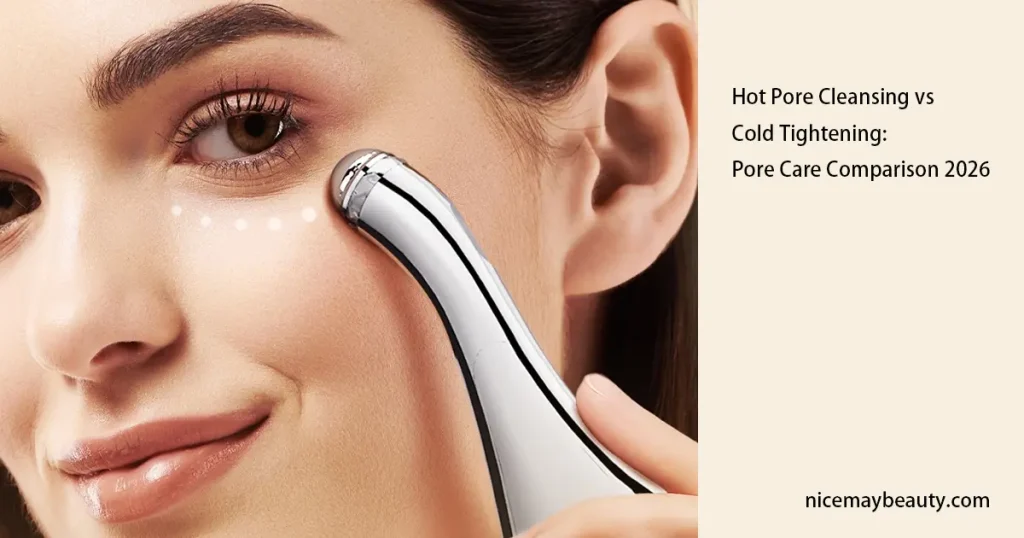
Do Pores Really Open and Close? The Science Behind Heat and Cold in 2026
Board-certified dermatologists agree: do pores open and close is a persistent myth. Pores are simply openings of hair follicles and sebaceous glands with no muscle fibers to expand or contract.
Does hot water open pores? No—it does not. Warm temperatures reduce the viscosity of sebum, making it easier to loosen sebaceous filaments, blackheads, and debris without aggressive extraction.
Does cold water shrink pores? Also no, in a permanent sense. Cold causes temporary vasoconstriction, which reduces swelling and tightens the surrounding skin, so pores appear refined for a short time.
Clinical observations show that long-term pore minimization comes from preventing congestion and supporting collagen rather than relying on temperature alone.
Does Hot Water Open Pores? What Warm Cleansing Actually Does for Clogged Pores
Many people ask does hot water open pores or is steam good for blackheads? Warm therapy excels at addressing pore congestion and excess sebum.
Key Benefits for Your Skin:
- Softens oxidized oil and dead skin cells, making blackheads easier to clear.
- Boosts microcirculation for a natural glow.
- Prepares skin for better absorption of chemical exfoliation ingredients like salicylic acid (BHA).
2026 Recommended Methods:
- Lukewarm water (around 85–95°F / 29–35°C) for daily cleansing.
- Short facial steaming sessions (5–10 minutes) or warm towels.
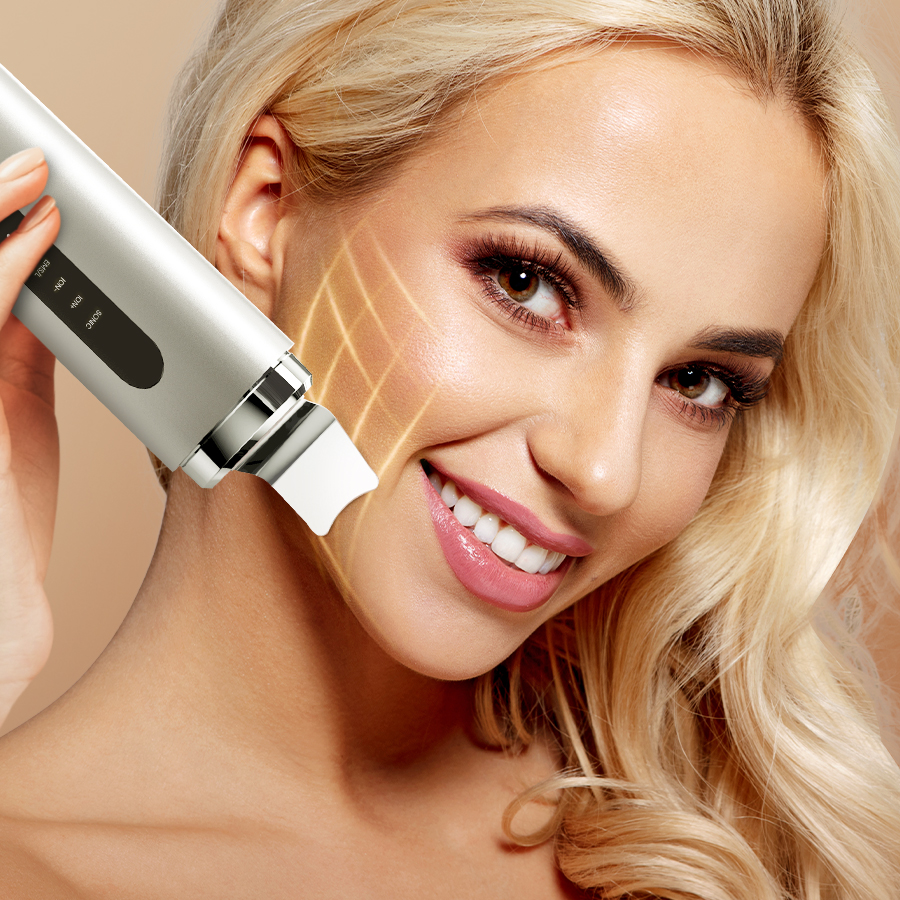
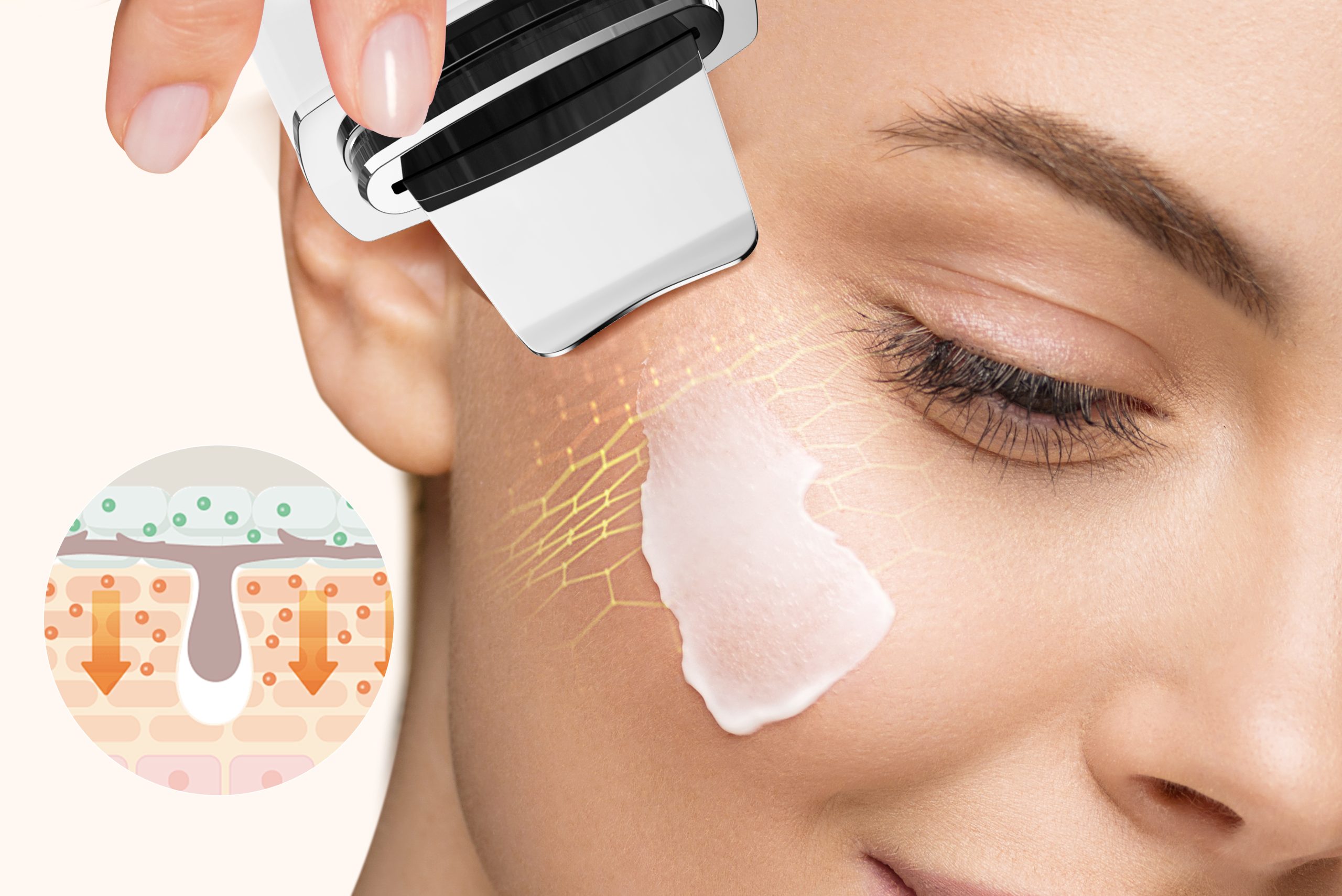
- High-frequency ultrasonic spatulas for gentle, non-invasive extraction.
Best for: Oily, combination, or congested skin struggling with facial steaming for blackheads and stubborn clogs.
Important Precautions (Dermatologist Advice): Excessive heat can strip natural oils, damage your skin barrier, and lead to dehydration or irritation. Always follow with hydrating, non-comedogenic skincare. Limit steaming to 1–2 times per week, especially if you have sensitive or rosacea-prone skin.
When choosing tools for this deep-cleaning step, understanding how a Deep Cleansing Brush vs Ultrasonic Cleanser performs for blackheads can help you optimize results without over-stripping your skin.

Does Cold Water Shrink Pores? The Real Effects of Cold Tightening
Does ice help pores look smaller? Yes—temporarily. Cold therapy for pores (also called cryotherapy) delivers quick soothing and refining benefits that many notice immediately.
Key Benefits:
- Triggers vasoconstriction to reduce inflammation and redness.
- Depuffs the skin and minimizes the appearance of enlarged pores.
- Calms post-cleansing sensitivity and helps lock in active ingredients.
2026 Popular Tools:
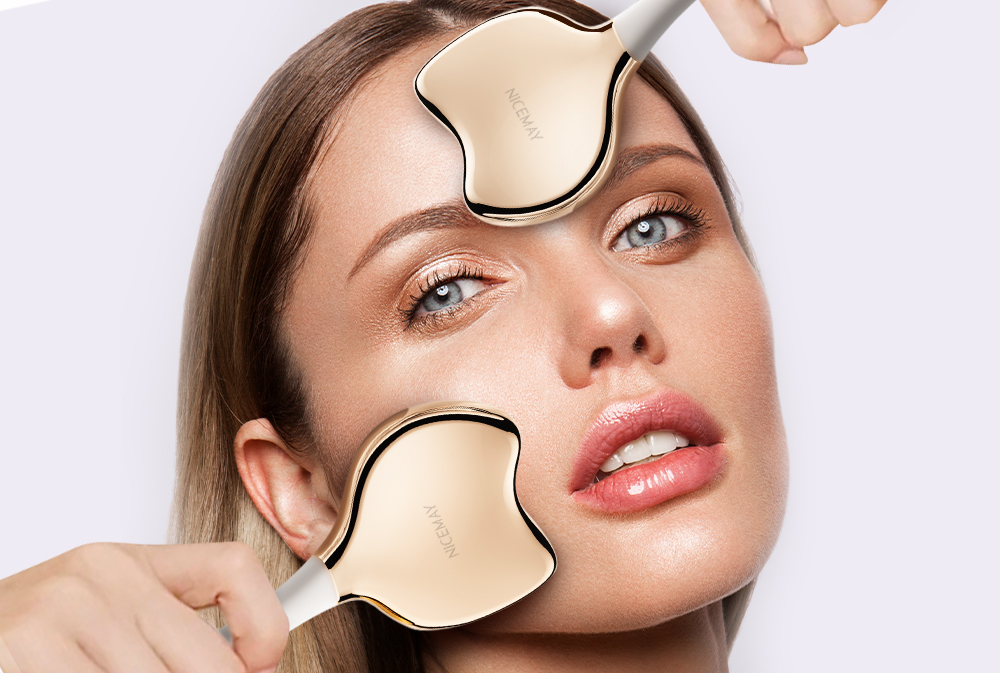
- Ice globes or cryo-sticks for controlled application.
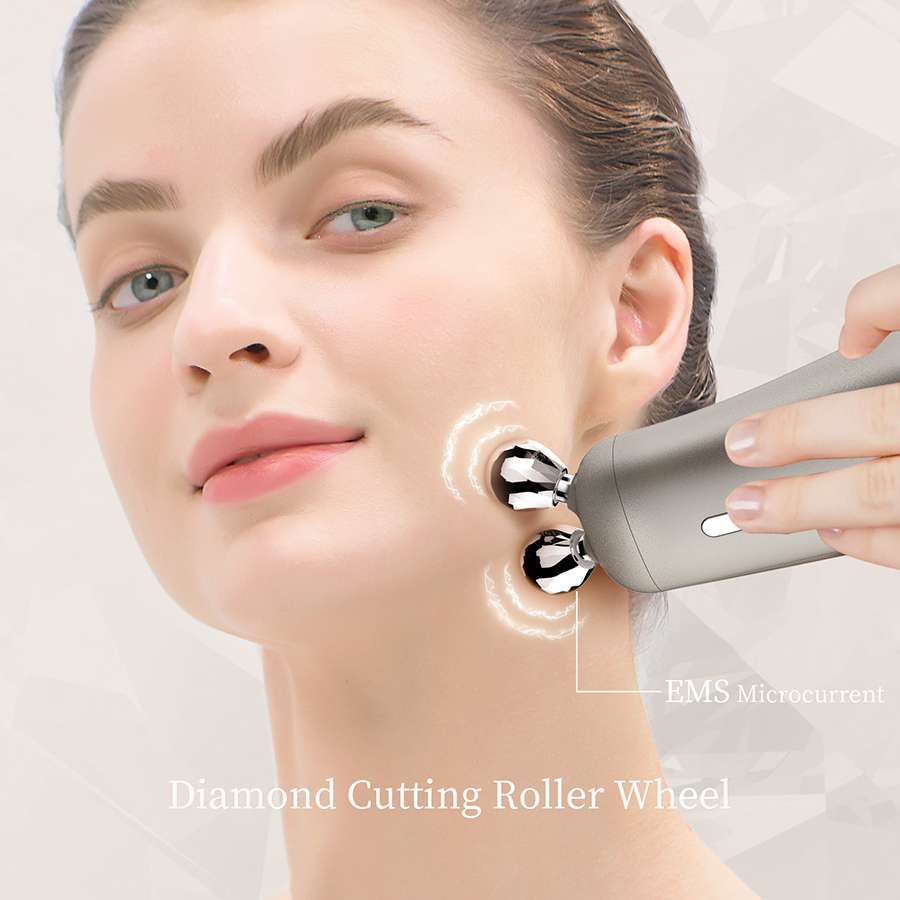
- Cold facial rollers.
- Simple cold-water rinse or compress (50–60°F / 10–15°C).
Best for: Sensitive, redness-prone, or mature skin seeking a refreshed morning look or post-treatment calm. It pairs especially well with ice globes for pore tightening.
Precautions: Never apply ice directly to bare skin for long periods. Overuse can cause irritation or broken capillaries. Limit sessions to 1–2 minutes and always protect your barrier afterward.

MR-2537

MR-2387

MR-2389
Hot vs Cold for Blackheads and Pores: Head-to-Head Comparison 2026
| Feature | Hot/Warm Pore Cleansing | Cold Tightening Therapy |
|---|---|---|
| Primary Action | Liquefies sebum and loosens debris | Causes vasoconstriction and reduces swelling |
| Best For | Clogged pores, blackheads, deep cleansing | Puffiness, redness, calming sensitive skin |
| Ideal Timing | Evening routine to remove daily buildup | Morning or post-treatment to refine and soothe |
| Long-Term Impact | Supports clearer skin when combined with exfoliation | Provides temporary refinement; supports recovery |
| Risk if Overused | Barrier damage and dehydration | Potential irritation or trapped impurities |
The Smart 2026 Hybrid Pore Care Routine
A balanced routine maximizes benefits while protecting your skin elasticity and barrier:
- Gentle lukewarm cleanse.
- Short warm therapy (steam or towel) to soften congestion.
- Targeted treatment with BHA or gentle extraction.
- Finish with cold therapy (ice globe or rinse) to tighten appearance and reduce inflammation.
This contrast method enhances circulation, improves product penetration, and supports healthier texture over time. If you have sensitive skin, choosing the right temperature-controlled device matters—Thermal vs Hot & Cold Device: Best Anti-Aging Choice for Sensitive Skin 2026? offers practical guidance tailored to reactive skin.
FAQ: Common Questions About Hot Pore Cleansing and Cold Tightening
Do pores actually open and close?
Is hot water or cold water better for pores?
Does ice make pores smaller?
Is steaming good for blackheads?
Can you permanently reduce pore size?
How often should I use cold therapy or hot pore cleansing?


Please fill in your email in the form and we’ll get back to assist you soon!