


Do Beauty Devices Damage the Skin Barrier?

Quality beauty devices do not inherently damage the skin barrier when used correctly. In fact, dermatological research shows that many modern at-home technologies can support barrier function through controlled stimulation, improved microcirculation, and enhanced hydration. Problems typically arise only when devices are overused, misapplied, or combined improperly—rather than from the technology itself.
What Is the Skin Barrier and Why Is It Vulnerable?
The skin barrier, primarily the stratum corneum, is the outermost protective layer that regulates moisture retention and blocks irritants. According to reviews published in the Journal of Clinical and Aesthetic Dermatology, disruption of this layer increases transepidermal water loss (TEWL) and is closely associated with dryness, inflammation, and heightened sensitivity.
Because beauty devices interact with the skin using energy, heat, or stimulation, understanding how they affect the stratum corneum is essential for safe long-term use.
Do Beauty Devices Damage the Skin Barrier When Used Correctly?
Clinical evaluations of FDA-cleared and CE-marked beauty devices indicate that, when used within recommended parameters, energy exposure remains below levels known to cause structural damage to the skin barrier. Dermatology studies reported in the Journal of Cosmetic Dermatology show that controlled treatments allow barrier lipids and corneocyte structure to recover naturally within 24–72 hours.
In other words, properly designed devices do not inherently break down the skin barrier—misuse is the real risk factor.
How Different Beauty Devices Interact With the Skin Barrier ?
Different technologies affect the skin barrier through distinct biological mechanisms.
LED Light Therapy — Often Supports Barrier Recovery
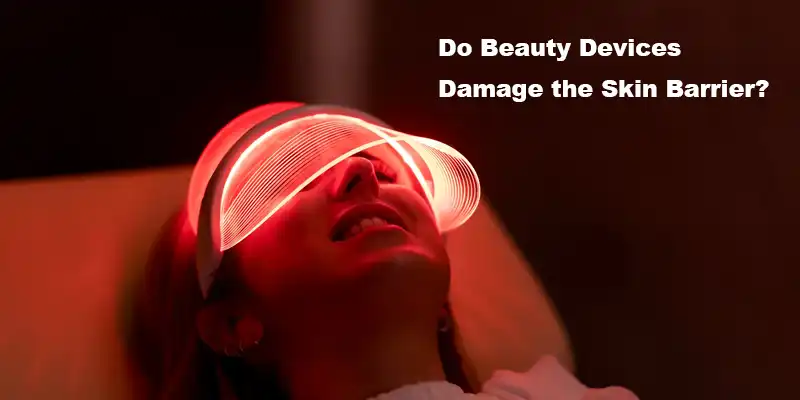
LED light therapy is non-thermal and non-abrasive, making it one of the most barrier-compatible technologies. Research summarized by Harvard Health Publishing and peer-reviewed LED studies indexed on PubMed indicate that red and near-infrared wavelengths can reduce inflammation and support ceramide synthesis.
How this affects the barrier:
- Lower inflammatory signaling
- Improved lipid organization
- Reduced TEWL in compromised skin
As a result, LED therapy is frequently used to aid barrier recovery rather than disrupt it. For safe treatment intervals, see “ How Often Should LED Light Therapy Be Used at Home? “.
Microcurrent — Barrier-Neutral When Conductivity Is Maintained
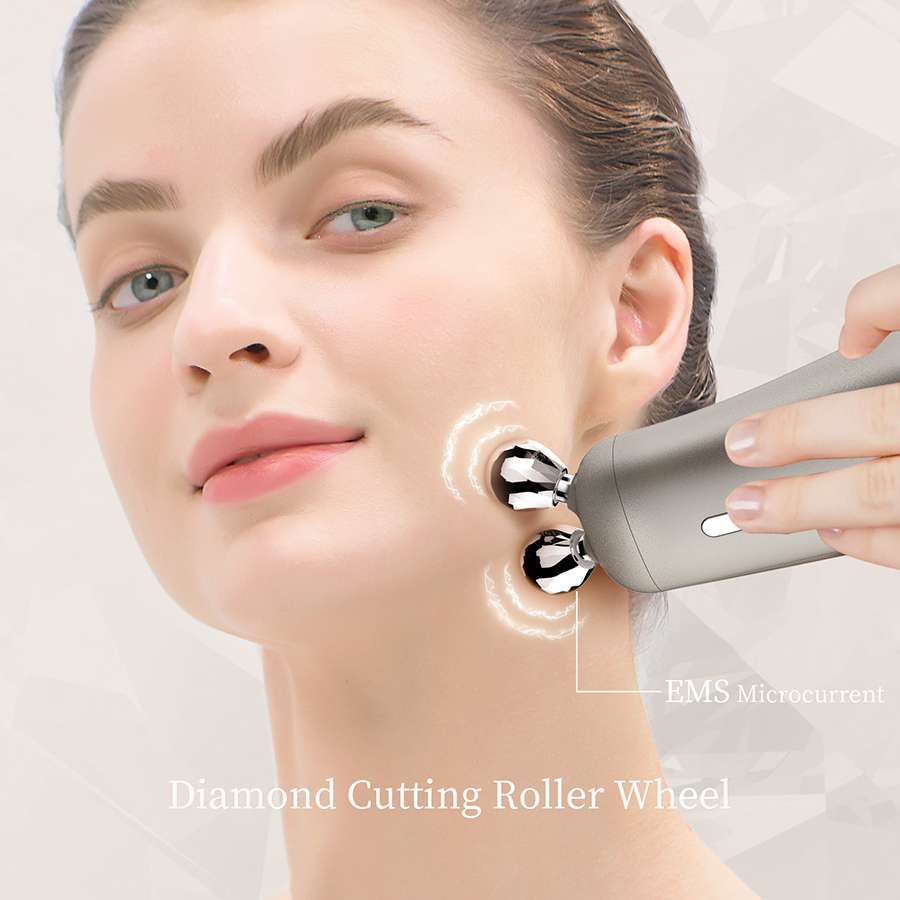
Microcurrent devices operate at microampere levels and rely on conductive gels to ensure even energy distribution. Safety evaluations published in the Journal of Cosmetic and Laser Therapy report no direct damage to the stratum corneum when proper conductivity is used.
How this affects the barrier:
- Enhanced circulation without mechanical friction
- Minimal surface stress when skin remains hydrated
- Potential irritation only when used on dry or compromised skin
With appropriate gel use, microcurrent is generally considered barrier-safe.
Radio Frequency (RF) — Indirect Barrier Stress If Overused
RF devices generate heat primarily in the dermal layer, not the barrier itself. However, dermatological studies reviewed by the U.S. National Institutes of Health (NIH) note that excessive or prolonged heating can increase surface dehydration and inflammatory signaling.
How this affects the barrier:
- Indirect stress through heat-induced moisture loss
- Temporary dryness if cooling or hydration is insufficient
When home-use power limits and cooling guidelines are followed, RF devices show minimal barrier impact. For a deeper safety analysis, refer to “ Is RF Skin Tightening Safe for Home Use? “.
Ultrasound — Temporary Permeability With Rapid Recovery
Ultrasound-based beauty devices can temporarily increase skin permeability by creating reversible micro-channels. Research published in the International Journal of Dermatology shows that barrier function typically restores within hours when treatments are short and properly spaced.
How this affects the barrier:
- Short-term permeability increase
- Enhanced post-treatment hydration absorption
No lasting structural damage reported
| Device Type | Potential Impact on Skin Barrier | Risk Level | Prevention | Backed By Sources |
|---|---|---|---|---|
| LED Light Therapy | Protective – boosts repair | Very low | Standard use | Harvard Health; PubMed 2024 |
| Microcurrent | Neutral-positive with gel | Low | Conductive gel essential | Journal of Cosmetic and Laser Therapy |
| Radio Frequency (RF) | Minimal with controlled heat | Low-moderate | Low settings, hydration | PMC/NIH trials |
| Ultrasound | Temporary opening, quick recovery | Low | Short sessions, moisturize after | .International Journal of Dermatology |
When Can Beauty Devices Disrupt the Skin Barrier?
While home beauty technologies are becoming increasingly sophisticated, their safety depends on proper use. The root causes of skin barrier damage often lie in two easily overlooked misconceptions.
Misuse Is the Primary Cause of Barrier Issues
According to clinical guidance from the American Academy of Dermatology (AAD), barrier disruption linked to beauty devices most often occurs when users:
- Exceed recommended treatment frequency
- Use maximum intensity unnecessarily
- Apply devices on already irritated or inflamed skin
- Skip post-treatment barrier repair
The technology itself is rarely the problem—user behavior is.
Why Device Stacking Increases Risk
Using multiple energy-based devices within a short timeframe can create cumulative stress. Dermatology literature on TEWL recovery demonstrates that the skin barrier requires sufficient downtime between different forms of stimulation to fully restore lipid balance.
Spacing treatments across different days significantly reduces barrier overload.
Signs of Early Skin Barrier Stres
Clinical dermatology sources identify early warning signs such as:
- Stinging or burning lasting longer than 24 hours
- Persistent redness or tightness
- Sudden sensitivity to previously tolerated products
When these symptoms appear, pausing device use and prioritizing barrier repair is recommended.
How to Use Beauty Devices Without Compromising the Skin Barrier ?
Barrier recovery typically takes 24–72 hours, depending on skin type and treatment intensity—a timeframe consistently reported in dermatological recovery studies.
Post-treatment skincare should focus on restoring the lipid matrix. Dermatology consensus supports ingredients such as:
- Ceramides
- Cholesterol and fatty acids
- Panthenol or niacinamide
Strong exfoliants or retinoids are best avoided immediately after device use.
Are At-Home Devices More Dangerous Than Professional Treatments?
Not necessarily. Professional treatments deliver higher energy levels and therefore require longer recovery periods. At-home devices, by contrast, are designed with lower output and broader safety margins, as outlined in FDA guidance on consumer aesthetic devices.
Risk depends less on location and more on usage discipline and recovery support.
Final Verdict — Do Beauty Devices Damage the Skin Barrier?
Beauty devices do not inherently damage the skin barrier. Dermatological evidence consistently shows that, when used as directed, many technologies either preserve or actively support barrier function. Temporary disruption occurs primarily due to overuse, improper technique, or inadequate recovery—not because beauty devices are unsafe by design.
Ready for barrier-safe results? Take our quick Barrier Quiz to find the NICEMAY device that protects and enhances your skin. Start safely today!
Please fill in your email in the form and we’ll get back to assist you soon!