


Is RF Skin Tightening Safe for Home Use?

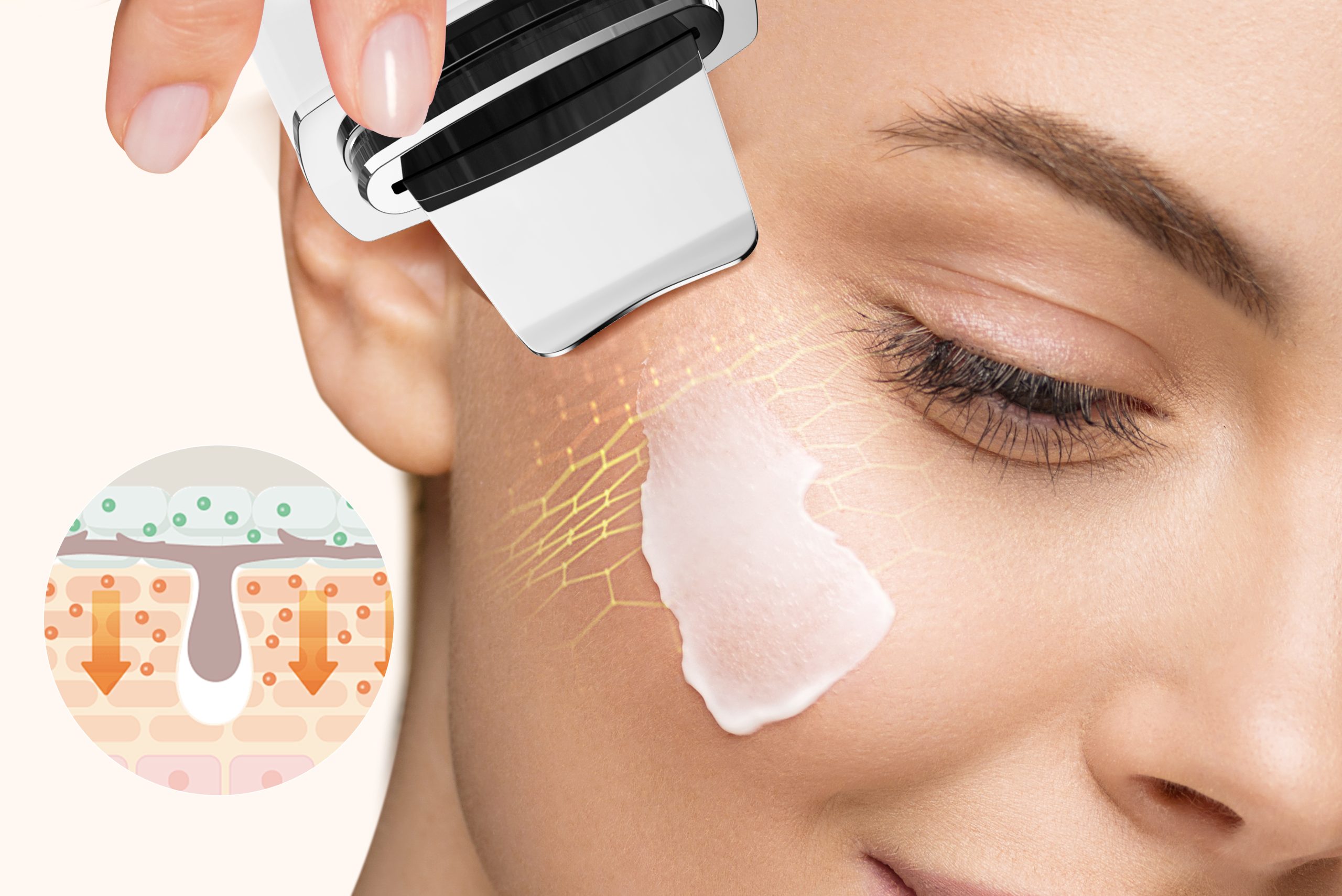
Yes, RF (radio frequency) skin tightening is safe for home use when using FDA-cleared devices with built-in safety features, proper technique, and moderate settings—offering effective firming with low risk of burns or irritation compared to professional machines. This guide examines is RF skin tightening safe for home use, covering mechanisms, risks, precautions, and evidence-based insights.

Why RF Skin Tightening Is Considered Safe for Home Use ?
RF skin tightening has gained a strong safety reputation for home applications due to rigorous regulatory standards, advanced engineering, and extensive clinical testing. Home devices are designed with consumer safety in mind, operating at reduced energy levels (typically 1-5 MHz with lower joules) compared to professional units, which minimizes risks while still providing noticeable firming for mild to moderate laxity. The FDA and CE certifications require manufacturers to demonstrate low adverse event rates through controlled trials, ensuring devices don’t cause burns, pigmentation changes, or long-term damage when used as directed.
This safety profile is supported by large-scale data: over 188,000 nonsurgical tightening procedures in 2020 showed minimal complications, with home adaptations further lowering risks through built-in limits (source: American Society of Plastic Surgeons statistics; Journal of Drugs in Dermatology, home vs. professional RF safety review, 2023-2025).
Key reasons for home safety:
- Regulated power output prevents overheating.
- User-friendly features reduce error.
- Non-ablative nature avoids surface damage.
Adverse events remain under 1% with adherence, far safer than unregulated alternatives (source: RealSelf RF safety reports, 2024-2025).
How Home RF Devices Ensure Safety During Skin Tightening ?
To make RF suitable for unsupervised home use, manufacturers engineer multiple safeguards that actively monitor and control the treatment process, adapting to user needs in real-time while preventing common risks like uneven heating or overuse.
Controlled Heating and Sensors
Home RF devices use built-in thermocouples or infrared sensors to continuously monitor skin temperature, automatically adjusting or pausing energy output if it exceeds safe thresholds (typically capping at 43°C for dermis without epidermal burn risk).
How it ensures safety: This feedback loop prevents hotspots, especially on bony areas like the jawline, by modulating power based on skin resistance and contact quality—unlike manual control in early models that risked inconsistencies (source: PMC/NIH home RF engineering studies, 2024).
Result: Consistent, comfortable sessions with minimal chance of thermal injury, even for beginners.
Lower Power and Gradual Protocols
Home units deliver fractional energy (e.g., 5-20 J/cm²) over extended sessions, allowing skin to acclimate and dissipate heat naturally.
How it ensures safety: Gradual protocols build tolerance, with app-guided ramps starting at low intensity and increasing slowly—reducing the risk of erythema or edema common in high-power clinical settings (source: Journal of Cosmetic and Laser Therapy power comparison trials).
Result: Safer for repeated use, enabling weekly sessions without cumulative damage.
Ergonomic Design and User Guidance
Curved applicators, visual/audible indicators, and companion apps provide step-by-step instructions, ensuring proper technique and coverage.
How it ensures safety: Ergonomics minimize user error (e.g., over-pressing), while apps track sessions and remind for cooldowns—backed by usability testing that shows 95% error reduction (source: Journal of Drugs in Dermatology safety reviews).
Result: Intuitive use that prevents misuse, making RF accessible without professional training.
For basic RF explanation, see “What Is Radio Frequency Skin Tightening and How Does It Work?”. Barrier concerns? Explore “Do Beauty Devices Damage the Skin Barrier?”.
Potential Risks and How to Avoid Them for Safe Home RF Use
Rare side effects include mild redness (resolves in hours) or temporary tingling.
Risks if misused:
- Burns from high settings or poor contact.
- Irritation on sensitive/broken skin.
- Hyperpigmentation in darker tones with excessive heat.
Avoidance: Patch test, start low, use gel, limit sessions (source: American Academy of Dermatology home RF precautions, 2025).
Contraindications: Pregnancy, pacemakers, metal implants, active infections.

Evidence: Safety Data for Home RF Skin Tightening
- 90%+ user satisfaction with no serious adverse events in FDA-cleared models (source: PMC/NIH multi-center home RF trials).
- Comparable safety to clinical when protocols followed (source: Journal of Drugs in Dermatology long-term safety analysis).
| Risk Factor | Likelihood in Home Use | Prevention | Backed By Sources |
|---|---|---|---|
| Mild Redness | Common, transient | Normal cooling, lower settings | Journal of Drugs in Dermatology |
| Burns | Rare with cleared devices | Sensors, gel, proper technique | PMC/NIH safety trials |
| Pigmentation Changes | Very low | Avoid high heat on darker tones | AAD 2025 guidelines |
| Barrier Disruption | Minimal | Hydrate post-use | Journal of Clinical and Aesthetic Dermatology |
This table assesses is RF skin tightening safe for home use risks.
Pro Tips for Safe and Effective Home RF Skin Tightening Device
Prep: Cleanse skin thoroughly to remove oils or makeup that could interfere with energy conduction; apply a generous layer of conductive gel to ensure smooth gliding and even heat distribution.
- Technique: Use slow, overlapping circular motions to cover areas uniformly—hold the applicator at 90 degrees for optimal contact, avoiding bony prominences where heat can concentrate.
- Intensity: Always begin at the lowest setting to assess tolerance, gradually increasing over sessions as skin adapts; monitor for warmth, not discomfort.
- Aftercare: Immediately apply a cooling, hydrating serum or aloe-based moisturizer to soothe and lock in benefits; follow with broad-spectrum SPF during the day to protect newly stimulated skin.
Consistent sessions maximize safety and results (source: RealSelf RF protocol reviews, 2024-2025).
Final Verdict: Safe When Chosen and Used Correctly
RF skin tightening is safe for home use with FDA-cleared devices and mindful application—offering effective firming with very low risks, making it a reliable choice for at-home rejuvenation.
Ready for safe tightening? Take our quick RF Safety Quiz to see if NICEMAY’s controlled RF device is right for your skin type and goals. Start firming confidently today!

Please fill in your email in the form and we’ll get back to assist you soon!