


How Are Beauty Devices Different from Regular Skincare Products? (The Ultimate Guide)

In the evolving world of personal care, a common question arises: Can a high-tech device really do more than a premium face cream? While traditional skincare products are the foundation of any routine, beauty devices represent a functional leap. They don’t just sit on the skin; they interact with it. Understanding the core differences between beauty devices and regular skincare products is key to achieving professional-level results at home.

The Fundamental Difference: Topical Care vs. Active Stimulation
The primary distinction lies in how they deliver results.
- Regular Skincare Products (Passive): Items like serums, moisturizers, and cleansers function through chemical absorption. They rely on the skin barrier’s ability to let ingredients pass through to the upper layers of the epidermis.
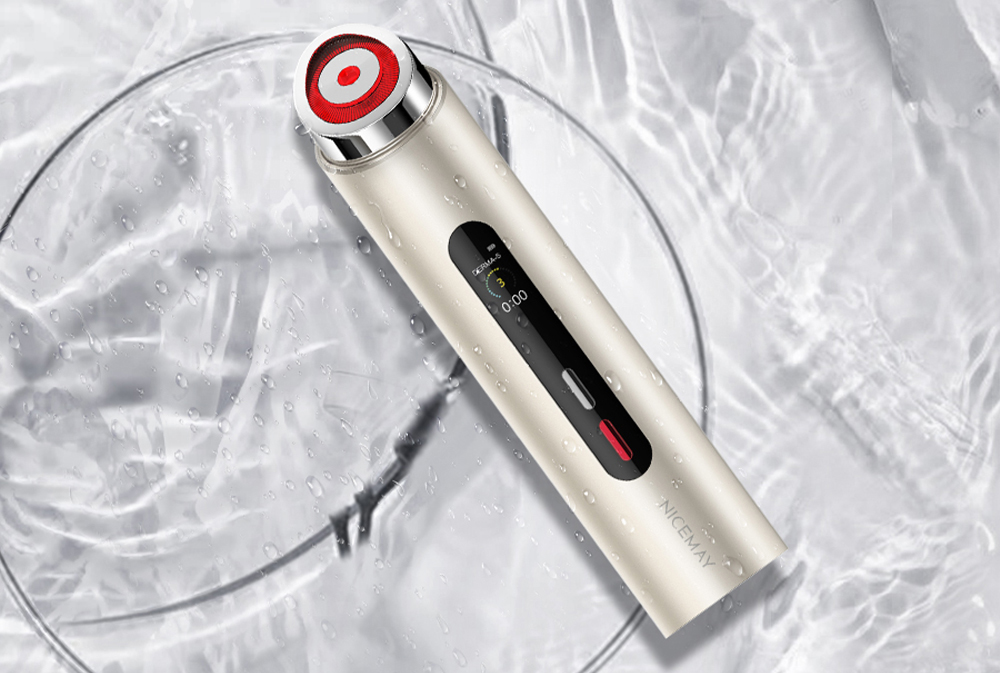
- Beauty Devices (Active): Devices use controlled physical energy—such as Light Emitting Diodes (LED), Microcurrents, Radiofrequency (RF), or Ultrasound—to trigger biological responses deeper within the dermis and muscle layers.
Key Takeaway: Skincare products nourish and protect the surface, while beauty devices stimulate and remodel the skin’s structure from within.
Beauty Devices VS Regular Skincare Products Table: At-a-Glance Differences
| Feature | Regular Skincare Products | At-Home Beauty Devices | Key Benefit |
|---|---|---|---|
| Target Layer | Primarily Epidermis (Surface) | Dermis & Muscle Layers | Deeper structural impact |
| Mechanism | Ingredient Absorption | Energy-based (Heat, Light, Current) | Active cellular trigger |
| Primary Goal | Hydration, Barrier Repair, Protection | Lifting, Toning, Collagen Boost | Faster visible contouring |
| Result Speed | Gradual (28-60 days) | Immediate (Temporary) & Cumulative | Visible "lift" and glow |
| Regulation | Cosmetic Standards | Consumer Electronic/Medical Standards | Verified safety & output |
Technology Breakdown: How Devices Outpace Topicals
To understand why beauty devices are different from regular skincare products, we must look at the technology. Recent dermatological studies (2024-2025) highlight that combining energy-based devices with topicals can improve efficacy by up to 50%.
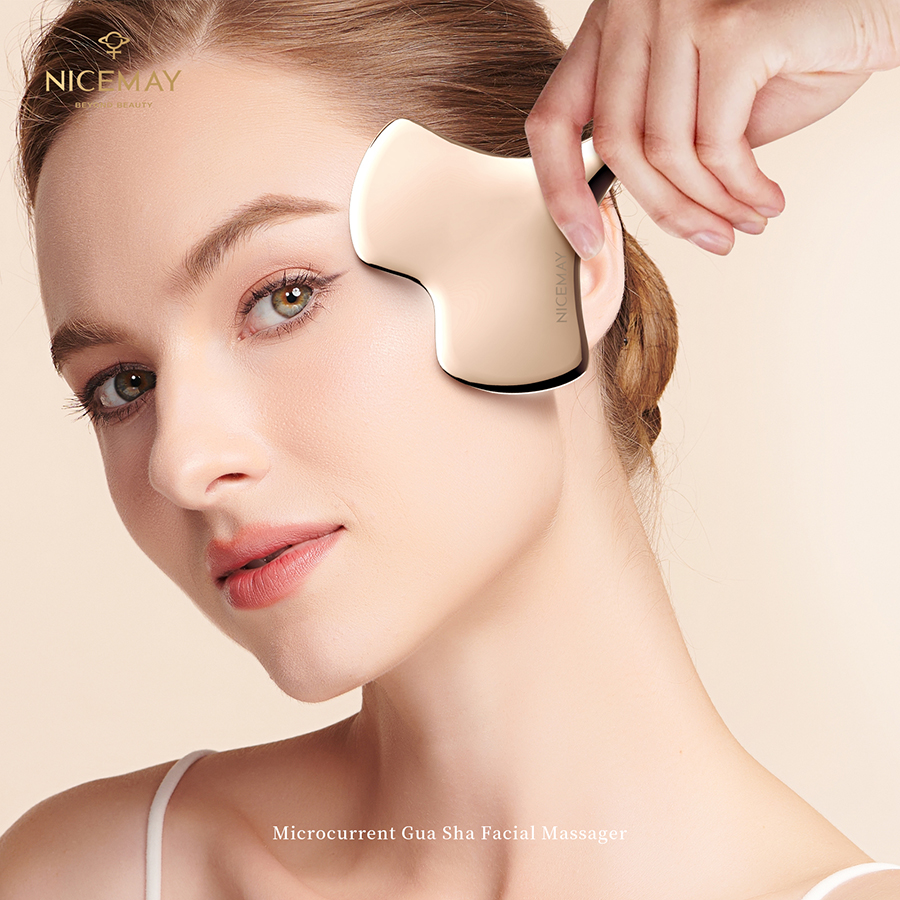
While “lifting” creams hydrate the skin to make it look plumper, Microcurrent devices (like the NICEMAY Microcurrent Toner) send low-level electrical currents to the facial muscles. This is essentially “gymnastics for your face,” providing a physical lift that no cream can replicate.
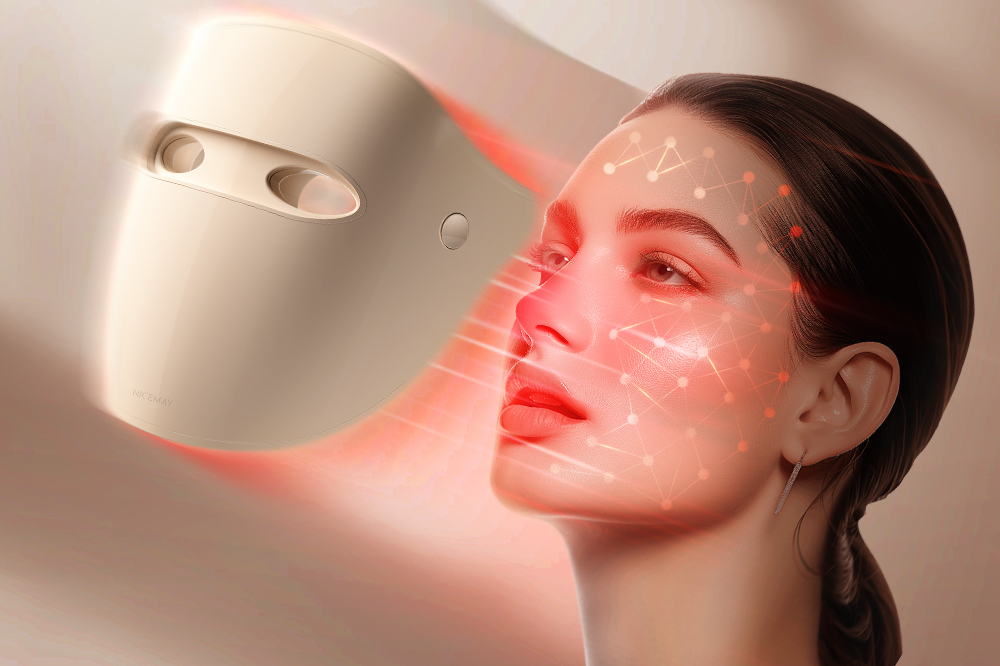
Brightening serums (Vitamin C, Niacinamide) work by inhibiting melanin on the surface. LED Therapy, however, uses specific wavelengths to energize the mitochondria in your cells, accelerating repair and collagen production at a cellular level.
Retinol is the gold standard for surface renewal. However, RF technology uses thermal energy to contract existing collagen fibers and trigger the growth of new ones deep in the dermis—offering a “tightening” effect that topical exfoliation cannot achieve.
While these technologies offer immense potential for skin transformation, not all devices are created equal. The power output, wavelength precision, and contact stability all play a critical role in whether a device delivers professional results or just a pleasant massage.
Deep Dive: To understand the technical parameters you should look for before buying, read our comprehensive analysis: ” What Makes a Beauty Device Effective for Skin Care? “.
Safety and Professional Regulation
One often overlooked difference is the regulatory landscape.
- Skincare is generally classified as a cosmetic, focusing on ingredient safety.
- Beauty devices (especially those from reputable brands like NICEMAY) must adhere to stricter electrical safety and energy output standards (FDA, CE, or RoHS). This ensures that the device delivers enough energy to be effective without causing thermal damage, providing a level of “controlled performance” that topicals lack.
Home beauty devices and skincare products should work together
The most effective modern routine isn’t about replacement; it’s about synergy.
- Preparation: Cleansers and exfoliators prepare the canvas.
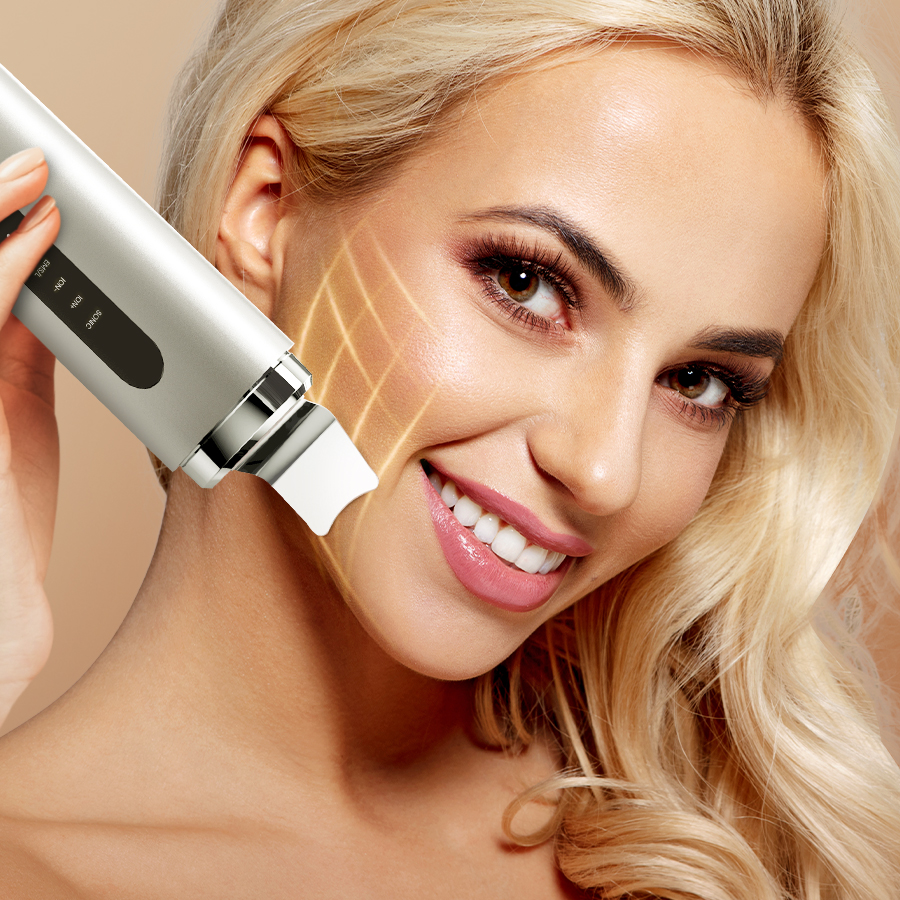
- Conductivity: Many devices require a serum or gel to work, which in turn helps those ingredients penetrate 5x deeper due to ultrasonic or ionic vibrations.
- Protection: After a device treatment, the skin needs the barrier-repairing properties of a good moisturizer and SPF.
For a deeper dive into this synergy, see our guide: ” Can Beauty Devices Be Used Together with Skincare Products? “.
Conclusion
Beauty devices are fundamentally different because they provide the physical energy needed to change skin behavior. If you are looking to address skin laxity, deep wrinkles, or loss of contour, skincare products alone may reach a plateau.
Ready to see the difference for yourself? Explore NICEMAY’s range of innovative beauty devices and take your skincare routine from “maintenance” to “transformation.”

Please fill in your email in the form and we’ll get back to assist you soon!