Are you waking up with a puffy face, swollen under-eye bags, or dull-looking skin that refuses to look refreshed, even after a full night’s sleep? If you’re searching for a quick and effective way to reduce puffiness fast, cold facial tools and cryo sticks have become go-to skincare solutions for instantly soothing inflammation, tightening the appearance of skin, and boosting circulation. In this guide, you’ll discover how cold facial tools work, why cryo sticks are so effective for facial de-puffing, and the best techniques to achieve a fresher, more sculpted complexion in minutes.
The Physiology Behind Facial Cold Depuffing (Why It Works — and When It Doesn't)
Facial puffiness is excess interstitial fluid trapped in the tissue between your skin cells. Your lymphatic system moves that fluid toward the lymph nodes at your neck and clavicle — but lymph vessels have no pump. They rely on external pressure and movement to clear fluid. Cold temperatures between 10°C and 15°C (50–59°F) cause immediate vasoconstriction in superficial capillaries, which reduces the rate of new fluid leaking into tissue. Combined with directed manual pressure from a cryo stick or facial roller, you physically push lymph toward drainage nodes.
The failure mode most users hit: they press too hard. Excess pressure on lymph vessels collapses them, which stops drainage rather than accelerating it. Dermatologists recommend a pressure equivalent to the weight of a coin, roughly 5–10g of force, for lymphatic massage to work. Apply more than that and you’re massaging muscle, not moving lymph.
Cold tools lose effectiveness below 5°C (41°F). At that temperature, vasoconstriction becomes so severe that skin microcirculation shuts down temporarily, causing the rebound redness and re-puffing you may have noticed after using a tool straight from the freezer. Keep tools refrigerated at 8–12°C for best results, or freeze and then let them sit at room temperature for 3–4 minutes before use.
Choosing the Right Cold Facial Tool for Your Puffiness Type
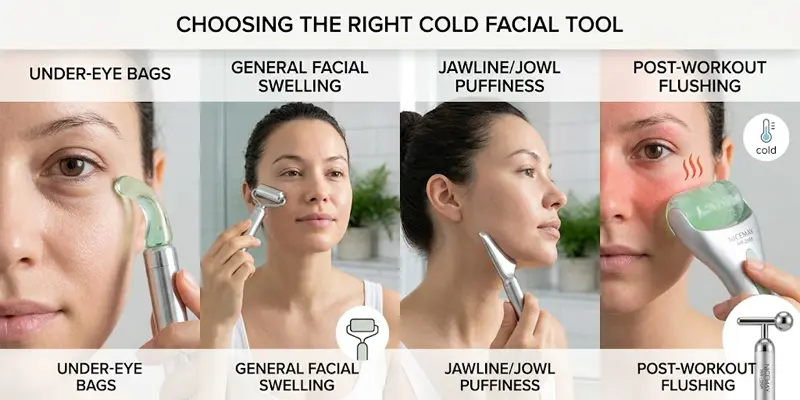
Not all facial puffiness shares the same cause, and the tool shape you choose changes your results.
Puffiness Type
Root Cause
Best Tool Shape
Under-eye bags (morning)
Fluid pooling during sleep
Curved cryo stick or globe tip
General facial swelling
Sodium retention, hormones
Flat cryo bar or roller
Jawline/jowl puffiness
Tension + fluid retention
Angled cryo stick with edge
Post-workout facial flushing
Vasodilation + heat
Any cold tool, applied fast
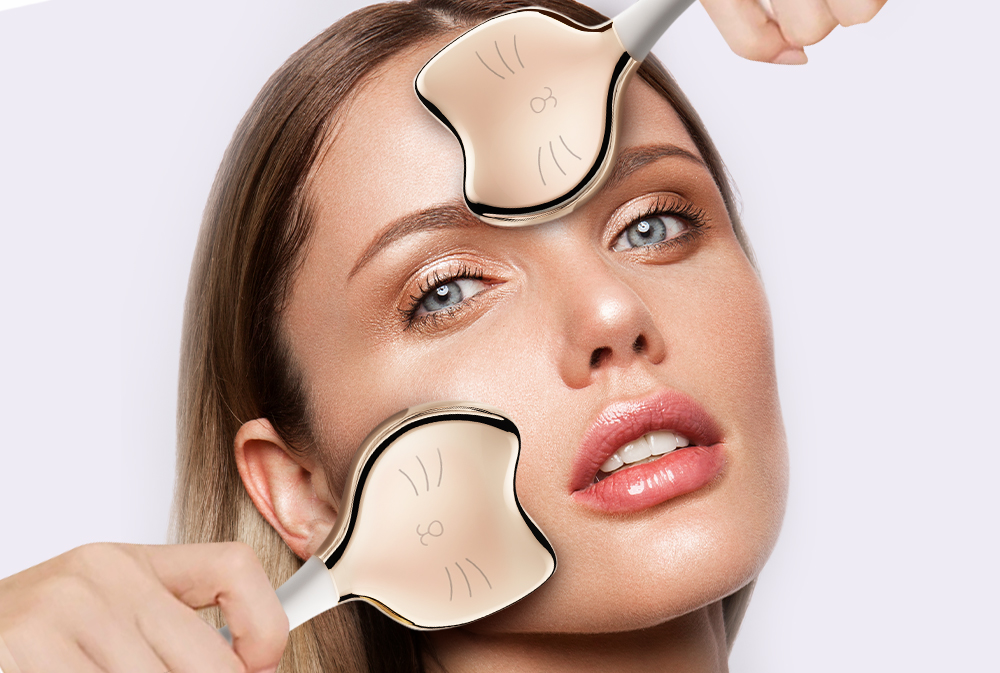
Cryo sticks work best for targeted zones like the orbital bone and jawline because the narrow tip lets you trace specific anatomical contours. A cryo stick with a double-ended design, one ball end for orbital work and one flat edge for the jawline, covers both high-priority zones without tool switching.
Facial globes cover broader surface areas faster but sacrifice directional control. Use them for cheeks and forehead where you want broad strokes, not precision drainage paths.
Ice rollers (gel-filled cylinders) sit between the two. They cover more area than cryo sticks but maintain cold longer, up to 20 minutes versus 8–10 minutes for most metal cryo sticks. For chronic morning puffiness, the extended cold window of an ice roller gives you more working time.
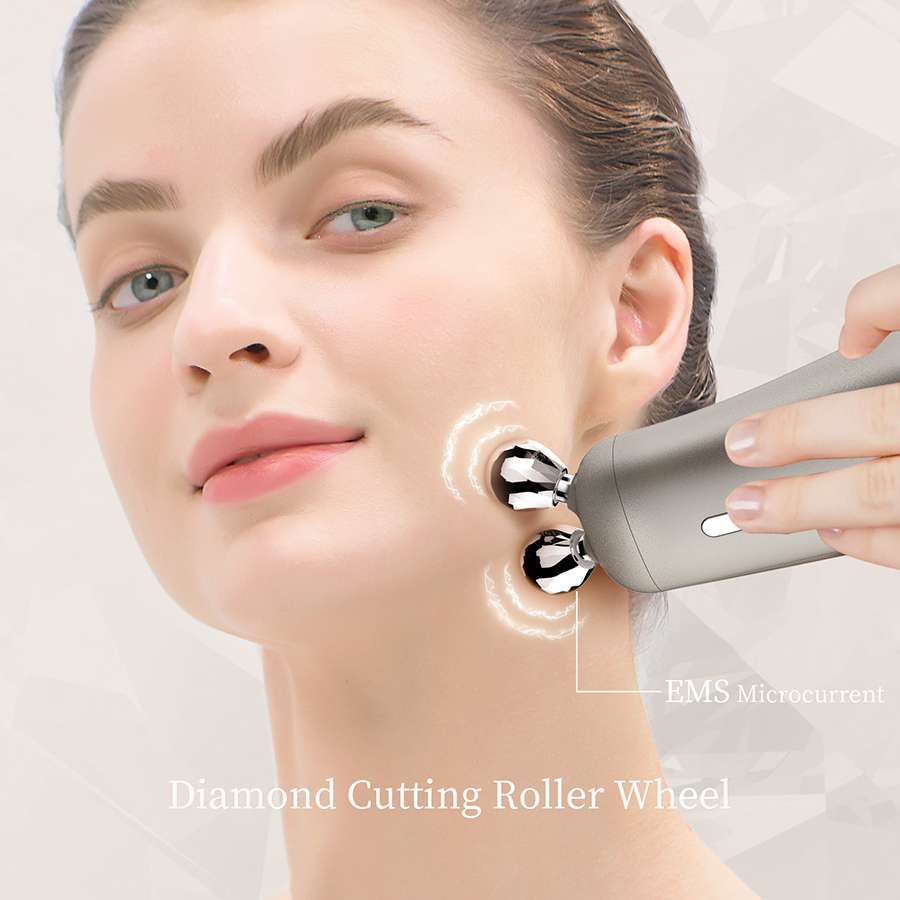
For users who want a tool that addresses puffiness and muscle tension simultaneously, the NICEMAY MR-2389 combines cryotherapy temperature control with T-bar and ball attachments designed for facial contouring. The dual-zone design handles both orbital puffiness and broader cheek drainage in one tool without requiring separate products.
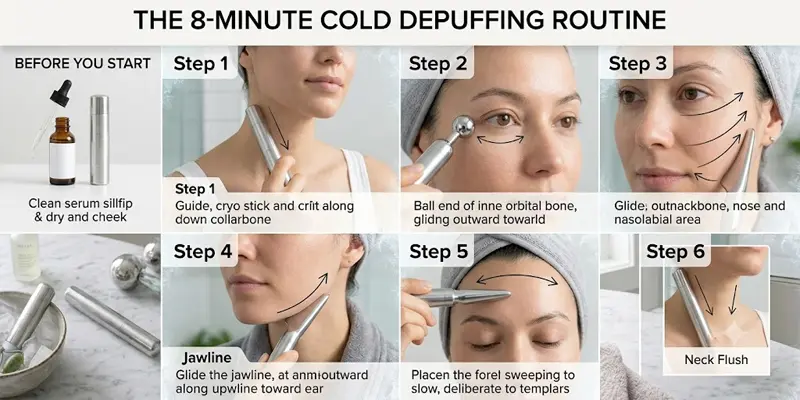
Step-by-Step: The 8-Minute Cold Depuffing Routine
This sequence follows lymphatic drainageanatomy. The neck comes last because you need to clear the drainage pathway before pushing fluid toward it.
Before you start: Apply 2–3 drops of a water-based serum or lightweight facial oil to clean, damp skin. Cold metal on dry skin creates micro-friction that irritates the skin barrier. The serum lets the tool glide at the 5–10g pressure range you need for lymphatic drainage.
Step 1: Open the Drainage Pathway (Neck, 60 seconds)
Start at the jawline and sweep the cryo stick downward along both sides of the neck toward the collarbone. Use 4–5 slow strokes per side. You open the lymph node clusters at the cervical chain before pushing fluid from the face into them. Skipping this step means fluid you mobilize from the face has nowhere to drain.
Step 2: Under-Eye Zone (90 seconds per eye)
Place the ball or curved end of your cryo stick at the inner corner of the orbital bone, not on the eyelid itself. Glide outward along the bone toward the temple, maintaining contact with the bone rather than the soft tissue above or below. End each stroke at the temple and lift. Repeat 6–8 strokes per eye. The orbital bone acts as a guide rail; following it keeps pressure off the delicate periorbital tissue where capillaries break easily.
Step 3: Cheeks and Nasolabial Area (90 seconds per side)
Start at the center of your nose and glide outward and upward along the cheekbone toward the ear. Follow with strokes from the corners of the mouth up to the ear. These two vectors cover the buccal fat pad area and the nasolabial region where puffiness accumulates from fluid retention and gravity.
Step 4: Jawline (60 seconds per side)
Position the flat edge of your tool at the center of the chin. Glide along the jawline toward the ear in a single continuous stroke, keeping the tool angled upward at roughly 45 degrees. This direction encourages fluid movement toward the parotid lymph nodes near the ear rather than pooling it back toward the chin.
Step 5: Forehead (60 seconds)
Start at the center of the forehead and sweep outward toward the temple on each side. Use slower strokes here, 3–4 seconds per pass, since the frontalis muscle runs horizontally and benefits from sustained light pressure more than speed.
Step 6: Neck Flush (30 seconds)
Repeat the neck drainage strokes from Step 1. You’re now pushing mobilized fluid through the pathway you opened at the start.
Total session time: 8 minutes. You can extend each zone by 30–60 seconds for chronic or severe puffiness, but sessions beyond 15 minutes yield diminishing returns as skin temperature equalizes with the tool.
Temperature, Storage, and the Mistakes That Undo Your Results
Refrigerator vs. freezer: Store cryo sticks in the refrigerator at 4–8°C (39–46°F) for 20–30 minutes before use. The freezer brings metal tools to -18°C (0°F), which is too cold for direct facial skin contact. Freezer-temperature tools trigger intense vasoconstriction that causes rebound vasodilation 10–15 minutes later, re-puffing the zones you just worked. If you use the freezer, let the tool warm to room temperature for 3–5 minutes first. You want the tool cool to the touch, not painful.
Static contact: Holding a cold tool stationary on one spot for more than 4–5 seconds risks a localized cold injury called a cryoburn, which looks like a red, irritated patch. At 10°C, skin tolerates static contact for around 10 seconds before irritation begins. Keep the tool moving.
Sanitizing: Wipe tools with 70% isopropyl alcohol after each session. Skin bacteria (particularly S. epidermidis and S. aureus) transfer to the tool surface and survive on metal for up to 6 hours. Shared tools or tools stored without cleaning become vectors for breakouts along the drainage pathways you’re working.
Frequency: Daily morning use is appropriate for cold facial tools. Unlike RF or microcurrent devices that require recovery intervals, cold therapy causes no cumulative tissue stress. For acute puffiness (post-flight, post-salty meal), a second session in the evening accelerates clearance.
Pairing Cold Tools with Skincare Ingredients: What Works and What to Avoid
Cold therapy pairs well with certain active ingredients and conflicts with others.
Ingredient
Pair with Cold Tool?
Reason
Hyaluronic acid serum
Yes, apply before
Humectant improves glide; cold boosts retention
Caffeine eye serum
Yes, apply before
Cold amplifies vasoconstrictive effect of caffeine
Morning sessions target sleep-related fluid pooling, which peaks within 30–60 minutes of waking. Your face accumulates fluid overnight because horizontal posture redistributes blood and lymph away from gravity-assisted drainage. A cold depuffing routine within the first 20 minutes of waking reduces visible puffiness by the time you reach peak pooling. Waiting until puffiness peaks before starting the routine means you’re working against 6–8 hours of accumulated fluid rather than intervening early.
Evening sessions serve a different purpose. Using a cold tool after cleansing removes the residual facial tension from muscle activity throughout the day, particularly in the masseter and frontalis muscles, and prepares skin to absorb evening serums. Cold vasodilation rebound (the warming that follows a cold session) temporarily increases dermal blood flow, which improves serum penetration by 15–20% compared to application on non-treated skin, according to research from the International Journal of Pharmaceutics on transdermal absorption and temperature.
If you’re deciding between a cryo stick and an ice roller specifically for puffiness speed, Cryo Sticks vs Ice Rollers – Which Cold Tool Reduces Puffiness Faster? covers session-by-session data and use-case comparisons.
Conclusion
Cold facial tools reduce puffiness when you control three variables: tool temperature (8–15°C, not freezer-cold), stroke direction (outward and downward toward neck lymph nodes), and pressure (light, 5–10g). Open the neck drainage pathway first, work each facial zone with 6–8 strokes, and finish with a neck flush. Daily morning use is safe and appropriate. Skip pairing with retinol or active acids in the same session.
For a tool that covers both orbital precision and broader facial drainage, the NICEMAY MR-2389gives you the attachment range to work every zone without switching products mid-routine.
FAQs About How to Reduce Puffiness Fast with Cold Facial Tools and Cryo Sticks
How long does it take to see results from a cold facial tool for puffiness?
Most users see visible reduction within 5–10 minutes of completing a full drainage sequence. Acute puffiness from sleep, salt, or alcohol clears fastest. Chronic puffiness tied to hormonal fluid retention or lymphatic sluggishness takes consistent daily use over 2–3 weeks to show cumulative improvement.
Can I use a cryo stick on active acne or broken skin?
Skip active blemishes and any areas with open skin. Cold pressure on an inflamed pustule can drive bacteria deeper into the pore. Work around active acne and return to those zones once breakouts clear.
How cold should my cryo stick be for safe use?
The target range is 8–15°C (46–59°F), achievable with 20–30 minutes of refrigerator storage. Below 5°C, you risk rebound puffiness and potential capillary irritation. If the tool feels painful on contact rather than refreshing, it’s too cold.
Should I use a cryo stick before or after applying skincare?
Apply your serum or oil first, then use the cold tool. The product provides slip that keeps pressure light and protects your skin barrier from friction. Apply any subsequent actives (vitamin C, niacinamide) after the session, not before.
Can cold facial tools replace professional lymphatic drainage facials?
At-home cold tools replicate the drainage mechanics of professional treatment but without the precise manual pressure control a trained esthetician applies. For general morning puffiness maintenance, daily tool use performs comparably. For post-surgical swelling, severe chronic puffiness, or lymphedema, a licensed lymphatic drainage therapist offers a level of pressure calibration that tools cannot match.