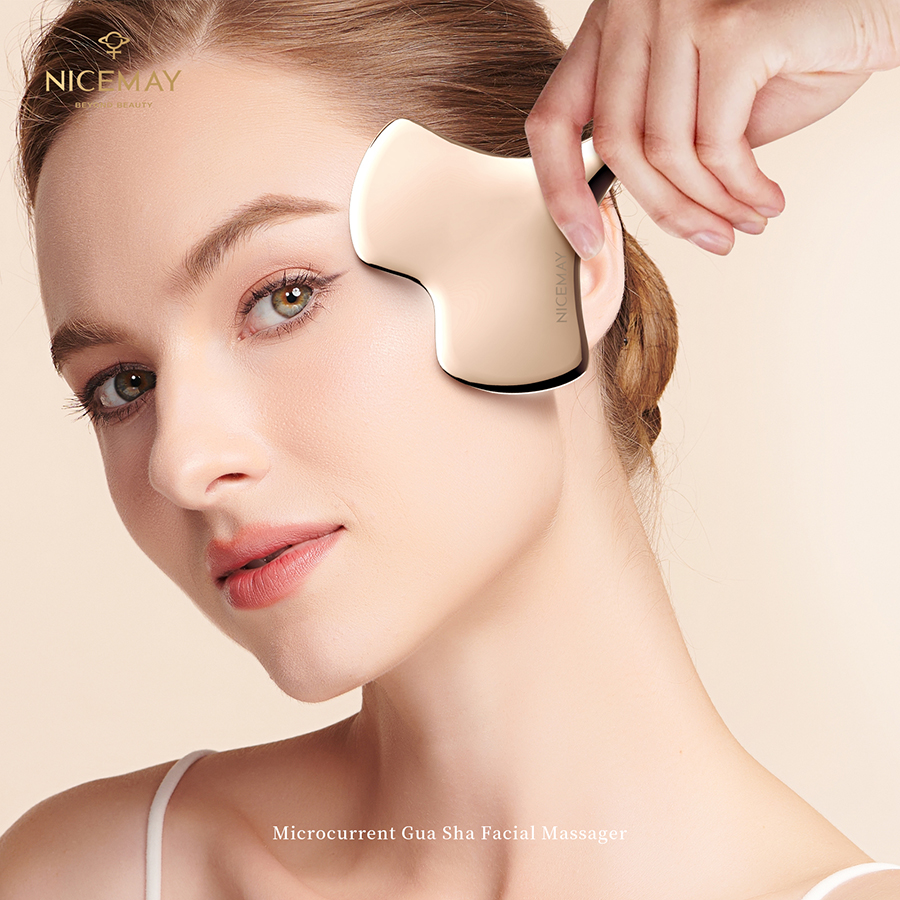
Skin still flushed and tight ten minutes after your RF session? That post-treatment redness is normal — but how you cool your skin in the next 30 minutes determines whether you wake up glowing or puffy and irritated. A cryo stick, used correctly, can cut visible redness by calming dilated capillaries almost immediately. Used incorrectly — too cold, too soon, too much pressure — it can trigger a secondary inflammatory response that undoes your RF results. Below is the exact protocol I give clients who pair at-home RF with cold sculpting tools, including the timing window, pressure level, and tool specifications that actually matter.
Why RF Treatment Causes Redness in the First Place?
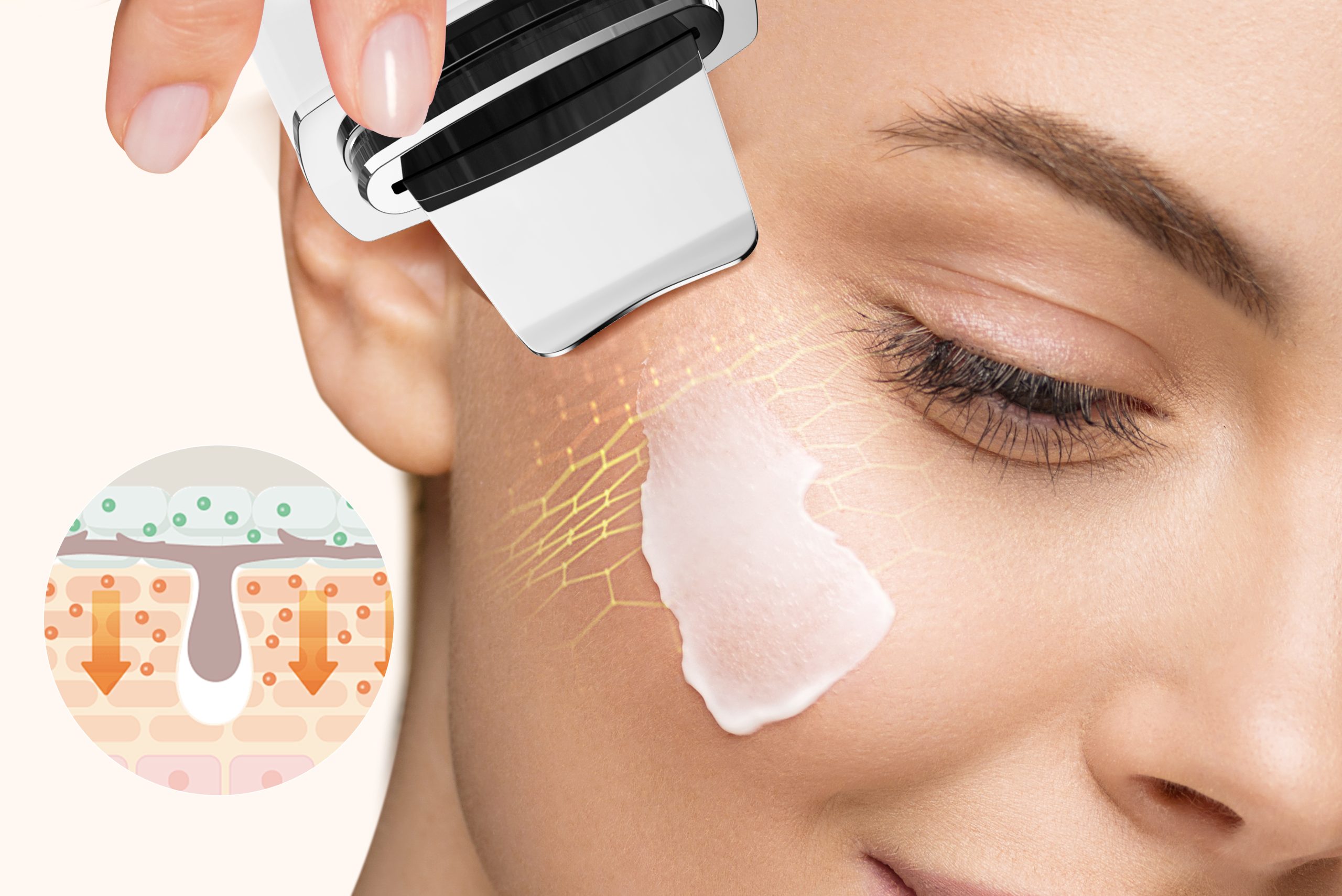
RF devices heat the dermis to 42–45°C to trigger collagen remodeling. That controlled heat dilates surface blood vessels — which is why skin looks flushed, not a sign of damage. The redness typically peaks within 10–20 minutes post-treatment and should fade within 1–2 hours on normal skin, or up to 4 hours on sensitive or rosacea-prone skin. If redness persists beyond 6 hours or comes with stinging, that’s a sign the RF intensity exceeded your skin’s tolerance — a common mistake with unregulated devices lacking auto temperature shut-off. A cryo stick doesn’t “fix” RF heat; it constricts the dilated vessels faster than passive cooling, which is the entire mechanical basis for using one post-treatment.
Why RF Treatment Causes Redness in the First Place?
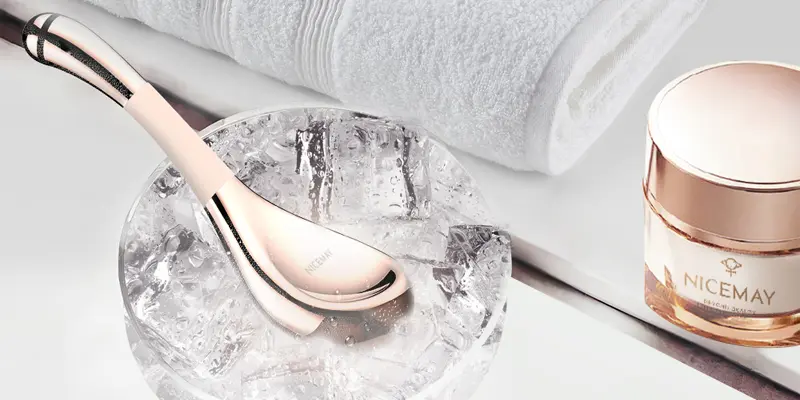
Step 1: Chill the Cryo Stick the Right Way
Refrigerate your cryo stick for 30–60 minutes before use — never the freezer. Freezer temperatures (often below -18°C) can drop metal or glass tool surfaces cold enough to cause a mild “ice burn” on skin that’s already had its barrier temporarily compromised by RF heat. A properly chilled stick sits around 4–8°C, cold enough to constrict vessels without shocking the tissue. If you’re using the NICEMAY Cryo Stick (MR-2387), its stainless-steel head holds cold for roughly 15–20 minutes of continuous massage, which conveniently matches the 5–10 minute treatment window you actually need — no mid-session reheating required, unlike single-temperature glass globes that warm up within 5 minutes of skin contact.
Step 2: Prep Skin Before the Cryo Stick Touches It
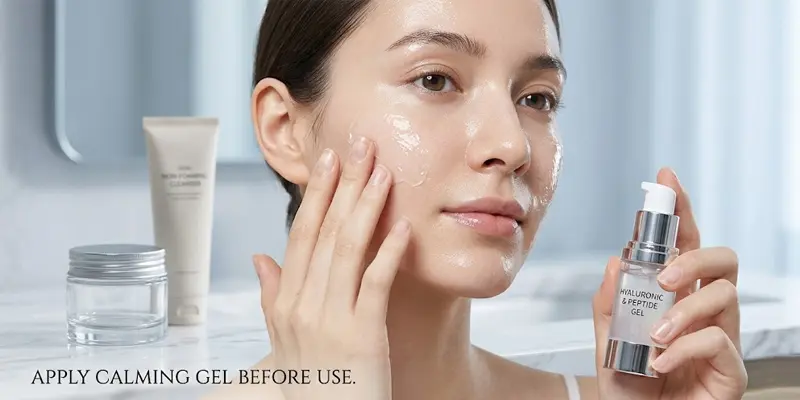
Never glide a cold metal or glass surface over bare, dry, post-RF skin. Friction on under-hydrated skin causes microscopic dragging that can worsen redness rather than reduce it. Cleanse with a gentle, non-foaming cleanser, pat dry, then apply a generous layer of hyaluronic acid serum or a peptide-calming gel. This slip layer does two things: it lets the cryo stick glide instead of drag, and it traps the cold against skin longer, extending the vessel-constricting effect. Skipping this step is the single most common mistake I see — people assume “cold tool + bare skin” is fine because facial rollers work that way, but rollers don’t conduct temperature the way metal cryo heads do.
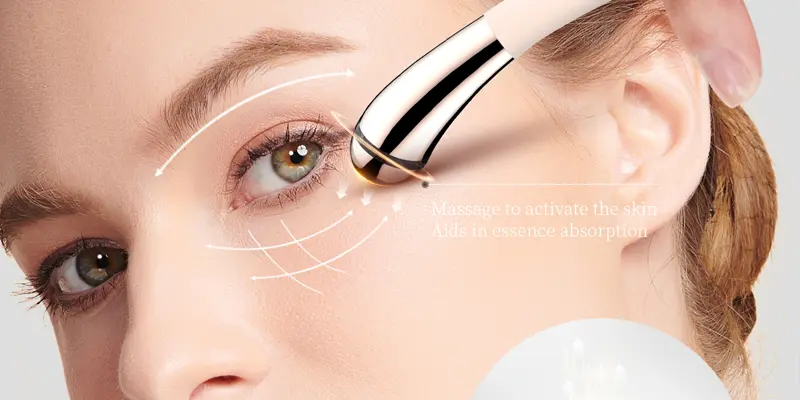
Glide from the center of the face outward toward the ears for cheeks and jawline. For under-eyes, press gently and sweep outward to reduce puffiness — never apply firm pressure here, as the skin is 0.5mm thick versus 2mm on the cheeks. On the neck, glide downward to support lymphatic drainage, or simply hold the stick on any area that still feels noticeably warm. Stop at 10 minutes maximum; prolonged cold exposure on RF-treated skin can cause rebound vasodilation, meaning the redness returns worse once the cold tool is removed.
Step 4: What to Apply After the Cryo Massage
Once redness visibly subsides, gently tap any remaining serum into the skin rather than rubbing it in — rubbing reintroduces friction heat you just worked to remove. Follow with a ceramide-based moisturizer to rebuild the lipid barrier RF treatment temporarily thins, and mineral SPF 30+ if you’re heading outdoors, since post-RF skin is more UV-reactive for several days. Avoid retinoids, chemical exfoliants (AHA/BHA), and alcohol-based toners for 5–7 days post-treatment — these actives penetrate faster into freshly treated skin and commonly cause stinging or breakouts when layered too soon.
Cryo Stick vs. Ice Cubes vs. Cold Roller: Which Actually Reduces Redness Best?
Not all cooling tools perform equally after RF. Ice cubes melt within 60–90 seconds, delivering inconsistent, often too-aggressive cold that can shock compromised skin. Cold rollers (typically jade or rose quartz) hold a stable but mild temperature — good for general soothing, but too gentle to meaningfully constrict vessels post-RF. A dedicated cryo stick made of stainless steel or glass, like the one detailed in The Top 10 Cryo Sticks and Cold Facial Tools of 2026, holds a consistent 4–8°C for 15+ minutes and is shaped for targeted contouring strokes rather than flat rolling. For genuine redness reduction after heat-based treatments, a purpose-built cryo stick is the only category of the three that combines sustained cold with precise application control.
Maintenance: Cleaning and Storing Your Cryo Stick
Wipe the stick down with an antibacterial or alcohol-free disinfecting wipe immediately after each use — RF-treated skin is more permeable, so any bacteria on the tool surface has a slightly higher chance of causing breakouts than on intact skin. Store it in its protective case rather than loose in a drawer, since scratched metal heads can create microabrasions on skin during future use. Replace any cryo tool that develops visible pitting, rust spots, or a cracked glass head — these are failure points that cause uneven cold distribution and inconsistent results, not just cosmetic wear.
How Often Should You Pair Cryo with RF?
Most at-home RF protocols recommend sessions 2–3 times per week, each followed immediately by a cryo cooldown. Daily RF with daily cryo isn’t necessary and can over-sensitize skin within 2–3 weeks, especially if you’re also using actives like retinol on non-treatment days. A realistic improvement timeline: visible redness reduction is immediate (within the 5–10 minute massage), while collagen-related firmness from RF itself takes 4–8 weeks of consistent sessions to show. If you’re also dealing with reactive skin from other treatments, see LED Face Mask Redness: How to Prevent Irritation and Sensitive Skin Reactions for a parallel protocol that applies the same calming logic to light-based redness.
Conclusion
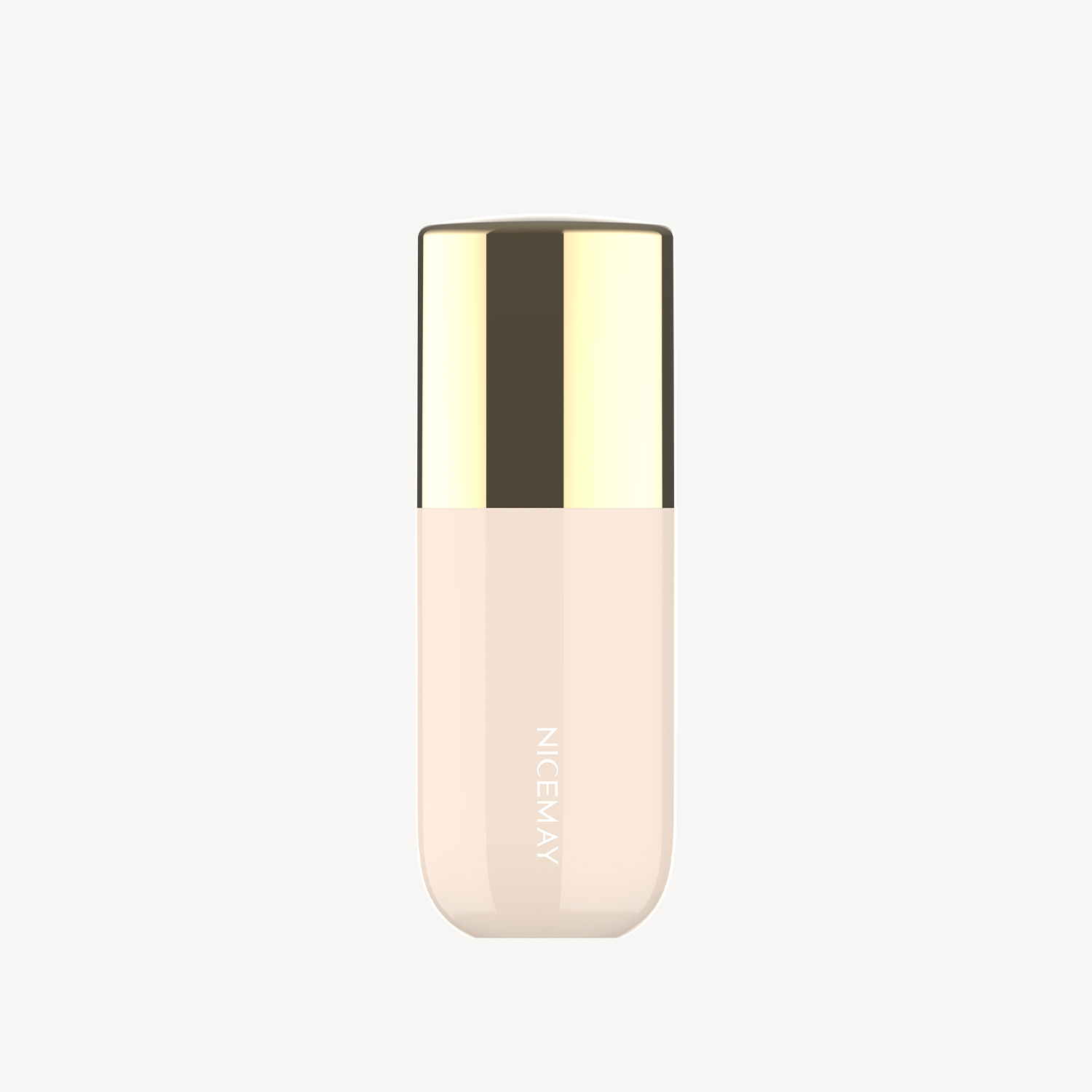
Three things matter most: chill your cryo stick in the fridge (never the freezer), always apply a hydrating barrier before the metal touches skin, and limit the massage to 5–10 minutes of light, upward strokes. Skip any one of these and you risk trading mild RF redness for cold-induced irritation instead of solving it. Get the protocol right, and a cryo stick becomes the fastest, lowest-effort way to calm post-RF flushing and protect the results you just paid in time (and heat) to achieve. If you’re shopping for a dedicated tool, theNICEMAY Cryo Stick (MR-2387) is built specifically for this kind of post-treatment cooldown — chill it, glide it, and let your skin do the rest.
FAQs About How to Use a Cryo Stick After RF Treatment to Reduce Redness
Can I use a cryo stick immediately after RF treatment?
Yes — in fact, that’s the ideal window. Apply a hydrating serum first, then use the chilled cryo stick within 10–15 minutes of finishing your RF session for the best redness-reducing effect.
How cold should a cryo stick be before use?
Refrigerator-cold, around 4–8°C, after 30–60 minutes of chilling. Freezer temperatures are too aggressive and risk a mild ice burn on RF-sensitized skin.
Can I use a cryo stick if I don't have an RF device?
Yes. Cryo sticks work well on their own for general puffiness, sluggish lymphatic flow, or heat-flushed skin from sun exposure or workouts.
How long should redness last after RF treatment?
Typically 1–2 hours on normal skin, up to 4 hours on sensitive skin. Redness lasting beyond 6 hours with stinging suggests the RF intensity was too high for your skin tolerance.
Is it safe to use a cryo stick every day?
Daily use is generally safe for the cryo stick itself, but if you’re pairing it with RF, limit RF sessions to 2–3 times weekly to avoid over-sensitizing skin.