


At-Home Hair Removal Device vs Electric Shaver Tool: Which One Actually Works for You?

Choosing between an at-home hair removal device and an electric shaver comes down to one fundamental question: do you want lasting smoothness, or effortless daily convenience? At-home devices—including IPL machines and epilators—work at the follicle level to reduce hair growth over time, while electric shavers cut hair flush to the skin for a clean, pain-free finish that takes minutes but needs repeating every few days.
Both tools have earned a permanent place in modern grooming routines, but they solve different problems. This guide breaks down how each technology works, where each excels, and which is the smarter investment for your skin type, budget, and lifestyle.

Quick Comparison: At-Home Hair Removal Device vs Electric Shaver
| 要因 | At-Home Hair Removal Device (IPL / Epilator) | Electric Shaver Tool |
|---|---|---|
| Hair Removal Method | Targets follicle root (light energy or mechanical plucking) | Cuts hair at skin surface (oscillating blades) |
| 結果の持続時間 | 2–6 weeks per session | 1~3日 |
| Long-Term Reduction | Yes — permanent reduction with consistent use | No — hair regrows at the same rate and texture |
| Pain Level | Moderate to high (especially epilators) | Painless |
| Session Speed | Slow — full leg session can take 30–60 minutes | Very fast — full leg in under 10 minutes |
| Upfront Cost | High — $200–$600 for quality devices | Low to moderate — $30–$150 |
| Long-Term Cost | Low — replaces waxing and salon visits | Ongoing — replacement heads every 12–18 months |
| Skin Tone Compatibility | IPL: best for light to medium skin tones; epilators: all skin tones | All skin tones |
| Hair Color Compatibility | IPL: dark hair only; epilators: all colors | All hair colors |
| 最適な使用方法 | Legs, underarms, bikini line, face (with compatible devices) | Legs, underarms, bikini area, body contours |
| Ideal User | Those prioritizing long-term smoothness and hair reduction | Those prioritizing speed, zero pain, and convenience |
How At-Home Hair Removal Devices Work?

At-home hair removal devices are designed to interrupt the natural hair growth cycle, delivering results that go beyond surface-level grooming. Unlike shaving or depilatory creams, these devices target the hair follicle itself—which is why their results are measured in weeks and months rather than days.
IPL (Intense Pulsed Light) Hair Removal Devices
IPL devices emit broad-spectrum light pulses that are absorbed by melanin in the hair shaft. This converts to heat, which travels down into the follicle and disrupts its ability to regenerate hair. With repeated sessions—typically six to twelve over three to four months—most users experience a significant and lasting reduction in hair density and growth speed.
Who IPL Works Best For
Because IPL relies on melanin contrast, it is most effective on people with fair to medium skin tones and naturally dark hair. Those with very dark or tanned skin may experience a higher risk of skin irritation, and the technology offers minimal benefit on blonde, red, grey, or white hair, which lacks sufficient melanin to absorb the light energy effectively.
Further reading: If you are weighing IPL against another popular long-term option, our detailed guide on 自宅用レーザー脱毛とIPL:どちらが長持ちする? walks through the science behind both technologies, compares their long-term efficacy, and helps you understand which delivers more durable results for your skin and hair type.
Epilators: Mechanical Root-Level Hair Removal
An epilator is an electric device fitted with rotating heads that contain dozens of tiny tweezers. As the device moves across the skin, these tweezers grasp and pull out hairs from the root in rapid succession. The result is similar to waxing in terms of smoothness and regrowth timeline—but without adhesive strips, mess, or the need to heat anything.
Who Epilators Work Best For
Unlike IPL, epilators work regardless of skin tone or hair color, making them a universally compatible long-term grooming option. They are particularly popular for leg and underarm hair removal, and some models include specialist heads designed for use on the face or bikini area. Pain tolerance is the main limiting factor—though most users find discomfort decreases significantly after the first few sessions as the body adapts and hair grows back finer.
How Electric Shaver Tools Work?

Electric shavers use oscillating or rotating blades to cut body hair at or just above the skin’s surface. Unlike manual razors, the blade never makes direct contact with your skin—a thin metal foil or guard sits between the cutting element and your body, which dramatically reduces the risk of nicks, razor burn, and post-shave irritation.
Foil Shavers vs Rotary Shavers for Body Hair
The two main categories of electric shaver available for body grooming each offer distinct advantages depending on the area you are treating:
Foil Electric Shavers
Foil shavers use a straight oscillating blade beneath a thin, perforated metal screen. They excel on flat surfaces and deliver a consistently close shave, making them the preferred choice for legs, forearms, and the facial area. Their linear motion follows the natural contour of straight skin sections with precision.
Rotary Electric Shavers
Rotary shavers use circular, independently pivoting heads that flex to follow the body’s curves. This design makes them particularly effective in areas with more complex contours, such as underarms, the bikini line, and around joints. They tend to generate less noise and handle longer or thicker hair more comfortably before clogging.
Electric Body Shavers and Facial Precision Tools
Beyond full-body shavers, a related category of electric grooming devices covers more targeted facial and detail work. Tools designed specifically for facial areas—such as dermaplaning razors, facial hair razors, and nose trimmers—have grown into a distinct product category with their own design priorities.
Related guide: If you are refining your facial grooming routine specifically, our expert comparison 顔毛剃刀対鼻トリマー:正確なグルーミングツール比較 covers how these two specialized tools differ in design, safety, and the type of precision work they handle best—helping you choose the right tool for detail-oriented face grooming.
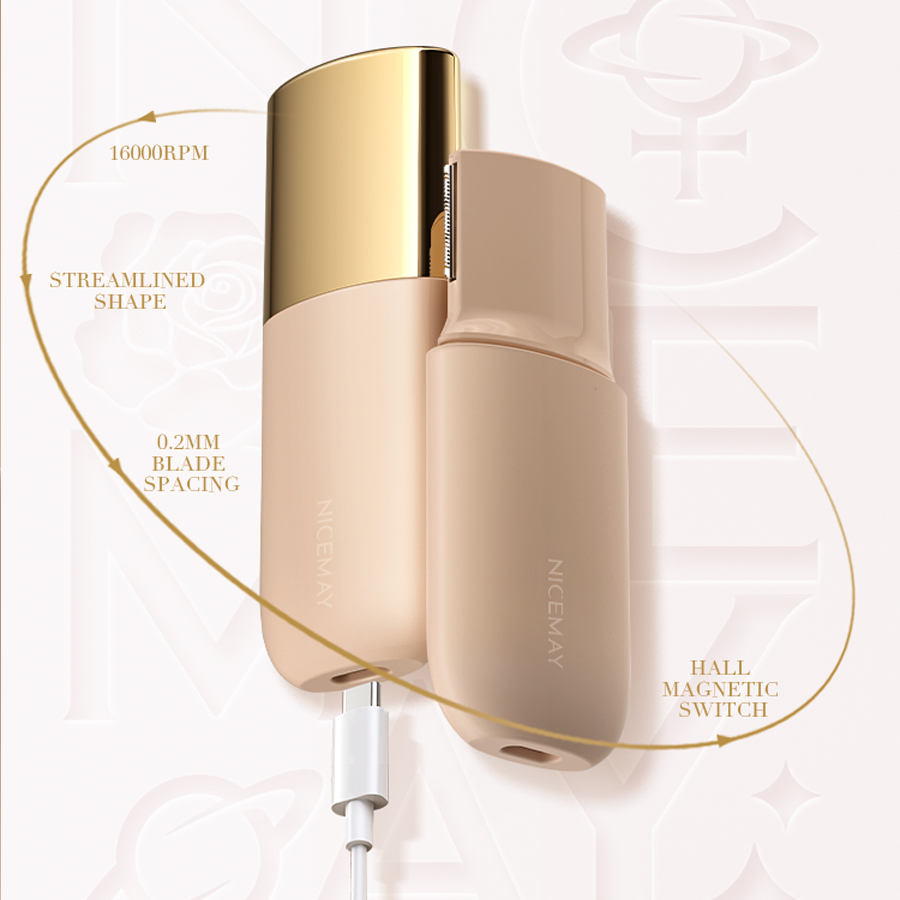
QM-2215

QM-1786

QM-1938
Key Factors to Consider Before Choosing Your Hair Removal Tool
The best tool for hair removal is not always the most technologically advanced one—it is the one that fits your lifestyle, pain threshold, skin profile, and grooming frequency. Here is how to weigh the factors that matter most.
1. How Long You Want Results to Last
If you want to spend a Sunday evening on a treatment and remain hair-free through the following week (and progressively longer as you continue your routine), an at-home hair removal device is your best investment. If you simply need smooth skin for this afternoon and can tolerate a quick touch-up every couple of days, an electric shaver removes that friction entirely.
2. Your Pain Tolerance
Epilators are honest about the sensation they produce—especially during the first few sessions. Most users describe it as comparable to waxing: sharp but brief, and significantly less intense over time. IPL produces a warm snapping sensation, often described as mild. Electric shavers produce zero discomfort. If pain is a dealbreaker, the choice is clear.
3. Your Skin Tone and Natural Hair Color
If you are considering an IPL device, your skin tone and hair color are critical compatibility factors. IPL works by targeting the melanin in dark hair against a lighter skin background. Those with very dark skin or light hair will not see the same results and may be better served by an epilator or electric shaver, both of which work on any combination of skin tone and hair color.
4. Upfront Investment vs Long-Term Value
A quality at-home IPL device typically costs between $200 and $600 at time of purchase—a significant outlay, but one that replaces years of salon waxing appointments that can cost $50 to $100 each. Electric shavers are far more affordable to buy, but their results require ongoing maintenance and their replacement heads add a recurring cost. Over a five-year horizon, an IPL device frequently delivers better value for people who use it consistently.
5. Body Area You Are Treating
Both categories of device work across multiple body zones, but certain tools are better suited to specific areas. Electric shavers generally handle contoured areas—such as underarms and the bikini line—better than IPL devices with large treatment windows. Epilators with specialized heads can treat the face with precision, while foil shavers excel on the flat planes of the leg and forearm.
FAQs About At-Home Hair Removal Device vs Electric Shaver Tool
IPLセッションの前に電気シェーバーを使用してもいいですか?
家庭用の脱毛において、エピレーターはIPLより効果的ですか?
電気シェーバーは家庭用機器と比べてどのくらいの頻度で使用する必要がありますか?
電動シェーバーは敏感肌でも安全ですか?
初心者にとって最適な家庭用脱毛器は何ですか?
家庭用脱毛機は顔に使用できますか?

フォームにメールアドレスを入力してください。すぐにお手伝いします!