


How Deep Does Red Light Therapy Penetrate Skin? (630nm, 660nm & 850nm Penetration Depth Guide)

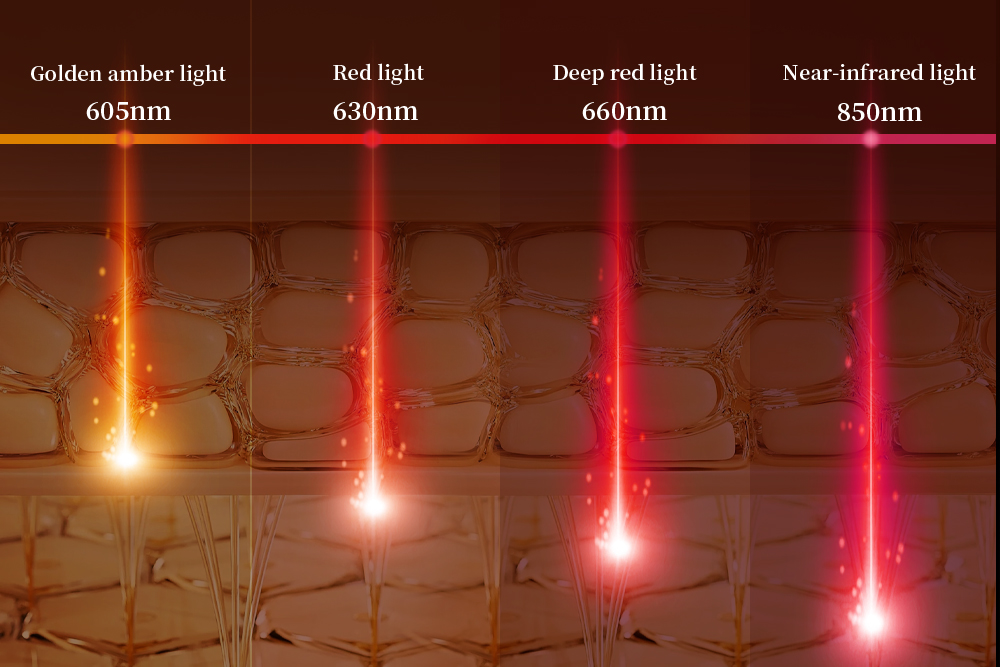
Red light therapy penetrates 2–10 mm into the skin, depending on the wavelength. 赤色光(630~660 nm) mainly reaches the dermis, where collagen and elastin are produced, supporting anti-aging and skin texture improvement. Near-infrared light (830–850 nm) penetrates deeper into subcutaneous tissue, enhancing circulation, reducing inflammation, and supporting tissue repair. These penetration depths enable effective photobiomodulation without heat or damage.
Understanding how light waves travel through the dermis is essential for effective treatment. Our comprehensive evaluation in the レッドライトセラピーマスク2026 guide explores how these penetration depths translate into real-world skin rejuvenation

Quick Summary: Penetration Depths
- 630 nm red light: ~1.8–2.5 mm (epidermis + superficial dermis) → improves tone, glow, and fine lines.
- 660 nm red light: ~2–5 mm (dermis focus) → stimulates collagen, reduces wrinkles, and enhances skin texture.
- 830–850 nm near-infrared: ~5–10 mm+ (mid-to-deep dermis & subcutaneous tissue) → increases firmness, boosts circulation, and supports deeper tissue repair.
Understanding light penetration in skin explains why quality red light therapy delivers visible anti-aging and healing benefits—light must reach the right layers to activate cells.
What Determines Red Light Therapy Penetration Depth?
Penetration depth is influenced by:
- 波長: Longer wavelengths penetrate deeper (NIR > red).
- Irradiance: Higher power ensures light reaches target layers.
- Skin contact: Direct contact maximizes absorption; distance reduces effectiveness.
- Tissue factors: Skin thickness, melanin content, and blood absorption affect light travel.
- Optical window: Red/NIR light (600–900 nm) minimizes scattering and absorption, allowing deeper penetration compared with blue or UV light.
Why Light Penetration Depth Is Limited?
Light in skin faces:
- Scattering: Diffusion by cells reduces energy delivery.
- Absorption: Melanin, hemoglobin, and water can absorb light.
赤色および近赤外線の波長 scatter less and absorb minimally, enabling deeper tissue penetration than shorter wavelengths like blue or UV light.
Does Red Light Therapy Reach the Dermis?
630–660 nm Red Light Penetration Depth
Visible red light targets the epidermis and dermis, making it ideal for surface-level concerns.
主な利点:
- 深さ: ~1.8–5 mm (typically 2–3 mm; up to ~10 mm in optimized studies)
- Cellular effects: Stimulates fibroblasts, ATP production, and collagen/elastin synthesis
- Visible results: Reduces fine lines, improves skin texture and tone, and diminishes redness
830–850 nm Near-Infrared Penetration Depth
Near-infrared light penetrates mid-to-deep dermis and subcutaneous tissue, complementing red light for comprehensive benefits.
利点:
- 深さ: ~4–10 mm+ (up to several centimeters in tissue models)
- Circulation & repair: Enhances microcirculation, reduces inflammation, and supports structural repair
- Layered benefits: Works with red light for both surface rejuvenation and deeper tissue support
For more on why LED technology delivers these wavelengths safely, see: なぜLED技術が赤色光療法マスクに使用されるのか?
Red Light Therapy Penetration Depth Chart
| 光の種類 / 波長 | 約の浸透深度 | 主な皮膚層 | 主な利点 |
|---|---|---|---|
| 青色光(約415 nm) | <1 mm | 表皮のみ | ニキビ菌をターゲットにします |
| 赤色光(630 nm) | 1.8~2.5 mm | 表皮 + 表在性真皮 | トーン、輝き、細かい線 |
| 赤色光(660 nm) | 2–5 mm(最大約10 mm) | 真皮 + 表在性皮下組織 | コラーゲンの増加、しわの軽減 |
| 近赤外線(830–850 nm) | 5–10 mm以上 | 中層から深層の真皮 + 皮下組織 | 弾力性、血行、深部修復 |
| このチャートは、赤色光と近赤外線光を組み合わせることで、単一波長療法よりも効果的である理由を示しています。. | |||
Can Red Light Therapy Reach Muscle or Fat Layers?
Yes. While 660 nm red light mostly targets the dermis (~2–5 mm), 830–850 nm near-infrared can reach subcutaneous fat and superficial muscle in tissue models. This supports recovery, reduces deep-seated inflammation, and improves circulation via enhanced cellular energy.
Do Red Light Therapy Masks Penetrate Deep Enough?
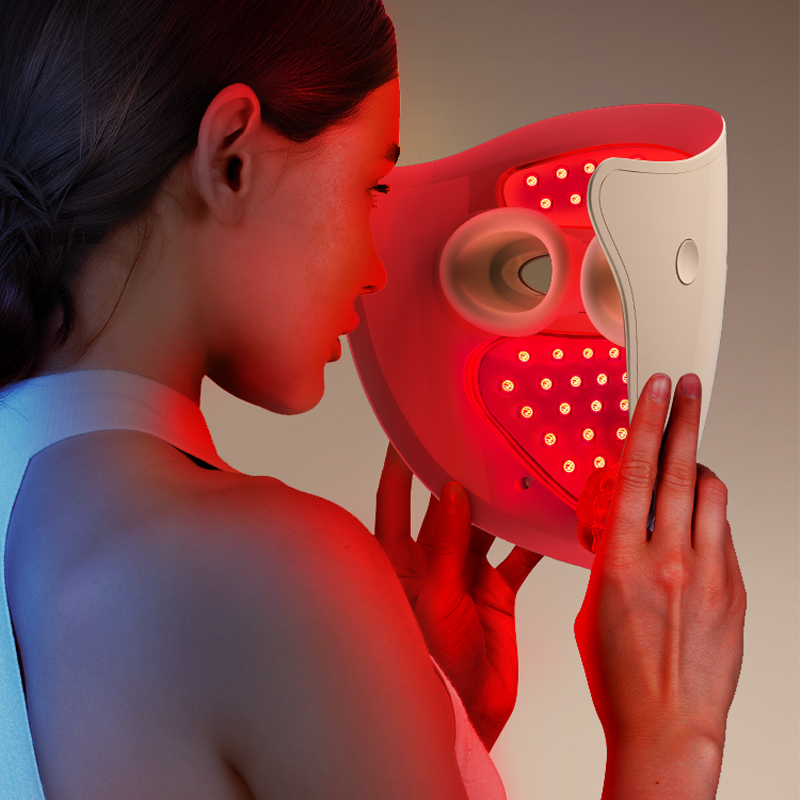
High-quality masks with 630–660 nm red + 830–850 nm NIR LEDs deliver therapeutic depths for facial skin rejuvenation. Masks work especially well on the face because:
- Facial skin is thinner, allowing easier light penetration
- Direct LED contact ensures optimal absorption
These devices can support collagen stimulation in the dermis and improve firmness in deeper layers safely.
臨床的証拠
Peer-reviewed research confirms these penetration ranges:
- Avci et al., 2013 (Seminars in Cutaneous Medicine and Surgery): Red light (630–660 nm) penetrates several millimeters to stimulate fibroblasts and collagen.
- Hamblin-related studies: NIR (830–850 nm) reaches deeper tissue for repair and anti-inflammatory effects.
- NASA LED research: Red and near-infrared light penetrate several millimeters into tissue and stimulate cellular energy production.
These findings show that precise wavelengths are crucial for achieving real skin benefits. These findings support why precise wavelengths drive real results. To see when penetration translates to visible changes, read: レッドライトセラピーマスクで効果が現れるまでの期間は??.
Best Practices for Maximum Penetration
-
使用する direct skin contact (clean, no barriers)
-
確保してください irradiance ≥30 mW/cm²
-
適用 10–20 min sessions, consistently
-
Consult a dermatologist if photosensitive or using light-sensitizing medications
プロのヒント: Not all devices deliver sufficient irradiance. Check manufacturer specs to ensure the light reaches the dermis and subcutaneous layers for effective results.
結論
Red light therapy effectively penetrates skin to stimulate collagen, improve tone, reduce wrinkles, and support deeper tissue repair. 630–660 nm red light focuses on dermal rejuvenation, while 830–850 nm NIR targets deeper layers for firmness and circulation. By choosing devices with both wavelengths, maintaining proper contact, and following consistent sessions, you can achieve science-backed, visible skin improvements.
フォームにメールアドレスを入力してください。すぐにお手伝いします!