ニキビにフェイスブラシを使用する際に、皮膚科医は何と言っているか

ハンナ・エリーゼ・シュナイダー博士
ハンナ・エリーゼ・シュナイダー博士

Dermatologists are cautiously optimistic about face brushes for acne-prone skin—but with important caveats. Used correctly on mild, non-inflamed acne, a face brush can enhance cleansing and improve the delivery of topical treatments. Used incorrectly, it can inflame breakouts, damage the skin barrier, and spread bacteria. Here is exactly what board-certified dermatologists recommend before you reach for yours.

Do Dermatologists Recommend Face Brushes for Acne-Prone Skin?

The short answer from most dermatologists is: it depends on the type of acne you have. Facial cleansing brushes are not universally contraindicated for acne, but they are far from universally appropriate. The distinction between different types of acne is where dermatologist recommendations diverge most sharply.

When a Face Brush Can Be Beneficial for Acne

Dermatologists generally agree that for individuals with comedonal acne—characterized by blackheads and whiteheads without significant inflammation—a face brush can offer meaningful benefits. The mechanical exfoliation these devices provide helps lift dead skin cells, excess sebum, and surface debris more efficiently than fingertips, which translates to less pore congestion over time.

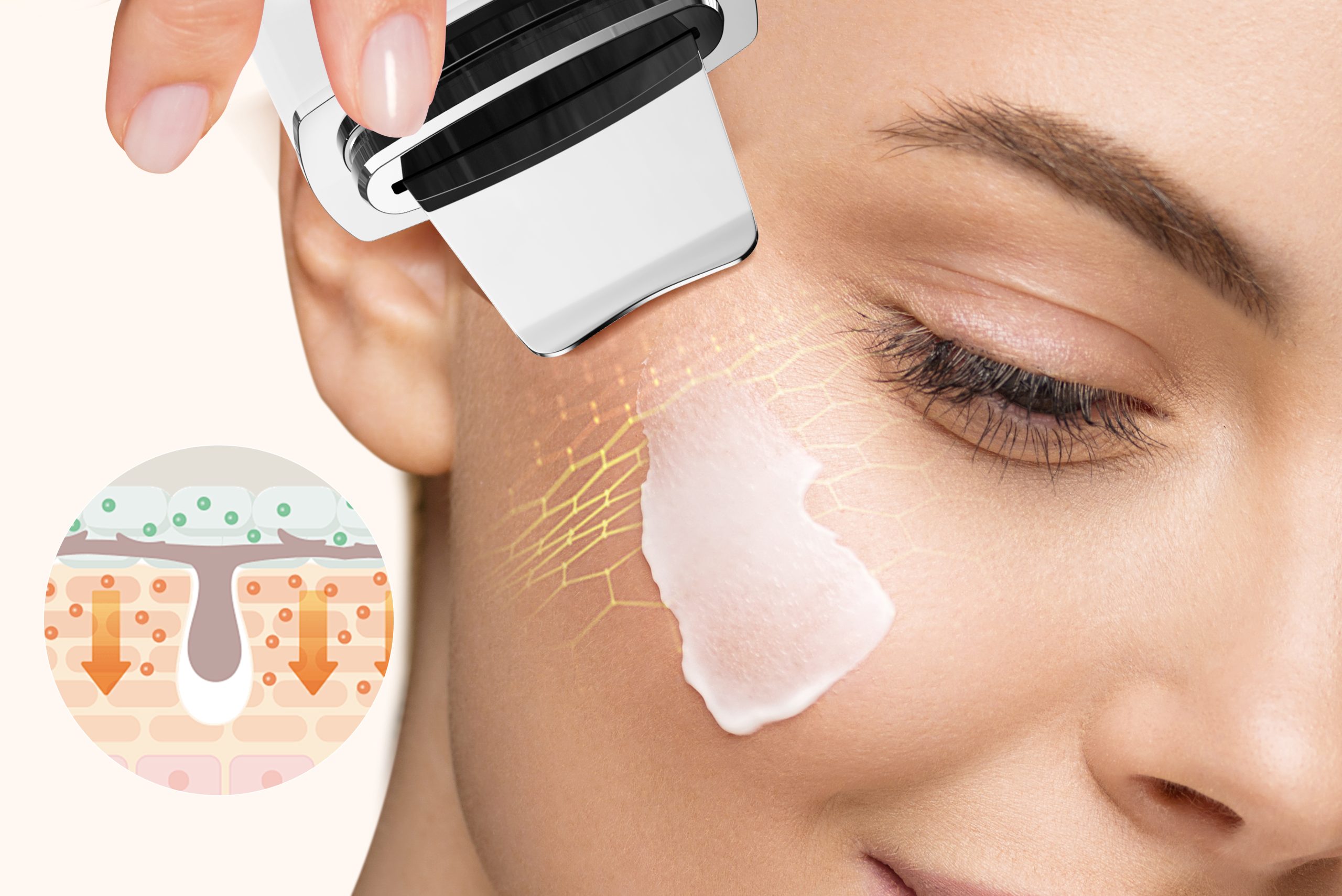
Beyond surface cleansing, a well-used face brush creates an optimized canvas for topical acne medications. When the skin surface is cleaner, ingredients such as benzoyl peroxide, salicylic acid, and retinoids can penetrate more evenly and reach their target depth within the follicle. This is a clinically meaningful advantage: even a modest improvement in topical drug delivery can make a noticeable difference in treatment outcomes.

“The mechanical action of a cleansing brush can enhance the efficacy of leave-on acne treatments by optimizing penetration—but only when the skin surface is non-inflamed and the barrier is intact.”

— Consensus position, board-certified dermatologists

When Dermatologists Say to Avoid a Face Brush for Acne

The picture changes dramatically for inflammatory acne. Papules, pustules, nodules, and cystic acne lesions are not just aesthetically different from comedones—they represent active infection and inflammation within the follicle. Applying mechanical friction to these lesions carries real risks that dermatologists take seriously.

Dermatologist Warning

Never use a face brush directly over active pustules, cysts, or open lesions. Mechanical abrasion can rupture inflamed follicles beneath the skin surface, spread アクネ菌(Cutibacterium acnes) bacteria to adjacent pores, and trigger post-inflammatory hyperpigmentation in predisposed skin types.

Cystic acne, in particular, is a category where dermatologists are unanimous: face brushes are contraindicated. These deep, painful nodules involve significant dermal inflammation, and any additional mechanical stimulation risks worsening the inflammatory cascade. People with moderate-to-severe inflammatory acne are routinely counseled to skip mechanical exfoliation entirely and focus on gentle, non-abrasive cleansing while their prescription treatments do the heavy lifting.

The Dermatologist-Approved Way to Use a Face Brush for Acne

If your acne profile makes you a candidate for a face brush, technique is everything. Dermatologists emphasize that most of the damage caused by cleansing brushes is the result of incorrect use rather than the devices themselves. The following principles reflect the clinical consensus on safe, effective technique.

Frequency: Less Is More

Dermatologists consistently recommend starting with one to two uses per week for acne-prone skin. This frequency allows you to assess your skin’s tolerance without risking over-exfoliation, a state in which the stratum corneum becomes thinned and compromised. An over-exfoliated barrier is paradoxically worse for acne: it triggers a compensatory increase in sebum production and leaves skin vulnerable to environmental irritants and bacterial infiltration.

If your skin tolerates once or twice weekly use without increased redness, tightness, or breakouts after four to six weeks, some dermatologists permit a gradual increase to three times per week—but this remains the upper limit even for resilient skin types. If you are unsure how often your skin can handle mechanical exfoliation, the guide on How Often Should You Use a Facial Cleansing Brush? provides a structured framework for determining the right schedule based on your skin type and current routine.

Pressure and Motion: Let the Device Do the Work

One of the most common mistakes dermatologists observe is pressing too firmly. Cleansing brushes are engineered to cleanse effectively at the lightest touch; any pressure beyond gentle contact converts a cleansing tool into an abrasive one. The recommended technique is to allow the bristles or silicone nubs to make passive contact with the skin while moving the device in small, overlapping circular motions.

Each zone of the face should receive no more than 20 to 30 seconds of brush contact. Focus on the T-zone, where sebaceous glands are most active and blackheads most common, while keeping the brush away from any inflamed lesions regardless of their location on the face.

Cleanser Compatibility: What You Use with the Brush Matters

Dermatologists advise using a gentle, sulfate-free, non-comedogenic cleanser with a face brush for acne. Pairing a brush with a harsh cleanser compounds the stripping effect on the barrier. Equally important: avoid combining brush use with high-concentration leave-on exfoliants—such as 10% glycolic acid or high-strength salicylic acid—on the same days. The combination creates an exfoliation load the skin barrier cannot recover from within a standard daily cycle.

Dermatologist Tip

Use your face brush only on cleanser days when you plan to apply a hydrating serum or lightweight moisturizer afterward—not on nights when you are applying prescription retinoids, benzoyl peroxide, or strong chemical exfoliants. This spacing prevents barrier overload.

What Skin Types Should Approach with Extra Caution?

Certain skin types require additional care even within the framework of mild, non-inflammatory acne. Dermatologists flag the following groups as needing modified protocols or alternatives:

Skin Type / ConditionDermatologist Guidance
Sensitive skin with mild acneUse a soft-bristle or silicone brush only; limit to once per week
Oily skin with comedonal acneMost compatible group; can increase to 2-3x per week gradually
Dry skin with acneUse with extreme caution; prioritize barrier repair over exfoliation
Rosacea with acne-like papulesAvoid mechanical brushes; rosacea-related papules are not comedonal acne
Post-inflammatory hyperpigmentationUse only over non-active areas; aggressive exfoliation worsens PIH

For individuals with sensitive skin who want the benefits of a cleansing brush without the risk of irritation, the detailed comparison in 敏感肌に最適なフェイシャルクレンジングブラシ covers the specific bristle types, material considerations, and device features that dermatologists recommend for reactive, easily-irritated complexions.

Hygiene Rules Dermatologists Insist On for Acne-Prone Users

Even the most gentle, correctly applied face brush routine will backfire if hygiene is neglected. For acne-prone skin in particular, brush hygiene is non-negotiable—because the device that clears bacteria from your pores today can redeposit a concentrated colony of it tomorrow if not properly maintained.

Cleaning the Brush Head After Every Single Use

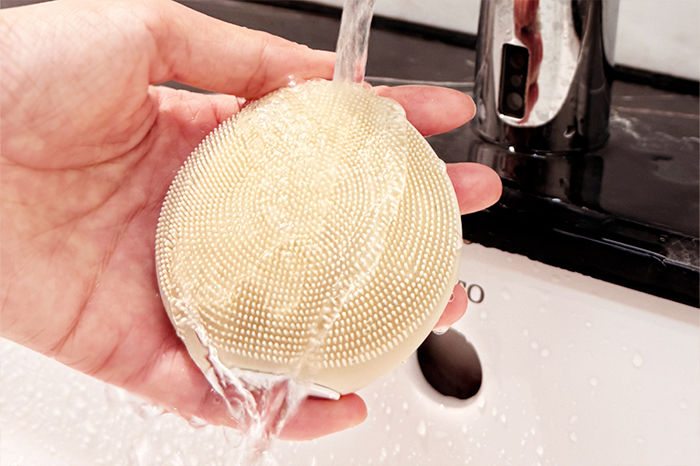
Dermatologists are unambiguous on this point: the brush head must be cleaned after every use, not weekly or when it looks dirty. After each session, rinse the bristles thoroughly under warm running water, work a small amount of gentle soap or antibacterial cleanser through them, rinse again, and store the brush upright in a well-ventilated area so it can dry completely before its next use. A damp brush stored horizontally is a reliable incubator for bacterial and fungal growth.

Recommended Brush Cleaning Protocol

  1. Rinse brush head under warm running water immediately after use
  2. Apply a small drop of gentle cleanser or rubbing alcohol to the bristles
  3. Work the cleanser through the bristles with fingertips for 15–20 seconds
  4. Rinse thoroughly until water runs clear
  5. Shake off excess water; store upright or hang bristles-down to air dry
  6. Never store in a closed or sealed container while damp

Replacing Brush Heads on Schedule

Even with diligent daily cleaning, brush bristles degrade with repeated use. Dermatologists recommend replacing brush heads every 60 to 90 days. Worn bristles lose their structural integrity—they become frayed and scratchy, increasing the risk of microabrasions on the skin surface. Those microscopic injuries are entry points for bacteria, which is the last thing acne-prone skin needs. Mark the date of installation on the brush head or set a phone reminder; this simple habit prevents one of the most overlooked sources of breakout reactivation.

Never Share a Face Brush

Sharing a face brush is inadvisable for any skin type, but for acne-prone skin it constitutes a direct transfer of bacterial populations between users. Cutibacterium acnes strains vary between individuals, and introducing a different strain onto your skin can trigger a new wave of breakouts even if your existing microbiome was previously balanced. Each person in a household should have their own dedicated brush head at minimum, or their own device entirely.

Silicone vs. Bristle Brushes: Which Do Dermatologists Prefer for Acne?

The material from which a cleansing brush is made has a significant bearing on its suitability for acne-prone skin. Dermatologists increasingly favor silicone scrubbers over traditional nylon or synthetic bristle brushes for several well-reasoned clinical grounds.

Why Silicone Is Often the Safer Choice

Silicone is a non-porous material, meaning it does not harbor bacteria, fungi, or residual skincare product between uses the way bristle fibers do. Even with thorough cleaning, bristle brushes retain moisture within the fiber matrix, creating microenvironments where microbial growth can persist. Silicone’s surface resists colonization by pathogenic organisms and dries rapidly—two properties that matter enormously for acne-prone skin.

From a mechanical standpoint, silicone nubs deliver a gentler form of exfoliation than bristles. The flexibility and rounded tips of silicone nodules distribute pressure more evenly across the skin surface rather than concentrating it at fiber tips, reducing the risk of microabrasions.

When Bristle Brushes Are Still Used

Not all dermatologists dismiss bristle brushes outright. For oily skin with purely comedonal acne and a well-established skin barrier, a soft ultra-fine bristle brush—used with light pressure and appropriate frequency—can still deliver effective cleansing. The key qualifiers are bristle softness (look for “ultra-soft” or “sensitive” designated bristles), short contact time, and scrupulous cleaning discipline.

Clinical Takeaway

If you are choosing your first face brush for acne-prone skin, silicone is the lower-risk starting point recommended by most dermatologists. Reserve bristle options for situations where a silicone brush has proven insufficient and your skin has demonstrated tolerance.

Common Mistakes That Dermatologists See Acne Patients Make

Clinical dermatologists who address skincare habits in practice observe recurring patterns of misuse that predictably worsen acne. Recognizing these mistakes is as important as understanding the correct protocol.

Using the Brush on Active, Inflamed Breakouts

This remains the single most consequential error. Many people assume that mechanical cleansing will accelerate the resolution of an active pimple—in practice, the opposite occurs. Friction over an inflamed papule or pustule increases local blood flow and inflammatory mediator activity, enlarges the lesion’s footprint, and risks rupturing the follicular wall, which deepens the inflammatory response and elevates scarring risk.

Treating the Brush as a Daily Step

A face brush is a supplemental exfoliation tool, not a daily cleanser replacement. Treating it as a nightly essential leads to chronic over-exfoliation: a persistently stripped barrier, reactive sebum overproduction, and skin that never fully recovers between sessions. Dermatologists categorize daily brush use in the same risk bracket as daily physical scrub use—inadvisable for virtually all acne-prone skin types.

Combining the Brush with Acne Actives on the Same Day

Using a face brush the same morning or evening as high-potency actives—prescription-strength benzoyl peroxide, adapalene, tretinoin, or concentrated salicylic acid—dramatically increases skin irritation risk. Each of these interventions individually stresses the skin barrier; used in combination on a single day, they compound into a level of barrier disruption that triggers rebound inflammation and breakouts. Dermatologists typically recommend alternating days: brush days and active ingredient days should not overlap.

Frequently Asked Questions: Face Brushes and Acne

Can a face brush cause acne to spread?
Yes—if the brush is used over active inflammatory lesions or if the brush head is contaminated. Mechanical friction can rupture inflamed follicles and physically redistribute Cutibacterium acnes to adjacent pores. This is why dermatologists restrict brush use to non-inflamed skin areas and require strict post-use cleaning.
It can be effective for non-inflamed blackheads (open comedones). The gentle exfoliation helps loosen oxidized sebum plugs at the surface and prevents new comedones from forming. It is not a substitute for chemical exfoliants like BHA (salicylic acid), which penetrate into the follicle, but it complements them well when used on separate days.
Dermatologists recommend a gentle, pH-balanced, sulfate-free, non-comedogenic cleanser. A foaming or gel cleanser formulated for acne-prone skin is appropriate, but avoid cleansers containing physical scrub particles—those combined with brush exfoliation create excessive abrasion.
Discuss this with your prescribing dermatologist, as it depends on the medication. Topical retinoids and some topical antibiotics increase skin sensitivity; combining them with mechanical exfoliation frequently causes irritation. If your dermatologist approves brush use, alternate days are strongly advised.
Consistent, correct use typically yields visible improvement in skin texture and reduced comedonal acne within four to eight weeks. Inflammatory acne requires a separate treatment strategy; a face brush alone will not resolve active breakouts and is not a treatment device—it is a cleansing aid.
共有:
フェイスブック
ツイッター
LinkedIn
VK
ワッツアップ
Tumblr
レディット
何か質問がありますか?

フォームにメールアドレスを入力してください。すぐにお手伝いします!

Nicemayを始める

以下のフォーム情報にご記入ください。必要な内容をお知らせください。できるだけ早く返信いたします。.

NICEMAYビューティーデバイスの最新卸売価格とOEMソリューションを入手

お客様のニーズに基づいたカスタマイズ仕様と段階的価格設定を提供し、迅速な対応時間は10分です。.