

630nm対660nmの赤色光:LEDマスクでこれらの波長が最適とされる理由

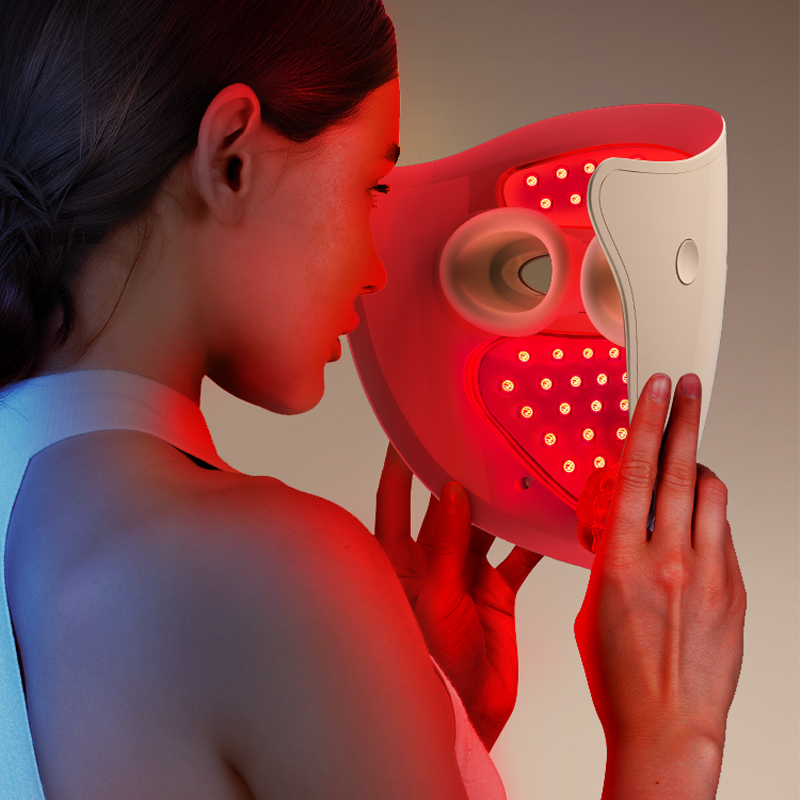
なぜ高品質の LEDフェイスマスク を使用することができます。 630nmと660nmの赤色光波長がほぼすべて であるのか?これら2つは、浸透深度、強力な細胞活性化、そして一貫したアンチエイジング効果の理想的な組み合わせを提供する、 肌をターゲットにした赤色光療法 赤色光療法 に最適な波長として際立っています。臨床研究に裏打ちされており、コラーゲン生成を効果的に刺激し、しわを減らし、肌の質感を改善します。これにより、現代の.
顔のリジュビネーションデバイス.

で定番の選択肢となっています。
その人気は偶然ではありません。630nmは赤みや炎症などの表面的な悩みに対応し、660nmはより深い層に到達してハリを再構築します。これらを組み合わせることで、単一波長や他の赤色光オプションを凌駕する包括的なメリットが得られます。 なぜ630nmと660nmの赤色光がLEDマスクで主流なのか であるのか?これら2つは、浸透深度、強力な細胞活性化、そして一貫したアンチエイジング効果の理想的な組み合わせを提供する、 in LEDフェイスマスク 630nmと660nm
- 波長630nmは、リジュビネーションに最適な皮膚層に浸透するため、.
- 660nmと見なされています。.
:表皮と真皮上部に作用し、炎症、赤みを軽減し、バリア修復をサポートします。 :真皮中層に深く到達し、線維芽細胞を刺激してコラーゲンとエラスチンの生成を増加させます。 これらを組み合わせることで、.
赤色光療法波長 レッドライトセラピーマスク2026, において、浸透、細胞活性化、そして目に見えるアンチエイジング効果の最も効果的なバランスを肌に提供します。.
630nmと660nmがスキンセラピーに最適な理由
肌の赤色光療法波長 特に600〜700nmの範囲の波長は、肌に対して非常に効果的です。 光バイオモジュレーション. これらは、ミトコンドリア電子伝達系におけるシトクロムcオキシダーゼ(複合体IV)に強く吸収されます。この相互作用により、電子伝達が加速され、ATP合成が20〜150%増加し(投与量と細胞タイプによる)、ストレスを受けた細胞の活性酸素種が減少し、SOD2、カタラーゼ、および様々なコラーゲン関連転写産物などの保護遺伝子がアップレギュレーションされます。.
これらの2つの波長は、シトクロムcオキシダーゼの2番目の吸収ピーク(約620〜680nm)上またはその近傍に位置しており、このピークから離れた波長と比較して優れた効率を発揮します。.
630nm赤色光:表層の肌の悩みに最適
630nmの赤色光 は、白人肌で約1〜4.5mm、メラニン吸収により肌の色が濃い場合はそれよりも浅く浸透します。. 主に以下の組織に影響を与えます:
- 表皮のケラチノサイトとランゲルハンス細胞
- 乳頭真皮の表層血管とマスト細胞
一般的な臨床効果には以下が含まれます:
- 4〜6週間で炎症後紅斑が20〜40%減少
- ニキビ丘疹や膿疱の治癒促進(青色光と併用されることが多い)
- 角質層の水分量と経皮水分損失(TEWL)値の改善
- 炎症性サイトカイン(IL-1β、IL-6、TNF-α)の軽度なダウンレギュレーション
660nm赤色光:より深いコラーゲン刺激に優れる
660nmの赤色光 は5〜10mmの浸透度を達成します(メラニン含有量と皮膚の厚さによって変動します)。以下の組織に到達します:
- 網状真皮線維芽細胞
- より深い血管叢
- 皮下脂肪に隣接する構造物の限定的な範囲
記録された生物学的反応には次のものが含まれる:
- 線維芽細胞培養におけるプロコラーゲンタイプIの産生が1.5〜3倍増加
- マトリックスメタロプロテイナーゼ阻害剤(TIMP-1、TIMP-2)のアップレギュレーション
- 真皮の厚さの測定可能な増加(超音波検査で8〜12週間後に0.1〜0.3mm)
- 細胞外マトリックスにおけるエラスチンとフィブリリン-1の発現増加
630nm対660nmの赤色光:主な違い
| 波長 | おおよその浸透深度(色白の方の場合) | 主な細胞ターゲット | 最も一貫した臨床結果(8〜12週間後) | 研究で使用される一般的なエネルギー量 |
|---|---|---|---|---|
| 波長630nm | 1〜4.5mm | 表皮+乳頭層真皮 | 赤み25〜45%減少、ニキビ炎症減少、バリア機能向上 | 1回あたり4〜12J/cm² |
| 660nm | 5〜10mm | 中層・網状真皮線維芽細胞 | コラーゲン密度20〜36%増加、しわの深さ25〜38%減少、ハリ向上 | 1回あたり6〜15 J/cm² |
LEDフェイスマスクの両方を使用すると層状の効果が生まれる:630nmによる表面の鎮静と660nmによる構造の再構築—より豊かで迅速な結果をもたらす。.

これらの赤色光波長は皮膚細胞でどのように働くのか?
630nmと660nmの赤色光 はシトクロムc酸化酵素によって吸収される → 阻害性一酸化窒素の解離 → シトクロム酸化酵素活性の回復 → ミトコンドリア呼吸の促進 → ATPの増加 → サイクリックAMPとカルシウムシグナルの活性化 → 転写因子の活性化(CREB、AP-1、NF-κBの調節) → 次の発現が増加:
- COL1A1、COL3A1(コラーゲンタイプIおよびIII)
- ELN(エラスチン)
- HAS2(ヒアルロン酸合成酵素)
- SOD2、CAT(抗酸化酵素)
このカスケードは、慢性的な低度の炎症を抑えつつ、細胞外マトリックスのリモデリングを促進し、目に見える肌の若返りの基礎を築く。これらの細胞プロセスについて詳しく知るには、次を読む: 赤色光スキンセラピーの生物学的メカニズム.
630nmおよび660nmの赤色光を用いたLEDマスクの臨床証拠
選択された高品質な研究:
- Wunsch & Matuschka (2014年、Photomed Laser Surg): 611–650 nm範囲、週2回×30回 → 25.9%しわ改善、14.7%肌のざらつき改善, 、生検によるコラーゲン増加が顕著。.
- Namら (2017年): 660 nm LED、20 J/cm²、週3回×12週間 → 31.6%平均しわ体積減少 (VISIA分析)、超音波による真皮厚の増加。.
- Leeら (2007年): 633 nm、累積126 J/cm² → 12週間後にカラスの足のしわが38.3%減少。.
- Baroletら (2009年): 630 nmパルスプロトコル → ヒト皮膚培養片でIL-1βおよびMMP-1の有意なダウンレギュレーション、コラーゲン前駆体のアップレギュレーション。.
- メタアナリシス (2021年、Lasers Med Sci): 620–670 nmの波長は、可視赤色波長の中で最も高い効果サイズを示し、しわの減少とコラーゲン密度の向上に効果的。.
これらの結果は、 その人気は偶然ではありません。630nmは赤みや炎症などの表面的な悩みに対応し、660nmはより深い層に到達してハリを再構築します。これらを組み合わせることで、単一波長や他の赤色光オプションを凌駕する包括的なメリットが得られます。 皮膚応用において 赤色光療法の最適な波長を探し リードである理由を裏付けている。.
顔用LEDマスクの他の波長との比較
- 590–610 nm: 主に表皮、線維芽細胞反応は弱い、主に光動態療法の感作剤に使用
- 810–850 nm(近赤外線):20–50 mmの浸透 → 筋肉や関節にはより適しているが、表層の真皮コラーゲンには効果が低い
- 415 nm(青色):アクネ菌のポルフィリン活性化、抗老化効果はほとんどない
のみ 630~660 nm 一貫して顔の生物学的効果と工学的実用性の両方を最適化 顔用LEDマスクの波長 アプリケーション。.
適切なLEDフェイスマスクの選び方は?
次の機能を含むデバイスを探してください 630nmと660nmの両方 LED(理想的には660nmを優先した1:1または2:1の比率)。最小推奨事項:
- 皮膚接触距離での照度 ≥ 20 mW/cm²
- 均一なビームパターン(ホットスポットを避ける)
- 可能な限りFDA承認のクラスII指定
- セッションタイマーと自動シャットオフ
- 目の保護(内蔵またはゴーグル)
最初の8〜12週間は週に4〜6回、一貫して使用し、その後はメンテナンスのために週3〜4回。頻度や長期安全性のヒントについては、 赤色光療法マスクは毎日使用しても安全かどうか.
LEDマスクの630nmと660nmの赤色光に関するFAQ
赤色光療法に最適な波長は何ですか?
皮膚には630nmと660nmのどちらがより適していますか?
なぜLEDフェイスマスクは630nmと660nmを組み合わせているのですか?
630nmおよび660nmの赤色光はシワに効果的ですか?
結論
結論として、630nmと660nmの赤色光の比較は、これらがLEDフェイスマスクを支配している理由を浮き彫りにします:比類のない研究支援、正確な肌ターゲットの浸透、信頼できるエンジニアリング。両方を備えた高品質なマスクを選ぶことで、より滑らかで引き締まった輝く肌への最も証拠に基づく道筋を確保します。.
フォームにメールアドレスを入力してください。すぐにお手伝いします!