민감한 피부를 위한 최고의 페이셜 클렌징 브러시
식품의약품안전청(FDA) best facial cleansing brush for sensitive skin is a sonic silicone device—specifically one with soft, non-porous touchpoints that deliver gentle oscillation rather than abrasive rotational friction. Medical-grade silicone resists bacterial colonization, dries quickly, and generates zero micro-tears on reactive skin. For sensitive skin types, the right brush doesn’t just clean more effectively than hands alone—it does so without triggering the inflammation, tightness, or barrier disruption that poorly chosen devices cause.
| QUICK PICS: BEST BRUSHES FOR SENSITIVE SKIN | |
|---|---|
| Best Overall | FOREO LUNA 4 — Sonic silicone, dermatologist-recommended, lifetime head |
| Best Budget Pick | EZBASICS Facial Cleansing Brush — Silicone, 5 speeds, under $20 |
| Best for Rosacea | PMD Clean Pro — Dual-sided silicone, ultra-low vibration settings |
| Best Manual Option | EcoTools Bristle Facial Brush — Ultra-soft natural bristles, zero motor force |
| Best for Dry + Sensitive | Magnitone BareFaced 2 — Gentle sonic silicone optimized for dehydrated skin |
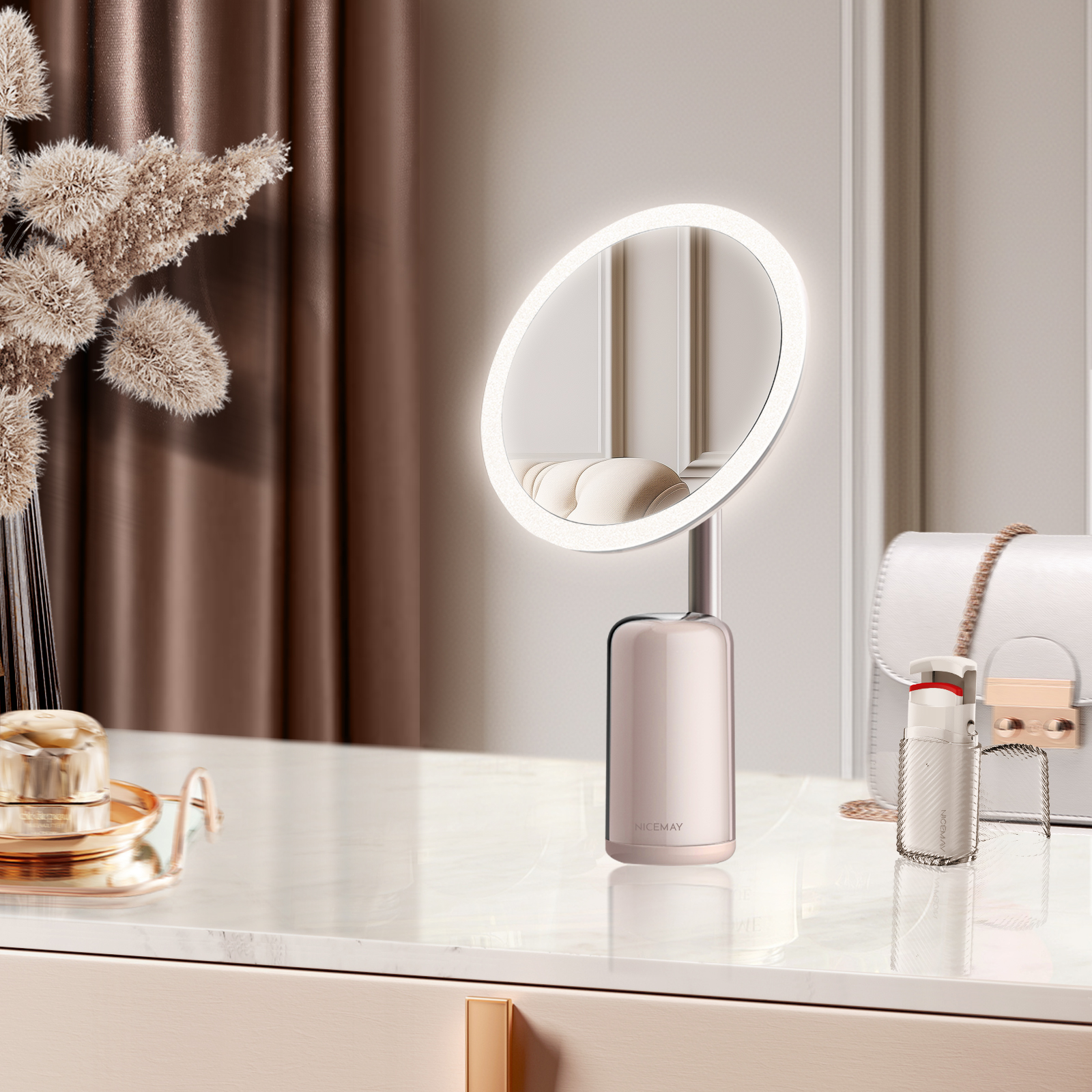
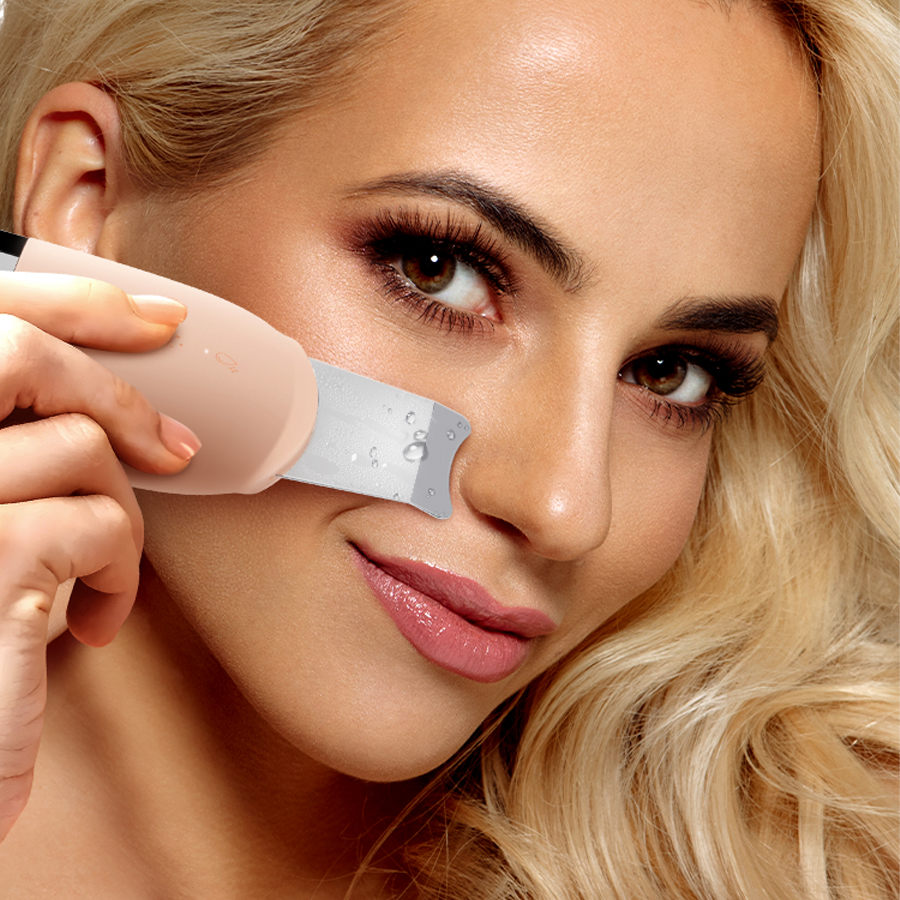
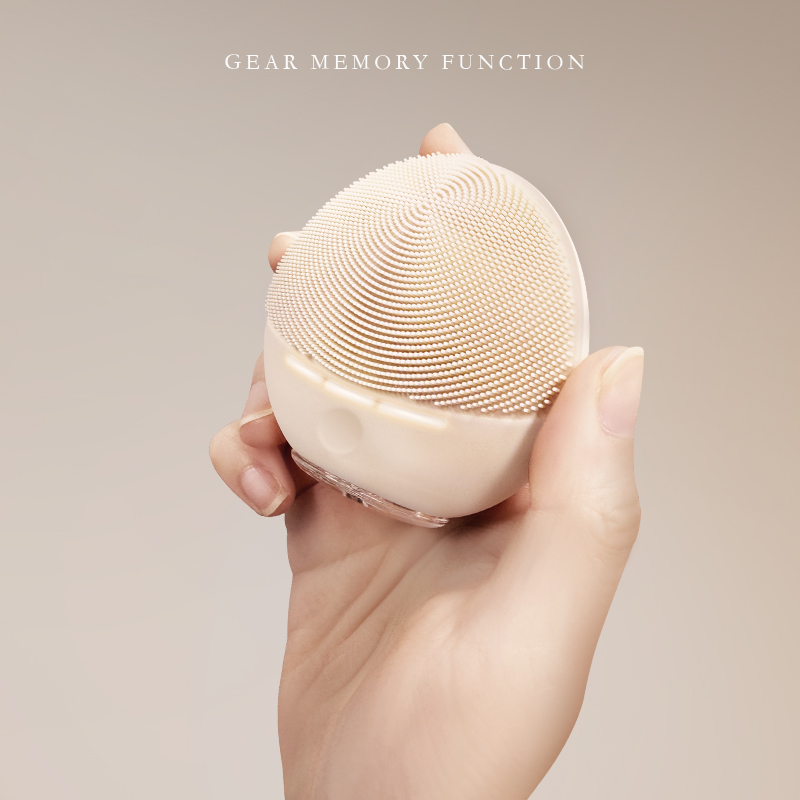
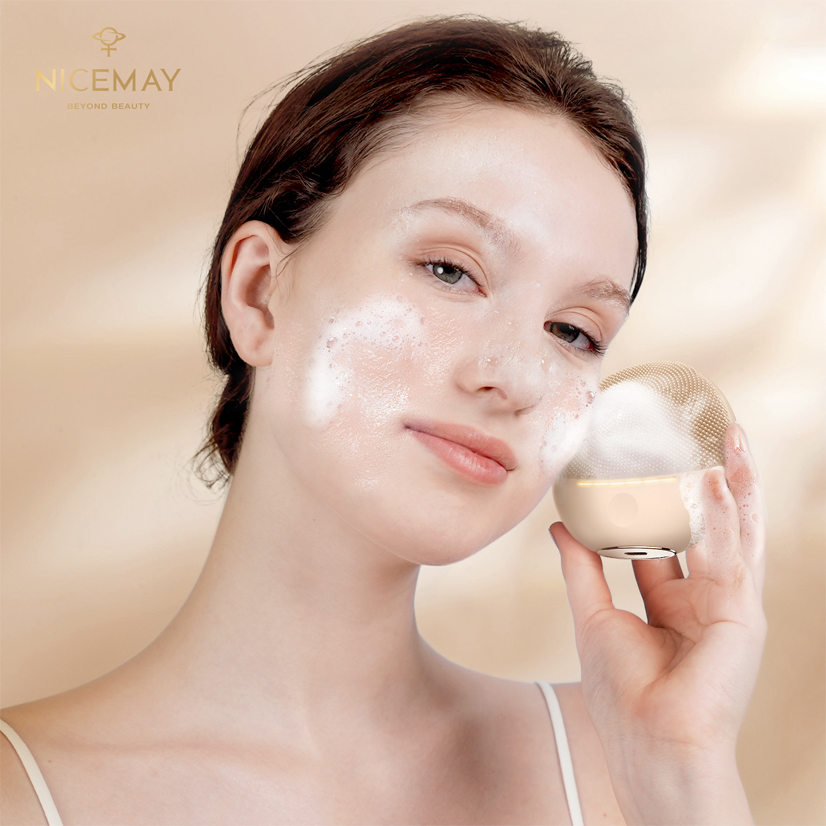
| Best for sensitive skin | NICEMAY MR-1931 Facial Cleansing Brush & Eye Massager |
Why Sensitive Skin Needs a Different Kind of Facial Cleansing Brush
Sensitive skin is not simply skin that reacts to strong ingredients—it describes a skin type with a structurally compromised or inherently thinner stratum corneum that responds disproportionately to both chemical and physical stimuli. For this skin type, the choice of cleansing brush material and technology is not a preference—it is a clinical consideration that determines whether the device helps or actively worsens skin condition over time.
The Material Problem: Why Standard Bristle Brushes Fail Sensitive Skin
Traditional nylon bristle cleansing brushes—even those marketed as “soft”—create a mode of mechanical contact that is fundamentally incompatible with sensitive skin’s tolerance threshold. The concentrated pressure at each bristle tip generates localized friction forces sufficient to disrupt the intercellular lipid matrix of a compromised stratum corneum, causing microscopic barrier damage that manifests as tightness, redness, and heightened product sensitivity.
This is compounded by hygiene: nylon fibers are semi-porous and retain moisture after rinsing, creating ideal conditions for microbial colonization. Introducing a bacterially contaminated brush to reactive skin—particularly to skin with rosacea-associated vascular instability or acne-adjacent breakouts—risks inflammatory flares that undo weeks of careful skincare management.
Why Medical-Grade Silicone Is the Clinical Standard for Reactive Skin?
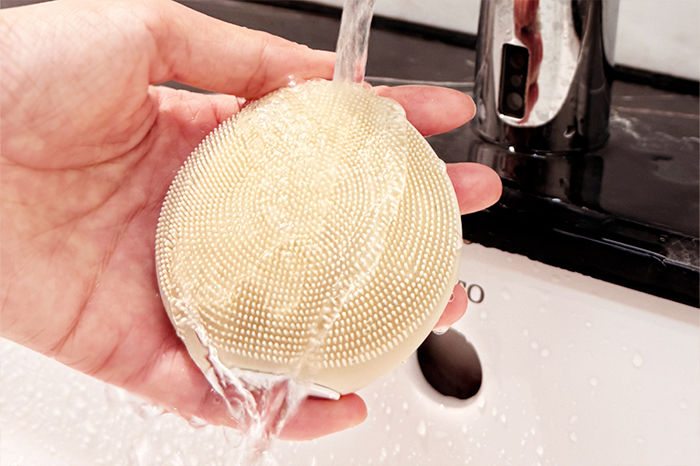
Medical-grade silicone solves both problems simultaneously. Its non-porous molecular structure provides no substrate for bacterial attachment or moisture retention, making a properly rinsed silicone head hygienically superior to any bristle alternative after every single use—without requiring head replacement on a schedule. The broader, softer contact surface of silicone touchpoints distributes any applied pressure across a wider skin area, dramatically reducing the localized friction intensity that disrupts sensitive skin’s barrier.
Sonic silicone devices—which generate vibration rather than rotation—add a further dimension of compatibility: the oscillation loosens debris and enhances cleanser performance through fluid dynamics rather than mechanical scrubbing, meaning effective deep cleansing is achieved with near-zero abrasive force. For sensitive skin, this is not a minor distinction. It is the difference between a device that clears congestion and one that triggers chronic inflammation.
Clinical studies examining sonic facial cleansing device use in patients with diagnosed dermatological conditions—including rosacea and seborrheic dermatitis—have demonstrated safe, effective use when silicone heads and appropriate frequency parameters are maintained. No equivalent research supports bristle brush safety in these populations.
What to Look for in the Best Facial Cleansing Brush for Sensitive Skin?
| 특징 | Sensitive Skin Requirement | 중요한 이유 |
|---|---|---|
| Brush Head Material | Medical-grade silicone only | Non-porous, hypoallergenic, no micro-tear risk, structurally hygienic |
| Motion Type | Sonic vibration (not rotation) | Oscillation cleans via fluid dynamics; rotation generates friction that disrupts reactive skin |
| Intensity Settings | Multiple low-end settings required | Sensitive skin needs precise calibration; devices with only medium/high settings are unsuitable |
| Vibration Frequency | Adjustable; lower end appropriate | Excessive frequency overwhelms sensitive skin; gradual introduction at low settings is essential |
| 방수 처리 | Full IPX7 waterproofing preferred | Allows in-shower use where warm water pre-softens skin and reduces any friction resistance |
| Head Replacement | Lifetime silicone heads preferred | Eliminates recurring cost and the hygiene gap between head replacement cycles |
| Surface Texture | Smooth nubs or fine ridges; no stiff points | Stiff or dense touchpoint geometry replicates bristle contact — unsuitable for reactive skin |
The distinction between silicone and bristle brush heads goes far beyond surface-level comparison. For a comprehensive breakdown of how these two materials differ in exfoliation depth, hygiene, and long-term skin barrier safety, our in-depth analysis of 실리콘 vs. 브리슬 페이셜 클렌징 브러시: 어느 것이 더 좋을까? covers every dimension that matters for your specific skin type and goals.
Best Facial Cleansing Brushes for Sensitive Skin: FOREO LUNA 4
The FOREO LUNA 4 represents the current benchmark for sensitive skin cleansing technology. Its ultra-soft silicone touchpoints generate T-Sonic™ pulsations—oscillations that clean through precisely calibrated fluid agitation rather than any abrasive rotational contact. With 16 intensity levels accessible through the FOREO app, users can begin at effectively zero perceivable force and increase incrementally as skin acclimates—a calibration range no competitor matches at this price tier.
The material choice is the core clinical advantage. Medical-grade silicone—the same class used in implantable medical devices—is inherently hypoallergenic and non-porous. There is no head replacement schedule because degradation that creates hygiene risk simply does not occur. For patients managing rosacea, perioral dermatitis, or chronic reactive skin who have been advised to introduce mechanical cleansing gradually, the LUNA 4’s combination of material safety and intensity precision makes it the most responsible entry point available.
Skin-type-specific brush heads are available (sensitive, normal, combination, oily, and mature skin variants), with the sensitive head featuring finer, more closely spaced touchpoints that further distribute vibrational contact across the skin surface.
판단:The most clinically appropriate sonic device for sensitive skin. High upfront cost; no ongoing replacement expense.
Best Budget Silicone Cleansing Brush for Sensitive Skin: EZBASICS Facial Cleansing Brush
For those who want the core benefits of silicone sonic cleansing without the premium price tag, the EZBASICS brush delivers meaningfully at its entry-level price point. Its five speed settings include two low-intensity options that are genuinely appropriate for sensitive skin introduction, and the silicone touchpoints are soft enough to pass the fingertip pressure test—pressing the head directly onto the back of your hand and activating it should produce zero discomfort even at maximum setting.
The build quality reflects the price: the motor lacks the precision frequency control of premium devices, and the app connectivity and personalization features of higher-end options are absent. For a user establishing whether mechanical cleansing suits their skin before committing to a premium device investment, it performs its purpose well. For anyone with severely reactive or clinically diagnosed skin conditions, the calibration limitations are a genuine constraint.
판단:The most honest value entry point for sensitive skin sonic cleansing. Appropriate as a trial device; upgrade if skin has diagnosed conditions.
Best Facial Cleansing Brush for Rosacea-Prone Skin: PMD Clean Pro
The PMD Clean Pro addresses one of the most common limitations of dedicated cleansing brushes: zone-specific sensitivity. Rosacea-prone skin is often simultaneously congested in certain areas and acutely reactive in others—requiring different force levels across different facial regions in the same session. The PMD Clean Pro’s dual-sided design addresses this directly: a soft silicone cleansing surface on one face for reactive areas and a firmer zone for regions that tolerate more active stimulation (typically the T-zone and chin).
Its SonicGlow™ vibration technology operates at frequencies specifically calibrated for gentle cleansing rather than intensive exfoliation—a meaningful difference from devices designed primarily for oily or normal skin that have been retroactively marketed to sensitive types. The reverse panel doubles as a facial massager and anti-aging tool, extending the device’s utility beyond cleansing.
Best Manual Option for Sensitive Skin: EcoTools Bristle Facial Cleansing Brush
For sensitive skin users who have been advised against powered devices entirely—due to extreme reactivity, active rosacea flares, or eczema-compromised skin in the facial zone—a quality manual brush with ultra-fine synthetic bristles remains a legitimate, dermatologist-acknowledged cleansing upgrade over bare hands. The EcoTools option uses particularly fine-diameter bristles that deliver gentle mechanical exfoliation without the abrasive contact geometry of standard nylon brush heads.
The fundamental advantage of a manual brush for very reactive skin is real-time pressure feedback. Because all force is generated by the user’s hand, any skin signal—warmth, tightness, sensitivity—is immediately perceived and acted upon. There is no motorized force to override this feedback, making over-exfoliation effectively self-preventing in a way no powered device can replicate.
Best Facial Cleansing Brush for Dry and Sensitive Skin: Magnitone BareFaced 2
Dry-and-sensitive skin presents a particular challenge: it needs effective cleansing to prevent the buildup of dead cells that dulls dehydrated complexions, but its already-compromised lipid barrier tolerates very little additional mechanical stress. The Magnitone BareFaced 2 is specifically calibrated for this combination—its sonic frequency range is notably lower than general-use devices, prioritizing barrier safety over intensive exfoliation depth.
Its deliberately simple two-speed design removes the calibration complexity that can result in accidental over-exfoliation. For dry-sensitive users who struggle with the multiple-setting learning curve of premium devices, this constraint is an advantage: both available settings are appropriate for the skin type, making incorrect use difficult by design.
판단:Ideally matched to the dry-sensitive combination. Limited intensity ceiling suits the skin type; not appropriate for oily or congested skin.
Dry-and-sensitive skin presents a particular challenge: it needs effective cleansing to prevent the buildup of dead cells that dulls dehydrated complexions, but its already-compromised lipid barrier tolerates very little additional mechanical stress. The Magnitone BareFaced 2 is specifically calibrated for this combination—its sonic frequency range is notably lower than general-use devices, prioritizing barrier safety over intensive exfoliation depth.
Its deliberately simple two-speed design removes the calibration complexity that can result in accidental over-exfoliation. For dry-sensitive users who struggle with the multiple-setting learning curve of premium devices, this constraint is an advantage: both available settings are appropriate for the skin type, making incorrect use difficult by design.
판단:Ideally matched to the dry-sensitive combination. Limited intensity ceiling suits the skin type; not appropriate for oily or congested skin.
What Sensitive Skin Should Avoid in a Facial Cleansing Brush
Choosing the right device is only half the equation. Knowing which features and device types are incompatible with sensitive skin prevents the most common and costly mistakes.
Rotating or Oscillating Bristle Heads
Combined rotational motor force and bristle friction is the most aggressive mechanical contact pattern available in facial cleansing tools. Incompatible with sensitive, reactive, or any compromised skin type.
Single High-Intensity Settings
Devices without a genuine low-intensity option cannot be introduced gradually to sensitive skin. The first point of contact should always be minimal—devices with only medium or high settings offer no safe starting point.
Silicone-Coated Bristle Hybrids
Some devices wrap standard bristle heads in a thin silicone coating while retaining the underlying bristle contact geometry. These offer none of silicone's structural hygiene advantages and retain the friction risk of standard bristle heads.
Devices Without Waterproofing
Sensitive skin benefits from in-shower use where warm water softens skin and reduces any resistance to gentle oscillation. A non-waterproof device eliminates this option and creates a less forgiving use environment.
Using During Active Flares
No facial cleansing brush—silicone or bristle, manual or electric—should be used over active rosacea flares, eczema-affected areas, or acute inflammatory acne lesions. Mechanical stimulation worsens inflammation at all intensity levels.
Daily Use Without Acclimatization
Even the gentlest silicone device should be introduced at 1–2 sessions per week for the first month. Sensitive skin's lower tolerance threshold means acclimatization is not optional—it is the condition under which safe, effective use occurs.
How to Use a Facial Cleansing Brush Safely on Sensitive Skin?
Device selection is necessary but not sufficient. The technique and frequency with which a brush is used on sensitive skin determines whether outcomes are positive or harmful.
Correct Frequency for Sensitive Skin
Begin with one session per week for the first two weeks. If skin shows no signs of increased reactivity—no sustained redness, no tightness lasting more than 10 minutes post-cleanse, no new sensitivity to products previously tolerated—increase to twice weekly in the third week. Most sensitive skin types find their sustainable frequency in the 2–3 sessions per week range, but this must be discovered through observation rather than assumed.
- Start at the lowest available intensity. On the FOREO LUNA 4, this means setting 1 of 16. On simpler devices, the lowest speed setting. The goal of the first four sessions is acclimatization, not deep cleansing—that comes once the skin has confirmed its tolerance.
- Zero additional pressure. The brush’s motor or your hand motion provides all necessary cleansing force. For sensitive skin especially, the device should rest against the skin by its own weight—nothing more. Any conscious pressing amplifies force beyond what reactive skin tolerates.
- Pair with a pH-balanced, fragrance-free cleanser. Fragrance is among the most common sensitizing agents in skincare, and combining it with mechanical exfoliation amplifies its penetration and irritation potential. Use a gentle, non-foaming or low-foam cleanser with no essential oils or active exfoliants.
- Limit each session to 60 seconds total. On sensitive skin, distribute this across all zones: 15 seconds per cheek, 15 seconds on the forehead, 10 seconds on the nose and chin. Never dwell on one area and never return to it within the same session.
- Skip brush use on days you apply potent actives. Do not use a cleansing brush on the same evening you apply tretinoin, high-concentration AHAs, or any other prescription or high-strength topical treatment. Brush-induced permeability increase plus active ingredient concentration is a reliable trigger for sensitive skin inflammation.
- Rinse the silicone head after every single use and air-dry fully. Even non-porous silicone benefits from complete drying between sessions. Store in a dry, ventilated location—not in an enclosed shower caddy where humidity prevents drying.
Technique errors account for the majority of negative sensitive skin experiences with cleansing brushes—and several of the most damaging ones are surprisingly common and entirely preventable. For a complete breakdown of what goes wrong and how to avoid it, our guide on 페이스 클렌징 브러시 사용 시 흔한 실수 covers the full spectrum of errors, from frequency misjudgment to cleanser incompatibility, with specific guidance for reactive skin types.
Frequently Asked Questions: Facial Cleansing Brushes for Sensitive Skin
Can people with sensitive skin use a facial cleansing brush at all?
Yes—with the right device and correct technique. The clinical literature supports the safe use of sonic silicone devices in sensitive skin populations, including those with diagnosed conditions such as rosacea and seborrheic dermatitis. The key variables are material (silicone, not bristle), motion type (sonic vibration, not rotation), intensity (start at minimum), frequency (1–2 times per week initially), and cleanser pairing (gentle, fragrance-free, pH-balanced). Violation of any one of these conditions is the typical cause of negative experiences reported by sensitive skin users.
How is a silicone cleansing brush different from a bristle brush for sensitive skin?
The differences are structural and clinically significant. Silicone is non-porous, which means it cannot harbor bacteria in the way that nylon bristle fibers do—eliminating the infection and inflammation risk of a contaminated brush head. Silicone touchpoints distribute contact pressure across a broader area, dramatically reducing the localized friction that causes micro-tears in reactive skin. Sonic vibration produces fluid-based cleaning rather than abrasive scrubbing. For sensitive skin, all three distinctions represent the difference between safe, beneficial use and a reliable trigger for inflammation.
How often should I use a cleansing brush if I have sensitive skin?
Begin at once per week for the first two weeks. Increase to twice per week in week three if no signs of reactivity appear. Most sensitive skin types sustain 2–3 sessions per week as their ongoing frequency. Unlike normal or oily skin—which can tolerate daily use with appropriate devices—sensitive skin requires permanent frequency moderation. The benefits of the device accumulate adequately at 2–3 weekly sessions; increasing frequency beyond this threshold for sensitive skin produces diminishing returns and growing risk.
Should I use a facial cleansing brush if I have rosacea?
Consult a dermatologist before introducing any mechanical cleansing tool to rosacea-affected skin. If cleared for use, a sonic silicone device on its lowest available intensity setting—used once per week initially—is the only appropriate starting point. Never use any cleansing brush during an active rosacea flare. The PMD Clean Pro, with its dual-zone silicone design and calibrated frequency range, is specifically well-suited to the zone-specific sensitivity patterns common in rosacea-prone skin.
Can I use a facial cleansing brush with my sensitive skin cleanser?
Yes, but cleanser selection matters significantly. For brush use on sensitive skin, choose a gentle, non-foaming or low-foam, fragrance-free cleanser without active exfoliants (no AHAs, BHAs, or enzymes), essential oils, or high-concentration preservatives. The mechanical action of the brush amplifies the skin penetration of every ingredient in the cleanser you pair it with—including any irritants. A cleanser that is mild in isolation may become a sensitizer when used with a powered device on reactive skin.
양식에 이메일을 입력해 주시면 곧 도움을 드리겠습니다!